DL-Lactic Acid Market Size Forecast 2026: Expected to Reach 162 Million USD by 2032
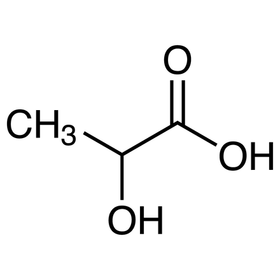
What is DL-Lactic Acid? DL-Lactic acid is a racemic mixture of 2-hydroxypropanoic acid that contains approximately equal amounts of D-lactic acid and L-lactic acid. It is generally supplied as a colorless to pale yellow viscous liquid and is used for flavor adjustment in foods where optical purity is not required, as well as in pharmaceutical raw materials, cosmetics, industrial cleaning, metal scale removal, leather and textile processing, and chemical synthesis. World Market Size of DL-Lactic Acid According to the latest research report published by Global Reports titled "World Market Size, Share, Company Rankings, Sales, and Demand Trend Forecast for DL-Lactic Acid (2026-2032)," the global market size for DL-lactic acid is expected to expand from approximately 119 million USD in 2025 to about 123 million USD in 2026, growing at a compound annual growth rate (CAGR) of 4.8% from 2026 to 2032, and is projected to reach around 162 million USD by 2032. The global sales volume in 2025 is estimated to be about 72,000 tons, with an average selling price of approximately 1,650 USD per ton.
Inquire About This Product
basic information
Method for Producing DL-Lactic Acid and Characteristics of Optical Isomers Understanding the properties of DL-lactic acid requires recognizing the differences between its optical isomers, D and L forms. Although they share the same chemical formula, their stereostructures differ, leading to variations in the required composition and purity depending on the application. DL-lactic acid contains both isomers, making it suitable for applications where strict management of optical purity is not necessary, and it is widely used in food acidity adjustment and industrial cleaning, among others. The production of DL-lactic acid includes methods such as chemical synthesis and the adjustment of lactic acid derived from fermentation to achieve a racemic composition. Mature synthetic processes offer advantages in terms of ensuring stable composition and supply, as well as cost management. On the other hand, fermentation methods that utilize renewable raw materials are gaining attention in markets that prioritize raw material sourcing and environmental impact. However, being derived from fermentation does not equate to being in the DL form, and it is essential to distinguish between the production method and optical composition when evaluating them.
Price range
Delivery Time
Applications/Examples of results
Applications and Market Expansion Potential of DL-Lactic Acid The demand for DL-lactic acid is expanding across various sectors, including food and beverages, cosmetics and personal care, industrial cleaning, metal scale removal, leather and textile processing, and fine chemical synthesis. In addition to its use in pH adjustment and cleaning processes, it is also utilized as a raw material for synthesizing lactic acid derivatives such as esters. However, in food and pharmaceutical applications, it is necessary to meet regulatory and quality requirements specific to each application, and the composition of D and L forms may influence product selection. Furthermore, DL-lactic acid is gaining attention in relation to the field of polylactic acid (PLA). The crystallinity and heat resistance of PLA vary depending on the stereostructure and composition of the lactic acid used as a raw material. In the production of generally high stereoregular PLA, lactic acid with high optical purity is emphasized, meaning that DL-lactic acid cannot be directly used as an alternative raw material. On the other hand, in polymer designs that control stereostructure, technologies that utilize the ratio of D and L forms are also being researched, making the selection of raw materials according to application important.
Company information

Global Reports integrates industrial information from around the world and provides highly accurate market intelligence to support corporate decision-making. We deliver in-depth analyses based on numerical data and facts, including market size, share, industry structure, price trends, growth forecasts, rankings of major companies, and competitive trends, with clear information categorized by country, region, and application. Leveraging a rich database that has supported the business growth of over 65,000 companies and an international research network, we accompany our clients in their global expansion and continuous growth.