World Battery SMC Composite Materials Industry Outlook 2026-2032: Analyzing the Background of Increased Demand and a Growth Rate of 7.2%
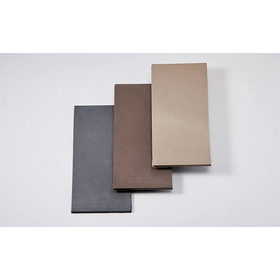
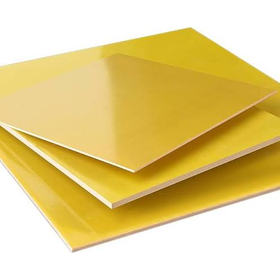
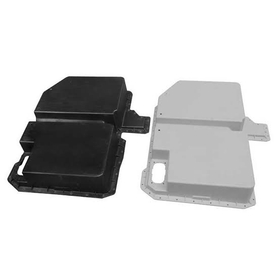
SMC composite materials for batteries refer to sheet molding compounds made primarily from unsaturated polyester resin, vinyl ester resin, and epoxy resin as the base material, combined with short fiber glass fibers, carbon fibers, low shrinkage agents, flame retardants, and fillers. They are processed into battery covers, housings, trays, side panels, etc., through pressure molding, and possess lightweight properties, electrical insulation, flame resistance, corrosion resistance, heat resistance, and dimensional stability. According to the latest research report published by Global Reports titled "Global Market Size, Share, Company Rankings, Sales, and Demand Trend Forecast for SMC Composite Materials for Batteries (2026-2032)," the global market size for SMC composite materials for batteries is expected to expand from approximately 936 million USD in 2025 to about 970 million USD in 2026. It is projected to grow at a compound annual growth rate (CAGR) of 7.2%, reaching approximately 1.474 billion USD by 2032. The global production volume in 2025 is estimated to be around 260,000 tons, with a production capacity of about 340,000 tons, and the average gross profit margin of major manufacturers is estimated to be around 24.5%.
Inquire About This Product
basic information
The demand for EV batteries and lightweight materials is driving market growth. The main area driving the demand for SMC composite materials for batteries is the drive batteries for new energy vehicles. By 2025, global electric vehicle sales are expected to exceed 20 million units, accounting for about a quarter of new car sales. In addition to improving vehicle range and reducing the weight of battery packs, the demand for stationary energy storage systems, electric commercial vehicles, and off-highway vehicles is also expanding market opportunities. The composite material battery enclosures published by CSP show approximately 15% weight reduction compared to traditional steel enclosures, supporting the applicability of composite materials to structural components.
Price range
Delivery Time
Applications/Examples of results
Material design and molding quality determine competitiveness. SMC composite materials for batteries can be broadly categorized into glass fiber SMC and carbon fiber SMC. Unsaturated polyester, vinyl ester, epoxy, and low shrinkage modified resins are used in resin systems, with specifications including standard SMC, high-strength HMC, cross-linked XMC, and thick TMC. In battery covers, housings, trays, and side panels, the selection of materials according to the required rigidity, impact resistance, and flame retardancy is crucial. A review on composite material molding in August 2026 organized the points that resin flow, fiber orientation, curing shrinkage, and the dispersion state of fillers can lead to molding defects such as voids, warping, and delamination. For mass production, it is necessary to optimize mold design, molding conditions, and quality inspection as an integrated process.
Company information

Global Reports integrates industrial information from around the world and provides highly accurate market intelligence to support corporate decision-making. We deliver in-depth analyses based on numerical data and facts, including market size, share, industry structure, price trends, growth forecasts, rankings of major companies, and competitive trends, with clear information categorized by country, region, and application. Leveraging a rich database that has supported the business growth of over 65,000 companies and an international research network, we accompany our clients in their global expansion and continuous growth.