List of Tools and Supplies products
- classification:Tools and Supplies
586~630 item / All 1482 items
Achieves high collection efficiency through electrostatic methods. Offers a wide range of products from large to small sizes. Also compatible with water-soluble oil mist.
- air conditioning
Once you learn the simple installation procedures using the dedicated tightening tool, anyone can easily and reliably perform the installation!
- Pipe Fittings
- Joints and fittings
- Valves and fittings
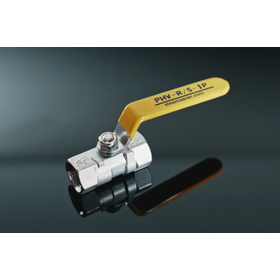
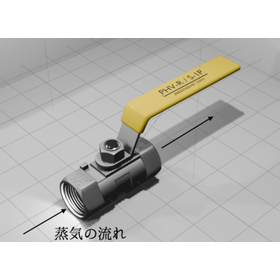
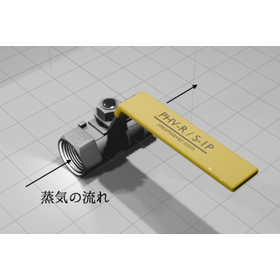
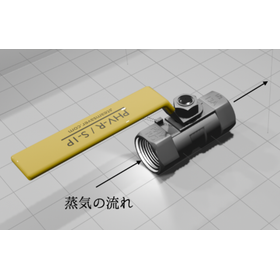
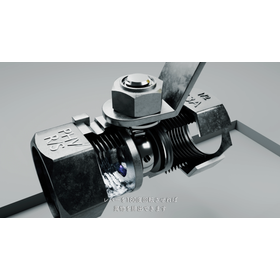
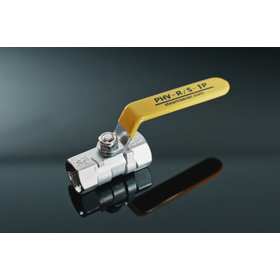
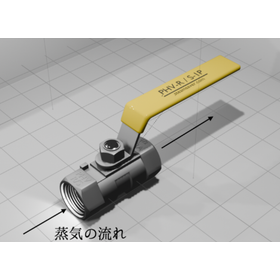
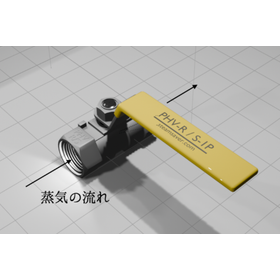
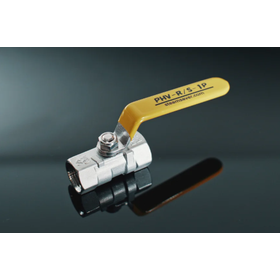
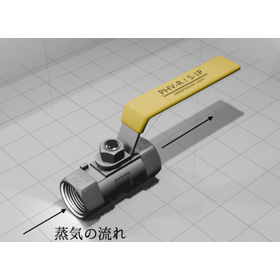
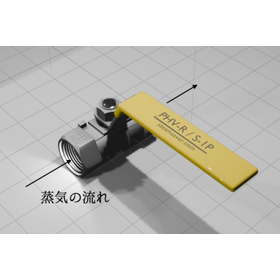
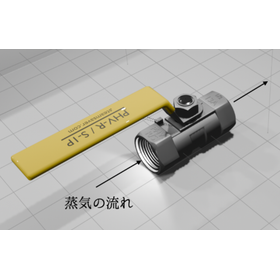
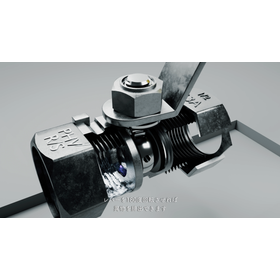
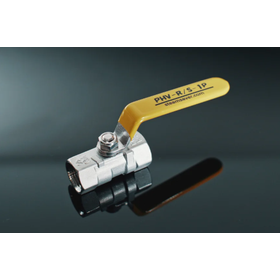
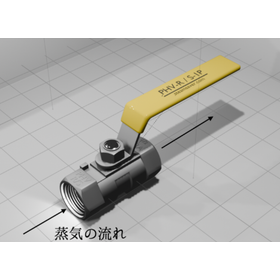
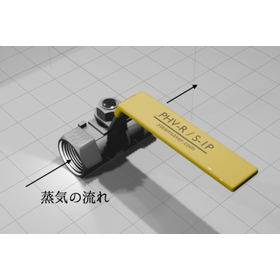
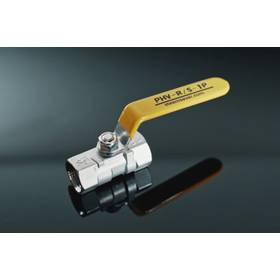
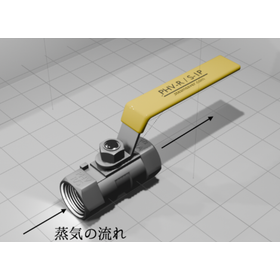
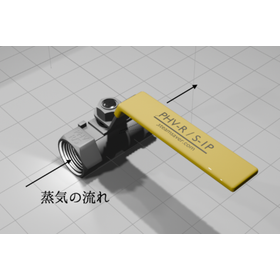
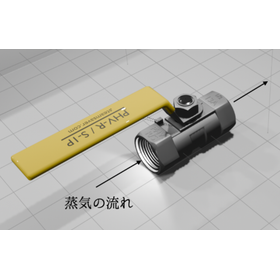
Introducing the abbreviations, names (Su), list prices, packaging quantities, and quantities per small box for each product!
- Pipe Fittings
- Joints and fittings
- Valves and fittings
CK solves the troubles of stainless steel threaded joints! The joints are coated with fluorine-based sealing material.
- Pipe Fittings
- Joints and fittings
- Valves and fittings
No worries about leaks due to forgetting to insert the in-core! JIS standard product.
- Piping Materials
- Piping and Piping Parts
- Piping parts
A diverse lineup that meets customer needs, including eco-cute sets and prefabricated piping sets!
- Piping Materials
- Piping and Piping Parts
- Piping
Achieving perfect construction quality with a perfect procedure. Compatible with aluminum three-layer pipes.
- Pipe Fittings
- Joints and fittings
- Valves and fittings
The lineup consists of three types: standard products for SGP, heat-resistant products for SGP, and SUS products (SUS10s, compatible with Su).
- Piping Materials
- Piping and Piping Parts
- Piping parts
Cadmium-free, lead-free, hexavalent chromium-free, trivalent chromium-free! Birth of white pipes compliant with the RoHS directive.
- Piping Materials
- Piping
- Piping and Piping Parts
Expected, meeting expectations, and exceeding expectations. Developing business with CK Metal and San-Etsu Metal as core companies.
- Piping Materials
- Pipe Fittings
- Piping and Piping Parts
Detailed information on variations and applications!
- nozzle
- Pneumatic Equipment
- nozzle
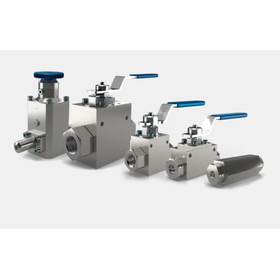
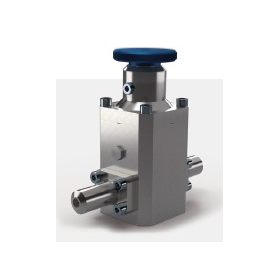
A valve automatic opening and closing device with sales achievements of over 20,000 units both domestically and internationally!
- Valves and fittings
- Other Machine Parts
- Other factory equipment and parts
We have a total of 10 different types of products in various shapes available!
- Filters
If you have any concerns regarding filters, please feel free to consult us!
- Filters
Three types are available! Comes with a drain bolt, convenient for oil changes.
- Filters
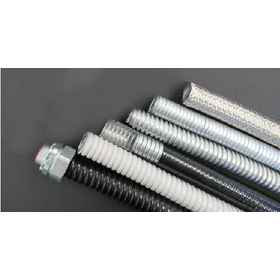
You can use it as protection for shielding and as a penetration sleeve.
- Rubber
- Wiring materials
- Piping and Piping Parts
Mechanical auxiliary components: pipe-in-pipe (PIP method), high-compressibility silicone rubber, wiring covers, robotic arms, etc.
- Piping and Piping Parts
- Piping parts
- Piping Materials
Made of polyethylene with excellent rigidity and impact resistance! The capacity has been increased by 20%, making refills more convenient.
- others
- tank
We will introduce examples of improvements in production efficiency due to the elimination of cleaning and replenishment tasks!
- Lubricants and additives
We will introduce examples where the elimination of tasks such as machine stoppages and cleaning around tanks has contributed to improvements in production efficiency!
- Lubricants and additives
No sealing tape needed due to the end packing stop! Aluminum + PE pipe used for the inner part.
- nozzle
- nozzle
Wiring for fixed equipment and wiring for operational equipment! It withstands high-temperature operating environments.
- connector
- connector
Made entirely of PEEK, heat-resistant up to +250℃! Can be sterilized with high-temperature autoclave, gamma rays, and EOG.
- Valves and fittings
It is a revolutionary extrusion rod that removes blockages in pipes without the need for large-scale systems.
- Piping and Piping Parts
Prevent clogging of the MBR membrane and continue to protect the membrane's performance. Confirm prevention of pressure differential increase.
- Lubricants and additives
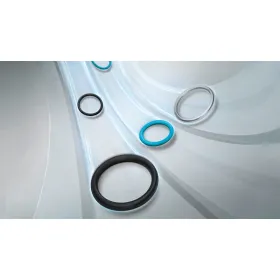
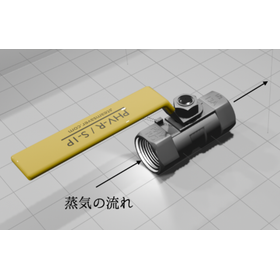
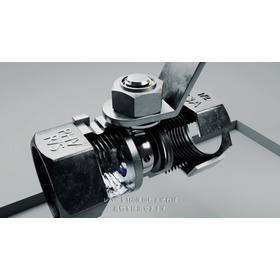
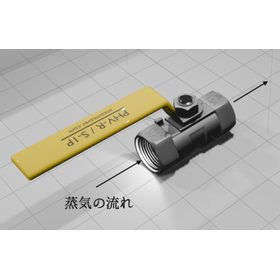
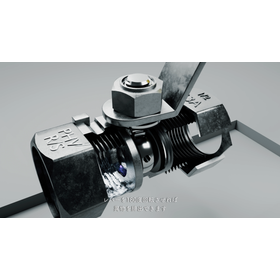
Introducing Daiko D-Packing! Its structure and outstanding sealing performance.
- Food and pharmaceutical standard seals and packing products

The significant reduction of white haze during the burning process results in a natural finish!
- stainless
- Lubricants and additives
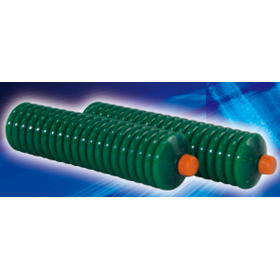
This is a grease that has maximized wear resistance and load-bearing capacity, which was difficult to achieve with conventional greases!
- Lubricants
- Lubricants and additives
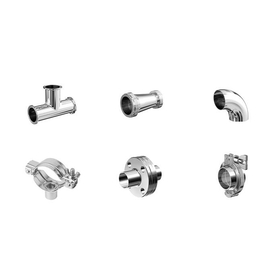
This grease enhances pumpability and lubricity to the extreme, which was difficult to achieve with conventional greases!
- Lubricants
- Lubricants and additives
Due to the low torque, it is possible to keep the temperature rise of the bearing low! It excels in high-speed performance.
- Lubricants
- Lubricants and additives
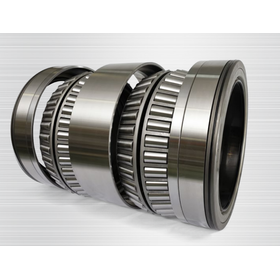
Food-grade, safe, and long-lasting compressor oil! It suppresses the formation of sludge due to oxidative degradation.
- Lubricants
- Lubricants and additives
Reduce equipment downtime costs and maintenance costs! We offer free samples.
- Lubricants
- Lubricants and additives
It also excels in water resistance and can extend the interval for re-lubrication after cleaning! We offer free samples.
- Lubricants
- Lubricants and additives
The binder component uses a resin that excels in heat resistance, mechanical properties, and scientific properties!
- Lubricants
- Lubricants and additives
Our Klerus infrared heater is used for plastics with a thickness of 1mm or more!
- Heater
[Data Published] Heating efficiency changes significantly with medium-wave infrared - A technical explanation of the essential differences between near-infrared and far-infrared.
Leister offers not only plastic welding machines and hot air generators but also "mid-infrared heaters" as part of its product lineup. When selecting infrared heaters based solely on "output," it can lead to unexpected power loss and quality issues. The key factor is the compatibility of materials and wavelengths. Many industrial materials such as resins, paper, wood, and water have been confirmed to have high absorption efficiency in the mid-wave infrared range. On the other hand, near-infrared has a fast response time but is peakier, while far-infrared has a broad range but a slow response time, making it prone to energy loss due to continuous power supply. In actual comparative tests, it has been reported that the power consumption can differ by about twice to achieve the same heating results. This affects not only electricity costs but also heating time, equipment capacity, and finished quality. This document organizes the differences between near-infrared, mid-wave, and far-infrared, and technically explains why the 2.6μm mid-wave infrared heater is a rational choice for many industrial applications. If you want to reconsider your heater selection, please refer to the technical materials and the product pages for infrared heaters.
It can also be made using infrared heating technology in PVC flooring, synthetic leather, or other multilayer decorative materials!
- Heater
[Data Published] Heating efficiency changes significantly with medium-wave infrared - A technical explanation of the essential differences between near-infrared and far-infrared.
Leister offers not only plastic welding machines and hot air generators but also "mid-infrared heaters" as part of its product lineup. When selecting infrared heaters based solely on "output," it can lead to unexpected power loss and quality issues. The key factor is the compatibility of materials and wavelengths. Many industrial materials such as resins, paper, wood, and water have been confirmed to have high absorption efficiency in the mid-wave infrared range. On the other hand, near-infrared has a fast response time but is peakier, while far-infrared has a broad range but a slow response time, making it prone to energy loss due to continuous power supply. In actual comparative tests, it has been reported that the power consumption can differ by about twice to achieve the same heating results. This affects not only electricity costs but also heating time, equipment capacity, and finished quality. This document organizes the differences between near-infrared, mid-wave, and far-infrared, and technically explains why the 2.6μm mid-wave infrared heater is a rational choice for many industrial applications. If you want to reconsider your heater selection, please refer to the technical materials and the product pages for infrared heaters.
Direct heat transfer allows for the immediate drying of paints and dyes on metals, plastics, and wood without generating dust!
- Heater
We will exhibit at Interfex 2026.
Our company will be exhibiting at INTERPHEX Pharmaceutical and Cosmetic Manufacturing Expo. ◆ Dates: May 20 (Wed) - 22 (Fri) 10:00 - 17:00 ◆ Venue: Makuhari Messe ◆ Our Booth: 40-46 Nearest Entrance: Hall 8 【Featured Products - All products will be displayed as actual machines, and some will have live demonstrations in the booth】 - High-pressure hot air shrink packaging machine EZ-PACK - Mid-infrared heater and vacuum forming kit - New cordless heat gun NEXHEAT with digital display - Heat-resistant blower - Compressed air dedicated air heater LHS210 P ◆ Register for your visit here >> https://www.interphex.jp/tokyo/ja-jp/register.html?code=1644452695531591-G3G *This event requires pre-registration, so please ensure you register to attend. We sincerely look forward to your visit.
When coating a surface, the surface preparation is key to determining the quality and durability of the coating!
- Heater
[Data Published] Heating efficiency changes significantly with medium-wave infrared - A technical explanation of the essential differences between near-infrared and far-infrared.
Leister offers not only plastic welding machines and hot air generators but also "mid-infrared heaters" as part of its product lineup. When selecting infrared heaters based solely on "output," it can lead to unexpected power loss and quality issues. The key factor is the compatibility of materials and wavelengths. Many industrial materials such as resins, paper, wood, and water have been confirmed to have high absorption efficiency in the mid-wave infrared range. On the other hand, near-infrared has a fast response time but is peakier, while far-infrared has a broad range but a slow response time, making it prone to energy loss due to continuous power supply. In actual comparative tests, it has been reported that the power consumption can differ by about twice to achieve the same heating results. This affects not only electricity costs but also heating time, equipment capacity, and finished quality. This document organizes the differences between near-infrared, mid-wave, and far-infrared, and technically explains why the 2.6μm mid-wave infrared heater is a rational choice for many industrial applications. If you want to reconsider your heater selection, please refer to the technical materials and the product pages for infrared heaters.
From car dashboards to synthetic leather handbags, animal skins and coated fabrics are used in various aspects of life!
- Hot air generator
- Heater
[Data Published] Heating efficiency changes significantly with medium-wave infrared - A technical explanation of the essential differences between near-infrared and far-infrared.
Leister offers not only plastic welding machines and hot air generators but also "mid-infrared heaters" as part of its product lineup. When selecting infrared heaters based solely on "output," it can lead to unexpected power loss and quality issues. The key factor is the compatibility of materials and wavelengths. Many industrial materials such as resins, paper, wood, and water have been confirmed to have high absorption efficiency in the mid-wave infrared range. On the other hand, near-infrared has a fast response time but is peakier, while far-infrared has a broad range but a slow response time, making it prone to energy loss due to continuous power supply. In actual comparative tests, it has been reported that the power consumption can differ by about twice to achieve the same heating results. This affects not only electricity costs but also heating time, equipment capacity, and finished quality. This document organizes the differences between near-infrared, mid-wave, and far-infrared, and technically explains why the 2.6μm mid-wave infrared heater is a rational choice for many industrial applications. If you want to reconsider your heater selection, please refer to the technical materials and the product pages for infrared heaters.
Towards responsible industries that build a sustainable Earth! Making microorganisms edible.
- Lubricants and additives
- plastic
Accelerating contributions to the global environment! Adopted for the packaging bags of spare parts by Suzuki Motor Corporation.
The biodegradable plastic using our "P-Life additive" has been adopted for the packaging bags of replacement parts for all products of Suzuki Motor Corporation (Headquarters: Hamamatsu City, Shizuoka Prefecture), including four-wheeled vehicles, two-wheeled vehicles, and outboard motors. Our "P-Life additive" is made from plant oils (biomass) and leads non-degradable plastics to microbial decomposition, achieving a cycle in the natural environment. Since biodegradable plastics are ultimately decomposed by microorganisms in the natural environment, they do not remain as plastic waste for long periods, thereby reducing the risk of environmental pollution.
Infrared heaters are recommended for the heating process in the textile industry! They improve energy efficiency and enhance machine performance.
- Heater
- Other heaters
[Data Published] Heating efficiency changes significantly with medium-wave infrared - A technical explanation of the essential differences between near-infrared and far-infrared.
Leister offers not only plastic welding machines and hot air generators but also "mid-infrared heaters" as part of its product lineup. When selecting infrared heaters based solely on "output," it can lead to unexpected power loss and quality issues. The key factor is the compatibility of materials and wavelengths. Many industrial materials such as resins, paper, wood, and water have been confirmed to have high absorption efficiency in the mid-wave infrared range. On the other hand, near-infrared has a fast response time but is peakier, while far-infrared has a broad range but a slow response time, making it prone to energy loss due to continuous power supply. In actual comparative tests, it has been reported that the power consumption can differ by about twice to achieve the same heating results. This affects not only electricity costs but also heating time, equipment capacity, and finished quality. This document organizes the differences between near-infrared, mid-wave, and far-infrared, and technically explains why the 2.6μm mid-wave infrared heater is a rational choice for many industrial applications. If you want to reconsider your heater selection, please refer to the technical materials and the product pages for infrared heaters.