
List of Lubricants products
- classification:Lubricants
271~315 item / All 1797 items


It won't break even after 1 million repetitions! A mat switch with reliable operation, high durability, and low price. Suitable for options in machine tools as well. Please consult us about delivery t...
- Sensors


We can accommodate high resistance over 10,000 ohms, with diameters ranging from approximately 30 mm to 8 inches, and we also offer thinning and chip processing arrangements!
- Other semiconductors
- Processing Contract
- Wafer
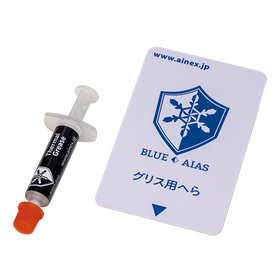

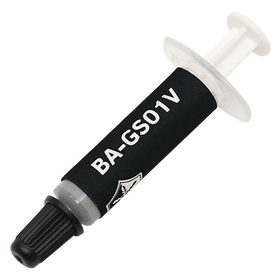
0.5g version of BA-GS02! Convenient for application with a card-type spatula included.
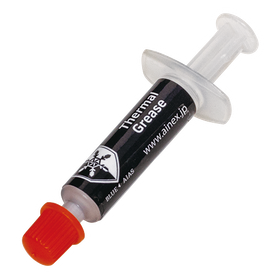
- Lubricants
- Lubricants and additives
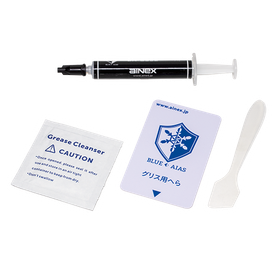
A composition that is easy to apply, featuring a cleaner and two types of application spatulas!
- Lubricants
- Lubricants and additives
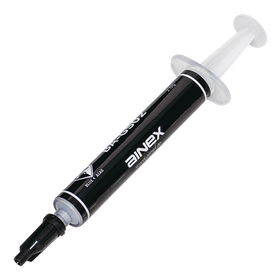
High-end grease with nanosized particles that increase the contact area and enhance thermal conductivity!

- Lubricants
- Lubricants and additives
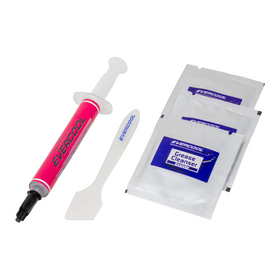
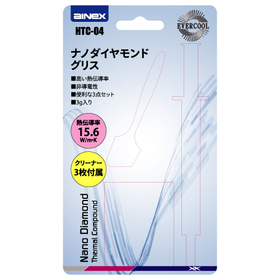
Thermal conductivity 15.6 W/m·K! Comes with 3 cleaners and a spatula.
- Lubricants
- Lubricants and additives
Ideal for high-performance CPUs/GPUs with high thermal conductivity! Comes with a cleaner and spatula.
- Lubricants
- Lubricants and additives
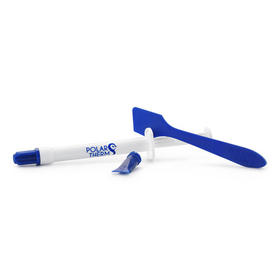
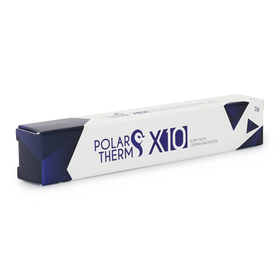
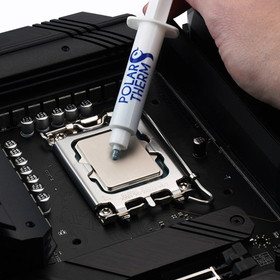
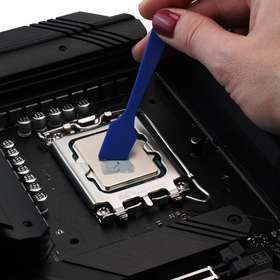
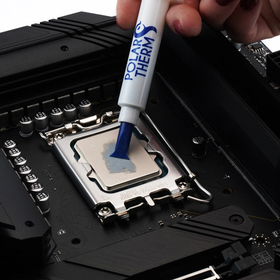
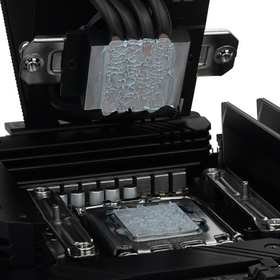
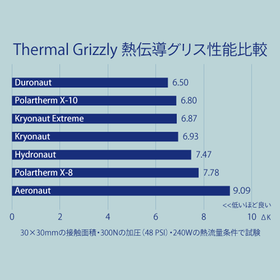
Ideal for DIY PC builders, gamers, and professionals seeking stable and quiet operation!
- Lubricants
- Lubricants and additives
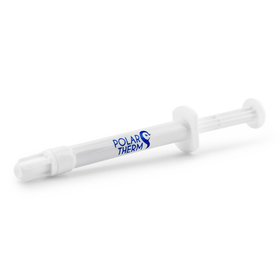
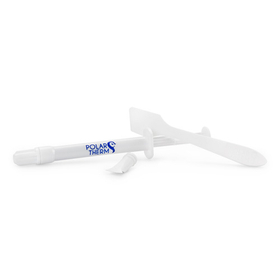
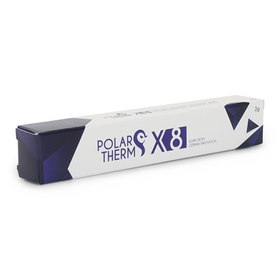
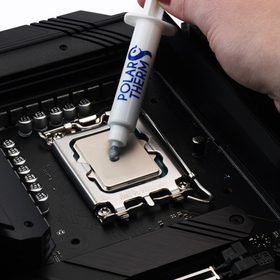
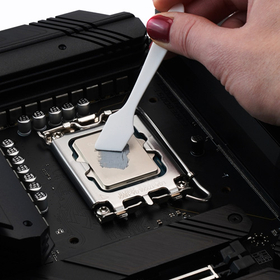
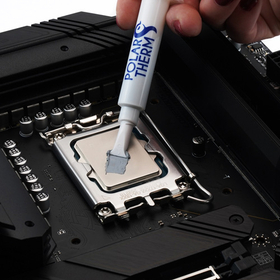
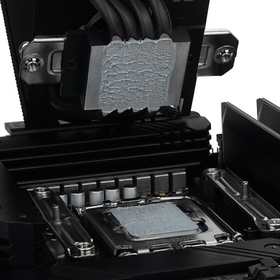
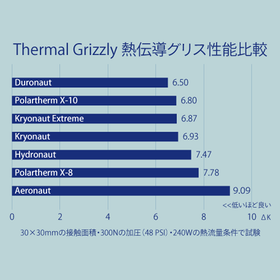
Balancing performance and ease of use! Easy to apply and spreads naturally and evenly.
- Lubricants
- Lubricants and additives
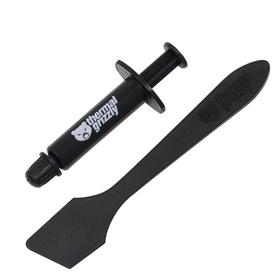
A thermal conductive grease with extremely high performance that demonstrates its true capabilities in ultra-low temperature environments!
- Lubricants
- Lubricants and additives
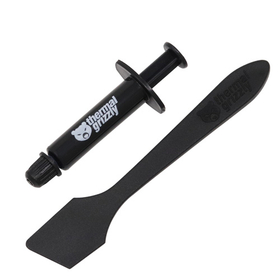
Silicone-free, lightweight, and highly flexible, easy to apply!
- Lubricants
- Lubricants and additives
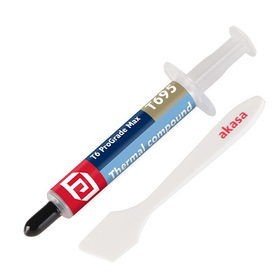
Thermal conductivity 14.8 W/m·K! Non-conductive and easy-to-handle syringe type.
- Lubricants
- Lubricants and additives
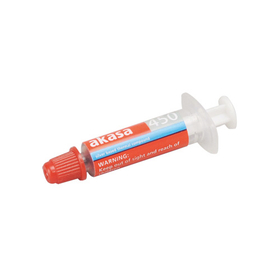
Non-flowing, low-bleed silver-based thermal conductive grease!
- Lubricants
- Lubricants and additives
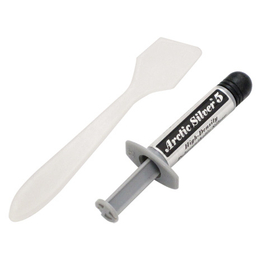
High-performance grease containing ultra-fine particles of pure silver with a purity of 99.9%!
- Lubricants
- Lubricants and additives
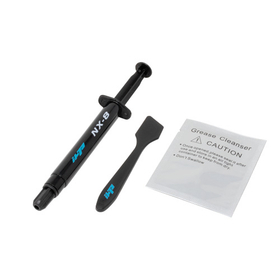
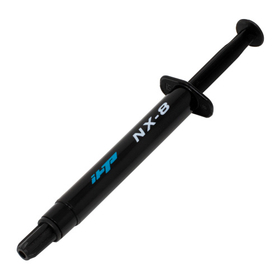
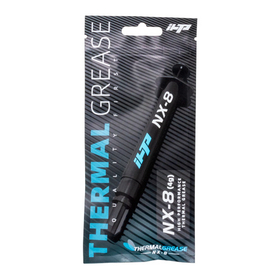
Non-conductive thermal grease with a viscosity that is easy to apply and wipe off!
- Lubricants
- Lubricants and additives

High-performance grease with a thermal conductivity of 11.0 W/m·K, blended with nanosized carbon!
- Lubricants
- Lubricants and additives
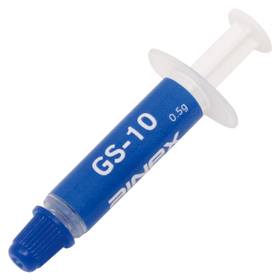
Non-conductive thermal grease that eliminates the worry of short circuits!
- Lubricants
- Lubricants and additives
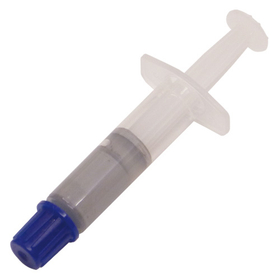
Grease with high thermal conductivity containing nano-diamonds!
- Lubricants
- Lubricants and additives
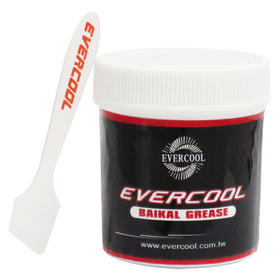
Easy-to-apply soft type with a large capacity of 200g! Comes with a spatula.
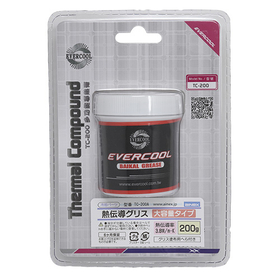
- Lubricants
- Lubricants and additives
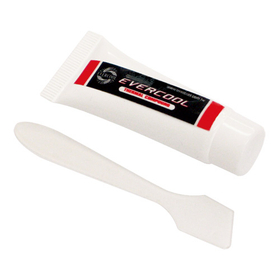
Easy to apply with low viscosity, comes with a spatula for grease application!
- Lubricants
- Lubricants and additives
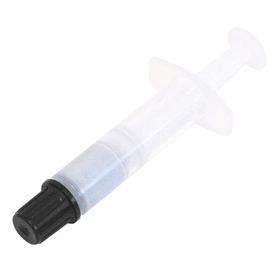
Used by applying between the CPU, video chip, and the heat sink!
- Lubricants
- Lubricants and additives
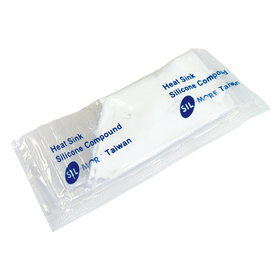
Thermal conductive grease to enhance the efficiency of heat sinks and cooling fans!
- Lubricants
- Lubricants and additives
![[Improved Yield] High-Performance G...](https://image.mono.ipros.com/public/product/image/2053962/IPROS9622424265483650145.jpg?w=280&h=280)

[Yield Improvement] Conduct and report ASTM E595 tests for each lot. Supporting yield improvement in semiconductor manufacturing processes and extending component lifespan!
- Lubricants

Appropriate management of outgassing: Conduct and report ASTM E595 tests for each lot. Supporting yield improvement in semiconductor manufacturing processes and extending component lifespan!
- Lubricants
Significantly improve component lifespan! Outstanding load-bearing performance and durability among PFPEs used in the semiconductor industry.
- Lubricants
![[Improved Durability!] Grease for t...](https://image.mono.ipros.com/public/product/image/2053962/IPROS10682643269718048251.jpg?w=280&h=280)
Improved Durability! Among the PFPEs used in the semiconductor industry, it has outstanding load-bearing performance and durability.
- Lubricants
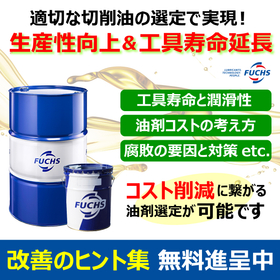
Supporting the longevity of automotive parts through the selection of cutting oils.
- Lubricants
- Cutting Oil
- Lubricants and additives
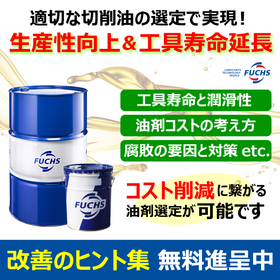
Improving the quality of medical device manufacturing through the selection of cutting oils considering biocompatibility.
- Lubricants
- Cutting Oil
- Lubricants and additives
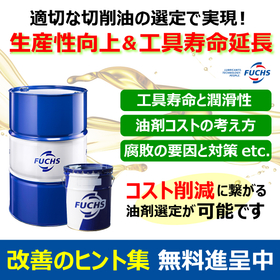
Support for solving issues related to cutting oils in surface modification of molds.
- Lubricants
- Cutting Oil
- Lubricants and additives
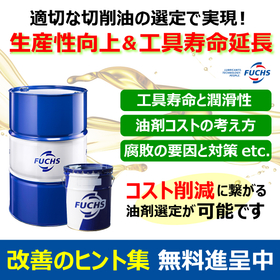
Reviewing cutting oils for energy savings and cost reduction in machine tools.
- Lubricants
- Cutting Oil
- Lubricants and additives
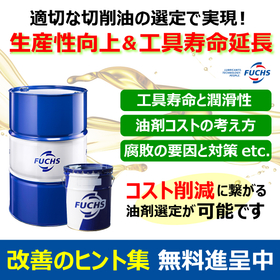
Supporting the resolution of issues related to cutting oils in microfabrication.
- Lubricants
- Cutting Oil
- Lubricants and additives
Improving cleanliness through the selection of cutting oils contributes to the improvement of yield in semiconductor manufacturing.
- Lubricants
- Cutting Oil
- Lubricants and additives


Excellent extreme pressure and mechanical stability! Introducing brown butter-like lithium soap grease!
- Lubricants
- others

Contributes to the durability and productivity of machinery! Excellent lubricant with minimal leakage and scattering.
- Lubricants

Excellent extreme pressure and mechanical stability! Introducing brown butter-like lithium soap grease!
- Lubricants
- others

Excellent extreme pressure and mechanical stability! Introducing yellow-brown butter-like lithium soap grease!
- Lubricants
- others

Exhibiting stable rust prevention effects over a long period! Introducing extreme pressure lithium soap grease!
- Lubricants
- others

Introducing a grease that can be universally used for bearing lubrication in various construction machinery and industrial machinery!
- Lubricants
- others

Introducing extreme pressure grease suitable for lubrication in areas subjected to particularly harsh high loads!
- Lubricants
- others

Can be used in high-temperature and high-load lubrication areas! Minimal grease leakage and long lifespan!
- Lubricants
- others

Bearing grease that excels in mechanical stability and is suitable for high-speed rolling bearings.
- Lubricants
- others

Introducing urea grease effectively blended with wear inhibitors, antioxidants, and rust preventatives!
- Lubricants
- others

Exhibiting stable rust prevention effects over a long period! Introducing extreme pressure lithium soap grease!
- Lubricants
- others

It is a grease that excels in mechanical stability, has minimal consistency changes, and can be used for long periods.
- Lubricants
- others

Non-lead extreme pressure multi-purpose grease effectively formulated with extreme pressure additives, antioxidants, and rust inhibitors.
- Lubricants
- others

Excellent adhesion to gear tooth surfaces, suppresses noise! Prevents grease leakage!
- Lubricants
- others

It has excellent wear resistance and is suitable as grease for construction machinery! Long-lasting grease.
- Lubricants
- others