
List of Lubricants products
- classification:Lubricants
496~540 item / All 1832 items


Reduce the workload from handling heavy objects! Here are five case studies that solved customer challenges! We are also accepting free consultations and tests tailored to your work!

- Other conveying machines


By combining parts, it is possible to produce large pallets of 2m x 4m size. Even if damaged, partial replacement is possible, making it economical. *Available from a single piece.


- palette


ECO mark certified product! Contributing to environmental conservation activities with grease that returns to nature.
- Lubricants
- Other consumables

Introducing products for parts manufacturers! We contribute to your equipment maintenance and stable operations.


- Lubricants
- Other consumables


It is a brake parts cleaner that can remove various types of oil stains.
- Cleaning agents
- Lubricants


Long-life engine oil compatible with fuel-efficient vehicles, using fully synthetic base oil and meeting API specification 'SP' and ILSAC specification 'GF-6'.
- Lubricants
- Other consumables
The latest API SQ standard has been newly added to the Groud WORKS2 series with '0W-30'.
The GRAUD WORKS2 series, which uses fully synthetic base oil and has obtained the latest API SQ standard. The '0W-30' has been added to the lineup of the GRAUD WORKS2 series!! < Features > Uses fully synthetic base oil. In addition to the robustness, fuel efficiency, and durability required by the latest API: SQ standard, it also enhances compatibility with seal rubber, reduces LSPI (Low-Speed Pre-Ignition), suppresses timing chain wear, and improves piston cleanliness, making it compatible with GPF. It is a wide-range type engine oil that can be used in a variety of vehicles from compact cars to sports cars. * For more details, please refer to the PDF document or feel free to contact us.

A long-life engine oil compatible with fuel-efficient vehicles that uses fully synthetic base oil and meets the latest API standard "SQ" and ILSAC standard "GF-7."
- Lubricants


Reduce CO2 emissions with bio lubricant "Eight Oil".
- Lubricants
- Cutting Oil
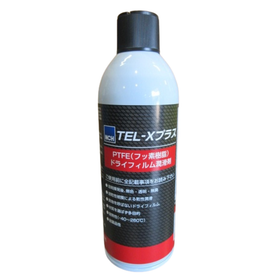
It is a dry type solid lubricant mainly composed of PTFE (fluororesin).
- Lubricants
- Lubricants and additives


Using plant-derived materials! It is a type of aliphatic diester that is gaining attention as an alternative to petrochemical-derived products.
- Lubricants
- Lubricants and additives
- Solubilizer


Essential for food factories! Grease for food machinery that withstands harsh operating environments!
- Lubricants

It is a safe oil that is safe to touch food with, thanks to its high safety rating of NSF 3H!
- Lubricants


Prevents grease separation and air intrusion, allowing for the application of grease and oil in precise liquid amounts. Individual application at up to 8 locations is also possible! *Proven results in...
- Other pumps
- Special Pump
- Lubricants


Various contents are included, ranging from the basics of lubricants, greases, and anti-seizing oils to practical applications and management methods! Solutions to problems are also provided.
- Lubricants


Even beyond 800℃, the release performance remains unwavering. A high-temperature dedicated lubricant that prevents seizure.
- Lubricants
- Plastic Mould
- Mold

【Q&A】Why do seizure and stiffness occur at high temperatures? 【Part 2】
In die-cast molds and movable parts used in high-temperature environments, issues such as "despite applying grease, movement becomes sluggish" and "eventually seizing occurs" can be observed. This phenomenon is not merely due to wear or insufficient lubrication; the main cause is the inability to maintain a lubricating film at high temperatures. As the temperature rises, the separation and volatilization of oil components progress, making it easier for metal parts to come into direct contact with each other, leading to increased friction and rising sliding resistance. Seizing does not occur suddenly; it is a phenomenon that surfaces as a result of the gradual deterioration of lubrication conditions. In high-temperature environments, it is not only the "heat resistance temperature value" that matters, but also whether lubrication conditions can be maintained at high temperatures, which becomes an important point in grease selection. The mechanisms behind seizing and sluggish movement, as well as considerations during selection, are organized technically in the attached materials.


Introducing antioxidants (phenolic and amine types) used to improve the service life of lubricating oil!
- Other polymer materials
- Lubricants

This is a lubricant additive manufactured by Kangtai Lubricant Additive Co., Ltd.
- Lubricants
- Cutting Oil
- Other polymer materials


Surface hardness is improved, extending the lifespan of components such as chains and bearings! Reduced friction resistance enhances ride comfort and increases glide distance!
- Lubricants

Various content is included, ranging from basic information about lubricants, greases, and anti-seizing oils to practical applications and management methods! Solutions to problems are also provided.
- Lubricants
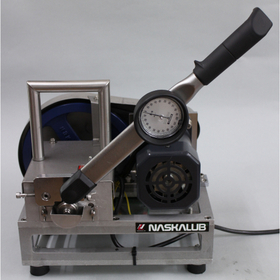

We will visit for lubricant testing! Experience the differences compared to the lubricant you are currently using.
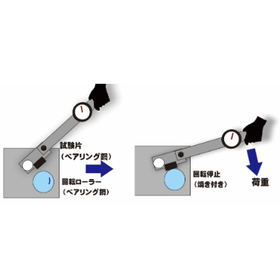
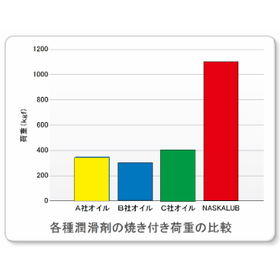
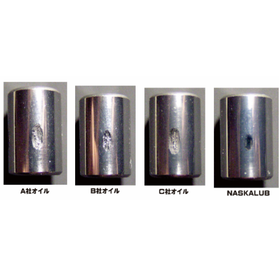
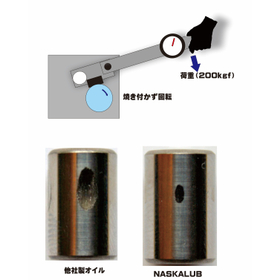


- Lubricants


Ideal for lubricating rack and pinion! We have prepared three types of spray.
- gear
- Lubricants

A strong ally in equipment management. A single tool that works for any material or application.
- Lubricants
- Plastic bearings
- Lubricants and additives
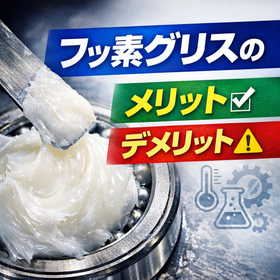
What are the disadvantages of fluorine grease? An explanation of its advantages and precautions.
Fluorine grease is used in a wide range of fields such as semiconductor equipment, chemical facilities, and food machinery as a high-performance lubricant with excellent heat resistance and chemical resistance. Its ability to maintain stable lubrication performance even in high-temperature environments and chemical contact environments is particularly noteworthy. On the other hand, there are also disadvantages. First, the high cost of raw materials tends to make the price expensive. Additionally, while it excels in low friction, its extreme pressure performance is not high, which may make it unsuitable for high-load applications such as large gears and heavy machinery. Furthermore, in general environments, its performance may be excessive, leading to cost disadvantages. Lubricants are not simply "high performance = optimal"; selecting the right one according to the usage environment is crucial. When chemical resistance and high-temperature compatibility are required, fluorine grease is appropriate, while for high loads, molybdenum grease may be needed, necessitating a distinction based on the application.
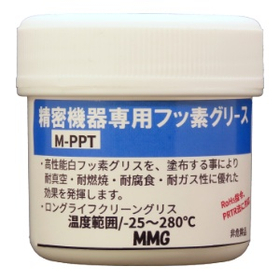
Next-generation PTFE-based lubricants that challenge high temperature, high vacuum, and corrosive environments.
- Engineering Plastics
- Plastic bearings
- Lubricants
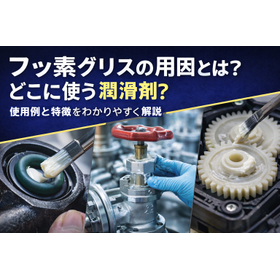
What are the uses of fluorine grease? Where is it used as a lubricant?
Fluorine grease is a high-performance lubricant that excels in heat resistance, chemical resistance, and low outgassing. It is used in environments where conventional mineral oil greases are inadequate. The main applications are as follows: - Mold components in high-temperature environments (approximately 200°C or higher) such as ejector pins and slides - Equipment parts exposed to chemicals or solvents - Clean environments (semiconductors, food, medical devices) - Areas requiring contamination control in resin molding Fluorine grease is chemically stable and has a characteristic that makes it difficult to mix with other greases. Therefore, degreasing and cleaning before application are crucial. Additionally, while it has excellent heat resistance, its extreme pressure performance is limited, which means it may not be suitable for areas subjected to high loads or shock loads. Proper selection according to the application directly contributes to preventing mold troubles and improving maintenance.
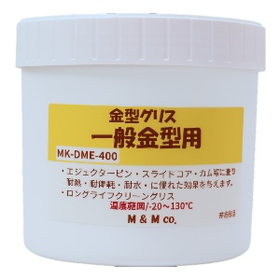
Just right is the best. The optimal solution for the cost of mold grease.
- Plastic Mould
- Other molds
- Lubricants
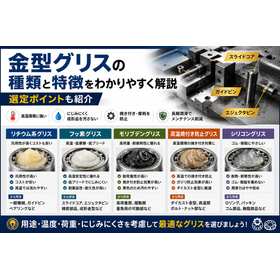
Comparison of 7 Types of Mold Grease! How to Choose According to Application and Temperature
Are you troubled by mold burning, wear, or grease bleeding? Selecting mold grease that matches the usage temperature, sliding conditions, and operating environment is important. At M&M Co., Ltd., we offer a variety of greases tailored to different applications, from high-temperature greases for die-casting molds to fluorine greases, general mold greases, food container mold greases, and greases for O-rings and gaskets. We have prepared an introductory document that allows you to compare mold greases by application and temperature. If you are unsure which grease to choose, want to review the grease you are currently using, or need to address high temperatures, burning, or bleeding issues, we can provide recommendations based on your usage conditions. Please feel free to contact us if you are having trouble with mold maintenance or grease selection.

Stable lubrication compatible with 280℃! Ideal for slide pins and ejectors.
- Plastic Mould
- Mold
- Lubricants
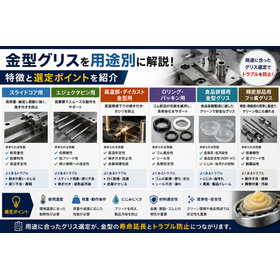
Are you selecting mold grease according to the trouble?
Review selection criteria due to galling, grease depletion, and contamination of molded products. Are you facing any of these issues in the sliding parts of your molds? - Galling or seizure occurs - Grease depletion happens quickly, leading to frequent reapplication - Oil stains or grease adhere to molded products - Grease solidifies in high-temperature areas, making cleaning time-consuming When selecting grease, it is important to not only consider heat resistance but also to organize the problems occurring and the actual usage conditions. ■ If you are concerned about galling or seizure** Check the load and sliding speed, and consider load-bearing capacity and lubrication performance. ■ If you are concerned about grease depletion** In addition to retention in sliding parts and operating temperature, review the amount applied and the interval for lubrication. ■ If you are concerned about contamination on molded products** Check the ease of oil separation and scattering, as well as the application position and amount. Note that even with the same symptoms, factors such as clearance, wear, and foreign substances may be involved. Confirming both the performance of the grease and the condition of the equipment is the first step in selection. For those struggling with selecting mold grease Please inform us of the application location, temperature, and current symptoms. Contact us for assistance in choosing the right grease for your application.

High temperature × water resistance × high adhesion. A versatile grease compatible with all machines.
- Lubricants
- Chains and sprockets
- Metal bearings

Differentiation through adhesion - High-performance grease specifically for O-rings and packings.
- Plastic Mould
- Press Dies
- Lubricants
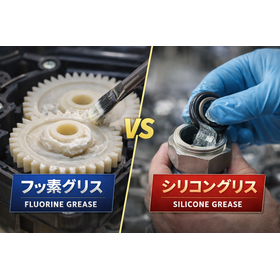
What is the difference between fluorine grease and silicone grease?
Fluorine grease and silicone grease are both lubricants with excellent heat resistance and chemical resistance, but there are clear differences in their applications and performance. Fluorine grease is primarily composed of PFPE (fluorinated oil) and PTFE, characterized by its excellent stability in high-temperature and chemical environments. For example, it maintains stable performance over a wide temperature range of -25°C to 280°C and is less affected by chemicals and solvents, making it suitable for lubricating sliding parts of molds and precision components. On the other hand, silicone grease is based on silicone oil and is characterized by its low tendency to damage rubber and resin, as well as its excellent waterproofing and insulation properties. Therefore, it is suitable for areas where material protection is important, such as O-rings, gaskets, and waterproof applications. In summary: - High temperature, chemical resistance, long lifespan → Fluorine grease - Waterproof, rubber protection, insulation → Silicone grease It is important to differentiate between them based on their uses. Selecting the appropriate lubricant according to the usage environment leads to trouble prevention and improved maintenance efficiency.
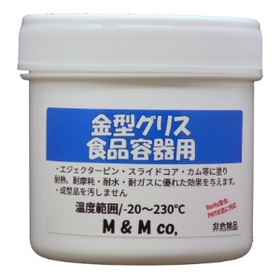
Food container-specific grease that balances safety and performance.
- Plastic Mould
- Mold
- Lubricants
Are you selecting mold grease according to the trouble?
Review selection criteria due to galling, grease depletion, and contamination of molded products. Are you facing any of these issues in the sliding parts of your molds? - Galling or seizure occurs - Grease depletion happens quickly, leading to frequent reapplication - Oil stains or grease adhere to molded products - Grease solidifies in high-temperature areas, making cleaning time-consuming When selecting grease, it is important to not only consider heat resistance but also to organize the problems occurring and the actual usage conditions. ■ If you are concerned about galling or seizure** Check the load and sliding speed, and consider load-bearing capacity and lubrication performance. ■ If you are concerned about grease depletion** In addition to retention in sliding parts and operating temperature, review the amount applied and the interval for lubrication. ■ If you are concerned about contamination on molded products** Check the ease of oil separation and scattering, as well as the application position and amount. Note that even with the same symptoms, factors such as clearance, wear, and foreign substances may be involved. Confirming both the performance of the grease and the condition of the equipment is the first step in selection. For those struggling with selecting mold grease Please inform us of the application location, temperature, and current symptoms. Contact us for assistance in choosing the right grease for your application.


Aiming for a First Class Company
- Lubricants
- Contract manufacturing

Protecting molds, supporting the workplace. A selection of high-performance grease lineup.
- Press Dies
- Plastic Mould
- Lubricants
How to choose grease that can be used in high-temperature environments
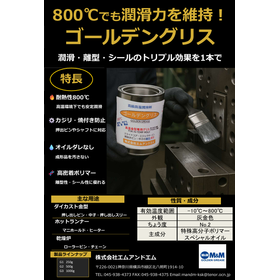
Various greases are used for the lubrication of molds and machine parts, but in high-temperature environments, the performance of standard lithium greases significantly decreases, leading to issues such as seizure and galling. So, how should one choose "high-temperature greases"? First, the heat resistance temperature should be noted. Typical lithium-based greases have a limit of around 200°C, but in mold environments, conditions can reach 400°C to 800°C. In such cases, high-temperature greases that use heat-resistant additives or special base oils are essential. Second, oxidation stability is also important. When the oil oxidizes due to rising temperatures, the lubricating film is lost, and component wear progresses rapidly. Third, the initial break-in performance should not be overlooked. The ability to form a smooth film during startup at high temperatures can greatly affect the lifespan. For example, the "Golden Grease Series" can handle mold environments up to 800°C due to its hybrid design of inorganic and organic components. It allows for lubrication, release, and rust prevention all at once, leading to more efficient mold maintenance. In workplaces struggling with high-temperature environments, choosing such specialized greases can achieve both increased production efficiency and cost reduction.

High heat resistance, high pressure resistance, and excellent chemical resistance universal fluorine grease.
- Lubricants
- Plastic Mould
- Mold
A New Trend in Mold Maintenance - Domestic Fluorine Grease "M-MLPT" is Changing the Field
A new attention-grabbing product has emerged in the field of lubricants essential for mold maintenance. "M-MLPT," developed by M&M Co., Ltd., achieves up to a 40% cost reduction compared to traditional expensive fluorinated greases, while also possessing essential properties such as heat resistance, wear resistance, and non-contamination. Generally, fluorinated greases have excellent chemical stability but are expensive, limiting their use to certain applications. However, M-MLPT was developed with the concept of "making high performance more user-friendly at the operational level." Its widespread adoption in various manufacturing industries is anticipated. Feedback from Implementation Sites Factories that have already trialed the product have provided the following evaluations: "Reduced seizing" When used on ejector pins in injection molding, it maintained smoother operation for a longer period than before. "Decreased maintenance frequency" Previously, lubrication was applied every few days, but with M-MLPT, stable lubrication was maintained for over a week. "Products are less prone to contamination" There was less carbon residue and color transfer, with effects particularly confirmed in optical components and transparent molded products. In this way, concrete results that contribute to solving on-site challenges are beginning to emerge.


Reduced lubricant usage and decreased replenishment frequency! Visible cost reduction and improved productivity!
- Lubricants

Maximize the operating time of industrial robots! High-efficiency automation through excellent lubrication!


- Lubricants

Optimize gear lubrication.
- Lubricants

Creating higher sustainability! Making clean energy even cleaner!
- Lubricants

A trump card for extending equipment lifespan! A world-class comprehensive lubricant brand HIGH-PERFORMANCE LUBRICANTS.
- Lubricants

Solid lubricants exhibit excellent lubrication properties even in dry conditions! Treatment on rubber and plastic surfaces is also possible! (Lubricating paint achievements: long-term lubrication for ...


- Lubricants

A grease that balances low-temperature performance and sound-dampening properties. It is suitable for parts where sound insulation is required, such as automotive body components and household electri...
- Lubricants

Super heat-resistant, low evaporation fluorine grease. Heat-resistant bearing lifespan comparison test results show about 10 times that of conventional products (HP-870). Samples available for evaluat...
- Lubricants
We can process a variety of materials, from fiber-reinforced composites to aluminum alloys for aircraft and steel materials.


- Lubricants