List of Mixer/agitator products
- classification:Mixer/agitator
526~540 item / All 2147 items
Reduce the workload from handling heavy objects! Here are five case studies that solved customer challenges! We are also accepting free consultations and tests tailored to your work!
- Other conveying machines
Strong cold wind from room temperature to -13°C! Depending on the usage environment, you can choose between the combo type or the separate type!
- Cooling system
April 10, 2024 (Wednesday) to April 12, 2024 (Friday) Notice of Participation in Nagoya Manufacturing World 2024
Sanwa Shiki Ventilator Co., Ltd. will be exhibiting at the 2024 Monozukuri World (Nagoya) held at Port Messe Nagoya. We will also be showcasing our large cooling fans and cool/warm ambient products. Date: April 10, 2024 - April 12, 2024 Opening: 10:00 AM Location: Nagoya Port Messe (Exhibition Hall 1) *Our booth: 19-1 We would be grateful if you could visit us if you have the time.
Can grind even 0.5g of material. Can be used in glove boxes or draft chambers due to its ultra-compact size. Equipped with a timer and speed adjustment function.
- Fine grinding machine
- Mixer/agitator
- Concentration Equipment
We have started selling the new product Tiny plus (ultra-compact desktop model).
On September 11, 2024, we began selling the new product Tiny Plus. It enhances the existing Tiny product by adding a timer function and a rotation speed adjustment feature. 【Features】 - Maintains the basic performance of the Ishikawa-style stirring and grinding machine while achieving the smallest size. - Processing volume is 0.03 liters. - Ideal automatic mortar for researchers and developers who perform grinding tasks manually with a mortar and pestle. - The pestle tube has a built-in spring, allowing for stirring and grinding while applying pressure. - Equipped with a timer, enabling multitasking while grinding. - Features a rotation speed adjustment function, allowing grinding under various conditions. - Includes LED lighting for easy monitoring of processing status. - Designed for easy mobility and storage with a detachable AC cord. - Improved chemical resistance due to the use of a stainless steel casing, expanding its applications in laboratories and clean rooms. - Standardly equipped with an acrylic cover for splash prevention and safe handling. - Its ultra-compact and tabletop design allows for use within fume hoods or glove boxes, making it possible to grind substances containing organic solvents, provided the cover material is appropriately selected.
Optimal for pre-dispersion! Can mix and grind materials from just a few grams. Reproduces hand grinding【Compact Automatic Mortar】. Fits in a glove box at the smallest size!
- Other machine tools
- Mixer/agitator
- Fine grinding machine
Dependence of Zeolite Particle Distribution on Grinding Time
**Summary** To understand the performance of the Ishikawa-type mixing and grinding machine produced at the Ishikawa factory, zeolite was used as the standard material to clarify the relationship between grinding time and particle size distribution through experiments. First, experiments were conducted using the D18S (desktop machine) to examine the relationship between the particle size distribution of zeolite and grinding time. The grinding times were varied at 15 minutes, 30 minutes, 1 hour, 2 hours, and 4 hours, with 2g samples taken at each interval. These samples were then analyzed for particle size distribution using a laser diffraction particle size measurement device. **Conclusion** In the particle size distribution, the peak value (mode) was 0.4μm for grinding times up to 1 hour. After 2 hours of grinding, it was 0.1μm. The standard deviation, which represents the variation in particle size, decreased with longer grinding times. However, beyond 2 hours, it saturated and remained almost constant at 3μm. From this, it can be concluded that within the experimental range, the relationship between the particle size distribution of zeolite and grinding time using the D18S shows that longer grinding times result in smaller particle size (mode) and less variation (standard deviation), but after 2 hours, it becomes constant.
The pestle rotation part rises and falls, making it easier to exchange the mortar and pestle, remove the ground material after grinding, and clean the machine. A tabletop machine for simultaneous stir...
- Emulsifier/Disperser
- Fine grinding machine
- Mixer/agitator
Dependence of Zeolite Particle Distribution on Grinding Time
**Summary** To understand the performance of the Ishikawa-type mixing and grinding machine produced at the Ishikawa factory, zeolite was used as the standard material to clarify the relationship between grinding time and particle size distribution through experiments. First, experiments were conducted using the D18S (desktop machine) to examine the relationship between the particle size distribution of zeolite and grinding time. The grinding times were varied at 15 minutes, 30 minutes, 1 hour, 2 hours, and 4 hours, with 2g samples taken at each interval. These samples were then analyzed for particle size distribution using a laser diffraction particle size measurement device. **Conclusion** In the particle size distribution, the peak value (mode) was 0.4μm for grinding times up to 1 hour. After 2 hours of grinding, it was 0.1μm. The standard deviation, which represents the variation in particle size, decreased with longer grinding times. However, beyond 2 hours, it saturated and remained almost constant at 3μm. From this, it can be concluded that within the experimental range, the relationship between the particle size distribution of zeolite and grinding time using the D18S shows that longer grinding times result in smaller particle size (mode) and less variation (standard deviation), but after 2 hours, it becomes constant.
Automation of porcelain mortar (mortar) and porcelain pestle (pestle). Ideal for a wide range of applications in food, pharmaceuticals, chemicals, and electronic materials, including stirring, grindin...
- Fine grinding machine
- Mixer/agitator
- Other processing machines
Dependence of Zeolite Particle Distribution on Grinding Time
**Summary** To understand the performance of the Ishikawa-type mixing and grinding machine produced at the Ishikawa factory, zeolite was used as the standard material to clarify the relationship between grinding time and particle size distribution through experiments. First, experiments were conducted using the D18S (desktop machine) to examine the relationship between the particle size distribution of zeolite and grinding time. The grinding times were varied at 15 minutes, 30 minutes, 1 hour, 2 hours, and 4 hours, with 2g samples taken at each interval. These samples were then analyzed for particle size distribution using a laser diffraction particle size measurement device. **Conclusion** In the particle size distribution, the peak value (mode) was 0.4μm for grinding times up to 1 hour. After 2 hours of grinding, it was 0.1μm. The standard deviation, which represents the variation in particle size, decreased with longer grinding times. However, beyond 2 hours, it saturated and remained almost constant at 3μm. From this, it can be concluded that within the experimental range, the relationship between the particle size distribution of zeolite and grinding time using the D18S shows that longer grinding times result in smaller particle size (mode) and less variation (standard deviation), but after 2 hours, it becomes constant.
Soba No. 2 - A renowned machine for water management in soba (buckwheat noodles).
- Kneading Machine
- Bean jam making machine
- Mixer/agitator
Also for the pre-dispersion of electrode materials for all-solid-state batteries! A single machine can stir, grind, disperse, and knead! Reproducing hand grinding [Automatic mortar and pestle].
- Fine grinding machine
- Mixer/agitator
- Emulsifier/Disperser
Equipped with ceramic bowls (mortar) and double boilers (jacket) for heating/cooling. Simultaneous processing of grinding (crushing, disintegration), dispersion, kneading, concentration, and drying op...
- Fine grinding machine
- Emulsifier/Disperser
- Mixer/agitator
This is the Ishikawa-type mixing and grinding machine, which is widely used not only for the mixing, blending, and kneading of ointments but also for the grinding, stirring, and dispersing of medicina...
- Food Processing Equipment
- Fine grinding machine
- Mixer/agitator
Please leave the 'Ishikawa-style stirring and grinding machine' for 'stirring', 'crushing', 'mixing', and 'kneading' to Ishikawa Factory Co., Ltd.
- Mixer/agitator
- Fine grinding machine
- Emulsifier/Disperser
Introduction to the paper "Mechanochemical Dehydration of Hydrate Crystals Using AGA"
**Introduction to the Paper** Title: Mechanochemical Reactions of Hydrated Crystals Author: Professor Yasuo Arai Summary: The paper titled "Mechanochemical Reactions of Hydrated Crystals" was published in 1971 and provides valuable research findings related to gypsum and lime. This paper was written by Professor Yasuo Arai. The focus of this paper is on the characteristics and mechanisms of mechanochemical reactions in hydrated crystals. Professor Arai conducted a detailed study of the processes by which hydrated crystals, such as gypsum and lime, change under physical stimuli. As a result, he revealed that changes in crystal structure and recrystallization of materials occur during the mechanochemical reactions of hydrated crystals. The equipment used to apply this "physical stimulus" is our company's AGA. The significance of this paper contributes to understanding how mechanochemical reactions of hydrated crystals affect the applications of gypsum and lime. Furthermore, this research suggests potential applications in fields such as materials science and architectural engineering. References: Arai, Yasuo. "Gypsum and Lime," 1971. "Mechanochemical Reactions of Hydrated Crystals."
Ceramic mortar (mortar bowl) and ceramic pestle (pestle) manufacturing machine, suitable for chemical products and electronic materials! The bowl can be tilted.
- Food Processing Equipment
- Mixer/agitator
- Fine grinding machine
- The root model of the Ishikawa-style mixing and grinding machine - Leave the "mixing," "grinding," "blending," and "kneading" to the Ishikawa-style mixing and grinding machine.
- Mixer/agitator
- Crusher
- Fine grinding machine
A new type of mixer that can mix using a vibration machine, familiar for its use in polishing and grinding.
- Mixer/agitator
- mixer
- Powder Mixer
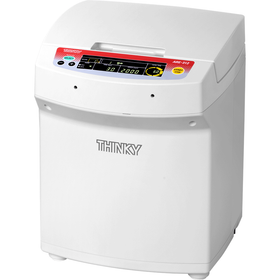
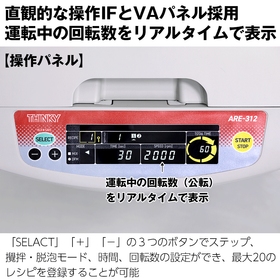
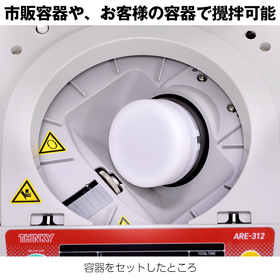
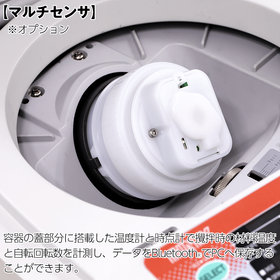
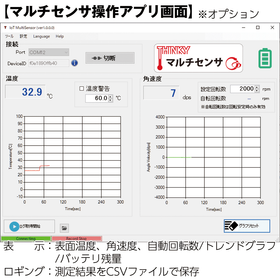
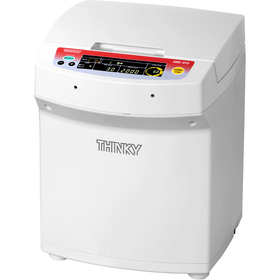
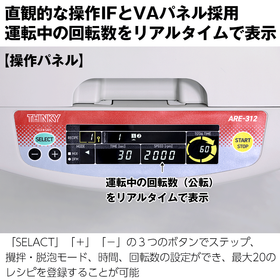
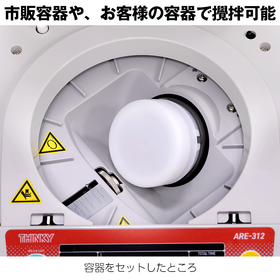
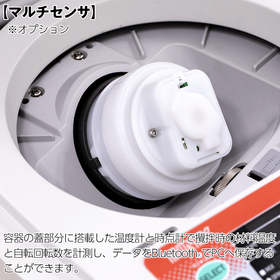
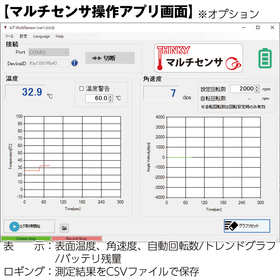
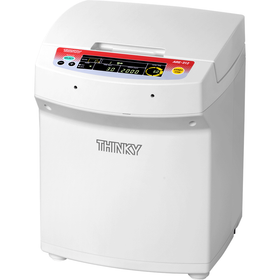
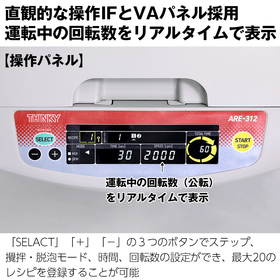
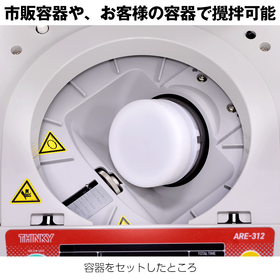
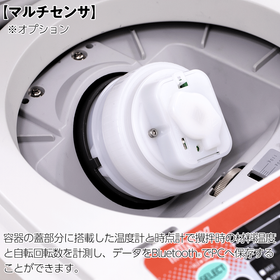
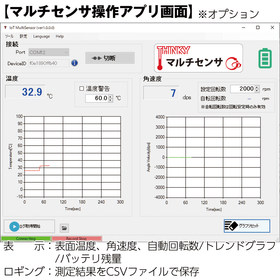
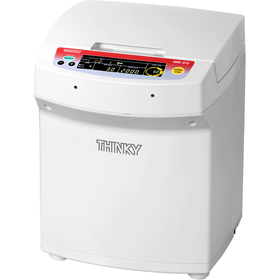
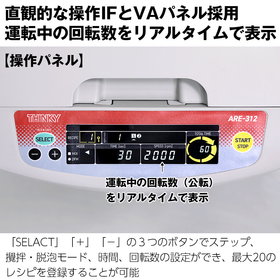
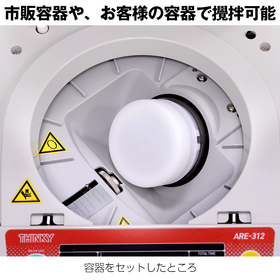
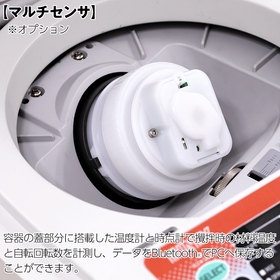
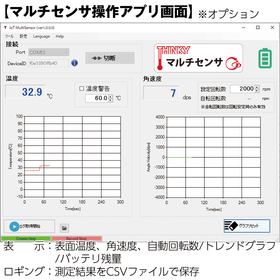
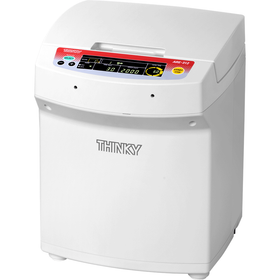
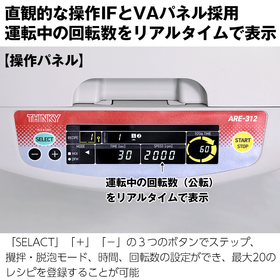
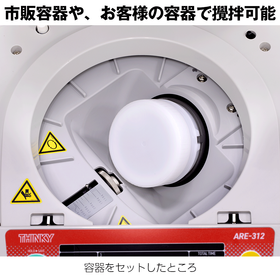
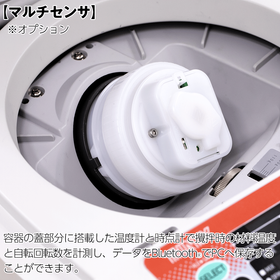
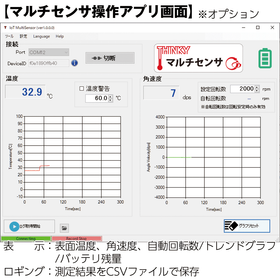
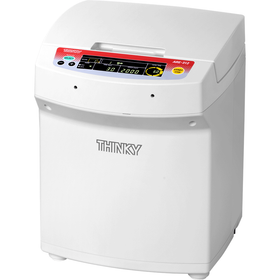
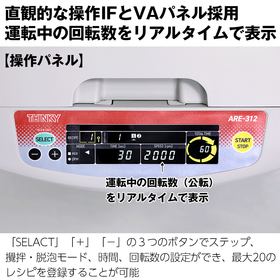
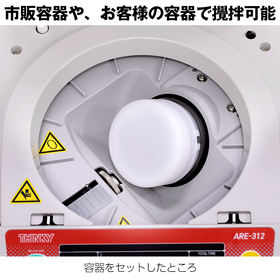
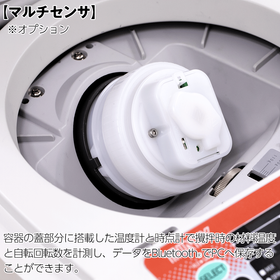
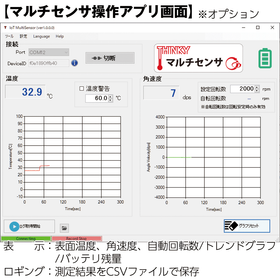
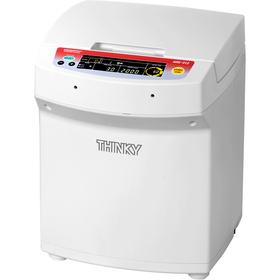
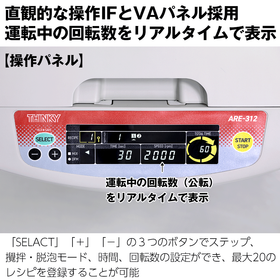
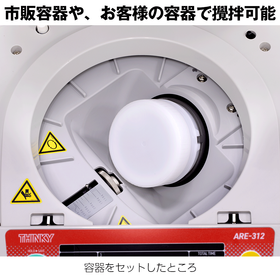
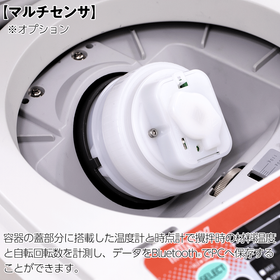
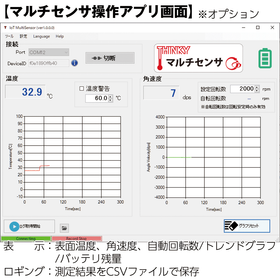
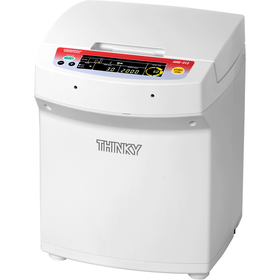
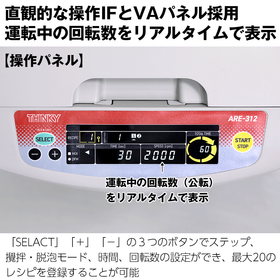
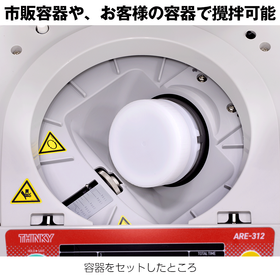
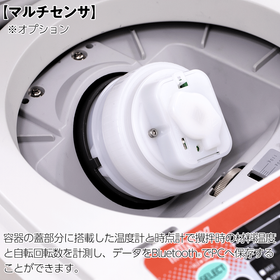
Improved stirring and degassing capabilities; a rotational and orbital mixer that realizes IoT stirring and degassing processes with a dedicated app. Seminar and demonstration to be held in Hakata on ...
- Mixer/agitator
New release! Improved stirring and degassing capabilities, this is a rotational and orbital mixer that realizes IoT stirring and degassing processing with a dedicated app. [Free demo available]
- Mixer/agitator
【7/10|Tokyo】Choose Your Own! Awatori Rentaro Seminar
We will provide not only the basic content of Awatori Rentaro but also the latest information. Additionally, in the "Legal Voluntary Inspection and Basic Maintenance Course," you will have the opportunity to experience basic maintenance such as round belt replacement and legal voluntary inspections (regular voluntary inspections). The capacity for each seminar varies, so please apply early! 【Content】 - Understand the mixing mechanism and examples of Awatori Rentaro - Introduction of the latest automation models, cooling gadgets, and syringe filling technology - Round belt replacement experience is popular! Maintenance training - Individual consultation sessions will be held at the venue! You can also observe actual machines at the Shinki headquarters lab.
Automation of the mixing and defoaming process with the combination of Awatori Rentaro and a robotic arm!
- Mixer/agitator
- Rotating/revolving mixer
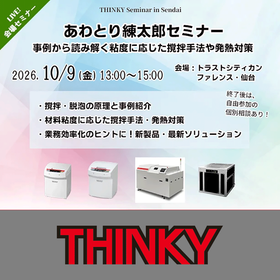
【1/23 | Hakata】Stirring and Defoaming Principles and Legal Self-Inspection Explanation Seminar
The first Shinky Seminar of 2026 will be held in Hakata! In this seminar, we will clearly explain the basic principles of mixing and de-aeration using a planetary mixer, tips for recipe settings essential for material optimization, and methods for temperature management utilizing communication functions. Additionally, we will discuss the "mandatory self-inspection" required for the centrifugal machine known as Awatori Nentaro. This content is highly recommended for those considering the introduction of Awatori Nentaro and for current users. ■ Basic principles of Awatori Nentaro and key points for recipe settings ■ New application that enables temperature management of materials during mixing ■ Material dispersion and de-agglomeration made possible with Awatori Nentaro! Dispersion and de-agglomeration kit (demonstration planned) ■ Detailed explanation of the mandatory self-inspection for centrifugal machines ■ Introduction of new products (atmospheric large-scale device 4 liters x 2 units / automation-compatible concept model) We plan to showcase products within the venue. After the seminar, we will hold a free participation individual consultation session. We look forward to your applications.