136~180 item / All 188 items
Displayed results
Filter by category

Added to bookmarks
Bookmarks listBookmark has been removed
Bookmarks listYou can't add any more bookmarks
By registering as a member, you can increase the number of bookmarks you can save and organize them with labels.
Free membership registration
Contact this company
Inquiry FormBefore making an inquiry
Download Profile136~180 item / All 188 items
Filter by category
In the aerospace machinery field, it is essential to properly manage design data, parts lists, manufacturing information, and related documents, and to accurately communicate design changes of products with complex configurations to the relevant departments. Dispersed information and inadequate management can lead to rework, development delays, and increased costs. Core Concept Technology × aras INNOVATOR supports the digital transformation (DX) of the entire engineering chain through the establishment of Product Lifecycle Management (PLM). 【Usage Scenarios】 - Centralized management of design data and parts lists - Sharing of design change information and history management - Information collaboration between development and manufacturing departments 【Benefits of Implementation】 - Improved accuracy of change management - Rapid reflection of design changes - Enhanced efficiency of BOM management
Added to bookmarks
Bookmarks listBookmark has been removed
Bookmarks listYou can't add any more bookmarks
By registering as a member, you can increase the number of bookmarks you can save and organize them with labels.
Free membership registration
In the field of energy facilities, it is essential to properly manage design data, parts lists, and related documents involved in plant design and equipment management, and to swiftly and accurately communicate specification changes to relevant departments. Dispersed information and inadequate management can lead to project delays and increased costs. Core Concept Technology × aras INNOVATOR supports the digital transformation (DX) of the entire engineering chain through the establishment of Product Lifecycle Management (PLM). 【Usage Scenarios】 - Centralized management of plant design data - Sharing of specification change information and history management - Strengthening collaboration on related documents between departments 【Benefits of Implementation】 - Rapid reflection of specification changes - Reduction of lead time - Improved efficiency in information management
Added to bookmarks
Bookmarks listBookmark has been removed
Bookmarks listYou can't add any more bookmarks
By registering as a member, you can increase the number of bookmarks you can save and organize them with labels.
Free membership registration
In the medical device field, it is essential to properly manage design data, bill of materials, manufacturing information, and related documents, and to quickly and accurately communicate design changes to relevant departments. Dispersed information and delays in collaboration can lead to rework, development delays, and increased costs. Core Concept Technology × aras INNOVATOR supports the digital transformation (DX) of the entire engineering chain through the establishment of Product Lifecycle Management (PLM). 【Usage Scenarios】 - Management of design data for medical devices - Sharing of design change information and history management - Centralized management of bill of materials and related documents 【Benefits of Implementation】 - Prevention of missed updates - Rapid reflection of design changes - Improved efficiency in BOM management
Added to bookmarks
Bookmarks listBookmark has been removed
Bookmarks listYou can't add any more bookmarks
By registering as a member, you can increase the number of bookmarks you can save and organize them with labels.
Free membership registration
In the field of packaging machinery, it is essential to properly manage design data, bill of materials, manufacturing information, and related documents, and to quickly and accurately communicate specification changes and design revisions to the relevant departments. Dispersed information and delays in revision management can lead to rework, delivery delays, and increased costs. Core Concept Technology × aras INNOVATOR supports the digital transformation (DX) of the entire engineering chain through PLM implementation. 【Usage Scenarios】 - Centralized management of design data and bill of materials - Sharing of specification change information and history management - Strengthening collaboration on related documents between departments 【Benefits of Implementation】 - Prevention of revision omissions - Rapid reflection of design changes - Streamlining of information management
Added to bookmarks
Bookmarks listBookmark has been removed
Bookmarks listYou can't add any more bookmarks
By registering as a member, you can increase the number of bookmarks you can save and organize them with labels.
Free membership registration
In the field of food manufacturing equipment, it is essential to properly manage design data, bill of materials, manufacturing information, and related documents, and to swiftly and accurately communicate specification changes and design revisions to relevant departments. Dispersed information and inadequate history management can lead to rework, delays in delivery, and increased costs. Core Concept Technology × aras INNOVATOR supports the digital transformation (DX) of the entire engineering chain through the establishment of Product Lifecycle Management (PLM). 【Usage Scenarios】 - Centralized management of design data and bill of materials - Sharing of specification change information and history management - Strengthening collaboration on related documents between departments 【Benefits of Implementation】 - Prevention of missed updates - Rapid reflection of design changes - Increased efficiency in information management.
Added to bookmarks
Bookmarks listBookmark has been removed
Bookmarks listYou can't add any more bookmarks
By registering as a member, you can increase the number of bookmarks you can save and organize them with labels.
Free membership registration
In the field of valve and piping equipment, it is essential to properly manage design data, bill of materials, manufacturing information, and related documents, and to quickly and accurately communicate specification changes and design revisions to relevant departments. Dispersed information and delays in revision management can lead to rework, delivery delays, and increased costs. Core Concept Technology × aras INNOVATOR supports the digital transformation (DX) of the entire engineering chain through the establishment of Product Lifecycle Management (PLM). 【Usage Scenarios】 - Centralized management of design data and bill of materials - Sharing of specification change information and history management - Information collaboration including procurement and manufacturing departments 【Benefits of Implementation】 - Prevention of missed revisions - Rapid reflection of design changes - Streamlining of information management
Added to bookmarks
Bookmarks listBookmark has been removed
Bookmarks listYou can't add any more bookmarks
By registering as a member, you can increase the number of bookmarks you can save and organize them with labels.
Free membership registration
In the field of industrial pumps, it is essential to properly manage design data, bill of materials, manufacturing information, and related documents, and to quickly and accurately communicate specification changes and design revisions to relevant departments. Dispersed information and delays in update management can lead to rework, delivery delays, and increased costs. Core Concept Technology × aras INNOVATOR supports the digital transformation (DX) of the entire engineering chain through the establishment of Product Lifecycle Management (PLM). 【Usage Scenarios】 - Centralized management of design data and bill of materials - Sharing of specification change information and history management - Information collaboration including procurement and manufacturing departments 【Benefits of Implementation】 - Prevention of missed updates - Rapid reflection of design changes - Improved efficiency in information management
Added to bookmarks
Bookmarks listBookmark has been removed
Bookmarks listYou can't add any more bookmarks
By registering as a member, you can increase the number of bookmarks you can save and organize them with labels.
Free membership registration
In the field of air conditioning and refrigeration equipment, it is essential to properly manage design data, parts lists, manufacturing information, and related documents, and to quickly and accurately communicate specification changes and design revisions to relevant departments. Dispersed information and inadequate history management can lead to rework, delays in delivery, and increased costs. Core Concept Technology × aras INNOVATOR supports the digital transformation (DX) of the entire engineering chain through the establishment of Product Lifecycle Management (PLM). 【Usage Scenarios】 - Centralized management of design data and parts lists - Sharing of specification change information and history management - Information collaboration between development and manufacturing departments 【Benefits of Implementation】 - Prevention of revision omissions - Rapid reflection of design changes - Improved efficiency in information management
Added to bookmarks
Bookmarks listBookmark has been removed
Bookmarks listYou can't add any more bookmarks
By registering as a member, you can increase the number of bookmarks you can save and organize them with labels.
Free membership registration
In the field of optical equipment, it is essential to properly manage design data, parts lists, manufacturing information, and related documents, and to swiftly and accurately communicate specification changes and design revisions to the relevant departments. Dispersed information and inadequate history management can lead to rework, development delays, and increased costs. Core Concept Technology × aras INNOVATOR supports the digital transformation (DX) of the entire engineering chain through PLM implementation. 【Usage Scenarios】 - Centralized management of design data and parts lists - Sharing of specification change information and history management - Information collaboration between development and manufacturing departments 【Benefits of Implementation】 - Prevention of update omissions - Rapid reflection of design changes - Increased efficiency in information management
Added to bookmarks
Bookmarks listBookmark has been removed
Bookmarks listYou can't add any more bookmarks
By registering as a member, you can increase the number of bookmarks you can save and organize them with labels.
Free membership registration
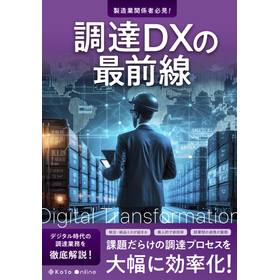
This document provides a thorough explanation of procurement operations in the digital age. It explains the differences between a typical procurement workflow and the workflow when procurement DX is implemented. It also introduces the specific effects brought about by procurement DX. The content is designed to be easy to reference, so please feel free to download and take a look. [Contents] ■ Overview of Procurement DX ■ What is Procurement DX? ■ Effects of Procurement DX *For more details, please download the PDF or feel free to contact us.
Added to bookmarks
Bookmarks listBookmark has been removed
Bookmarks listYou can't add any more bookmarks
By registering as a member, you can increase the number of bookmarks you can save and organize them with labels.
Free membership registration
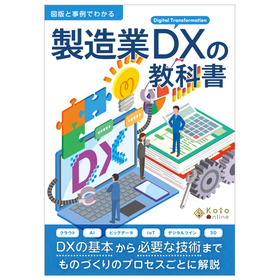
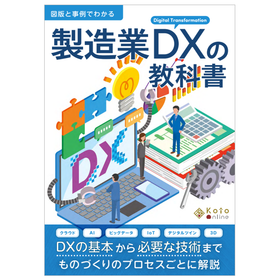
This document explains the overview and necessity of DX in the manufacturing industry, as well as introduces what can be achieved through manufacturing DX. It provides a detailed explanation of the differences between DX and IT implementation, examples of smart factory images, and the reasons why manufacturing DX is necessary. It also includes examples of improved traceability due to the introduction of DX, making it easy to reference. Please take a look. [Contents] ■ The necessity of manufacturing DX - What is manufacturing DX? - Why is manufacturing DX necessary? - What can be achieved through manufacturing DX? *For more details, please download the PDF or feel free to contact us.
Added to bookmarks
Bookmarks listBookmark has been removed
Bookmarks listYou can't add any more bookmarks
By registering as a member, you can increase the number of bookmarks you can save and organize them with labels.
Free membership registration
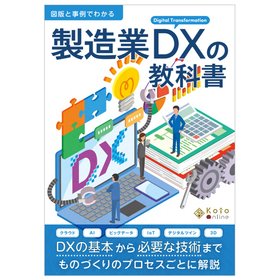
In the metal industry, there is a demand for digital transformation (DX) in manufacturing due to factors such as a declining labor force, aging existing systems, and increasing product complexity. This document organizes the overview and necessity of DX in manufacturing, explaining the required technologies and concepts for each process of manufacturing, including procurement, production, logistics, and sales. It also clearly presents what can be achieved through DX, incorporating case studies from various companies. 【Usage Scenarios】 - Procurement and inventory management of metal resources - Visualization of resource utilization in the manufacturing process - Promotion of waste reduction and recycling 【Effects of Implementation】 - Improved resource utilization efficiency - Cost reduction - Enhanced traceability
Added to bookmarks
Bookmarks listBookmark has been removed
Bookmarks listYou can't add any more bookmarks
By registering as a member, you can increase the number of bookmarks you can save and organize them with labels.
Free membership registration
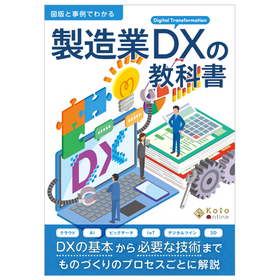
In the semiconductor industry, improving yield is a critical issue directly linked to profitability. It is essential to suppress the occurrence of defective products in the manufacturing process and to efficiently produce high-quality products. DX (Digital Transformation) in manufacturing contributes to solving this challenge. This document explains the overview and necessity of DX in manufacturing and introduces examples that lead to improved yield. It also includes the differences between DX and IT transformation, as well as examples of smart factories. Please take a look. 【Usage Scenarios】 - Visualization of manufacturing processes - Data-driven improvements - Enhanced traceability 【Effects of Implementation】 - Reduction of defective products - Improvement of production efficiency - Stabilization of quality
Added to bookmarks
Bookmarks listBookmark has been removed
Bookmarks listYou can't add any more bookmarks
By registering as a member, you can increase the number of bookmarks you can save and organize them with labels.
Free membership registration
In the chemical industry, it is important to maintain a stable production system while thoroughly implementing quality control and responding quickly to changes. In particular, visualizing the entire process, utilizing data, and strengthening traceability are essential for promoting continuous improvement. This document organizes the overview and necessity of DX (Digital Transformation) in manufacturing and explains the necessary technologies and concepts for each process of manufacturing, such as procurement, production, logistics, and sales. It also introduces the differences between DX and IT transformation, the concept of smart factories, and case studies of companies. 【Utilization Scenes】 - Streamlining manufacturing processes in chemical plants - Strengthening quality control - Data-driven decision-making 【Effects of Implementation】 - Early detection of issues through process visualization - Improved production efficiency - Stabilization of quality
Added to bookmarks
Bookmarks listBookmark has been removed
Bookmarks listYou can't add any more bookmarks
By registering as a member, you can increase the number of bookmarks you can save and organize them with labels.
Free membership registration
In the food industry, it is important to manage information seamlessly from the acceptance of raw materials to manufacturing and shipping, aiming for both quality stability and on-site improvements. By utilizing records and data from each process, it becomes easier to grasp the situation and facilitate continuous improvement. This document organizes the basics and necessity of DX (Digital Transformation) in manufacturing and explains how to advance DX in various processes such as procurement, manufacturing, logistics, and sales. It also introduces the differences between DX and IT implementation, the concept of smart factories, and case studies from companies. 【Usage Scenarios】 - Strengthening information management in the food manufacturing process - Improving traceability from raw material procurement to manufacturing and distribution - Reducing risks of foreign matter contamination and expired products 【Benefits of Implementation】 - Enhanced food safety - Increased corporate reliability - Compliance with regulations
Added to bookmarks
Bookmarks listBookmark has been removed
Bookmarks listYou can't add any more bookmarks
By registering as a member, you can increase the number of bookmarks you can save and organize them with labels.
Free membership registration
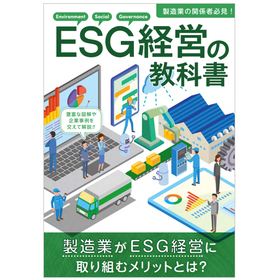
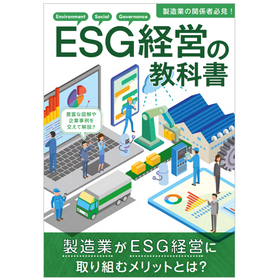
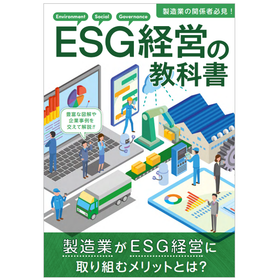
This document explains the basic concepts of ESG management and the benefits for the manufacturing industry in engaging in ESG management. ESG management is believed to contribute to enhancing a company's image and risk management, and is thought to improve long-term corporate value. Each element of environment, society, and corporate governance is introduced in detail. Please feel free to download and take a look. [Contents] ■ ESG Management and the Manufacturing Industry - Overview of ESG Management - Benefits of ESG Management for the Manufacturing Industry *For more details, please download the PDF or feel free to contact us.
Added to bookmarks
Bookmarks listBookmark has been removed
Bookmarks listYou can't add any more bookmarks
By registering as a member, you can increase the number of bookmarks you can save and organize them with labels.
Free membership registration
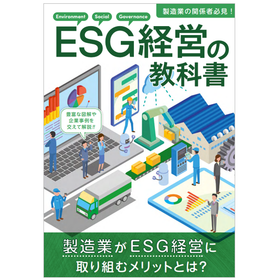
In the infrastructure industry, it is important to address the risks of business interruption due to natural disasters, accidents, and aging equipment. ESG management helps ensure stable business operations, social trust, and the establishment of a sustainable management foundation. This document clearly explains the basic concepts of ESG management, as well as the benefits of its implementation in the infrastructure sector. It introduces ideas for enhancing corporate resilience, gaining trust from stakeholders, and improving long-term corporate value through disaster preparedness, business continuity planning (BCP), and strengthened risk management. 【Usage Scenarios】 - Disaster Preparedness - Business Continuity Planning - Risk Management 【Effects of Implementation】 - Improved Corporate Resilience - Gained Trust from Stakeholders - Increased Long-term Corporate Value
Added to bookmarks
Bookmarks listBookmark has been removed
Bookmarks listYou can't add any more bookmarks
By registering as a member, you can increase the number of bookmarks you can save and organize them with labels.
Free membership registration
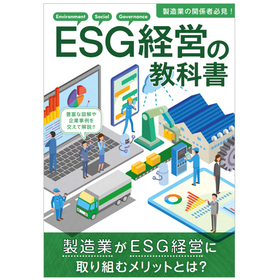
In the energy industry, including renewable energy businesses, responding to ESG (Environmental, Social, and Governance) is becoming increasingly important for achieving a sustainable society. It is particularly necessary not only to reduce environmental impact but also to coexist with local communities, provide appropriate information disclosure, and prepare for business risks. ESG management not only enhances corporate credibility and improves evaluations from investors but also contributes to strengthening the long-term business foundation. This document clearly explains the basic concepts of ESG management, as well as the benefits of implementation and practical considerations in the energy industry. 【Usage Scenarios】 - Promotion of ESG management for renewable energy businesses - Information disclosure to ESG investors - Corporate CSR activities 【Effects of Implementation】 - Improvement of corporate image - Strengthening of risk management - Enhancement of long-term corporate value
Added to bookmarks
Bookmarks listBookmark has been removed
Bookmarks listYou can't add any more bookmarks
By registering as a member, you can increase the number of bookmarks you can save and organize them with labels.
Free membership registration
In the chemical industry, there is a greater demand than ever for ensuring product safety, reducing environmental impact, and enhancing chemical substance management. Furthermore, addressing ESG risks across the entire supply chain, including procurement sources and business partners, is also important. ESG management not only strengthens compliance with laws and risk management but also leads to gaining trust from stakeholders and enhancing corporate value. This document clearly explains the basic concepts of ESG management, the benefits of its implementation in the chemical industry, and practical approaches. 【Usage Scenarios】 * Safety management of chemical substances * Efforts to reduce environmental impact * ESG risk management in the supply chain 【Effects of Implementation】 * Improvement of corporate reputation * Enhanced evaluation from investors * Creation of new business opportunities
Added to bookmarks
Bookmarks listBookmark has been removed
Bookmarks listYou can't add any more bookmarks
By registering as a member, you can increase the number of bookmarks you can save and organize them with labels.
Free membership registration
In the steel industry, effective resource utilization and reduction of environmental impact, along with addressing decarbonization, have become important management issues. ESG management not only supports sustainable business operations but also leads to the reduction of environmental risks, improved evaluations from business partners and investors, and an increase in long-term corporate value. This document clearly explains the basic concepts of ESG management, the benefits of its implementation in the steel industry, and the thinking necessary to promote resource circulation and environmental responses. 【Usage Scenarios】 - Want to promote the recycling of resources - Want to reduce environmental impact - Want to improve the company's image 【Effects of Implementation】 - Improved resource efficiency - Reduced environmental risks - Increased corporate value
Added to bookmarks
Bookmarks listBookmark has been removed
Bookmarks listYou can't add any more bookmarks
By registering as a member, you can increase the number of bookmarks you can save and organize them with labels.
Free membership registration
In the semiconductor supply chain, in addition to reducing environmental impact, considerations for labor practices, strengthening governance systems, and compliance measures involving business partners have become important. ESG management not only addresses these issues but also leads to greater visibility and transparency across the entire supply chain, as well as gaining trust from investors and business partners. This document clearly explains the basic concepts of ESG management, the benefits of its implementation in the semiconductor supply chain, and the approach to risk management. 【Usage Scenarios】 - Want to visualize the environmental impact of the entire supply chain - Want to reduce compliance risks - Want to improve the company's reputation 【Effects of Implementation】 - Transparency across the entire supply chain is enhanced - Evaluation from investors improves - New business opportunities arise
Added to bookmarks
Bookmarks listBookmark has been removed
Bookmarks listYou can't add any more bookmarks
By registering as a member, you can increase the number of bookmarks you can save and organize them with labels.
Free membership registration
In the automotive industry, efforts toward decarbonization and improving sustainability across the entire supply chain are being demanded. Responding to ESG management is not only about reducing environmental impact and advancing risk management, but it is also a crucial element that leads to gaining trust from investors and stakeholders, as well as enhancing corporate value. This document will clearly explain the basic concepts of ESG management and the benefits of its implementation in the automotive industry. [Usage Scenarios] - Efforts to reduce environmental impact by automotive manufacturers - Improvement of sustainability across the entire supply chain - Enhancement of corporate image and risk management [Effects of Implementation] - Long-term value enhancement for companies - Improved evaluation from investors - Gaining trust from stakeholders
Added to bookmarks
Bookmarks listBookmark has been removed
Bookmarks listYou can't add any more bookmarks
By registering as a member, you can increase the number of bookmarks you can save and organize them with labels.
Free membership registration
In the electrical equipment industry, improving resource efficiency has become important from the perspectives of cost reduction, environmental impact reduction, and enhancing corporate value. ESG management is a crucial concept for addressing these challenges and supporting sustainable business operations. This document clearly explains the basic concepts of ESG management and the benefits of improving resource efficiency and addressing environmental issues in the electrical equipment industry. 【Usage Scenarios】 - Companies aiming for effective resource utilization - Companies interested in reducing environmental impact - Companies looking to enhance their corporate image 【Effects of Implementation】 - Improved resource efficiency - Reduced environmental impact - Enhanced corporate image
Added to bookmarks
Bookmarks listBookmark has been removed
Bookmarks listYou can't add any more bookmarks
By registering as a member, you can increase the number of bookmarks you can save and organize them with labels.
Free membership registration
In the machinery industry, efforts toward energy conservation have become one of the important management challenges. Reducing environmental impact is essential for enhancing corporate sustainability and strengthening competitiveness. ESG management is not only about addressing these challenges but also an important concept that leads to risk management and improving corporate value. This document will clearly explain the basic concepts of ESG management and the benefits of promoting energy conservation and environmental considerations in the machinery industry. 【Usage Scenarios】 - Introduction of energy-saving equipment - Improvement of energy efficiency - Development of environmentally friendly products 【Effects of Implementation】 - Enhancement of corporate environmental value - Cost reduction - Improvement of corporate image
Added to bookmarks
Bookmarks listBookmark has been removed
Bookmarks listYou can't add any more bookmarks
By registering as a member, you can increase the number of bookmarks you can save and organize them with labels.
Free membership registration
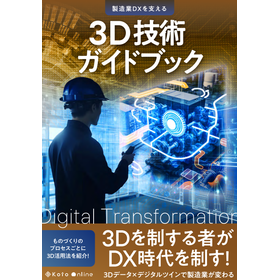
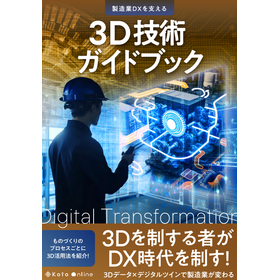
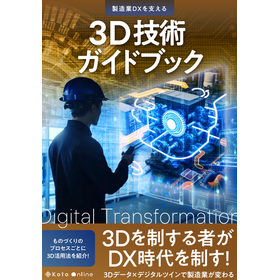
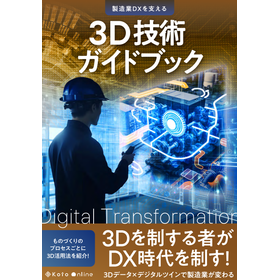
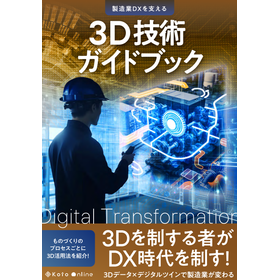
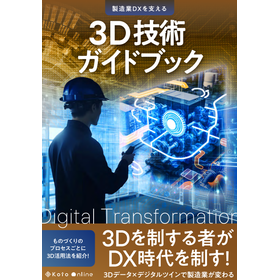
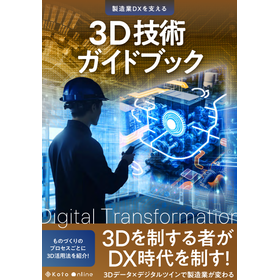
In this document, we introduce the utilization of 3D technology for each stage of the manufacturing process. In recent years, with the trend of digital transformation (DX), the wave of digitalization is also sweeping through the supply chain. Among these, the digital twin system is gaining particular attention. We explain the overview of 3D technology, which plays a central role in realizing digital twins, as well as the business benefits, so please take a moment to read it. 【Contents】 ■ The Importance of 3D Technology in Manufacturing - Digital twins that eliminate the dependence on individuals in manufacturing - Essential 3D technology for building digital twins - Improvement of productivity and efficiency through 3D technology *For more details, please download the PDF or feel free to contact us.
Added to bookmarks
Bookmarks listBookmark has been removed
Bookmarks listYou can't add any more bookmarks
By registering as a member, you can increase the number of bookmarks you can save and organize them with labels.
Free membership registration
In the prototype stage of the automotive industry, a quick response to design changes and the creation of high-precision prototypes are required. 3D technology contributes to solving these challenges. By utilizing 3D data and digital twins, it streamlines verification during the design phase, leading to a reduction in the number of prototypes and a shortening of lead times. 【Usage Scenarios】 - Design reviews using 3D data - Simulations during the prototype stage using digital twins - Creation of prototypes using 3D printers 【Benefits of Implementation】 - Early detection of design errors - Reduction in prototype costs - Shortening of development periods
Added to bookmarks
Bookmarks listBookmark has been removed
Bookmarks listYou can't add any more bookmarks
By registering as a member, you can increase the number of bookmarks you can save and organize them with labels.
Free membership registration
In the aerospace field, reducing the weight of aircraft is an important theme that leads to improved fuel efficiency and cost reduction. 3D technology contributes to solving these challenges through the optimization of component shapes and the efficiency of manufacturing processes. By enhancing simulation accuracy during the design phase, it supports a reduction in the number of prototypes and promotes the lightweighting of products. This document introduces the specific benefits and case studies of 3D technology in the aerospace sector. 【Application Scenarios】 - Design and manufacturing of aircraft components - Optimization of lightweight design - Efficiency of manufacturing processes 【Effects of Implementation】 - Improved fuel efficiency through weight reduction of components - Shortened design and manufacturing periods - Cost reduction
Added to bookmarks
Bookmarks listBookmark has been removed
Bookmarks listYou can't add any more bookmarks
By registering as a member, you can increase the number of bookmarks you can save and organize them with labels.
Free membership registration
In the medical device industry, precise design and manufacturing are essential to ensure quality and safety. Particularly for products with complex shapes and fine structures, utilizing 3D technology for design verification and optimization of the manufacturing process is crucial. Any deficiencies in design or manufacturing can lead to decreased product performance and potential risks to patients. This document provides a clear explanation of the overview of 3D technology and its effects in the business context. 【Application Scenarios】 - Design and development of precision medical devices - Visualization of manufacturing processes using digital twins - Prototyping and manufacturing utilizing 3D printers 【Effects of Implementation】 - Early detection of errors in the design phase - Streamlining of manufacturing processes and cost reduction - Improvement in product quality and reduction in time to market
Added to bookmarks
Bookmarks listBookmark has been removed
Bookmarks listYou can't add any more bookmarks
By registering as a member, you can increase the number of bookmarks you can save and organize them with labels.
Free membership registration
In the mold industry, it is important to efficiently advance a series of processes from design to manufacturing and maintenance. Especially in situations where complex-shaped molds are handled, the use of 3D data is indispensable. 3D technology aids in visualization during the design phase, simulation in the manufacturing process, and efficiency in maintenance operations. This document introduces how 3D technology can be utilized in mold manufacturing and explains the points that lead to improved operational efficiency. 【Utilization Scenes】 - Use of 3D data in mold design - Use of digital twins in the manufacturing process - Use of 3D data in maintenance 【Effects of Implementation】 - Reduction of design errors - Shortening of manufacturing time - Reduction of maintenance costs
Added to bookmarks
Bookmarks listBookmark has been removed
Bookmarks listYou can't add any more bookmarks
By registering as a member, you can increase the number of bookmarks you can save and organize them with labels.
Free membership registration
In the machine tool industry, improving production efficiency and stabilizing quality are important themes. In particular, for machining complex-shaped parts, accurate shape understanding at the design stage and maintaining precision during the manufacturing process are essential. 3D technology addresses these challenges through the use of digital twins, helping to optimize the entire manufacturing process. This document explains the overview of 3D technology and specific applications in the machine tool field. 【Application Scenarios】 - Utilization of 3D data in the design and manufacturing processes of machine tools - Simulation and optimization of manufacturing lines using digital twins - Quality control and inspection of parts utilizing 3D technology 【Benefits of Implementation】 - Reduction of rework through shape verification at the design stage - Visualization and efficiency improvement of the manufacturing process - Enhanced accuracy in quality control and reduction of defect rates
Added to bookmarks
Bookmarks listBookmark has been removed
Bookmarks listYou can't add any more bookmarks
By registering as a member, you can increase the number of bookmarks you can save and organize them with labels.
Free membership registration
In the shipbuilding industry, as ships are becoming larger, the efficiency of the design and manufacturing processes has become crucial. In particular, the use of 3D technology is essential for hull designs with complex structures and for the precise manufacturing of parts. 3D technology enhances visualization during the design phase and helps reduce errors in the manufacturing process. This document explains how to build digital twins using 3D technology and how to improve productivity and efficiency. 【Application Scenarios】 - Streamlining hull design - Improving the precision of parts manufacturing - Simulation using digital twins 【Benefits of Implementation】 - Shortening design periods - Reducing manufacturing costs - Enhancing quality
Added to bookmarks
Bookmarks listBookmark has been removed
Bookmarks listYou can't add any more bookmarks
By registering as a member, you can increase the number of bookmarks you can save and organize them with labels.
Free membership registration
We would like to introduce a case study of the implementation of "Orizuru 3D" at Misumi Group Headquarters, Inc. The company faced a shortage of 3D shape processing technology in the development of its AI platform "meviy," aimed at reducing the time required for customer procurement of machine parts. To accelerate development and promote in-house production, a joint venture company called "DT Dynamics" was established. A mixed scrum team consisting of employees from CCT and DT Dynamics was formed to facilitate technology transfer. [Case Overview] ■ Issues and Requests: As a user issue, in the procurement area where many analog processes remain, there was a significant waste of effort and time in drafting from 3D data to 2D drawings and in estimating. ■ Solutions: - Joint development of a 3D-based UI and AI automatic estimation using the shape processing technology cultivated with Orizuru. - Formation of a large-scale development team utilizing Ohgi. *For more details, please download the PDF or feel free to contact us.
Added to bookmarks
Bookmarks listBookmark has been removed
Bookmarks listYou can't add any more bookmarks
By registering as a member, you can increase the number of bookmarks you can save and organize them with labels.
Free membership registration
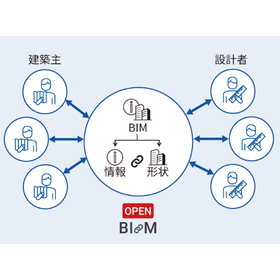
We would like to introduce a case study of the implementation of "Orizuru 3D" at Takenaka Corporation. As we advance digitalization to improve and stabilize design quality, there was a request to realize advanced simulations and multifaceted design verifications in order to make better proposals to our clients more quickly. After the implementation, architects, structural engineers, and equipment designers were able to conduct various verifications and simulations simultaneously, enabling them to provide high-value proposals to clients swiftly. [Case Overview (Partial)] ■ Issues and Requests - Since we have agreements with clients based on design documents, general BIM cannot provide beneficial information for decision-making in digital data. - We want to establish an environment where we can link and manage 3D BIM models (shapes) with data (information) such as finishes and specifications for each room. *For more details, please download the PDF or feel free to contact us.
Added to bookmarks
Bookmarks listBookmark has been removed
Bookmarks listYou can't add any more bookmarks
By registering as a member, you can increase the number of bookmarks you can save and organize them with labels.
Free membership registration
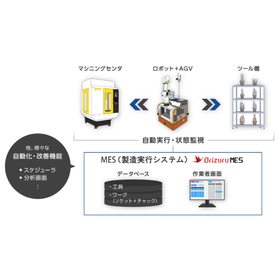
We would like to introduce a case study of the implementation of "Orizuru MES" at Yokoo Co., Ltd., which engages in the development, manufacturing, and sales of electronic components. The company faced limitations in productivity as manual operations could not be conducted during nighttime and holidays, resulting in a maximum operating rate of only 40%. To address this, they established an unmanned line that operates automatically during nighttime and holidays without the need for human intervention. This led to an increase in the operating rate from the previous maximum of 40% to over 80%, significantly boosting processing output. [Case Overview (Partial)] ■Challenges and Requests - The transportation and installation of work and tool sets to the processing machines on the semiconductor fixture manufacturing line were done manually. - Structural challenges faced by the manufacturing industry, such as the difficulty of technology transfer and a shortage of personnel, had become apparent. *For more details, please download the PDF or feel free to contact us.
Added to bookmarks
Bookmarks listBookmark has been removed
Bookmarks listYou can't add any more bookmarks
By registering as a member, you can increase the number of bookmarks you can save and organize them with labels.
Free membership registration
Streamlining design efficiency in the manufacturing industry is a critical issue directly linked to the speed and cost of product development. If there are inefficiencies in the process, such as taking too long to create 2D drawings and estimates from 3D data, it can lead to a decrease in competitiveness. Orizuru 3D addresses these challenges by utilizing 3D shape processing technology to enhance the design process. 【Use Cases】 - Reduction of time for creating 2D drawings from 3D data - Realization of automatic estimates using AI - Streamlining design and procurement operations 【Benefits of Implementation】 - Elimination of the need for 2D drawing creation, reducing procurement operations by 92% - Shortening of design periods - Acceleration of development through in-house core technology production
Added to bookmarks
Bookmarks listBookmark has been removed
Bookmarks listYou can't add any more bookmarks
By registering as a member, you can increase the number of bookmarks you can save and organize them with labels.
Free membership registration
In the aerospace industry, strict quality inspections are required to ensure the safety and reliability of products. Particularly in the inspection of parts with complex shapes, the use of 3D data is essential. Converting 3D data to 2D drawings and conducting manual inspections not only take time and incur costs but also carry the risk of human error. Orizuru 3D utilizes three-dimensional shape processing technology to realize an efficient quality inspection process based on 3D data. 【Usage Scenarios】 - Dimensional inspection of aircraft parts - Shape inspection of spacecraft components - Quality control in the manufacturing process 【Benefits of Implementation】 - Inspections can be conducted using only 3D data, eliminating the need for 2D drawing creation - Reduction in inspection time and costs - Improvement in inspection accuracy
Added to bookmarks
Bookmarks listBookmark has been removed
Bookmarks listYou can't add any more bookmarks
By registering as a member, you can increase the number of bookmarks you can save and organize them with labels.
Free membership registration
In the medical device industry, rapid response to design changes and shortening the time required for prototyping are crucial. By accurately reproducing shapes from 3D data and early detection of issues during the prototyping phase, we contribute to reducing development time and costs. Orizuru 3D eliminates the hassle of creating 2D drawings from 3D data, enabling rapid prototype production. 【Usage Scenarios】 - Prototyping of medical devices - Design verification - Shape confirmation during the prototyping phase 【Benefits of Implementation】 - Parts procurement is possible with only 3D data, eliminating the need for 2D drawings - Shortened development time - Cost reduction
Added to bookmarks
Bookmarks listBookmark has been removed
Bookmarks listYou can't add any more bookmarks
By registering as a member, you can increase the number of bookmarks you can save and organize them with labels.
Free membership registration
In the home appliance industry, design reviews require early evaluation of product shape and functionality to shorten development time. Converting 3D data to 2D drawings and conducting reviews on paper are time-consuming and labor-intensive, leading to decreased efficiency. Orizuru 3D enables design reviews using only 3D data, streamlining the review process. 【Usage Scenarios】 * Design reviews of home appliances * Confirmation of prototype shapes * Simulation of design changes 【Benefits of Implementation】 * Reviews can be conducted using only 3D data, eliminating the need for 2D drawings * Reduction in review time * Early detection and correction of design changes
Added to bookmarks
Bookmarks listBookmark has been removed
Bookmarks listYou can't add any more bookmarks
By registering as a member, you can increase the number of bookmarks you can save and organize them with labels.
Free membership registration
In the semiconductor manufacturing process, the 3D representation of design data is advancing, and there is a demand for improved efficiency in data collaboration during the manufacturing process. The conversion from 3D data to 2D drawings and the time required for creating estimates are challenges that lead to longer manufacturing lead times. Orizuru 3D utilizes 3D shape processing technology to address these issues. It enables direct procurement of parts from 3D data, contributing to the efficiency of the manufacturing process. 【Usage Scenarios】 - Procurement of parts from 3D data - Reduction of estimation time - Shortening of manufacturing lead times 【Benefits of Implementation】 - Elimination of the need for 2D drawing creation, leading to more efficient procurement operations - Reduction of development time - Strengthening of competitiveness through in-house core technology development
Added to bookmarks
Bookmarks listBookmark has been removed
Bookmarks listYou can't add any more bookmarks
By registering as a member, you can increase the number of bookmarks you can save and organize them with labels.
Free membership registration
In the energy industry, equipment maintenance is essential for stable operation, requiring rapid parts procurement and accurate information management. Particularly, procuring parts for aging equipment and identifying parts when drawings are not available pose challenges that consume significant time and costs. Orizuru 3D addresses these issues by quickly obtaining necessary information from 3D data and streamlining the parts procurement process. 【Use Cases】 - Parts procurement for aging equipment - Parts identification when drawings are unavailable - Parts arrangement from 3D data 【Benefits of Implementation】 - Elimination of the need for 2D drawing creation, leading to more efficient procurement operations - Reduction in parts procurement time - Contribution to stable operation of equipment
Added to bookmarks
Bookmarks listBookmark has been removed
Bookmarks listYou can't add any more bookmarks
By registering as a member, you can increase the number of bookmarks you can save and organize them with labels.
Free membership registration
In the steel industry, stable operation of equipment is essential, and rapid parts procurement and accurate information management are required. In particular, there are challenges in procuring parts for aging equipment and identifying parts when drawings are not available, which can take a lot of time and cost. Orizuru 3D addresses these challenges by quickly obtaining necessary information from 3D data and streamlining the parts procurement process. 【Usage Scenarios】 - Parts procurement for aging equipment - Parts identification when drawings are not available - Parts arrangement from 3D data 【Benefits of Implementation】 - Elimination of the need for 2D drawing creation, leading to more efficient procurement operations - Reduction in parts procurement time - Contribution to stable operation of equipment
Added to bookmarks
Bookmarks listBookmark has been removed
Bookmarks listYou can't add any more bookmarks
By registering as a member, you can increase the number of bookmarks you can save and organize them with labels.
Free membership registration
In the preservation of railway infrastructure, stable operation of equipment is essential, and rapid procurement of parts and accurate information management are required. In particular, there are challenges in procuring parts for aging equipment and identifying parts when no drawings are available, which can take a lot of time and cost. Orizuru 3D addresses these challenges by quickly obtaining necessary information from 3D data and streamlining the parts procurement process. 【Usage Scenarios】 - Parts procurement for aging equipment - Parts identification when there are no drawings - Parts arrangement from 3D data 【Benefits of Implementation】 - Elimination of the need for 2D drawing creation, leading to more efficient procurement operations - Reduction in parts procurement time - Contribution to stable operation of equipment
Added to bookmarks
Bookmarks listBookmark has been removed
Bookmarks listYou can't add any more bookmarks
By registering as a member, you can increase the number of bookmarks you can save and organize them with labels.
Free membership registration
In the shipbuilding industry, welding inspections require high quality and safety assurance. In particular, accurately inspecting welds in complex-shaped structures is a time-consuming and costly challenge. Orizuru 3D addresses these challenges by quickly obtaining necessary information from 3D data and streamlining the inspection process. 【Usage Scenarios】 - Confirmation of weld shapes - Creation of inspection records - Inspections from 3D data 【Benefits of Implementation】 - Reduction of inspection time - Improvement of inspection accuracy - Strengthening of quality control
Added to bookmarks
Bookmarks listBookmark has been removed
Bookmarks listYou can't add any more bookmarks
By registering as a member, you can increase the number of bookmarks you can save and organize them with labels.
Free membership registration
In the precision machinery industry, precise shape analysis is essential to guarantee the quality and performance of products. The use of 3D data is crucial for inspecting parts with complex shapes. Converting 3D data to 2D drawings and manual inspections not only take time and incur costs but also carry the risk of human error. Orizuru 3D utilizes three-dimensional shape processing technology to achieve an efficient quality inspection process based on 3D data. 【Usage Scenarios】 - Dimensional inspection of precision machine parts - Quality control in the manufacturing process 【Benefits of Implementation】 - Inspection can be conducted using only 3D data, eliminating the need for 2D drawing creation - Reduction in inspection time and costs - Improvement in inspection accuracy
Added to bookmarks
Bookmarks listBookmark has been removed
Bookmarks listYou can't add any more bookmarks
By registering as a member, you can increase the number of bookmarks you can save and organize them with labels.
Free membership registration
In the electronics industry, there is a demand for improved efficiency in manufacturing processes and enhanced quality. Particularly in low-volume, high-variety production and complex process management, real-time information sharing and quick decision-making are crucial. Delays in processes and quality issues can lead to increased costs and a loss of trust from customers. "Orizuru MES" supports a gradual transition to a smart factory while leveraging existing equipment and systems. 【Use Cases】 - Process management in electronics manufacturing - Visualization of productivity - Strengthening quality control 【Benefits of Implementation】 - Increased productivity through process optimization - Stabilization of quality - Reduction of waste
Added to bookmarks
Bookmarks listBookmark has been removed
Bookmarks listYou can't add any more bookmarks
By registering as a member, you can increase the number of bookmarks you can save and organize them with labels.
Free membership registration