iPROS Manufacturing
  • Search for products by classification category

    • Electronic Components and Modules
      Electronic Components and Modules
      60423items
    • Machinery Parts
      Machinery Parts
      75302items
    • Manufacturing and processing machinery
      Manufacturing and processing machinery
      101279items
    • Scientific and Physics Equipment
      Scientific and Physics Equipment
      35867items
    • Materials
      Materials
      37367items
    • Measurement and Analysis
      Measurement and Analysis
      55140items
    • Image Processing
      Image Processing
      15243items
    • Control and Electrical Equipment
      Control and Electrical Equipment
      53790items
    • Tools, consumables, and supplies
      Tools, consumables, and supplies
      64967items
    • Design and production support
      Design and production support
      12518items
    • IT/Network
      IT/Network
      44508items
    • Office
      Office
      14005items
    • Business support services
      Business support services
      24916items
    • Seminars and Skill Development
      Seminars and Skill Development
      6466items
    • Pharmaceutical and food related
      Pharmaceutical and food related
      32316items
    • others
      74255items
  • Search for companies by industry

    • Manufacturing and processing contract
      7333
    • others
      4994
    • Industrial Machinery
      4416
    • Machine elements and parts
      3297
    • Other manufacturing
      2882
    • IT/Telecommunications
      2552
    • Trading company/Wholesale
      2512
    • Industrial Electrical Equipment
      2305
    • Building materials, supplies and fixtures
      1816
    • software
      1642
    • Electronic Components and Semiconductors
      1563
    • Resin/Plastic
      1496
    • Service Industry
      1455
    • Testing, Analysis and Measurement
      1125
    • Ferrous/Non-ferrous metals
      984
    • environment
      698
    • Chemical
      631
    • Automobiles and Transportation Equipment
      566
    • Printing Industry
      510
    • Information and Communications
      459
    • Consumer Electronics
      412
    • Energy
      327
    • Rubber products
      314
    • Food Machinery
      307
    • Optical Instruments
      277
    • robot
      274
    • fiber
      250
    • Paper and pulp
      227
    • Pharmaceuticals and Biotechnology
      168
    • Electricity, Gas and Water Industry
      166
    • Warehousing and transport related industries
      147
    • Glass and clay products
      140
    • Food and Beverage
      129
    • CAD/CAM
      123
    • retail
      108
    • Medical Devices
      103
    • Educational and Research Institutions
      102
    • Ceramics
      98
    • wood
      88
    • Transportation
      82
    • Petroleum and coal products
      63
    • Medical and Welfare
      62
    • Shipbuilding and heavy machinery
      51
    • Aviation & Aerospace
      47
    • Fisheries, Agriculture and Forestry
      41
    • equipment
      33
    • Public interest/special/independent administrative agency
      31
    • Research and development equipment and devices
      28
    • Materials
      26
    • self-employed
      24
    • Government
      23
    • Mining
      17
    • Finance, securities and insurance
      13
    • cosmetics
      13
    • Individual
      10
    • Restaurants and accommodations
      9
    • Police, Fire Department, Self-Defense Forces
      7
    • Laboratory Equipment and Consumables
      4
    • Raw materials for reagents and chemicals
      3
    • Contracted research
      3
  • Special Features
  • Ranking

    • Overall Products Ranking
    • Overall Company Ranking
Search for Products
  • Search for products by classification category

  • Electronic Components and Modules
  • Machinery Parts
  • Manufacturing and processing machinery
  • Scientific and Physics Equipment
  • Materials
  • Measurement and Analysis
  • Image Processing
  • Control and Electrical Equipment
  • Tools, consumables, and supplies
  • Design and production support
  • IT/Network
  • Office
  • Business support services
  • Seminars and Skill Development
  • Pharmaceutical and food related
  • others
Search for Companies
  • Search for companies by industry

  • Manufacturing and processing contract
  • others
  • Industrial Machinery
  • Machine elements and parts
  • Other manufacturing
  • IT/Telecommunications
  • Trading company/Wholesale
  • Industrial Electrical Equipment
  • Building materials, supplies and fixtures
  • software
  • Electronic Components and Semiconductors
  • Resin/Plastic
  • Service Industry
  • Testing, Analysis and Measurement
  • Ferrous/Non-ferrous metals
  • environment
  • Chemical
  • Automobiles and Transportation Equipment
  • Printing Industry
  • Information and Communications
  • Consumer Electronics
  • Energy
  • Rubber products
  • Food Machinery
  • Optical Instruments
  • robot
  • fiber
  • Paper and pulp
  • Pharmaceuticals and Biotechnology
  • Electricity, Gas and Water Industry
  • Warehousing and transport related industries
  • Glass and clay products
  • Food and Beverage
  • CAD/CAM
  • retail
  • Medical Devices
  • Educational and Research Institutions
  • Ceramics
  • wood
  • Transportation
  • Petroleum and coal products
  • Medical and Welfare
  • Shipbuilding and heavy machinery
  • Aviation & Aerospace
  • Fisheries, Agriculture and Forestry
  • equipment
  • Public interest/special/independent administrative agency
  • Research and development equipment and devices
  • Materials
  • self-employed
  • Government
  • Mining
  • Finance, securities and insurance
  • cosmetics
  • Individual
  • Restaurants and accommodations
  • Police, Fire Department, Self-Defense Forces
  • Laboratory Equipment and Consumables
  • Raw materials for reagents and chemicals
  • Contracted research
Special Features
Ranking
  • Overall Products Ranking
  • Overall Company Ranking
  • privacy policy
  • terms of service
  • About Us
  • Careers
  • Advertising
  1. Home
  2. environment
  3. AIP
  4. Product/Service List
environment
  • Added to bookmarks

    Bookmarks list

    Bookmark has been removed

    Bookmarks list

    You can't add any more bookmarks

    By registering as a member, you can increase the number of bookmarks you can save and organize them with labels.

    Free membership registration

AIP

addressIshikawa/Nomi-shi/Room 117, Ishikawa Create Lab, 2-chome 13, Asutai
phone0761-48-4120
  • Special site
  • Official site
last updated:Jul 03, 2026
AIPlogo
  • Contact this company

    Inquiry Form
  • Before making an inquiry

    Download Profile
  • Company information
  • Products/Services(49)
  • catalog(12)
  • news(0)

AIP Product Lineup

  • category

1~45 item / All 49 items

Displayed results

Filter by category

Air conditioning business Air conditioning business
Energy-saving project Energy-saving project
Aqua Power Business Aqua Power Business
class="retina-image"

What is the 'maintenance obligation' for commercial air conditioning units?

It's not just about setting it up and being done. Administrators have a duty to manage.

Commercial air conditioning units are not just installed and forgotten. Administrators are required to conduct inspections and maintain records in accordance with laws and regulations, as well as to manage the units appropriately. These responsibilities are not only about compliance with the law but are also crucial for preventing breakdowns and promoting energy efficiency and longevity. 1. Inspection obligations required by the Fluorocarbon Emission Control Law For commercial refrigeration and air conditioning equipment that uses fluorocarbons, the following inspections are mandated by law: Simple inspections: Must be conducted at least once every three months. Regular inspections: Required for equipment above a certain size, depending on the rated output of the compressor. For units with a rated output of 7.5 kW to less than 50 kW: At least once every three years. For units with a rated output of 50 kW or more: At least once every year. *Regular inspections must be carried out by individuals with sufficient expertise.

  • air conditioning
  • Other air conditioning equipment
  • Air Conditioning System

Added to bookmarks

Bookmarks list

Bookmark has been removed

Bookmarks list

You can't add any more bookmarks

By registering as a member, you can increase the number of bookmarks you can save and organize them with labels.

Free membership registration

Energy-Saving Air Conditioning Office Notes: Why is it difficult to identify the causes of air conditioning unit failures?

Even if the faulty part is identified, why is the cause unknown?

When an air conditioning unit malfunctions, while it may be clear "where it broke," identifying "why it broke (the root cause)" is difficult. In response to the concern of "even after repairs, it recurs," we will explain the structural reasons that make it hard to determine the cause and the countermeasures. 1. Five reasons why it is difficult to determine the cause of failure Failures arise from multiple, rather than single, factors. A. Overlapping multiple factors: Issues such as dirt, aging deterioration, and overload combine to lead to failure. B. Lack of records: There is insufficient operational history data, such as current values and pressure, before and after the failure. C. Limitations of error codes: Codes only indicate "what happened," and do not specify the cause. D. Differences in environmental stress: Factors like oil smoke, salt damage, and prolonged operation vary the burden on the equipment depending on the usage environment. E. On-site priority for recovery: On-site, "early recovery" is prioritized over identifying the cause, often delaying analysis.



  • air conditioning
  • Other air conditioning equipment
  • Air Conditioning System

Added to bookmarks

Bookmarks list

Bookmark has been removed

Bookmarks list

You can't add any more bookmarks

By registering as a member, you can increase the number of bookmarks you can save and organize them with labels.

Free membership registration

Basic of 'Manufacturer's Warranty' for Commercial Air Conditioning Units

To avoid trouble in case of an emergency. Understand the basics of insurance.

The failure of commercial air conditioning units can lead to business interruptions and a decrease in comfort, directly impacting management costs. When requesting repairs in an emergency, one aspect that is often overlooked is the scope and content of the "manufacturer's warranty." To prevent issues such as "I thought I had a warranty, but it was not covered," we will outline the basic rules regarding warranties for commercial air conditioning. 1. The Mechanism of Manufacturer's Warranty and the Reality of "Standard 1 Year" A manufacturer's warranty is a system where the manufacturer repairs product defects that occur under normal usage conditions free of charge for a certain period. For commercial air conditioning units, this standard warranty period is generally "1 year." However, the warranty content can vary significantly depending on the manufacturer, model, and sales conditions. In some cases, depending on the installation method, there may be extended warranties or separate maintenance contracts included. It is essential to check the warranty certificate or contract details you have on hand to understand the actual warranty coverage.

  • air conditioning
  • Other air conditioning equipment
  • Air Conditioning System

Added to bookmarks

Bookmarks list

Bookmark has been removed

Bookmarks list

You can't add any more bookmarks

By registering as a member, you can increase the number of bookmarks you can save and organize them with labels.

Free membership registration

Energy-saving Air Conditioning Office Notes" Visualizing "Invisible Heat

Are you overlooking the "heat buildup" that affects air conditioning efficiency?

When checking whether the air conditioning equipment is performing at its original capacity or where energy waste is occurring, the use of thermography is very effective. By visualizing thermal conditions that cannot be confirmed by the naked eye, such as "whether the correct airflow is coming from the indoor unit's outlet" and "whether the outdoor unit's heat discharge is obstructed," we can quickly identify hints for air conditioning malfunctions or energy-saving improvements. 1. Four Key Points Identifiable with Thermographic Images By using thermography, the following items can be objectively understood as image data: - Indoor temperature variations: Visually grasp heat accumulation near the ceiling, thermal loads by windows, and areas where heating and cooling air has difficulty reaching. - Condition of the indoor unit's airflow: Inspect the bias of cold and warm air and the condition of the intake. - Heat discharge around the outdoor unit: Identify heat accumulation, short circuits, and the influence of surrounding heat sources. - Compressor and piping: Check the temperature trends of the compressor itself, discharge and suction piping, and insulation conditions.

  • air conditioning
  • Other air conditioning equipment
  • Air Conditioning System

Added to bookmarks

Bookmarks list

Bookmark has been removed

Bookmarks list

You can't add any more bookmarks

By registering as a member, you can increase the number of bookmarks you can save and organize them with labels.

Free membership registration

Energy-saving Air Conditioning Office Notes: Differentiating between 'Rated Value, Maximum Value, and Measured Value'

To prevent discrepancies in the interpretation of diagnostic data.

When conducting an energy-saving diagnosis of air conditioning units, treating the manufacturer's "rated values" and the "measured values" obtained on-site as the same will lead to inaccurate evaluations. These figures have distinctly different meanings and roles. This time, we will explain the organization of indicators to help on-site facility managers correctly interpret the data and implement appropriate energy-saving measures. 1. Understand the roles of the three values The key figures to be grasped in managing air conditioning units are mainly the following three types: Rated Value (Standard Value) This is the standard value set by the manufacturer under typical conditions. It serves as the baseline for comparing equipment and calculating "load rates." It is important to note that this value is merely a guideline and differs from the values during normal operation. Maximum Value (Peak Value) This is the highest value recorded during operation. It is used to check the peak load that occurs momentarily and to assess how much capacity the equipment has (whether there is any overload). Measured Value (On-site Data) This is the actual data measured on-site using devices such as current loggers. It fluctuates constantly due to external temperature, time of day, and usage environment, making it the "central data" for energy-saving evaluations and comparisons before and after implementation.

  • air conditioning
  • Other air conditioning equipment
  • Air Conditioning System

Added to bookmarks

Bookmarks list

Bookmark has been removed

Bookmarks list

You can't add any more bookmarks

By registering as a member, you can increase the number of bookmarks you can save and organize them with labels.

Free membership registration

Energy-saving Office Notes for Air Conditioning: Common Issues in Air Conditioning Management at Bathing Facilities

Why is the air conditioning management of bathing facilities prone to "personalization"?

The hot spring facilities have environments where the air conditioning load varies significantly by area, including the bathing area, changing rooms, relaxation areas, dining areas, and the front desk. Additionally, the overlapping factors of "humidity and steam effects," "long operating hours," and "high demands for comfort" lead to a situation where on-site staff frequently make adjustments, resulting in operations becoming dependent on individuals. This time, we will organize the points necessary to "visualize" this complex air conditioning management and achieve energy savings. 1. Five Areas Where "Problems" Are Likely to Occur in Hot Spring Facilities Each area has its own unique challenges, making it difficult to balance comfort and energy savings with a uniform operation. Changing Room: This area has a very large difference in humidity and perceived temperature. Bathing Area Entrance: Steam easily flows in constantly, affecting the air conditioning load. Relaxation Space: This is one of the places with the highest demands for customer comfort. Dining Area: Heat from the kitchen and load fluctuations due to congestion cannot be ignored. Front Desk: This area is easily affected by outside air due to the opening and closing of entrances.

  • air conditioning
  • Other air conditioning equipment
  • Air Conditioning System

Added to bookmarks

Bookmarks list

Bookmark has been removed

Bookmarks list

You can't add any more bookmarks

By registering as a member, you can increase the number of bookmarks you can save and organize them with labels.

Free membership registration

Energy-saving office notes for air conditioning: Properly using measuring instruments.

The first step in energy-saving diagnosis is understanding "what is being measured."

When conducting energy-saving diagnostics for air conditioning units and other equipment, are you confusing the "power meter" present on-site with the "current logger" commonly used in diagnostics? Understanding the purpose and location of measurements correctly is essential for accurately calculating energy-saving effects. In this article, we will clarify the differences in the roles of both devices and explain the basic knowledge needed to correctly interpret data on-site. 1. Where is the power meter located and what does it measure? The power meter is installed at the "receiving point" where electricity enters the building from the power company, and it counts the "active energy (kWh)" used by the entire building. What it measures: The actual amount of energy consumed as work, calculated as "active power (kW) × time (h)." Reflection: It serves as the basis for electricity billing, representing the total value for the entire building.

  • air conditioning
  • Other air conditioning equipment
  • Air Conditioning System

Added to bookmarks

Bookmarks list

Bookmark has been removed

Bookmarks list

You can't add any more bookmarks

By registering as a member, you can increase the number of bookmarks you can save and organize them with labels.

Free membership registration

[Air Conditioning Energy Saving Office Note 12] Difference Between Rated Current and Rated Power Consumption

Organizing commonly used reference values for air conditioning energy-saving measurements in an easy-to-understand manner.

When evaluating the energy-saving performance of air conditioning units, the "rated values" published by manufacturers are an essential standard. However, rated values are merely guidelines under standard conditions and can vary significantly from actual operating conditions. This time, we will clarify the differences in the roles of "rated current value (A)" and "rated power consumption (kW)," which are frequently used in energy-saving measurements, and explain how to utilize them in the field. 1. Role of "rated current value (A)": Visualizing the load on the air conditioning unit The rated current value is an estimate of the current that flows when the air conditioning unit operates under standard conditions. Main use: It is used as a reference value to calculate the "operating load" on the equipment. How to use: By dividing the measured average current value by the rated current value, you can calculate the "current load ratio." Calculation formula: Current load ratio = (Measured average current value ÷ Rated current value) × 100 Note: In the case of inverter units, the current value fluctuates during actual operation, so comparing it with measured data is important.

  • air conditioning
  • Other air conditioning equipment
  • Air Conditioning System

Added to bookmarks

Bookmarks list

Bookmark has been removed

Bookmarks list

You can't add any more bookmarks

By registering as a member, you can increase the number of bookmarks you can save and organize them with labels.

Free membership registration

Energy-Saving Air Conditioning Office Notes 11: Challenges of Air Conditioning Management in Large Buildings

Why is the air conditioning management of large buildings becoming more complex?

In office buildings, managing air conditioning systems is a crucial issue directly linked to management costs. However, complex factors such as large floor areas, diverse usage departments, a mix of old and new equipment, and demand management intertwine, hindering ideal operations. This time, we will organize the challenges frequently encountered in large office buildings and explain the "three pillars" for achieving both comfort and energy savings. 1. Ten Challenges Unique to Large Buildings The difficulties of management in large buildings can be summarized mainly by the following factors: Spatial and Environmental Factors: "Temperature variations" between window areas and the center, "discrepancies in comfortable temperatures" among departments, and "efficiency decline" due to the heat dissipation environment around outdoor units. Operational and Human Factors: "Variability in set temperatures" at the site level, "forgetting to turn off" conference rooms, and the "lack of visibility" regarding operational conditions that prevents managers from grasping the overall situation. Equipment and Cost Factors: "Power peaks" at the start of operations, "mixing of old and new equipment" due to renovations, "variability in efficiency" due to differences in maintenance conditions, and the "trade-off between demand control and comfort." The accumulation of these numerous challenges can easily lead managers to a state of "not knowing where to start."

  • air conditioning
  • Other air conditioning equipment
  • Air Conditioning System

Added to bookmarks

Bookmarks list

Bookmark has been removed

Bookmarks list

You can't add any more bookmarks

By registering as a member, you can increase the number of bookmarks you can save and organize them with labels.

Free membership registration

[Energy-Saving Air Conditioning Office Notes 10] Air Conditioning Management in Care Facilities

The difficulty of "air conditioning management" specific to nursing care facilities.

In nursing facilities, air conditioning management goes beyond mere equipment operation; it is an extremely important task directly linked to the health maintenance of residents. However, the reality is that the management becomes very difficult due to overlapping challenges such as different usage patterns in various locations, differences in perceived temperature among individuals, and the hurdle of 24-hour operation. This time, we will organize common issues faced by nursing facilities and explain hints for efficient operation. 1. Five Main Factors Troubling the Field In nursing facilities, the following factors intertwine and increase the difficulty of air conditioning management: - The perceived temperature varies among the elderly, staff, and visitors, leading to differing feelings of comfort even at the same room temperature. - Depending on the characteristics of the location, such as private rooms, dining areas, hallways, and bathrooms, hot and cold spots are likely to occur. - In residential facilities, operations close to 24 hours a day are common, which inevitably leads to high electricity costs. - To respond to complaints of "hot" or "cold," staff members have to operate the remote control each time, creating additional work. - Even if electricity costs are high, it is difficult to understand which air conditioning units are operating at what times and how they are generating waste.

  • air conditioning
  • Other air conditioning equipment
  • Air Conditioning System

Added to bookmarks

Bookmarks list

Bookmark has been removed

Bookmarks list

You can't add any more bookmarks

By registering as a member, you can increase the number of bookmarks you can save and organize them with labels.

Free membership registration

Energy-Saving Office Notes 9: Techniques for Combining Demand Control and Air Conditioning Energy Savings

The optimal solution for cost reduction lies in "differentiating roles."

The facility's electricity charges are determined by the sum of the "basic charge (based on maximum demand)" and the "energy charge (based on the amount of electricity used)." The "demand control" implemented in many sites is effective for peak cutting, but it does not alone complete energy savings for air conditioning. 1. The decisive difference between demand control and air conditioning energy savings The key to successfully combining them is to clearly distinguish their respective "roles." 【Role of Demand Control】 Purpose: To suppress maximum power (peak). Main effect: Specifically focused on addressing basic charges. Operational image: Temporarily suppressing capacity only during peak times. Caution: Since it is controlled forcibly, there is a risk of compromising comfort. 【Role of Air Conditioning Energy Savings (Daily Measures)】 Purpose: To reduce the amount of electricity used (kWh). Main effect: Contributes to the reduction of energy charges. Operational image: Continuously reducing waste in daily operations. Caution: A comparative evaluation is necessary to confirm the effects after measures are implemented.

  • air conditioning
  • Other air conditioning equipment
  • Air Conditioning System

Added to bookmarks

Bookmarks list

Bookmark has been removed

Bookmarks list

You can't add any more bookmarks

By registering as a member, you can increase the number of bookmarks you can save and organize them with labels.

Free membership registration

Energy-Saving Air Conditioning Office Note 8: Correct Understanding of 'Demand Control'

Is demand control not a "universal energy-saving method"?

More facilities are introducing "demand control (peak cut)" as a measure to reduce basic electricity charges. However, demand control is fundamentally a "method to suppress power peaks" and should be considered separately from energy-saving measures that enhance the inherent efficiency of air conditioning units. In this article, we will explain the mechanism of demand control in air conditioning systems and the disadvantages to be aware of in practical operations. 1. Mechanism and Process of Air Conditioning Demand Control Demand control in air conditioning systems suppresses peak power through the following processes: 1. Detecting the rise in power peaks. 2. Activating demand control. 3. Temporarily forcing a reduction in cooling capacity. By suppressing the peak power value (kW) through this control, it is very effective as a measure against basic charges.

  • air conditioning
  • Other air conditioning equipment
  • Air Conditioning System

Added to bookmarks

Bookmarks list

Bookmark has been removed

Bookmarks list

You can't add any more bookmarks

By registering as a member, you can increase the number of bookmarks you can save and organize them with labels.

Free membership registration

[Energy-Saving Air Conditioning Office Note 7] Risks Due to Increased Load on Air Conditioner Compressors

Are you putting a load on the heart of the air conditioning unit, the compressor?

Most of the power consumption of air conditioning units (air conditioners) is due to the operation of the compressor, which circulates the refrigerant. When excessive strain is placed on this compressor, not only does the electricity bill increase, but it also accelerates the deterioration of the entire system and can lead to serious malfunctions. In this article, we will explain the nature of the load on the compressor and the risks that arise from it from a technical perspective. 1. Mechanism of Increased Load on the Compressor The compressor performs the "work" of moving the refrigerant. A state where this work becomes heavier, or "increased load on the compressor," refers to situations such as the following: Increase in current value: Excessive power is required for the load. Prolonged operating time: The operating time extends until the set temperature is reached. High-pressure, high-temperature operation: The pressure and temperature inside the equipment approach design limits. A familiar example would be a car running on a flat road, which is in a "steady operation and relatively stable" state, compared to a car that is struggling to climb a slope, which represents a "high load and long-duration operation." If the latter type of operation continues, just like the vehicle, the air conditioning unit will also experience significant strain.

  • air conditioning
  • Other air conditioning equipment
  • Air Conditioning System

Added to bookmarks

Bookmarks list

Bookmark has been removed

Bookmarks list

You can't add any more bookmarks

By registering as a member, you can increase the number of bookmarks you can save and organize them with labels.

Free membership registration

[Air Conditioning Energy Saving Office Note 6] What important maintenance should users perform?

Division of roles between professional maintenance and daily management.

To operate the air conditioning unit stably and maintain energy efficiency, regular inspections by professionals are essential. However, even more important is the "daily maintenance" performed by the on-site users. Basic care, such as ensuring proper airflow and preventing heat escape, dramatically reduces the risk of failure and serves as the greatest barrier to rising electricity costs. 1. "Basic Maintenance" that Users Should Perform Thoroughly implementing the following two points is the quickest route to keeping the air conditioning unit healthy. Filter Cleaning: To ensure sufficient airflow and prevent a decrease in heat exchange efficiency, cleaning every 2 weeks to 1 month is recommended. Checking Around the Outdoor Unit: To avoid obstructing heat dissipation and absorption, do not place objects in front, behind, or on the sides, and ensure that leaves, trash, and snow do not accumulate. 2. Signs of Abnormalities Not to Be Overlooked During daily checks, please monitor the following points. Intake and Outlet: Ensure they are not blocked by furniture or curtains. Operating Condition: Check for any unusual noises or smells, and ensure there are no water leaks. Display and Settings: Look for error messages, and ensure that unreasonable temperature settings or unnecessary prolonged operation are not occurring.

  • air conditioning
  • Other air conditioning equipment
  • Air Conditioning System

Added to bookmarks

Bookmarks list

Bookmark has been removed

Bookmarks list

You can't add any more bookmarks

By registering as a member, you can increase the number of bookmarks you can save and organize them with labels.

Free membership registration

[Air Conditioning Energy Saving Office Note 5] The Relationship Between Air Conditioning Capacity Selection and Energy Efficiency

Selecting a model that matches the required heating and cooling capacity is important.

In selecting air conditioning equipment, the idea that simply increasing the "capacity" on the catalog specifications ensures reliability, or that selecting a smaller capacity leads to energy savings, is a significant misconception. Air conditioning units have a "rated operating range" (approximately 80-100%) where they can achieve the highest energy efficiency. This time, I will explain from a technical perspective the impacts that arise when the capacity selection is inappropriate for the actual air conditioning load. 1. The impact of "excess or insufficient" air conditioning capacity on efficiency Understanding the heating and cooling load for each space is essential for selecting the capacity of the air conditioning unit. In the case of insufficient capacity (selecting a model below the rated capacity): The unit will always operate at full capacity (100%), making it difficult to reach the target temperature and likely increasing power consumption. This leads to decreased efficiency and higher electricity costs. In the case of excessive capacity (selecting a model that is larger than necessary): The unit will continue to operate at low load (approximately 50-70%). Depending on the model, there is a risk of decreased efficiency or frequent ON/OFF cycling. In the case of appropriate capacity (selecting a model that fits the load): The unit can maintain operation near the rated capacity (80-100%), resulting in the highest efficiency and excellent energy-saving performance.

  • air conditioning
  • Other air conditioning equipment
  • Air Conditioning System

Added to bookmarks

Bookmarks list

Bookmark has been removed

Bookmarks list

You can't add any more bookmarks

By registering as a member, you can increase the number of bookmarks you can save and organize them with labels.

Free membership registration

Why does the electricity cost of air conditioning feel high?

Why the image of "high electricity costs" has become established.

Air conditioning units are inherently efficient systems that can deliver 3 to 5 times the heating and cooling capacity for every unit of electrical energy used. So why do electricity costs often appear high? The reasons mainly lie in the "size of the load" and the "operating conditions." Long operating hours: During seasons when heating or cooling is necessary, such as summer or winter, the operating time inevitably becomes longer. Large spaces: Cooling or heating large areas increases electricity consumption. Outdoor environment and load: The harsher the outdoor conditions, such as in midsummer or midwinter, the greater the load on the air conditioning unit. Temperature difference load: The larger the difference between the set temperature and the room temperature, the more work the compressor has to do. Impact of building environment: Building conditions, such as insulation performance and the frequency of people entering and exiting, affect the air conditioning load. Dirt and aging of equipment: Dirty filters and aging equipment significantly reduce the overall efficiency of the system.

  • air conditioning
  • Other air conditioning equipment
  • Air Conditioning System

Added to bookmarks

Bookmarks list

Bookmark has been removed

Bookmarks list

You can't add any more bookmarks

By registering as a member, you can increase the number of bookmarks you can save and organize them with labels.

Free membership registration

[Energy-Saving Air Conditioning Office Note 3] Basic Principles of Air Conditioning (Air Conditioner)

Correctly understanding the role of the air conditioning unit.

Air conditioning units (air conditioners) are often thought of simply as "machines that cool the air," but their essence lies in controlling the process of heat transfer, which involves "carrying heat from indoors to the outside and bringing heat from the outside into the room." In this article, we will explain how air conditioning units regulate temperature and humidity, along with their basic structure and mechanisms. 1. Main Components of Air Conditioning Units Air conditioning units are primarily composed of the following three elements, which work together to adjust the environment: Indoor unit: It draws in warm air (heat) from indoors and blows out cold air (cool breeze) into the room. Outdoor unit: It is responsible for releasing the heat brought from indoors to the outside. Refrigerant piping: This is the pipe that connects the indoor and outdoor units, through which a substance called "refrigerant," which carries heat, circulates.

  • air conditioning
  • Other air conditioning equipment
  • Air Conditioning System

Added to bookmarks

Bookmarks list

Bookmark has been removed

Bookmarks list

You can't add any more bookmarks

By registering as a member, you can increase the number of bookmarks you can save and organize them with labels.

Free membership registration

[Energy-Saving Air Conditioning Office Notes 2] What are the cooling and heating capacities of air conditioning units?

Are you judging the specifications of the air conditioner based solely on "kW"?

When selecting an air conditioning unit, it is not uncommon for people to misunderstand the values listed in the catalog, such as "8.0kW" or "9.0kW," thinking they refer to "power consumption (electricity costs)." However, this unit actually indicates the "capacity to move heat." To ensure proper energy-saving operation, it is essential to accurately understand this definition of capacity. 1. The roles of "cooling capacity" and "heating capacity" The capacity of an air conditioning unit refers to the magnitude of its ability to transfer heat indoors. Cooling capacity: The ability to expel heat from indoors and cool the room. Heating capacity: The ability to take in heat from outside and warm the indoors.

  • air conditioning
  • Other air conditioning equipment
  • Air Conditioning System

Added to bookmarks

Bookmarks list

Bookmark has been removed

Bookmarks list

You can't add any more bookmarks

By registering as a member, you can increase the number of bookmarks you can save and organize them with labels.

Free membership registration

AIP's Air Conditioning Energy Saving: Air conditioning cannot be stopped. Therefore, we reduce waste.

Proposals for energy saving based on actual measurement data to reduce the waste of air conditioning that cannot be stopped.

From a social perspective, we will clearly introduce the role, evaluation, approach, and menu of AIP.

  • air conditioning
  • Other air conditioning equipment
  • Air Conditioning System

Added to bookmarks

Bookmarks list

Bookmark has been removed

Bookmarks list

You can't add any more bookmarks

By registering as a member, you can increase the number of bookmarks you can save and organize them with labels.

Free membership registration

Energy-saving Office Note 1: The Reason Why 'Appropriate Capacity' Generates Energy Savings

The importance of "appropriate capacity"

In the operation of air conditioning units in offices, factories, and stores, have you made the judgment that "choosing a large unit with excess capacity is safe"? However, the capacity of the compressor, which is the heart of the air conditioning unit, is not simply better if it is larger. Selecting the optimal capacity for the actual air conditioning load on-site is the key point to reducing electricity costs and ensuring the long-term stable operation of the air conditioning unit.

  • air conditioning
  • Other air conditioning equipment

Added to bookmarks

Bookmarks list

Bookmark has been removed

Bookmarks list

You can't add any more bookmarks

By registering as a member, you can increase the number of bookmarks you can save and organize them with labels.

Free membership registration

Cost reduction without facility updates for commercial establishments.

Cost reduction through "visualization of waste" based on current situation assessment!

In the management department of commercial facilities, reducing the running costs of air conditioning systems is an important issue. In particular, there is a need for methods to keep costs down without compromising comfort, especially in light of rising electricity prices. It is essential to make effective use of existing equipment and achieve energy savings. Our free simple diagnosis helps to understand the current state of air conditioning systems and proposes optimal operating conditions, contributing to cost reduction. 【Usage Scenarios】 - Want to reduce the operating costs of air conditioning systems in commercial facilities - Want to make existing air conditioning systems more energy-efficient - Want to lower electricity costs for air conditioning systems that operate 24 hours a day 【Benefits of Implementation】 - Reduction of running costs - Maintenance of comfort - Reduction of CO2 emissions through energy savings

  • air conditioning

Added to bookmarks

Bookmarks list

Bookmark has been removed

Bookmarks list

You can't add any more bookmarks

By registering as a member, you can increase the number of bookmarks you can save and organize them with labels.

Free membership registration

Diagnosis of reduction potential without equipment updates for schools.

Cost reduction through "visualization of waste" based on current situation assessment!

In the operation of school air conditioning, it is important to maintain a comfortable environment while keeping running costs down. In particular, with aging equipment or certain operational methods, energy efficiency can deteriorate, leading to significant increases in electricity costs. Our free simple diagnosis begins with a detailed investigation of the current air conditioning equipment to identify opportunities for energy savings. Experts will propose optimal operating conditions and improvement measures tailored to the school's situation. 【Usage Scenarios】 - Air conditioning equipment in classrooms, gymnasiums, and staff rooms - Energy-saving measures for existing equipment - Reduction of electricity costs 【Effects of Implementation】 - Reduction of running costs - Maintenance of comfort - Reduction of CO2 emissions

  • air conditioning

Added to bookmarks

Bookmarks list

Bookmark has been removed

Bookmarks list

You can't add any more bookmarks

By registering as a member, you can increase the number of bookmarks you can save and organize them with labels.

Free membership registration

Cost reduction for hospitals without equipment updates.

Visualize the waste of air conditioning equipment and achieve cost reduction!

In hospitals, it is important to maintain a comfortable healing environment for patients while keeping running costs, such as utility expenses, under control. In particular, air conditioning systems that require 24-hour operation present a significant challenge for improving energy efficiency. Our energy-saving diagnostics thoroughly analyze the current air conditioning systems and support the balance of cost reduction and comfort through proposals for operational and equipment improvements. 【Usage Scenarios】 - Air conditioning systems within hospitals (patient rooms, waiting areas, operating rooms, etc.) - Air conditioning systems that operate 24 hours a day - Measures to counteract cost increases due to rising electricity prices 【Benefits of Implementation】 - Reduction in running costs - Maintenance of comfort - Reduction in CO2 emissions

  • air conditioning

Added to bookmarks

Bookmarks list

Bookmark has been removed

Bookmarks list

You can't add any more bookmarks

By registering as a member, you can increase the number of bookmarks you can save and organize them with labels.

Free membership registration

Energy-saving diagnosis without equipment updates for factories.

Understanding the current situation, reduce the factory's air conditioning costs!

Energy conservation in factories is essential for reducing both running costs and CO2 emissions. In particular, for factories operating 24 hours a day or those affected by rising electricity costs, improving the efficiency of air conditioning systems has become a critical issue. Our energy-saving diagnosis supports the resolution of these challenges by thoroughly analyzing the current air conditioning systems and proposing optimal operating conditions and improvement measures. 【Usage Scenarios】 - Energy conservation of air conditioning systems throughout the factory - Efficiency improvement of aging air conditioning systems - Reduction of running costs in 24-hour operating factories 【Benefits of Implementation】 - Reduction of running costs for air conditioning systems - Reduction of CO2 emissions - Maintenance of comfort

  • air conditioning

Added to bookmarks

Bookmarks list

Bookmark has been removed

Bookmarks list

You can't add any more bookmarks

By registering as a member, you can increase the number of bookmarks you can save and organize them with labels.

Free membership registration

Cost reduction for logistics warehouses without equipment updates.

Cost reduction through "visualization of waste" by understanding the current situation!

In the logistics industry, temperature management within warehouses is crucial for maintaining product quality and ensuring the comfort of workers. In particular, depending on the storage locations of products and the workflow, air conditioning efficiency may be poor, leading to increased running costs. Our energy-saving diagnosis thoroughly analyzes the current operation of air conditioning equipment and proposes optimal operating conditions, contributing to cost reduction. 【Usage Scenarios】 - Logistics warehouses - Refrigerated and frozen warehouses - Distribution centers 【Benefits of Implementation】 - Reduction of running costs - Achievement of energy savings - Provision of a comfortable working environment

  • air conditioning

Added to bookmarks

Bookmarks list

Bookmark has been removed

Bookmarks list

You can't add any more bookmarks

By registering as a member, you can increase the number of bookmarks you can save and organize them with labels.

Free membership registration

Energy-saving diagnosis without equipment updates for the manufacturing industry.

Understanding the current situation, reduce energy costs in the manufacturing process!

I believe that everyone in the manufacturing industry is constantly pursuing improvements in production efficiency and cost reduction. In particular, the running costs of air conditioning systems are one of the major factors that pressure profits. It is crucial to find ways to reduce energy consumption while maintaining a comfortable working environment. Our energy-saving diagnosis aims to maximize the use of existing air conditioning systems and improve energy efficiency through operational enhancements. 【Usage Scenarios】 * Air conditioning systems within factories * Temperature management on production lines * Air conditioning in clean rooms 【Benefits of Implementation】 * Reduction in electricity costs * Decrease in CO2 emissions * Maintenance of a comfortable working environment

  • air conditioning

Added to bookmarks

Bookmarks list

Bookmark has been removed

Bookmarks list

You can't add any more bookmarks

By registering as a member, you can increase the number of bookmarks you can save and organize them with labels.

Free membership registration

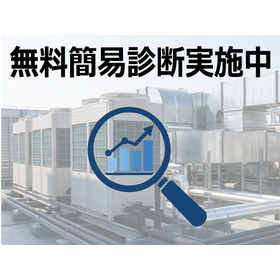
[Free Simple Diagnosis Available] We will assess whether there is room for reduction without updating equipment.

Shall we visualize the "waste" through understanding the current situation?

Do you have any of these concerns about your air conditioning equipment? - I want to reduce running costs without compromising comfort. - I want to make my existing equipment (both new and old) more energy-efficient. - I can't stop it because it needs to operate continuously for 24 hours. - Rising electricity costs are squeezing my profits, etc. An air conditioning energy-saving planner with extensive field experience will carefully support you from energy-saving diagnostics of your air conditioning equipment to proposing optimal operating conditions. Let's work together to identify waste and optimize energy!

  • air conditioning

Added to bookmarks

Bookmarks list

Bookmark has been removed

Bookmarks list

You can't add any more bookmarks

By registering as a member, you can increase the number of bookmarks you can save and organize them with labels.

Free membership registration

Change the way air conditioning is used, without relying on the set temperature.

Unraveling misconceptions about air conditioning energy savings and moving towards the correct energy-saving mindset.

In many stores and facilities, the following responses are commonly practiced: "When it's hot → lower the set temperature" "When it's cold → raise the set temperature." While this approach is indeed effective as a temporary measure, it can often be counterproductive from an energy-saving perspective. This is because the set temperature is merely a "number on the control panel," while the actual adversaries that the air conditioning system is battling are the indoor load and the invisible "losses." **Typical examples where changing the set temperature yields no effect:** - High humidity prevents a decrease in perceived temperature - Disruptions from kitchens or backyards flow in - Cold air from showcases disrupts the air conditioning airflow - Airflow is short-circuited and not circulating - There are significant temperature variations between the ceiling and floor All of these are "problems that cannot be resolved by adjusting the set temperature." The first step in energy saving is to read "temperature × humidity × indoor behavior" instead of focusing on the "set temperature." The correct approach to energy-saving in air conditioning is to shift the focus from "the number of the set temperature" to "the state of the space itself."

  • air conditioning

Added to bookmarks

Bookmarks list

Bookmark has been removed

Bookmarks list

You can't add any more bookmarks

By registering as a member, you can increase the number of bookmarks you can save and organize them with labels.

Free membership registration

Air Conditioning Control System E&E AIR

Significantly reduce electricity costs easily with smart IoT!

Do you have any of these concerns? - Struggling with high electricity bills - Wanting to contribute to SDGs (CO2 reduction) - Finding daily temperature setting tasks difficult - Unable to concentrate on work due to excessive heat - Noticing malfunctions too late - Forgetting to turn things off... We will solve these issues with the power of IoT, without relying on human hands!

  • air conditioning

Added to bookmarks

Bookmarks list

Bookmark has been removed

Bookmarks list

You can't add any more bookmarks

By registering as a member, you can increase the number of bookmarks you can save and organize them with labels.

Free membership registration

Emporia Smart Energy Monitoring System

Visualizing power usage and supporting optimization.

"Visualizing electricity" for thorough management of waste and costs! 《Features》 - Real-time monitoring of electricity usage by circuit and device - Remote monitoring and notifications via smartphone app - Display of energy-saving effects and electricity cost predictions - Can be retrofitted to existing equipment

  • air conditioning

Added to bookmarks

Bookmarks list

Bookmark has been removed

Bookmarks list

You can't add any more bookmarks

By registering as a member, you can increase the number of bookmarks you can save and organize them with labels.

Free membership registration

Sensibo Air PRO

Smartly optimize air conditioning management with a smart AC controller featuring air quality monitoring functionality.

Sensibo Air PRO easily smartens existing air conditioners. It automatically adjusts operation based on indoor temperature and humidity, eliminating waste while achieving both comfort and energy savings.

  • air conditioning

Added to bookmarks

Bookmarks list

Bookmark has been removed

Bookmarks list

You can't add any more bookmarks

By registering as a member, you can increase the number of bookmarks you can save and organize them with labels.

Free membership registration

[Power Reduction Test Case 6] Amusement Facility

Power-saving device confirmation test results for amusement facilities in Ishikawa Prefecture.

Industry: Amusement Facility (within Ishikawa Prefecture) Target Equipment: Air Conditioning Units Test Period: August 9, 2024 - September 20, 2024 Target Devices: Store Air Conditioning Units Model Number Quantity Set Temperature Unit 1: SZVYP1400K 1 unit (4 outdoor units) 25℃ Unit 2: SZVYP1400K 1 unit (4 outdoor units) 25℃ Analysis Method: With the air conditioning units in the ON state as a condition, the total current values for each hour were calculated. Data was compared before installation (OFF) and after installation (ON) for values where the outdoor temperature and indoor temperature were equivalent (the closest values) and where the number of operating air conditioning units was the same, to determine the average reduction rate. Result: 20.2% (Proposed reduction rate: 15%)

  • air conditioning

Added to bookmarks

Bookmarks list

Bookmark has been removed

Bookmarks list

You can't add any more bookmarks

By registering as a member, you can increase the number of bookmarks you can save and organize them with labels.

Free membership registration

[Power Reduction Test Case 5] Ironworks

Power-saving device confirmation test results for ironworks in Ishikawa Prefecture.

Industry: Iron and Steel Industry (Ishikawa Prefecture) Target Equipment: Air Conditioning Equipment Test Period: February 1, 2023 - March 17, 2023 Target Device: Air Conditioning Equipment in the First Floor Office Daikin Ceiling Cassette Type Triple Simultaneous SZCP224KAM 1 unit Outdoor Unit RZYP224K Gas Type R410A approximately 8 kg Analysis Method: The air conditioning unit was tested in the ON state, calculating the total current value every hour. The values were compared before installation (OFF) and after installation (ON) under conditions where the outdoor temperature and indoor temperature were equivalent (the closest values), and the average reduction rate was determined. Results: An average current value reduction effect of 20.2% was confirmed.

  • air conditioning

Added to bookmarks

Bookmarks list

Bookmark has been removed

Bookmarks list

You can't add any more bookmarks

By registering as a member, you can increase the number of bookmarks you can save and organize them with labels.

Free membership registration

[Power Reduction Test Case 4] Drugstore 3

Power-saving device confirmation test results for drugstores in Ishikawa Prefecture, Store 3.

Industry: Drugstore Target Equipment: Air Conditioning Units, Refrigerated Cases Test Period: July 26, 2023 - September 18, 2023 Target Devices: In-store Equipment Air Conditioning Units: 5 units Refrigerated Cases: 2 units Analysis Method: During business hours, all air conditioning units were switched ON (the refrigerated cases operated 24 hours). The total current values were measured every 30 minutes (as the air conditioning units and refrigerated cases influence each other, affecting the room temperature). The temperature and room temperature were compared before installation (OFF) and after installation (ON) to determine the average reduction rate. Result: 15.9% reduction (13.6% at the time of proposal)

  • air conditioning

Added to bookmarks

Bookmarks list

Bookmark has been removed

Bookmarks list

You can't add any more bookmarks

By registering as a member, you can increase the number of bookmarks you can save and organize them with labels.

Free membership registration

[Power Reduction Test Case 3] Drugstore 2

Power-saving device confirmation test results for drugstores in Ishikawa Prefecture, Store 2.

Industry: Drugstore Target Equipment: Air Conditioning Equipment, Refrigerated Cases Test Period: July 26, 2023 - September 18, 2023 Target Devices: In-store Equipment Air Conditioners: 8 units Refrigerated Cases: 4 units Analysis Method: During business hours, all air conditioning units were switched ON (refrigerated cases operated 24 hours). The total current values were measured every 30 minutes (as air conditioning and refrigerated cases influence each other, affecting room temperature). The temperature and room temperature values were compared before installation (OFF) and after installation (ON) to determine the average reduction rate. Result: 15.1% reduction (13.4% at the time of proposal)

  • air conditioning

Added to bookmarks

Bookmarks list

Bookmark has been removed

Bookmarks list

You can't add any more bookmarks

By registering as a member, you can increase the number of bookmarks you can save and organize them with labels.

Free membership registration

[Power Reduction Test Case 2] Drugstore 1

Power-saving device confirmation test results for Drugstore in Ishikawa Prefecture, Store 1.

Industry: Drugstore Target Equipment: Air Conditioning Units, Refrigerated Cases Test Period: July 26, 2023 - September 18, 2023 Target Devices: Equipment Installed in Sales Area Air Conditioning Units: 7 units Refrigerated Cases: 4 units Analysis Method: During business hours, all air conditioning units were switched ON (refrigerated cases operated 24 hours). The total current values were measured every 30 minutes (as air conditioning and refrigerated cases influence each other, affecting room temperature). The temperature and room temperature values were compared before installation (OFF) and after installation (ON) to calculate the average reduction rate. Result: 15.4% reduction (proposed at 13.8%)

  • air conditioning

Added to bookmarks

Bookmarks list

Bookmark has been removed

Bookmarks list

You can't add any more bookmarks

By registering as a member, you can increase the number of bookmarks you can save and organize them with labels.

Free membership registration

[Power Reduction Test Case 1] Transportation Industry

Results of the power-saving device verification test for transportation companies in Kanazawa City.

Industry: Transportation (within Kanazawa City) Target Equipment: Air conditioning units for refrigerated warehouses Test Period: July 23, 2024 - September 12, 2024 Target Devices: Model Refrigerant Charge Amount ------------------------------------------------------ Refrigerator 1 KX-NM40AVP1 R410A 70 kg Refrigerator 2 KX-NM40AVP1 R410A 70 kg Refrigerator KX-NM40AMVP1 R410A 70 kg Analysis Method: The total current values were calculated every hour, and the average reduction rate was determined by comparing the equivalent values of ambient temperature and internal temperature before installation (OFF) and after installation (ON). Results: Current Test Proposal Time Refrigerator 1 21.6% 13.0% Refrigerator 2 18.4% 13.0% Refrigerator 22.5% 13.0% Average of 3 Systems 20.8% 13.0% The average reduction rates above have been confirmed. *The average reduction rate is based on the values from weeks 2 to 5.

  • air conditioning

Added to bookmarks

Bookmarks list

Bookmark has been removed

Bookmarks list

You can't add any more bookmarks

By registering as a member, you can increase the number of bookmarks you can save and organize them with labels.

Free membership registration

AIP Corporation Energy Saving Solutions

Shall we start optimizing energy costs?

We propose the latest solutions that balance comfort and efficiency. Please feel free to consult with us.

  • Other air conditioning equipment

Added to bookmarks

Bookmarks list

Bookmark has been removed

Bookmarks list

You can't add any more bookmarks

By registering as a member, you can increase the number of bookmarks you can save and organize them with labels.

Free membership registration

Energy-saving signal generator "Eco Pulsar e3" *Free reduction rate confirmation test

By simply installing a signal line to your air conditioning unit, freezer, or chiller, you can reduce power consumption by approximately 15-20%! This also helps to reduce the load on the compressor and extend the lifespan of the equipment.

The "Eco Pulsar Triple E" focuses on the performance degradation of refrigerant oil due to aging (increased viscosity) and reduces power consumption by restoring the fluidity of the refrigerant with an electrical signal. It can be used simply by connecting it to an AC100V power supply and attaching the signal line to the existing air conditioning or refrigeration system's refrigerant piping. By enhancing the fluidity of the refrigerant and the heat exchange efficiency, it reduces the operating time of the compressor, and in inverter-controlled air conditioning systems, it also contributes to lowering the compressor's rotation speed. 【Features】 - Approximately 15-20% reduction in power consumption - Effectiveness observed about two weeks after installation - Achieves low-cost energy savings without modifications to existing equipment - Helps reduce the load on the compressor, contributing to the longevity of the equipment *One Eco Pulsar can connect to a maximum of six units (compressors) with limitations on the amount of refrigerant gas enclosed. *For more details, please refer to the materials available by clicking "Download Catalog." We also support "Reduction Rate Confirmation Tests" for temporary installations and comparison of actual measurement data.

  • air conditioning

Added to bookmarks

Bookmarks list

Bookmark has been removed

Bookmarks list

You can't add any more bookmarks

By registering as a member, you can increase the number of bookmarks you can save and organize them with labels.

Free membership registration

Air Conditioning Control System "E&E AIR" Reduces Electricity Costs with Smart IoT

Reduce electricity costs by over 40%! No need to replace air conditioning equipment! By introducing our control system and centralized controller, you can manage the air conditioning equipment within the facility.

Do you have any of these concerns with your air conditioning equipment? ■ Struggling with high electricity bills ■ Daily temperature setting tasks are difficult ■ It's too hot to concentrate on work ■ Want to contribute to SDGs (CO2 reduction) ■ Realized too late that it was broken ■ Forgot to turn it off... Achieve a balance of comfort and energy savings with fully automated individual control of indoor temperature settings for all air conditioning units! We solve this with the power of IoT, without relying on human hands. We support domestic air conditioning manufacturers. (Toshiba, Daikin Industries, Panasonic, Mitsubishi Electric, Mitsubishi Heavy Industries, Hitachi) *For more details, please download the catalog or contact us.

  • Other air conditioning equipment

Added to bookmarks

Bookmarks list

Bookmark has been removed

Bookmarks list

You can't add any more bookmarks

By registering as a member, you can increase the number of bookmarks you can save and organize them with labels.

Free membership registration

A company that loves water and air, AIP Corporation, Company Profile

We contribute to society through three businesses: air conditioning, energy-saving initiatives, and aqua power. We provide eco-friendliness and comfort to social and living environments.

AIP Corporation provides eco-friendliness and comfort in social and living environments, focusing on the air conditioning business area. 【Products Offered】 ■ Air Conditioning Business Sales, installation, and maintenance of commercial and residential air conditioning equipment ■ Energy Conservation Business Equipment performance recovery devices: Eco Pulsar Triple E, R.O. Neo, Riduck Indoor control systems: E&E Air Visualization: emporia ■ Aqua Power Business Weakly acidic hypochlorous acid solution "Aqua Power CELA" Reverse osmosis water purifier "Clashia" Special purification materials: Revitalizing purification material Excel *For more details, please refer to the PDF materials or feel free to contact us.

  • Other Energy Saving
  • Air sterilization and deodorization equipment
  • air conditioning

Added to bookmarks

Bookmarks list

Bookmark has been removed

Bookmarks list

You can't add any more bookmarks

By registering as a member, you can increase the number of bookmarks you can save and organize them with labels.

Free membership registration

Revitalizing purification filter material "Excel" *Significantly enhances filtration function and stabilizes water quality.

Microorganisms naturally reproduce and promote the decomposition of organic matter! The spiral shape makes it less likely to clog, allowing for prolonged filtration. Filtration lasts for a long time.

The material 'Excel', which is a revitalizing and purifying filtration medium, contains fine particle powder of similar natural minerals. Thanks to the weak energy waves emitted by the natural minerals, it activates the molecules of water and air. Its spiral shape makes it less prone to clogging, allowing for prolonged filtration. Microorganisms naturally breed in the gaps, promoting the decomposition of organic matter. This breaks down impurities and significantly enhances the filtration function, stabilizing water quality. Additionally, it reduces the size of water clusters (molecular groups) and penetrates into scales and other deposits, causing them to detach. 【Features】 ■ Less prone to clogging due to its spiral shape ■ Prolonged filtration duration ■ Natural breeding of microorganisms promotes organic matter decomposition ■ Breaks down impurities and significantly enhances filtration function, stabilizing water quality *For more details, please download the PDF or feel free to contact us.

  • Filtration Equipment
  • Filtration Filter

Added to bookmarks

Bookmarks list

Bookmark has been removed

Bookmarks list

You can't add any more bookmarks

By registering as a member, you can increase the number of bookmarks you can save and organize them with labels.

Free membership registration

Just spray for a clean space! Weakly acidic hypochlorous acid water CELA.

Can be used with warm water and has long-term storage! High preservation and safety, perfect for disinfecting living spaces. Easy to handle with a straight type that doesn't require dilution!

"CELA" is a disinfecting and deodorizing water that ensures high antibacterial power through a unique generation device while maintaining stability in a weakly acidic state. It has high preservation and safety, can be used in various fields, and can maintain its effectiveness for about 3 months to half a year. Additionally, even when the temperature is raised to 60°C, the components do not change and remain stable, and since the chlorine concentration does not change, the range of applications is expanded. 【Features】 ■ No dilution required, easy to handle ■ Can be used with warm water ■ Long-term storage possible ■ Can disinfect living spaces *For more details, please refer to the PDF document or feel free to contact us.

  • Other safety and hygiene products

Added to bookmarks

Bookmarks list

Bookmark has been removed

Bookmarks list

You can't add any more bookmarks

By registering as a member, you can increase the number of bookmarks you can save and organize them with labels.

Free membership registration

IoT Energy Monitoring System Emporia

Low price, high performance! Visualize power consumption in real-time remotely and manage multiple devices collectively. Schedule settings and automatic control for air conditioners are also available.

It is a low-cost, high-function IoT energy monitoring system. It supports real-time and remote monitoring of power consumption, and allows for bulk management of multiple devices. By using the Emporia mobile app, you can also perform automatic control through integration with smart devices, such as turning the air conditioner on/off and setting schedules. We aim to achieve a sustainable and comfortable future through the "visualization" of energy. *For more details, please download the catalog or contact us.

  • Other air conditioning equipment

Added to bookmarks

Bookmarks list

Bookmark has been removed

Bookmarks list

You can't add any more bookmarks

By registering as a member, you can increase the number of bookmarks you can save and organize them with labels.

Free membership registration

Rental plan for ultrasonic humidifiers, available for as short as 1 month! *Includes maintenance.

For offices, nursing facilities, childcare facilities, tutoring centers, accommodation facilities, etc.! Easily available only when needed. No initial costs or maintenance fees.

The "Humidifier Rental Plan" is a service that allows you to easily use the necessary number of units during the required period while keeping purchase and maintenance costs low. Maintenance is included, so you can always use it in a clean condition. The ultrasonic humidifier does not get hot, so there is no risk of burns even if touched. Additionally, by injecting the weakly acidic hypochlorous acid water solution "CELA," it can be used more safely and hygienically, making it suitable for households with elderly people, children, pets, or places with frequent foot traffic. [Features] ■ Initial cost: 0 yen ■ Free maintenance fees ■ Rental available from as short as 1 month *For more details, please download the PDF or feel free to contact us.

  • Humidification device
  • Rental/lease

Added to bookmarks

Bookmarks list

Bookmark has been removed

Bookmarks list

You can't add any more bookmarks

By registering as a member, you can increase the number of bookmarks you can save and organize them with labels.

Free membership registration
Prev 12 Next
  • 金属・化学・窯業 食品・医薬品などの ほぐし・解砕 ふるい分けがこれ一台 解砕機構付き佐藤式振動ふるい機 つばさ デモ実施中!
    • Contact this company

      Inquiry Form
    • Before making an inquiry

      Download Profile

    Products

    • Search for Products

    Company

    • Search for Companies

    Special Features

    • Special Features

    Ranking

    • Overall Products Ranking
    • Overall Company Ranking

    support

    • site map
    IPROS
    • privacy policy Regarding external transmission of information
    • terms of service
    • About Us
    • Careers
    • Advertising
    COPYRIGHT © 2001-2026 IPROS CORPORATION ALL RIGHTS RESERVED.
    Please note that the English text on this page is automatically translated and may contain inaccuracies.