1~45 item / All 826 items
Displayed results
Filter by category

Added to bookmarks
Bookmarks listBookmark has been removed
Bookmarks listYou can't add any more bookmarks
By registering as a member, you can increase the number of bookmarks you can save and organize them with labels.
Free membership registration
Contact this company
Inquiry FormBefore making an inquiry
Download Profile1~45 item / All 826 items
Filter by category
In the administrative procedures handled by public servants, accuracy and consistency are required. However, if the explanations and guidance for document preparation vary depending on the staff member, it can lead to discrepancies in citizens' understanding, potentially resulting in delays and misunderstandings in the procedures. This impact becomes particularly significant in cases involving complex procedures or numerous technical terms. It is important to organize these variations in education and ensure that explanations to citizens are consistent. Please refer to the materials for more details. 【Usage Scenarios】 - Guidance on procedures at the counter - Instruction on preparing application documents - Explanatory meetings for citizens - Training for new employees 【Effects of Implementation】 - Improved understanding among citizens and smoother procedures - Ensured consistency in counter responses - Reduced educational burden on staff - Decreased number of inquiries How should we organize the variations in education and standardize on-site training? Please refer to the materials for more details.
Added to bookmarks
Bookmarks listBookmark has been removed
Bookmarks listYou can't add any more bookmarks
By registering as a member, you can increase the number of bookmarks you can save and organize them with labels.
Free membership registration
In the food service industry, thorough hygiene management is essential to protect the safety and health of customers. In particular, the detailed judgments made in daily operations regarding the handling of ingredients, cooking procedures, and cleaning methods are directly linked to the risk of food poisoning and the quality of the dishes served. In OJT-centered education, differences can easily arise in the way instructors explain and the depth of their confirmations, which may lead to variations in hygiene management and insufficient communication to new and foreign staff. These small differences in understanding can also impact compliance with hygiene standards and appropriate responses in case of emergencies. To organize the variations in education and standardize on-site hygiene management training, our video solution is needed. 【Usage Scenarios】 - Hygiene management training for new staff - Hygiene management training for foreign staff - Standardization of cooking procedures and cleaning methods - Thorough dissemination of food poisoning prevention measures - Regular hygiene management training 【Effects of Implementation】 - Improved understanding of hygiene management standards - Reduction of human errors - Alleviation of the burden on educators - Smooth information transmission through multilingual support How should we organize the variations in education and standardize on-site training? Please refer to the materials for more details.
Added to bookmarks
Bookmarks listBookmark has been removed
Bookmarks listYou can't add any more bookmarks
By registering as a member, you can increase the number of bookmarks you can save and organize them with labels.
Free membership registration
In the retail and distribution industry, there is a demand for uniformity in the quality of customer service. Especially in customer interactions, the level of service provided by each staff member can significantly impact the overall impression of the store. With training primarily based on on-the-job training (OJT), differences in the way instructors explain and emphasize certain points can lead to subtle variations in how customers are treated. Such discrepancies in understanding can potentially affect customer satisfaction and repeat rates. It is important to organize the variations in training and standardize on-site education. 【Usage Scenarios】 - Customer service etiquette training for new staff - Standardization of product knowledge and sales pitches - Sharing procedures for handling complaints - Unifying operations in stores that require multilingual support 【Benefits of Implementation】 - Increased customer satisfaction through uniformity in service quality - Early development of staff into effective team members and reduction of training costs - Overall improvement in service levels across the store - Enhanced efficiency in training foreign staff How should we organize the variations in training and standardize on-site education? Please refer to the materials for more details.
Added to bookmarks
Bookmarks listBookmark has been removed
Bookmarks listYou can't add any more bookmarks
By registering as a member, you can increase the number of bookmarks you can save and organize them with labels.
Free membership registration
In the financial industry, compliance adherence and accuracy in customer interactions are required. Particularly, when it comes to changes in regulations and the thorough implementation of internal rules, it is crucial to unify the understanding and judgment criteria of each responsible individual. In on-the-job training (OJT), differences in the nuances of explanations by instructors and the depth of confirmation can lead to unintended interpretative discrepancies and compliance risks. Organizing the variations in education and standardizing on-site training is essential for maintaining the overall reliability of the industry. Our company proposes the standardization of education using videos to address these challenges. ## Utilization Scenarios * Standardization of training related to regulations * Thorough dissemination of internal rules and compliance guidelines * Educational content for new personnel * Uniformity of educational content across multiple locations ## Effects of Implementation * Improved understanding of educational content and unified judgment criteria * Reduction of compliance risks * Early empowerment of new personnel * Reduced burden on educators How should we organize the variations in education and standardize on-site training? Please refer to the materials for more details.
Added to bookmarks
Bookmarks listBookmark has been removed
Bookmarks listYou can't add any more bookmarks
By registering as a member, you can increase the number of bookmarks you can save and organize them with labels.
Free membership registration
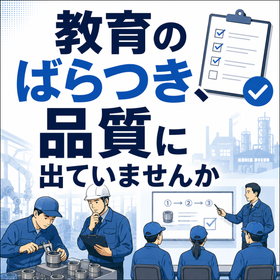
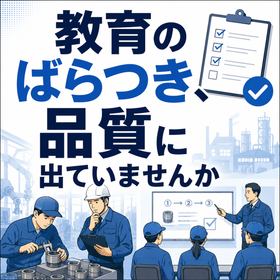
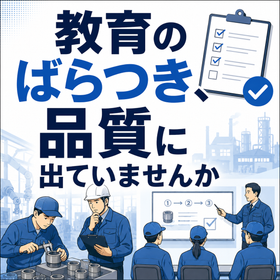
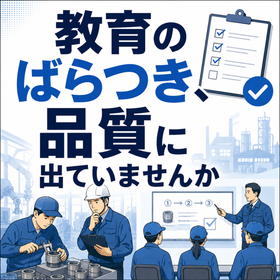
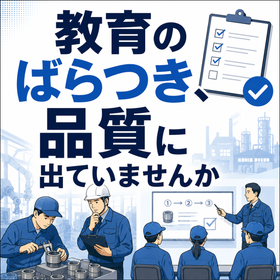
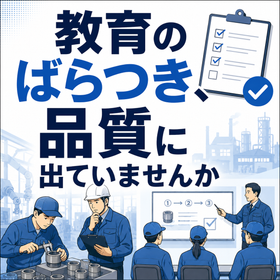
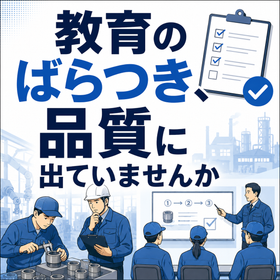
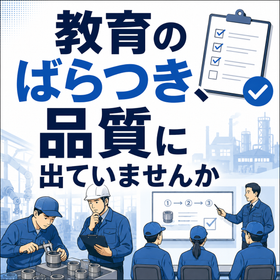
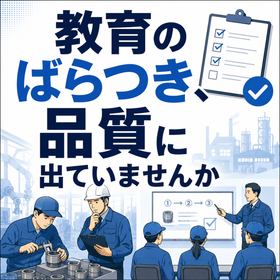
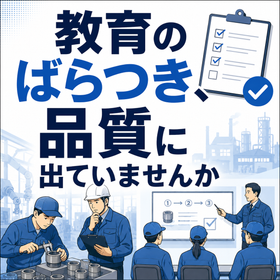
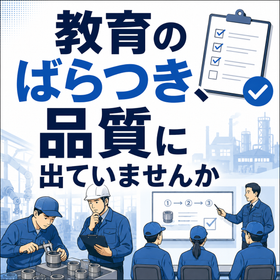
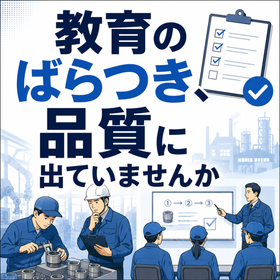
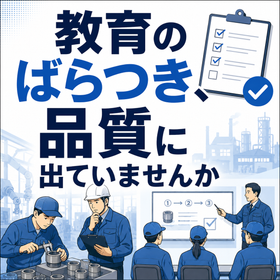
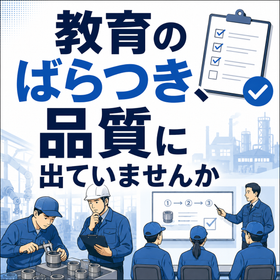
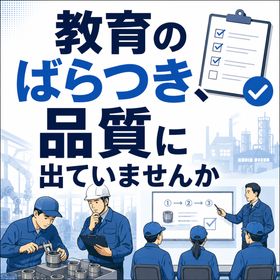
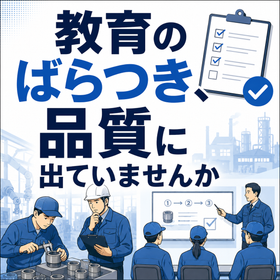
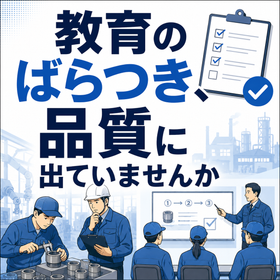
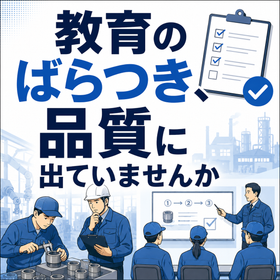
In the manufacturing field, differences in the way instructors explain and the depth of confirmation can lead to variations in understanding of tasks. This small discrepancy can affect the judgment of work procedures, safety checks, and quality standards, potentially resulting in variations in quality. Relying solely on paper manuals or verbal explanations can make it difficult to convey subtle nuances, which can be particularly challenging in the education of foreign staff and newcomers. For quality stability, it is important not only to focus on the work procedures themselves but also to organize "how to communicate" and standardize on-site training. 【Usage Scenarios】 - On-the-job training focused education - Explanation of work procedures to new staff - Technical guidance for foreign staff - Unifying understanding of quality standards 【Effects of Implementation】 - Organizing and standardizing educational variations - Reducing the educational burden on the field - Contributing to improved safety - Stabilizing quality How should we organize educational variations and standardize on-site training? Please refer to the materials for more details.
Added to bookmarks
Bookmarks listBookmark has been removed
Bookmarks listYou can't add any more bookmarks
By registering as a member, you can increase the number of bookmarks you can save and organize them with labels.
Free membership registration
In the medical and welfare industry, accurate knowledge and the sharing of procedures are required to provide safe and high-quality services to patients. Particularly in on-the-job training (OJT) focused on medical procedures and caregiving methods, differences can easily arise in the way instructors explain and the depth of confirmation, which may impact on-site judgment and the quality of care. Even small differences in understanding can lead to variations in patient safety and service quality. It is important to organize the variations in education and standardize on-site training. 【Usage Scenarios】 - Sharing basic care procedures with new staff - Standardization of specialized medical procedures - Thorough safety checks and infection control measures - Information transmission in environments requiring multilingual support 【Effects of Implementation】 - Stabilization of service quality through uniformity in educational content - Reduction of differences in understanding among staff - Increased efficiency in training new staff and quicker integration into the workforce - Strengthening of safety management systems How should we organize the variations in education and standardize on-site training? Please refer to the materials for more details.
Added to bookmarks
Bookmarks listBookmark has been removed
Bookmarks listYou can't add any more bookmarks
By registering as a member, you can increase the number of bookmarks you can save and organize them with labels.
Free membership registration
In the IT and software industry, the standardization of development processes and operational procedures is emphasized as crucial for project success and quality maintenance. Particularly when introducing new technologies or when there is variability in team members' skill levels, consistent knowledge sharing and understanding are required. In OJT-centered education, differences in the nuances of explanations by different instructors can lead to disparities in understanding of tasks, which may ultimately affect code quality and development efficiency. To organize the variability in education and standardize on-site skills, clear and repeatable educational methods are necessary. 【Usage Scenarios】 - Unifying team skills during the introduction of new technologies - Promoting development standards and coding conventions - Education in a remote work environment - Sharing technical know-how that tends to become personalized 【Effects of Implementation】 - Standardization of skill levels across the development team - Improvement in code quality and reduction in bug occurrence rates - Accelerated effectiveness of new engineers - Reduction in time and costs associated with education How should we organize the variability in education and standardize on-site training? Please refer to the materials for more details.
Added to bookmarks
Bookmarks listBookmark has been removed
Bookmarks listYou can't add any more bookmarks
By registering as a member, you can increase the number of bookmarks you can save and organize them with labels.
Free membership registration
In the agricultural sector, the introduction of the latest technologies and the acquisition of new farming methods are essential for improving productivity and maintaining quality. However, in an OJT-centered education system, differences in the way instructors explain concepts and emphasize points can lead to variations in understanding among workers. This inconsistency in understanding can hinder the adoption of new technologies and affect the quality of work. Organizing the variations in education and standardizing on-site training will lead to effective utilization of technology and stable quality. 【Application Scenarios】 - Learning how to operate new agricultural machinery - Conveying the latest cultivation techniques - Standardizing pesticide application and harvesting tasks - Providing work instructions to foreign workers 【Effects of Implementation】 - Improvement in quality due to uniformity in work understanding - Increased efficiency in training new and foreign workers - Reduction in the time required to acquire skills - Decrease in work errors How should we organize the variations in education and standardize on-site training? Please refer to the materials for more details.
Added to bookmarks
Bookmarks listBookmark has been removed
Bookmarks listYou can't add any more bookmarks
By registering as a member, you can increase the number of bookmarks you can save and organize them with labels.
Free membership registration
In the specialized technical field of the entertainment industry, accurate communication of advanced skills and knowledge is required. In particular, the understanding of detailed procedures, safety management, and quality standards in the production process tends to vary among individuals responsible for these tasks. In on-the-job training (OJT), differences in how instructors explain concepts and emphasize points can affect the understanding of the work, potentially leading to variations in the quality of the produced materials. These small discrepancies can ultimately impact the quality and safety of the final product. It is important to organize the variations in education and standardize on-site training to maintain stable quality. 【Usage Scenarios】 - Specialized technical training for new staff - Explanation of work procedures to foreign staff - Promotion of understanding complex production processes - Enforcement of safety rules 【Effects of Implementation】 - Stabilization of quality through standardization of educational content - Early empowerment of new staff - Smooth communication with foreign staff - Reduced burden on educators How should we organize the variations in education and standardize on-site training? Please refer to the materials for more details.
Added to bookmarks
Bookmarks listBookmark has been removed
Bookmarks listYou can't add any more bookmarks
By registering as a member, you can increase the number of bookmarks you can save and organize them with labels.
Free membership registration
In the service industry, consistent high-quality responses are required to enhance customer satisfaction. Particularly in customer interactions, the understanding and nuances of each staff member can directly impact the customer experience. In OJT-centered training, differences in the way instructors explain and the depth of confirmation can lead to slight discrepancies in the explanations given to customers and in problem-solving judgments, which can ultimately result in variations in service quality. To organize the variations in training and standardize on-site education, effective visual and easy-to-understand communication methods are essential. Our animation videos visually organize procedures and key points, allowing for repeated review, which helps to standardize and improve the quality of customer interactions in the service industry. How should we organize the variations in training and standardize on-site education? Please refer to the materials for more details.
Added to bookmarks
Bookmarks listBookmark has been removed
Bookmarks listYou can't add any more bookmarks
By registering as a member, you can increase the number of bookmarks you can save and organize them with labels.
Free membership registration
In educational institutions, it is essential to maintain a uniform level of understanding among learners and provide high-quality education. Particularly in fields that involve practical skills and specialized knowledge, differences in the way instructors explain concepts and emphasize points can lead to disparities in learners' acquisition of knowledge. This variation in understanding raises concerns about its potential impact on future decision-making and work quality in the field. To organize the inconsistencies in education and standardize learning outcomes, visually engaging and easy-to-understand teaching materials are effective. Our company offers solutions to standardize on-site training in the manufacturing industry through video, and we can also contribute to the development of teaching materials in educational institutions. ## Use Cases * Standardization of practical instruction * Support for new and foreign learners * Communication of complex procedures and important points * Content that requires repetitive learning ## Benefits of Implementation * Uniformity in understanding among learners * Reduced burden on instructors * Support for retention of educational content * Visualization of learning effectiveness How should we organize the variations in education and standardize on-site training? Please refer to the materials for more details.
Added to bookmarks
Bookmarks listBookmark has been removed
Bookmarks listYou can't add any more bookmarks
By registering as a member, you can increase the number of bookmarks you can save and organize them with labels.
Free membership registration
In the transportation and logistics industry, safe and efficient driving techniques form the foundation of operations. Particularly in the training of new drivers and those with less experience, there is a challenge where on-the-job training (OJT) that relies on the individual experiences and instincts of instructors can lead to discrepancies in the understanding of driving techniques. This variation in understanding can potentially impact operational quality, increasing the risk of accidents, reducing fuel efficiency, and causing delays in delivery times. Organizing the inconsistencies in education and standardizing driving technique instruction is essential for improving safety and quality across the industry. 【Usage Scenarios】 - Instruction on basic driving operations and safety checks for new drivers - Educational content sharing the know-how of veteran drivers - Lectures on driving methods tailored to specific vehicles and cargo - Simulations for responses during bad weather or emergencies 【Effects of Implementation】 - Eliminating differences among instructors to support uniform acquisition of driving techniques - Promoting retention of learning effects through repeat viewing - Streamlining education for foreign drivers through multilingual support - Contributing to improved safe driving awareness and reduced accident risks How should we organize the discrepancies in education and standardize on-site training? Please refer to the materials for more details.
Added to bookmarks
Bookmarks listBookmark has been removed
Bookmarks listYou can't add any more bookmarks
By registering as a member, you can increase the number of bookmarks you can save and organize them with labels.
Free membership registration
In the food service industry, thorough hygiene management is essential to protect the safety and health of customers. In particular, the detailed decisions made in daily operations, such as cooking procedures, cleaning methods, and handling of ingredients, affect hygiene levels. Education centered on on-the-job training (OJT) can lead to variations in the way instructors explain and the depth of their checks, which may result in inconsistencies in hygiene management. Standardizing hygiene management is crucial as it directly relates to the prevention of foodborne illnesses and the maintenance of customer satisfaction. Our video production service contributes to solving these challenges. 【Usage Scenarios】 - Standardization of cooking procedures - Thorough cleaning and disinfection methods - Sharing rules for ingredient management - Hygiene education for new staff - Multilingual hygiene instruction for foreign staff 【Effects of Implementation】 - Uniformity in hygiene management levels - Reduction of foodborne illness risks - Improved understanding and retention among staff - Reduced burden on educators How should we organize the variations in education and standardize on-site training? Please refer to the materials for more details.
Added to bookmarks
Bookmarks listBookmark has been removed
Bookmarks listYou can't add any more bookmarks
By registering as a member, you can increase the number of bookmarks you can save and organize them with labels.
Free membership registration
In the retail industry, it is essential to maintain a consistent quality of customer service. Particularly in customer interactions, there tends to be variability in how each staff member responds, the points of consideration for customers, and the methods of conveying product knowledge. In education centered around on-the-job training (OJT), the nuances of explanations and the depth of confirmations can differ among instructors, which may lead to variations in service quality for customers. Organizing this variability in training and standardizing on-site customer service education is crucial for improving customer satisfaction. 【Usage Scenarios】 - Customer service etiquette training for new staff - Standardization of product knowledge and sales pitches - Sharing points of caution in customer interactions - Customer service in stores requiring multilingual support 【Benefits of Implementation】 - Improved customer satisfaction through uniformity in service quality - Early empowerment of staff and reduction in training costs - Standardization and efficiency of previously individualized training - Enhanced service levels across the entire store How should we organize the variability in training and standardize on-site education? Please refer to the materials for more details.
Added to bookmarks
Bookmarks listBookmark has been removed
Bookmarks listYou can't add any more bookmarks
By registering as a member, you can increase the number of bookmarks you can save and organize them with labels.
Free membership registration
In educational institutions, it is required to maintain a uniform understanding among learners and provide high-quality education. Particularly in fields that involve practical skills and specialized knowledge, differences in the way instructors explain concepts and emphasize points can lead to disparities in learners' acquisition of knowledge. This variation in understanding raises concerns about its impact on future decision-making and work quality in the field. To organize the inconsistencies in education and standardize learning outcomes, visually appealing and easy-to-understand teaching materials are effective. Our company offers solutions to standardize on-site education in the manufacturing industry through video, and we can also contribute to the development of teaching materials in educational institutions. ## Usage Scenarios * Standardization of practical instruction * Support for new and foreign learners * Communication of complex procedures and important points * Content that requires repetitive learning ## Effects of Implementation * Uniformity in understanding among learners * Reduced burden on instructors * Support for retention of educational content * Visualization of learning outcomes How should we organize the variations in education and standardize on-site training? Please refer to the materials for more details.
Added to bookmarks
Bookmarks listBookmark has been removed
Bookmarks listYou can't add any more bookmarks
By registering as a member, you can increase the number of bookmarks you can save and organize them with labels.
Free membership registration
In educational institutions, it is essential to maintain a uniform understanding among learners and provide high-quality education. Particularly in fields that involve practical skills and specialized knowledge, differences in the way instructors explain concepts and emphasize points can lead to disparities in learners' acquisition of knowledge. This variation in understanding raises concerns about its potential impact on decision-making and work quality in future practical settings. To organize the discrepancies in education and standardize learning effectiveness, visually engaging and easy-to-understand teaching materials are effective. Our company offers solutions to standardize on-site education in the manufacturing industry through video, and we can also contribute to the development of teaching materials in educational institutions. ## Use Cases * Standardization of practical instruction * Support for new and foreign learners * Communication of complex procedures and important points * Content that requires repetitive learning ## Benefits of Implementation * Uniformity in understanding among learners * Reduced burden on instructors * Support for retention of educational content * Visualization of learning effectiveness How should we organize the discrepancies in education and standardize on-site training? Please refer to the materials for more details.
Added to bookmarks
Bookmarks listBookmark has been removed
Bookmarks listYou can't add any more bookmarks
By registering as a member, you can increase the number of bookmarks you can save and organize them with labels.
Free membership registration
In the financial industry, compliance adherence and accuracy in customer interactions are required. In particular, when it comes to changes in regulations or the thorough dissemination of internal rules, differences in understanding among responsible personnel can lead to the transmission of incorrect information or judgment errors. Education centered on on-the-job training (OJT) can create discrepancies due to variations in how instructors explain and emphasize points. These small differences in understanding can increase the risk of compliance violations or lead to situations that undermine customer trust. Organizing the variations in education and standardizing on-site training is essential for maintaining risk management and service quality. 【Usage Scenarios】 - Standardization of compliance training - Rapid education for new employees and those transferring - Information dissemination during legal amendments or changes in internal regulations - Education in situations requiring multilingual support 【Effects of Implementation】 - Improved understanding through uniformity of educational content - Unification of judgment criteria among responsible personnel - Reduction of compliance risks - Alleviation of the burden on educators How should we organize the variations in education and standardize on-site training? Please refer to the materials for more details.
Added to bookmarks
Bookmarks listBookmark has been removed
Bookmarks listYou can't add any more bookmarks
By registering as a member, you can increase the number of bookmarks you can save and organize them with labels.
Free membership registration
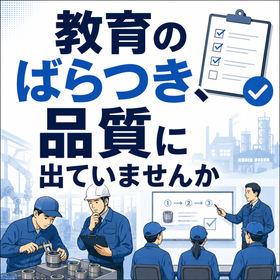
In the manufacturing industry, differences in the way leaders explain and the depth of confirmation can lead to variations in understanding of tasks, which in turn can result in inconsistencies in quality. This is particularly true in safety training, where even minor differences in understanding can potentially lead to serious accidents. Organizing the variations in education and standardizing on-site training is essential for improving safety and stabilizing quality. Our company supports the resolution of these issues through the standardization of education using videos. 【Usage Scenarios】 - Training new and young staff on safety procedures - Informing foreign staff about safety rules - Eliminating discrepancies in training content among instructors during OJT - Sharing near-miss cases and thoroughly implementing measures to prevent recurrence 【Effects of Implementation】 - Improved understanding and retention of safety training - Reduction of human errors - Decreased time and costs associated with training - Smoother integration of foreign staff through multilingual support How should we organize the variations in education and standardize on-site training? Please refer to the materials for more details.
Added to bookmarks
Bookmarks listBookmark has been removed
Bookmarks listYou can't add any more bookmarks
By registering as a member, you can increase the number of bookmarks you can save and organize them with labels.
Free membership registration
In the medical and healthcare industry, accurate knowledge and the sharing of procedures are essential to ensure patient safety and provide high-quality care. Particularly in education regarding complex medical procedures and the latest treatments, differences in how instructors explain concepts and the varying levels of understanding can impact decision-making in the field. The situation where "even though we are teaching in the same way, the level of understanding varies from person to person" can influence responses to patients and decisions related to medical safety, even if the discrepancies are small. How should we organize the variations in education and standardize on-site training? Please refer to the materials for more details. 【Usage Scenarios】 - Sharing procedures for medical treatments - Dissemination of safety management rules - Explanation of new drugs and treatment methods - Education for foreign staff 【Effects of Implementation】 - Standardization of understanding among healthcare professionals - Reduction of the risk of medical errors - Decrease in educational costs - Early empowerment of foreign staff through multilingual support
Added to bookmarks
Bookmarks listBookmark has been removed
Bookmarks listYou can't add any more bookmarks
By registering as a member, you can increase the number of bookmarks you can save and organize them with labels.
Free membership registration
In the IT and software industry, standardizing development processes and operational procedures is essential for project success and quality maintenance. Particularly when introducing new technologies or when there is variability in team members' skill levels, differences in explanations and understanding among leaders can impact the quality and efficiency of work. Such small discrepancies can lead to bugs and development delays. To organize the variability in education and standardize on-site training, utilizing visual and easy-to-understand teaching materials is effective. Our company provides educational videos to support skill standardization in the IT and software industry. 【Usage Scenarios】 - Team training during the introduction of new technologies - Standardization of development and operational procedures - On-the-job training for new engineers - Education in remote work environments 【Benefits of Implementation】 - Quality improvement through uniformity in educational content - Reduction and efficiency in learning time - Standardization of previously individualized training - Utilization in global teams through multilingual support How should we organize the variability in education and standardize on-site training? Please check the materials for more details.
Added to bookmarks
Bookmarks listBookmark has been removed
Bookmarks listYou can't add any more bookmarks
By registering as a member, you can increase the number of bookmarks you can save and organize them with labels.
Free membership registration
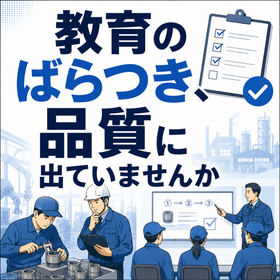
"Even though we are teaching in the same way, the level of understanding of the work varies from person to person." In the manufacturing industry, such small discrepancies can lead to variations in quality. This is especially true in on-the-job training (OJT), where differences can easily arise in the way instructors explain, the points they emphasize, and the depth of confirmation. Even small differences in understanding at first can potentially impact the judgment of work procedures, safety checks, and quality standards. How should we organize the variations in education and standardize on-site training? Please refer to the materials for more details.
Added to bookmarks
Bookmarks listBookmark has been removed
Bookmarks listYou can't add any more bookmarks
By registering as a member, you can increase the number of bookmarks you can save and organize them with labels.
Free membership registration
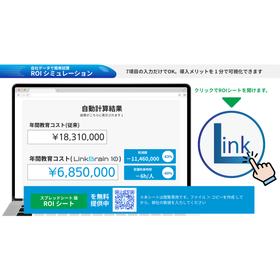
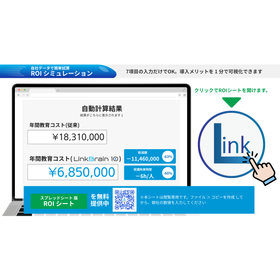
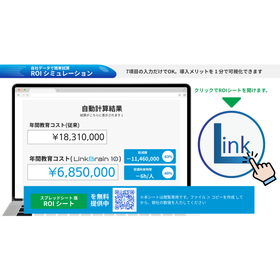
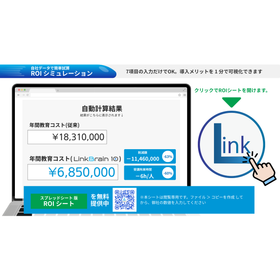
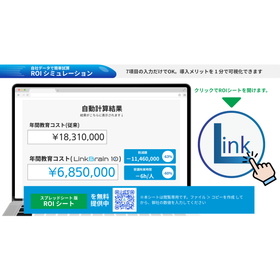
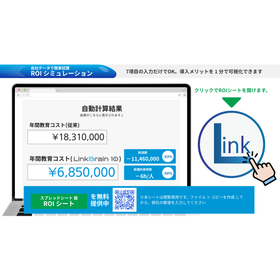
In hotel FAQ responses, training for new staff and foreign staff who require multilingual support can be challenging. Repeatedly explaining the same content or experiencing a language barrier can lead to decreased customer satisfaction and reduced operational efficiency. Our education cost and ROI simulation sheet was developed to address these challenges. 【Usage Scenarios】 - Customer service etiquette training for new staff - Explanation of operational procedures for multilingual staff - Streamlining FAQ responses 【Benefits of Implementation】 - Reduction in training time - Improvement in operational efficiency - Increase in customer satisfaction
Added to bookmarks
Bookmarks listBookmark has been removed
Bookmarks listYou can't add any more bookmarks
By registering as a member, you can increase the number of bookmarks you can save and organize them with labels.
Free membership registration
In the field of forestry, the introduction of wearable devices is progressing, and there is a demand for improved work efficiency. Safety education for new employees and multinational staff is essential for accident prevention; however, the traditional method of having experienced leaders take time to explain verbally can disrupt operations and potentially increase labor costs. It is important to digitize education to reduce the time commitment of field leaders and create an environment where they can focus on their core tasks. 【Usage Scenarios】 - How to operate a chainsaw - How to use a safety harness - Precautions during logging 【Effects of Implementation】 - Reduction in training time - Decrease in training costs - Improvement in work efficiency
Added to bookmarks
Bookmarks listBookmark has been removed
Bookmarks listYou can't add any more bookmarks
By registering as a member, you can increase the number of bookmarks you can save and organize them with labels.
Free membership registration
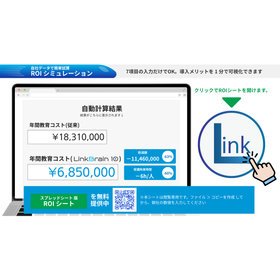
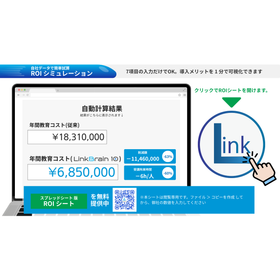
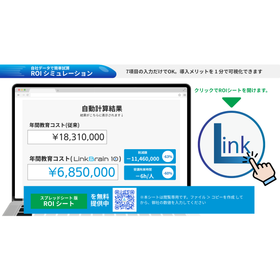
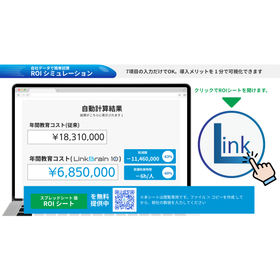
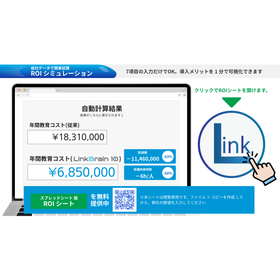
In the agricultural sector, the introduction of drone technology is essential for improving work efficiency and precise data collection. However, education related to drone operation and data analysis can be time-consuming and costly, potentially increasing the burden on field leaders. The personalization of education can also lead to delays in skill acquisition and heightened safety risks. Our education cost and ROI simulation sheet visualizes your training costs and demonstrates the potential for efficiency through digitalization. 【Usage Scenarios】 - Pesticide spraying and crop growth monitoring using drones - Technical training for new operators - Education for foreign staff through multilingual support 【Effects of Implementation】 - Reduction in training time - Visualization of training costs - Improvement in operational efficiency
Added to bookmarks
Bookmarks listBookmark has been removed
Bookmarks listYou can't add any more bookmarks
By registering as a member, you can increase the number of bookmarks you can save and organize them with labels.
Free membership registration
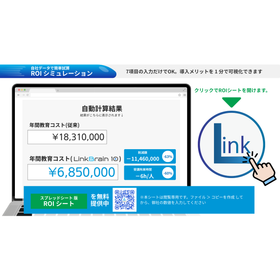
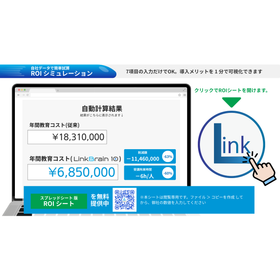
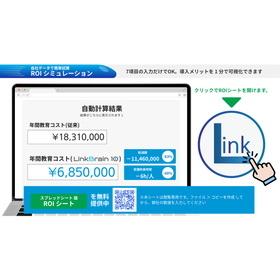
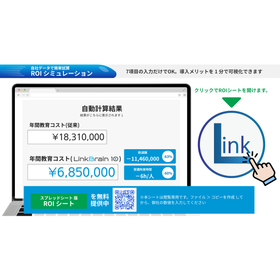
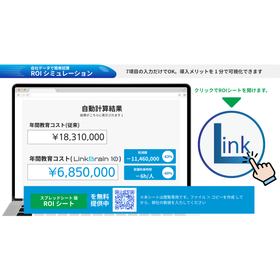
In the IT industry, online training is crucial for onboarding new employees and skill enhancement. However, it is not uncommon for field leaders to be burdened with training responsibilities, which can interfere with their primary duties. Particularly in the IT sector, where the introduction of new technologies and tools occurs frequently, delays in training can lead to decreased operational efficiency and project delays. Our ROI simulation sheet visualizes your training costs and estimates the time-saving effects of digitalization. 【Usage Scenarios】 - New employee training - Technical skills training - Multilingual training 【Benefits of Implementation】 - Reduction in training time - Improved operational efficiency for field leaders - Decrease in training costs
Added to bookmarks
Bookmarks listBookmark has been removed
Bookmarks listYou can't add any more bookmarks
By registering as a member, you can increase the number of bookmarks you can save and organize them with labels.
Free membership registration
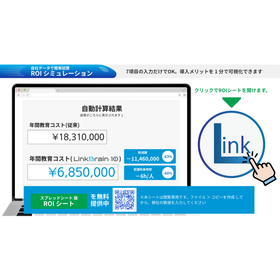
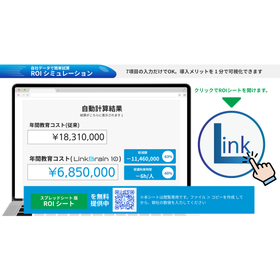
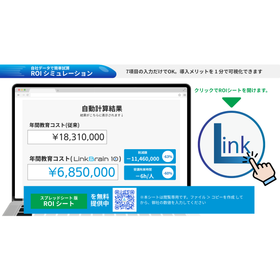
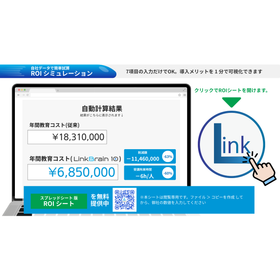
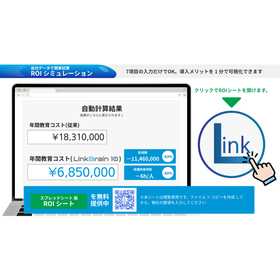
In the retail industry, there is a demand for the standardization of customer service skills and the early empowerment of foreign staff through multilingual support. Training new staff and creating manuals in multiple languages have become significant burdens for on-site leaders. This burden can potentially lead to a decrease in the efficiency of store operations. Our education cost and ROI simulation sheet visualizes your training costs and demonstrates the potential for improvement through digitalization. 【Usage Scenarios】 - Training customer service skills for new staff - Creating multilingual manuals - Streamlining store operations 【Benefits of Implementation】 - Reduction in training time - Alleviation of the burden on on-site leaders - Standardization of multilingual support
Added to bookmarks
Bookmarks listBookmark has been removed
Bookmarks listYou can't add any more bookmarks
By registering as a member, you can increase the number of bookmarks you can save and organize them with labels.
Free membership registration
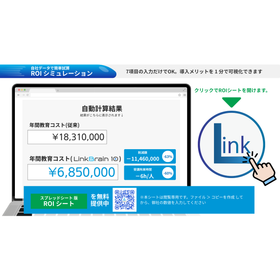
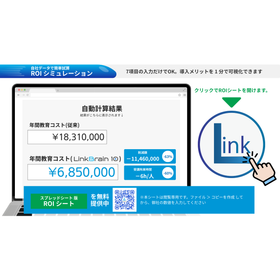
In the manufacturing sector, a significant amount of time and effort is dedicated to training new employees and multinational staff. The situation where skilled site leaders have to interrupt their primary duties to repeatedly explain the same content is one of the factors that pressure profits. The digitalization of training has the potential to solve this problem and lead to a reduction of up to 63% in time spent. By utilizing our "Training Cost and ROI Simulation Sheet," you can understand your company's specific losses and consider improvement measures. 【Usage Scenarios】 - New employee training - Education for multinational staff - Standardization of work procedures - Safety training 【Effects of Implementation】 - Reduction in training time - Alleviation of site leaders' burden - Improvement in training quality - Cost reduction
Added to bookmarks
Bookmarks listBookmark has been removed
Bookmarks listYou can't add any more bookmarks
By registering as a member, you can increase the number of bookmarks you can save and organize them with labels.
Free membership registration
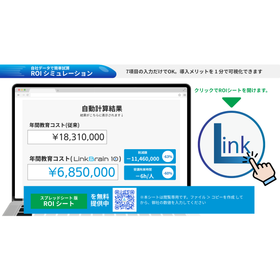
In the food and beverage industry, the labor shortage has become serious, and a significant amount of time and effort is being spent on training new staff and multilingual staff. In particular, content that needs to be taught repeatedly, such as cooking methods and customer service etiquette, increases the burden on on-site leaders and becomes a factor that pressures their primary duties. If the quality of training is not uniform, it may lead to a decline in service quality and customer satisfaction. Our training cost and ROI simulation sheet allows you to visualize the costs associated with training simply by inputting the hourly wage and number of staff at the restaurant, and it can estimate the reduction effects of digitization. 【Usage Scenarios】 - Training new staff - Training multilingual staff - Standardizing cooking methods and customer service etiquette 【Benefits of Implementation】 - Reducing the burden on on-site leaders - Shortening training time - Improving service quality
Added to bookmarks
Bookmarks listBookmark has been removed
Bookmarks listYou can't add any more bookmarks
By registering as a member, you can increase the number of bookmarks you can save and organize them with labels.
Free membership registration
The nursing care industry is facing a serious shortage of personnel, making the early development and retention of new staff urgent. The introduction of remote on-the-job training (OJT) allows for high-quality education to be provided regardless of location, and it also helps reduce the burden on trainers. However, there are challenges such as the difficulty of standardizing training methods and the lack of visibility into training costs. Our ROI simulation sheet calculates training costs tailored to the situation of nursing care facilities and estimates the cost reduction effects of digitalizing education. 【Usage Scenarios】 - OJT for new nursing staff - Training at nursing facilities with multiple locations - Japanese language education for foreign caregivers 【Effects of Implementation】 - Visibility of training costs - Reduction in training time - Early empowerment of new staff
Added to bookmarks
Bookmarks listBookmark has been removed
Bookmarks listYou can't add any more bookmarks
By registering as a member, you can increase the number of bookmarks you can save and organize them with labels.
Free membership registration
In the construction industry, ensuring the safety of workers and improving work quality are always required. Particularly, conveying uniform knowledge and skills among a diverse range of work processes and a rapidly changing workforce is an important challenge. Verbal education takes time and effort, and it is prone to variations in content, which can lead to increased burdens on site leaders and rising education costs. Our education cost and ROI simulation sheet allows you to visualize the costs associated with training simply by inputting the hourly wage and number of workers on site, and it can estimate the cost reduction effects of implementing video manuals. 【Usage Scenarios】 - New employee training - Education for multinational staff - Standardization of work procedures - Safety training 【Effects of Implementation】 - Reduction in training time - Alleviation of burdens on site leaders - Improvement in the quality of education - Cost reduction
Added to bookmarks
Bookmarks listBookmark has been removed
Bookmarks listYou can't add any more bookmarks
By registering as a member, you can increase the number of bookmarks you can save and organize them with labels.
Free membership registration
The introduction of an online reservation system in the beauty industry presents challenges in training new staff and foreign staff who require multilingual support. There is a need to repeatedly teach how to use the reservation system and handle customer interactions, which increases the burden on on-site leaders. This training cost may be a factor that pressures profits. 【Usage Scenarios】 - Training for new staff after the introduction of the online reservation system - Training for foreign staff who require multilingual support - On-the-job training (OJT) related to reservation management and customer interactions 【Effects of Implementation】 - Reduction of training time for on-site leaders - Visualization of training costs - Early development of new staff into effective team members
Added to bookmarks
Bookmarks listBookmark has been removed
Bookmarks listYou can't add any more bookmarks
By registering as a member, you can increase the number of bookmarks you can save and organize them with labels.
Free membership registration
In the security industry, the introduction of surveillance AI is essential for efficiency. However, implementing a new system requires training for new and multinational staff. If on-site leaders spend too much time on training, it may neglect their primary duties and potentially pressure profits. Digitizing training could reduce the time commitment. 【Use Cases】 - Operational training during the introduction of the surveillance AI system - Training for foreign staff through multilingual support - Training for updates to the new system 【Effects of Implementation】 - Reduction in training time - Alleviation of the burden on on-site leaders - Improvement in quality through standardized training
Added to bookmarks
Bookmarks listBookmark has been removed
Bookmarks listYou can't add any more bookmarks
By registering as a member, you can increase the number of bookmarks you can save and organize them with labels.
Free membership registration
In the hotel industry, training for new staff and multilingual staff is a crucial factor that affects the quality of service. However, there is also the challenge that on-site leaders are often taken away from their primary duties to conduct training. Particularly, repeatedly explaining various tasks verbally, such as customer service and cleaning, can lead not only to time costs but also to inconsistencies in the quality of training. Our training videos address these challenges and achieve standardization and efficiency in training. 【Usage Scenarios】 - Initial training for new staff - Job explanations for multilingual staff - Digitalization of operational manuals 【Effects of Implementation】 - Reduction in training time - Decrease in training costs - Standardization of training quality
Added to bookmarks
Bookmarks listBookmark has been removed
Bookmarks listYou can't add any more bookmarks
By registering as a member, you can increase the number of bookmarks you can save and organize them with labels.
Free membership registration
In the IT industry, e-learning is crucial for efficient talent development. Particularly in the fast-paced IT sector, an educational system that allows for the rapid acquisition of the latest knowledge is essential. If field leaders spend too much time training newcomers, it can hinder their primary responsibilities, potentially leading to decreased productivity. Our education cost and ROI simulation sheet visualizes your training costs and demonstrates the potential for improvement through digitalization. 【Use Cases】 - New employee training - Technical skill enhancement training - Multilingual global training 【Benefits of Implementation】 - Reduction in training time - Alleviation of field leaders' burden - Visualization of training effectiveness
Added to bookmarks
Bookmarks listBookmark has been removed
Bookmarks listYou can't add any more bookmarks
By registering as a member, you can increase the number of bookmarks you can save and organize them with labels.
Free membership registration
In the retail industry, especially in stores that have introduced self-checkout systems, training new staff and staff who need multilingual support has become a challenge. The situation where on-site leaders are occupied with training and unable to focus on their primary duties is one of the factors that pressure profits. The digitization of training can solve this problem and contribute to the efficiency of operations. 【Usage Scenarios】 - How to operate self-checkout systems - Training for foreign staff who require multilingual support - Sharing information about new products 【Effects of Implementation】 - Reduction in training time - Alleviation of the burden on on-site leaders - Improvement in quality through standardization of training
Added to bookmarks
Bookmarks listBookmark has been removed
Bookmarks listYou can't add any more bookmarks
By registering as a member, you can increase the number of bookmarks you can save and organize them with labels.
Free membership registration
In the manufacturing industry, the introduction of collaborative robots is essential for improving productivity. However, educating new employees and multinational staff to acquire new technologies is important. If skilled on-site leaders spend too much time on training, it may neglect their primary duties and potentially squeeze profits. By digitizing education, there is a possibility to reduce time constraints. 【Usage Scenarios】 - Training for operating collaborative robots - Safety training - Technical guidance for multinational staff 【Effects of Implementation】 - Reduction in training time - Visualization of training costs - Improved operational efficiency for on-site leaders
Added to bookmarks
Bookmarks listBookmark has been removed
Bookmarks listYou can't add any more bookmarks
By registering as a member, you can increase the number of bookmarks you can save and organize them with labels.
Free membership registration
In the medical industry, particularly in VR surgical training, education for skill acquisition is crucial. However, when experienced doctors allocate time for training newcomers, it may interfere with their primary duties. Additionally, if there is no multilingual support, there are challenges in educating foreign trainees. The digitalization of education can address these issues and contribute to a reduction in training time. 【Usage Scenarios】 - Training for VR surgical simulations - Technical guidance for new resident doctors - Multilingual education for foreign trainees 【Benefits of Implementation】 - Reduction in training time - Visualization of training costs - Standardization of education
Added to bookmarks
Bookmarks listBookmark has been removed
Bookmarks listYou can't add any more bookmarks
By registering as a member, you can increase the number of bookmarks you can save and organize them with labels.
Free membership registration
As autonomous driving technology evolves, it is essential to cultivate talent with advanced knowledge and skills. In particular, specialized knowledge to support safe operations and the ability to adapt to the latest technologies are required. However, traditional educational methods can increase the burden on field leaders and may lead to a decline in the quality of education. Our education cost and ROI simulation sheet visualizes the challenges in your training and demonstrates the potential for efficiency through digitalization. 【Usage Scenarios】 - Training for new employees on autonomous driving technology - Education for foreign engineers through multilingual support - Continuous skill enhancement in response to technological innovation 【Effects of Implementation】 - Reduction in training time - Visualization of training costs - Improvement in the quality of education
Added to bookmarks
Bookmarks listBookmark has been removed
Bookmarks listYou can't add any more bookmarks
By registering as a member, you can increase the number of bookmarks you can save and organize them with labels.
Free membership registration
The food service industry is facing a serious labor shortage, and training new staff and multilingual staff has become a significant burden. In particular, with the introduction of AI customer service, there is a need to acquire new skills such as operation methods and customer interaction, which tends to increase training costs. The time that experienced staff spend on training can interfere with their primary duties, potentially reducing the efficiency of store operations. Our training cost and ROI simulation sheet allows you to estimate the costs associated with training and the reduction effects from digitalization simply by inputting the hourly wage and number of staff at the restaurant. 【Usage Scenarios】 - Introduction of AI customer service systems - Training of new staff - Training of multilingual staff - Creation of customer service manuals 【Effects of Implementation】 - Reduction of training time - Reduction of labor costs - Improvement of operational efficiency - Increase in customer satisfaction
Added to bookmarks
Bookmarks listBookmark has been removed
Bookmarks listYou can't add any more bookmarks
By registering as a member, you can increase the number of bookmarks you can save and organize them with labels.
Free membership registration
In the nursing care industry, the shortage of personnel has become serious, making the early development and retention of new staff urgent. In remote on-the-job training (OJT), there is a need to reduce the burden on instructors and provide high-quality educational content. In particular, it is often seen that busy site leaders allocating time for training can hinder their primary duties. Our education cost and ROI simulation sheet allows you to visualize the costs associated with training simply by inputting the hourly wage and number of staff at the site, helping to identify areas for improvement. 【Usage Scenarios】 - OJT for new nursing care staff - Training in nursing facilities with multiple locations - Japanese language education for foreign caregivers 【Effects of Implementation】 - Reduction in training time - Visualization of training costs - Early empowerment of new staff
Added to bookmarks
Bookmarks listBookmark has been removed
Bookmarks listYou can't add any more bookmarks
By registering as a member, you can increase the number of bookmarks you can save and organize them with labels.
Free membership registration
In the construction industry, it is important to provide safety education and ensure thorough understanding of work procedures for newcomers and multinational staff. Relying solely on verbal explanations or paper manuals can lead to discrepancies in understanding the educational content, which may result in accidents on site or decreased work efficiency. Variability in the quality of education can ultimately lead to increased labor costs and losses such as project delays. Our education cost and ROI simulation sheet allows you to input the hourly wage and number of workers on site to estimate the costs associated with training and the savings effects from digitization. 【Usage Scenarios】 - Training for newcomers on construction sites - Safety education for multinational staff - Standardization of work procedures 【Benefits of Implementation】 - Reduction in training time - Visualization of training costs - Improvement in work efficiency
Added to bookmarks
Bookmarks listBookmark has been removed
Bookmarks listYou can't add any more bookmarks
By registering as a member, you can increase the number of bookmarks you can save and organize them with labels.
Free membership registration
The introduction of an online reservation system in the beauty industry presents challenges in training new staff and foreign staff who require multilingual support. It is necessary to repeatedly teach them how to use the reservation system and handle customer interactions, which increases the burden on on-site leaders. This training cost may be a factor that pressures profits. 【Usage Scenarios】 - Training for new staff after the introduction of the online reservation system - Training for foreign staff who require multilingual support - Regular training related to the reservation system 【Effects of Implementation】 - Reduction in training time for on-site leaders - Visualization of training costs - Early development of new staff into effective team members
Added to bookmarks
Bookmarks listBookmark has been removed
Bookmarks listYou can't add any more bookmarks
By registering as a member, you can increase the number of bookmarks you can save and organize them with labels.
Free membership registration
In the security industry, as the introduction of AI surveillance systems progresses, high-quality training is required for system operation and response during anomalies. Training for new security personnel and multinational staff can increase the burden on field leaders and potentially disrupt their primary duties. It is important to maintain the quality of education while alleviating the burden on field leaders. 【Usage Scenarios】 - Training on system operation after the introduction of AI surveillance systems - Education for foreign security personnel requiring multilingual support - Early empowerment of new security personnel 【Effects of Implementation】 - Reduction in training time - Alleviation of the burden on field leaders - Improvement in quality through standardization of training
Added to bookmarks
Bookmarks listBookmark has been removed
Bookmarks listYou can't add any more bookmarks
By registering as a member, you can increase the number of bookmarks you can save and organize them with labels.
Free membership registration
In the hotel industry, there is a demand for multilingual staff training and the rapid acquisition of operational knowledge for new staff. Particularly, as the labor shortage becomes more severe, the time and cost associated with training pose significant challenges. It is not uncommon for experienced staff to be diverted from their primary duties due to training. Our training cost and ROI simulation sheet allows you to visualize the costs associated with training simply by inputting the hourly wage and number of staff on-site, and it can estimate the reduction effects of digitalization. 【Use Cases】 - Initial training for new staff - Sharing operational manuals with multilingual staff - FAQ support using chatbots 【Benefits of Implementation】 - Reduction in training time - Decrease in training costs - Improvement in operational efficiency
Added to bookmarks
Bookmarks listBookmark has been removed
Bookmarks listYou can't add any more bookmarks
By registering as a member, you can increase the number of bookmarks you can save and organize them with labels.
Free membership registration
In the agricultural sector, the introduction of drone technology is essential for improving work efficiency and precise data collection. However, education related to drone operation and data analysis may increase the burden on field leaders and pressure their primary duties. Verbal training for newcomers and multinational staff consumes time and effort, potentially becoming a factor that squeezes profits. By digitizing education, it may be possible to reduce the time commitment by up to 63%. 【Utilization Scenes】 * Mastering drone operation skills * Improving data analysis skills * Educating foreign staff through multilingual support 【Effects of Implementation】 * Reduction of training time * Alleviation of the burden on field leaders * Improvement in quality through standardization of education
Added to bookmarks
Bookmarks listBookmark has been removed
Bookmarks listYou can't add any more bookmarks
By registering as a member, you can increase the number of bookmarks you can save and organize them with labels.
Free membership registration