91~135 item / All 336 items
Displayed results
Filter by category

Added to bookmarks
Bookmarks listBookmark has been removed
Bookmarks listYou can't add any more bookmarks
By registering as a member, you can increase the number of bookmarks you can save and organize them with labels.
Free membership registration
Contact this company
Inquiry Form91~135 item / All 336 items
Filter by category

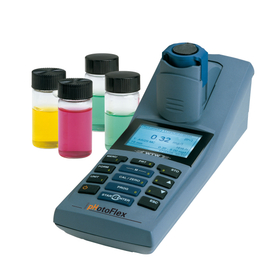
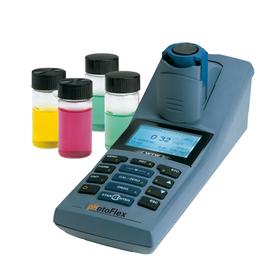
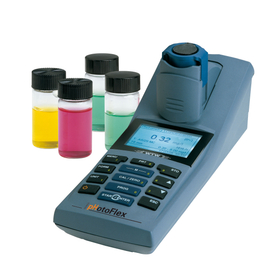
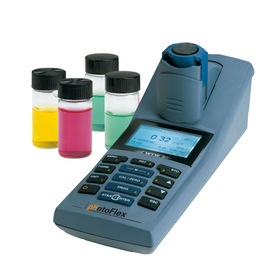
In water quality analysis at research institutions, accurate data acquisition is essential. In particular, the ability to measure a variety of water quality parameters quickly and with high precision is required. Traditional measurement methods have posed challenges due to the time and effort involved, making on-site measurements difficult. The pHotoFlex allows for multi-parameter measurement in a single device, enabling rapid data collection in the field. 【Usage Scenarios】 - Research related to water quality - Water quality pollution investigations - Environmental monitoring 【Benefits of Implementation】 - Achieves lab-level measurement accuracy in the field - Equipped with over 130 measurement programs to accommodate diverse water quality parameters - Simple operation reduces work time
Added to bookmarks
Bookmarks listBookmark has been removed
Bookmarks listYou can't add any more bookmarks
By registering as a member, you can increase the number of bookmarks you can save and organize them with labels.
Free membership registration
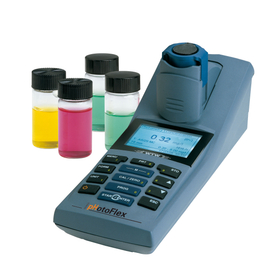
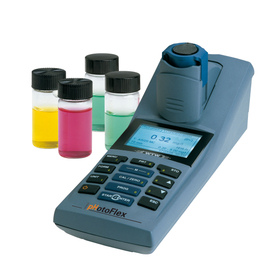
In the food processing industry, managing the quality of cleaning water is crucial to ensure product quality and safety. By properly managing parameters such as residual chlorine, pH, and turbidity in cleaning water, it is possible to prevent bacterial growth and reduce the risk of product quality deterioration and foreign matter contamination. photoFlex contributes to the efficiency of cleaning water management by allowing for rapid and accurate measurement of these water quality parameters on-site. 【Usage Scenarios】 - Cleaning water in food processing plants - Water quality management on production lines - HACCP compliance 【Benefits of Implementation】 - Early detection of anomalies in cleaning water quality - Improvement in product quality and safety - Reduction in work time and cost savings
Added to bookmarks
Bookmarks listBookmark has been removed
Bookmarks listYou can't add any more bookmarks
By registering as a member, you can increase the number of bookmarks you can save and organize them with labels.
Free membership registration
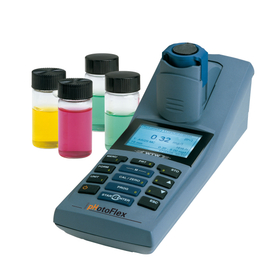
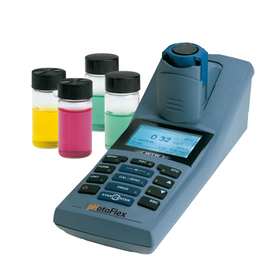
At power plants, managing the quality of cooling water is essential for the efficient operation of equipment and ensuring safety. Impurities in cooling water can lead to reduced heat exchange efficiency and equipment corrosion, potentially resulting in decreased power generation efficiency and, in the worst case, damage to the equipment. photoFlex enables rapid on-site water quality analysis and supports proper management of cooling water. 【Use Cases】 - Measurement of cooling water pH, residual chlorine, metal ions, etc. - Water quality management of boiler water - Wastewater management 【Benefits of Implementation】 - Early detection of anomalies through rapid on-site water quality testing - Increased efficiency in water quality management and cost reduction - Extended equipment lifespan and stable operation
Added to bookmarks
Bookmarks listBookmark has been removed
Bookmarks listYou can't add any more bookmarks
By registering as a member, you can increase the number of bookmarks you can save and organize them with labels.
Free membership registration
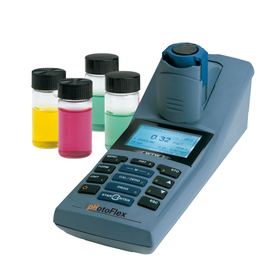
In the aquaculture industry, water quality management in fish farming ponds is a crucial factor that affects the growth and yield of seafood. In particular, deterioration of water quality can lead to the occurrence of fish diseases and hinder growth, potentially resulting in significant losses. photoFlex enables multi-parameter water quality measurement with a single device, allowing for rapid assessment of water quality on-site. This facilitates proper management of water quality in fish farming ponds and supports the healthy growth of seafood. 【Usage Scenarios】 - Monitoring water quality in fish farming ponds - Adjusting feeding amounts - Investigating causes during fish disease outbreaks - Implementing water quality improvement measures 【Benefits of Implementation】 - Early detection of water quality abnormalities - Maintenance of seafood health - Stabilization of yield - Cost reduction
Added to bookmarks
Bookmarks listBookmark has been removed
Bookmarks listYou can't add any more bookmarks
By registering as a member, you can increase the number of bookmarks you can save and organize them with labels.
Free membership registration
In agriculture, the management of irrigation water quality has a significant impact on crop growth. In particular, water quality parameters such as pH, inorganic nitrogen, phosphorus, and various metals are deeply related to soil fertility and nutrient absorption by crops. If proper water quality management is not conducted, it may lead to poor crop growth and reduced yields. photoFlex allows for multi-parameter water quality measurement with a single device, supporting rapid water quality testing in the field. 【Usage Scenarios】 - Water quality testing for irrigation - Measurement of components such as pH, nitrogen, and phosphorus - Water quality monitoring in the field 【Benefits of Implementation】 - Improvement of the crop growth environment - Suppression of excessive fertilizer application - Enhancement of yield and quality
Added to bookmarks
Bookmarks listBookmark has been removed
Bookmarks listYou can't add any more bookmarks
By registering as a member, you can increase the number of bookmarks you can save and organize them with labels.
Free membership registration
In education and research on water quality analysis at universities, accurate and reliable data acquisition is essential. By having students conduct actual water quality measurements and analyze the results, they can deepen their understanding of the mechanisms of water pollution and environmental issues. However, traditional measurement methods have posed challenges, as they are time-consuming and cumbersome, making it difficult for many students to conduct experiments simultaneously. photoFlex allows for multi-parameter water quality measurements with a single device and is easy to operate. This enables students to easily experience water quality measurement and gain more practical learning. 【Usage Scenarios】 - Water quality analysis experiments in university courses such as environmental science, chemistry, and biology - Water quality surveys in research laboratories - Water quality monitoring during fieldwork by students 【Effects of Implementation】 - Increased practical learning opportunities for students - Reduction and efficiency of experiment time - Deepened understanding through the measurement of diverse water quality parameters
Added to bookmarks
Bookmarks listBookmark has been removed
Bookmarks listYou can't add any more bookmarks
By registering as a member, you can increase the number of bookmarks you can save and organize them with labels.
Free membership registration
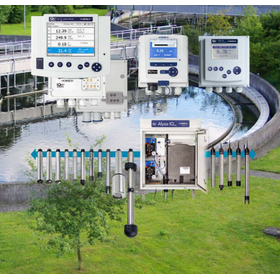
In the wastewater treatment industry, compliance with environmental regulations is essential. It is necessary to accurately understand the concentration of harmful substances in wastewater and to carry out appropriate treatment. In particular, parameters such as COD, nitrogen, and phosphorus are often subject to legal regulations, making rapid and accurate measurement crucial. photoFlex enables multi-parameter water quality measurement with a single device, facilitating quick measurements on-site and strongly supporting regulatory compliance. 【Usage Scenarios】 - Daily water quality management at wastewater treatment facilities - Monitoring of discharged water - Water quality checks in process management - Environmental surveys 【Benefits of Implementation】 - Ensures compliance with legal regulations - Improves operational efficiency by reducing measurement time - Enhances the reliability of measurement data - Reduces costs (decrease in reagent and waste liquid amounts)
Added to bookmarks
Bookmarks listBookmark has been removed
Bookmarks listYou can't add any more bookmarks
By registering as a member, you can increase the number of bookmarks you can save and organize them with labels.
Free membership registration
In the beverage manufacturing industry, managing the water quality used in production is crucial for maintaining product quality. In particular, it is essential to prevent foreign matter contamination and microbial pollution to ensure product safety. Inadequate water quality management can lead to product quality deterioration and potential health hazards for consumers. The photoFlex portable spectrophotometric multiparameter water quality meter allows for multiparameter water quality measurements with a single device, supporting quality management in beverage production. 【Usage Scenarios】 - Water quality testing in the manufacturing process - Product quality checks - Raw water quality testing 【Benefits of Implementation】 - Improved efficiency in quality management through rapid water quality testing - Comprehensive understanding of water quality through multiparameter measurements - Quick response through on-site measurements
Added to bookmarks
Bookmarks listBookmark has been removed
Bookmarks listYou can't add any more bookmarks
By registering as a member, you can increase the number of bookmarks you can save and organize them with labels.
Free membership registration
In environmental surveys, the rapid and accurate acquisition of water quality data is essential. To enable the early detection of water pollution and to measure the effectiveness of environmental conservation measures, equipment that can comprehensively and easily measure a variety of water quality parameters is required. The photoFlex supports on-site water quality analysis with over 130 measurement programs in a single device. 【Usage Scenarios】 - Water quality surveys of rivers, lakes, and oceans - Monitoring of wastewater treatment facilities - Environmental pollution investigations 【Benefits of Implementation】 - Efficient data collection through multi-parameter measurement - Rapid water quality assessment on-site - High durability due to IP67 waterproof construction
Added to bookmarks
Bookmarks listBookmark has been removed
Bookmarks listYou can't add any more bookmarks
By registering as a member, you can increase the number of bookmarks you can save and organize them with labels.
Free membership registration
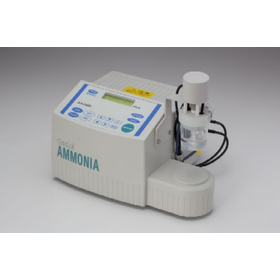
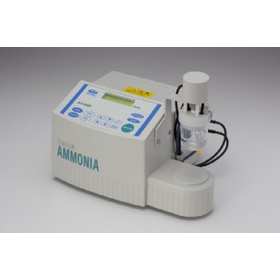
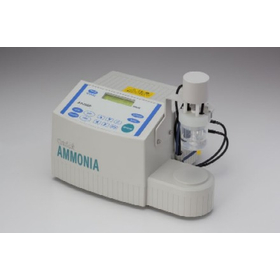
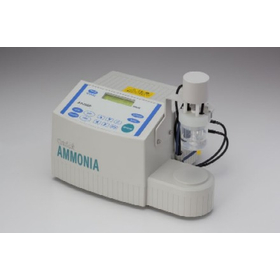
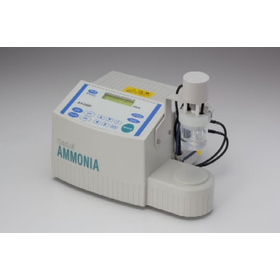
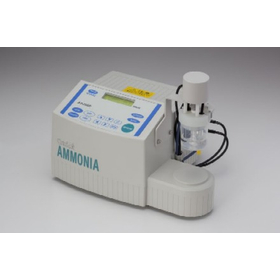
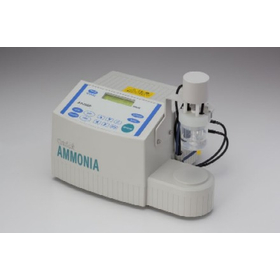
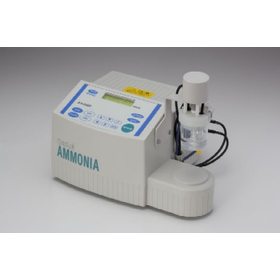
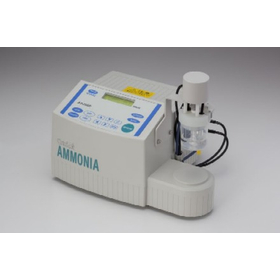
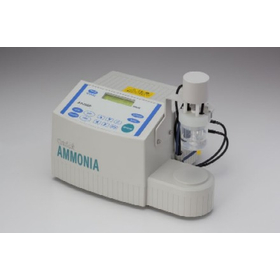
In the waste management industry, it is essential to identify the sources of unpleasant odors and implement appropriate measures. In particular, ammonia is one of the substances responsible for bad smells, and it is important to measure its concentration quickly and accurately. Traditional measurement methods have faced challenges such as taking a long time for measurements or producing unstable results. The AT-2000 achieves rapid measurements in about one minute with high precision, supporting odor control in waste treatment facilities. 【Usage Scenarios】 - Identifying sources of odors in waste treatment facilities - Measuring the effectiveness of deodorization equipment - Monitoring the work environment 【Benefits of Implementation】 - Increased efficiency in odor control through rapid measurements - Accurate measures leading to precise countermeasures - Reduced burden on employees through improved work environment
Added to bookmarks
Bookmarks listBookmark has been removed
Bookmarks listYou can't add any more bookmarks
By registering as a member, you can increase the number of bookmarks you can save and organize them with labels.
Free membership registration
In the fertilizer manufacturing industry, accurately understanding ammonia concentration is essential for maintaining product quality and optimizing the manufacturing process. If ammonia concentration is not properly managed, it can lead to a decline in product quality and a decrease in manufacturing efficiency. The coulometric ammonia meter AT-2000 addresses the challenges of ammonia concentration management in fertilizer production with rapid measurements of about one minute and high precision. 【Usage Scenarios】 - Measurement of ammonia concentration in the manufacturing process - Quality control of raw materials - Monitoring of wastewater treatment processes 【Benefits of Implementation】 - Increased efficiency in process management due to reduced measurement time - Stabilization of product quality through high-precision measurements - Reduced workload due to no need for calibration
Added to bookmarks
Bookmarks listBookmark has been removed
Bookmarks listYou can't add any more bookmarks
By registering as a member, you can increase the number of bookmarks you can save and organize them with labels.
Free membership registration
In the food processing industry, understanding the ammonia concentration during the manufacturing process is crucial for product quality control. Ammonia concentration serves as an important indicator for early detection of raw material spoilage and abnormalities in the manufacturing process. Rapid and accurate measurement is essential to ensure product safety and reduce waste. The AT-2000 supports quality control in food processing with its approximately one-minute speed measurement and high precision. 【Usage Scenarios】 - Measurement of ammonia concentration in food manufacturing processes - Quality checks of raw materials - Product quality management 【Benefits of Implementation】 - Early detection of abnormalities through rapid measurement - Maintenance of product quality - Reduction of waste
Added to bookmarks
Bookmarks listBookmark has been removed
Bookmarks listYou can't add any more bookmarks
By registering as a member, you can increase the number of bookmarks you can save and organize them with labels.
Free membership registration
In the chemical plant industry, rapid and accurate measurement of ammonia concentration is essential to prevent accidents caused by ammonia leaks. Traditional measurement methods have faced challenges such as taking too long or producing unstable results. The AT-2000 achieves speed measurements in about one minute and high-precision measurements, supporting safety management in the plant. 【Usage Scenarios】 - Monitoring ammonia concentration within the plant - Ensuring safety in the working environment - Rapid concentration measurement in emergencies 【Benefits of Implementation】 - Early detection of anomalies through quick measurements - Accurate measures based on precise data - Ensuring the safety of workers
Added to bookmarks
Bookmarks listBookmark has been removed
Bookmarks listYou can't add any more bookmarks
By registering as a member, you can increase the number of bookmarks you can save and organize them with labels.
Free membership registration
In the wastewater treatment industry, efficient water quality management is required. In particular, ammonia concentration is an important indicator for optimizing treatment processes and reducing environmental impact. Traditional measurement methods have faced challenges due to the time required for measurement, making rapid responses difficult. The AT-2000 enables rapid measurements in about one minute, contributing to the efficiency of ammonia concentration management in wastewater treatment. 【Usage Scenarios】 - Measurement of ammonia concentration in inflow water and treated water at wastewater treatment plants - Monitoring of ammonia concentration in aeration tanks and reaction tanks - Optimization of wastewater treatment processes 【Benefits of Implementation】 - Increased efficiency of analysis operations due to reduced measurement time - Optimization of treatment processes based on rapid data collection - Avoidance of issues through quick responses to changes in ammonia concentration
Added to bookmarks
Bookmarks listBookmark has been removed
Bookmarks listYou can't add any more bookmarks
By registering as a member, you can increase the number of bookmarks you can save and organize them with labels.
Free membership registration
In university research fields, the accuracy and efficiency of experiments are crucial. In particular, measuring ammonia concentration is essential in various areas such as water quality management and biological research. However, traditional measurement methods have posed challenges, such as taking a long time for measurements and requiring calibration. The AT-2000 achieves rapid measurements in about one minute and does not require calibration, thereby reducing the workload for researchers and improving research efficiency. 【Usage Scenarios】 - Water quality analysis experiments - Biological culture experiments - Environmental surveys 【Effects of Implementation】 - Reduction of experiment time through rapid data acquisition - Liberation from calibration tasks - Increased reliability of experimental results through high-precision measurements
Added to bookmarks
Bookmarks listBookmark has been removed
Bookmarks listYou can't add any more bookmarks
By registering as a member, you can increase the number of bookmarks you can save and organize them with labels.
Free membership registration
In the aquaculture industry, water quality management is essential for maintaining the health and growth of seafood. In particular, ammonia concentration is harmful to fish, making it important to manage this concentration appropriately. Traditional measurement methods have faced challenges such as time-consuming measurements and the hassle of calibration. The AT-2000 achieves rapid measurement in about one minute and eliminates the need for calibration, contributing to the efficiency of water quality management in aquaculture. 【Usage Scenarios】 - Water quality monitoring in aquaculture ponds - Water quality management in tanks - Monitoring of wastewater treatment processes 【Benefits of Implementation】 - Early detection of abnormalities through rapid ammonia concentration measurement - Reduction of work time due to decreased calibration tasks - Maintenance of seafood health and promotion of growth - Improvement of the aquaculture environment
Added to bookmarks
Bookmarks listBookmark has been removed
Bookmarks listYou can't add any more bookmarks
By registering as a member, you can increase the number of bookmarks you can save and organize them with labels.
Free membership registration
In the livestock industry, there is a demand for balancing livestock health management and environmental conservation. In particular, the ammonia concentration within livestock barns not only affects the respiratory diseases of livestock and the health of workers but also causes unpleasant odors and increases the burden on the surrounding environment. Rapid and accurate ammonia measurement is essential for proper ventilation and waste management, contributing to the improvement of livestock environments. The AT-2000 streamlines ammonia concentration management in livestock settings with speed measurements of about one minute. 【Usage Scenarios】 - Measuring ammonia concentration in livestock barns - Measuring ammonia concentration in wastewater treatment facilities - Water quality management in aquaculture ponds 【Benefits of Implementation】 - Early detection of abnormalities through rapid measurement - Improved livestock health management and productivity - Enhanced working environment and odor control - Reduction of environmental impact
Added to bookmarks
Bookmarks listBookmark has been removed
Bookmarks listYou can't add any more bookmarks
By registering as a member, you can increase the number of bookmarks you can save and organize them with labels.
Free membership registration
Environmental consultants require rapid and accurate measurement of ammonia concentration in water quality surveys. Particularly in identifying sources of environmental pollution and planning measures to combat water quality degradation, reducing measurement time and improving accuracy are essential. Traditional colorimetric methods and ion electrode methods have faced challenges such as lengthy measurement times and susceptibility to interference from turbidity and coloration. The AT-2000 achieves rapid measurement in about one minute, high precision, and easy operation, addressing these issues. 【Application Scenarios】 - Environmental water quality surveys in rivers, lakes, and oceans - Operation management of wastewater treatment facilities - Water quality management in aquaculture 【Benefits of Implementation】 - Improved survey efficiency through rapid data collection - Accurate analysis through high-precision measurements - Reduced workload due to no need for calibration
Added to bookmarks
Bookmarks listBookmark has been removed
Bookmarks listYou can't add any more bookmarks
By registering as a member, you can increase the number of bookmarks you can save and organize them with labels.
Free membership registration
In the semiconductor manufacturing industry's clean rooms, managing trace contaminants during the manufacturing process is crucial. Ammonia can adversely affect the quality of semiconductor devices, necessitating accurate measurement and management of its concentration. Colorimetric methods and ion electrode methods have faced challenges such as long measurement times and unstable results. The AT-2000 enables rapid measurement in about one minute, high precision, and easy operation, streamlining the monitoring of ammonia concentration in clean room environments. 【Usage Scenarios】 - Measurement of ammonia concentration in clean rooms - Management of ammonia contamination in semiconductor manufacturing processes - Measurement of ammonia concentration in wastewater treatment facilities 【Benefits of Implementation】 - Early detection of abnormalities through rapid measurement - Improved quality control through high-precision measurement - Enhanced work efficiency due to no need for calibration
Added to bookmarks
Bookmarks listBookmark has been removed
Bookmarks listYou can't add any more bookmarks
By registering as a member, you can increase the number of bookmarks you can save and organize them with labels.
Free membership registration
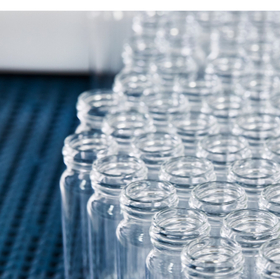
This is a pre-cleaned TOC vial specifically designed for TOC analysis. It comes with a cleaning guarantee of less than 10 ppb TOC, which helps minimize contamination from the container and ensures stable TOC measurements. It is compatible with TOC analyzers from various manufacturers, including Sievers. The vial itself is reusable, and only the cap needs to be replaced, contributing to reduced running costs. **Features:** - Cleaning guarantee of less than 10 ppb TOC: Since it is pre-cleaned, it reduces the risk of blank increases and sudden abnormal values from the vial. - Reusable vial for cost reduction: Only the cap can be replaced. The vial can be used repeatedly, helping to control consumable costs. - Thin septum adopted: Reduces the burden on the needle due to septum degradation, lowering the risk of equipment troubles. - Usable with TOC analyzers other than Sievers: Compatible with a wide range of TOC analyzers regardless of the manufacturer. - Packaging considerate of pharmaceutical manufacturing areas: Uses a plastic corrugated case (to prevent cardboard powder) to accommodate clean environments.
Added to bookmarks
Bookmarks listBookmark has been removed
Bookmarks listYou can't add any more bookmarks
By registering as a member, you can increase the number of bookmarks you can save and organize them with labels.
Free membership registration
In the food manufacturing industry, it is important to minimize the risk of foreign matter contamination in the manufacturing process. Water quality management is a crucial element in ensuring product quality and safety, and it influences the potential for foreign matter contamination. The IQ Sensor Net continuously monitors water quality and detects abnormalities early, thereby reducing the risk of foreign matter contamination. [Usage Scenarios] - Monitoring water quality of cooling water, cleaning water, and raw material water on the production line - Water quality monitoring in processes where foreign matter contamination is possible - Early response in the event of water quality abnormalities [Benefits of Implementation] - Improved product quality due to reduced risk of foreign matter contamination - Cost reduction through more efficient water quality management - Faster identification of causes in the event of foreign matter contamination.
Added to bookmarks
Bookmarks listBookmark has been removed
Bookmarks listYou can't add any more bookmarks
By registering as a member, you can increase the number of bookmarks you can save and organize them with labels.
Free membership registration
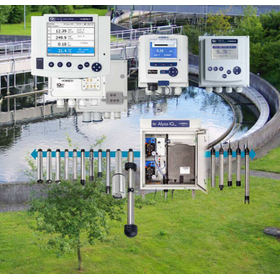
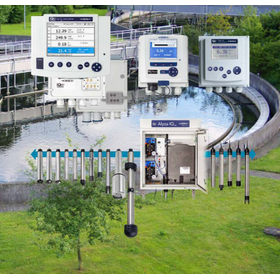
In the water supply and drainage industry, the loss of water resources due to leaks and the deterioration of infrastructure are significant challenges. Accurate understanding of water quality data and prompt responses are essential for leak detection. The IQ Sensor Network allows for the flexible combination of 21 types of sensors to monitor water quality and detect anomalies early, thereby reducing the risk of leaks. 【Usage Scenarios】 - Water quality monitoring in distribution networks - Water quality management at water purification plants and sewage treatment facilities - Early detection of water quality changes during leak occurrences 【Benefits of Implementation】 - Conservation of water resources through early detection of leak locations - Prolonged lifespan of infrastructure facilities - Reduced risk of water quality incidents
Added to bookmarks
Bookmarks listBookmark has been removed
Bookmarks listYou can't add any more bookmarks
By registering as a member, you can increase the number of bookmarks you can save and organize them with labels.
Free membership registration
In the chemical plant industry, wastewater management and environmental pollution prevention are important issues in the manufacturing process. In particular, the early detection of harmful substance leaks and abnormal values is essential for compliance with regulations and maintaining the company's image. The IQ Sensor Net allows for the flexible combination of 21 types of sensors to monitor various water quality data in real-time within the plant, reducing the risk of contamination. 【Usage Scenarios】 - Monitoring of wastewater treatment processes - Water quality management in manufacturing processes - Compliance with environmental regulations 【Benefits of Implementation】 - Prevention of contamination spread through early detection of water quality abnormalities - Implementation of accurate improvement measures based on data - Enhanced compliance and corporate evaluation
Added to bookmarks
Bookmarks listBookmark has been removed
Bookmarks listYou can't add any more bookmarks
By registering as a member, you can increase the number of bookmarks you can save and organize them with labels.
Free membership registration
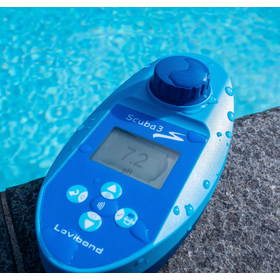
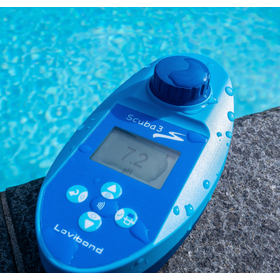
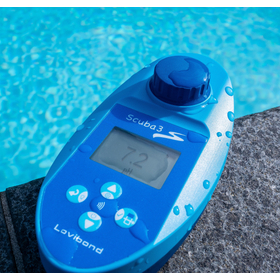
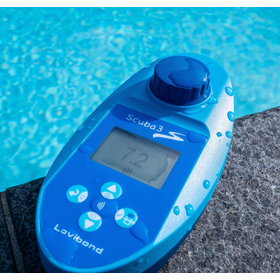
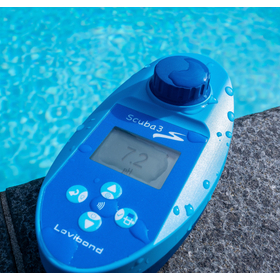
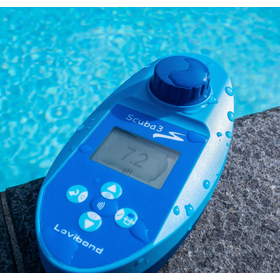
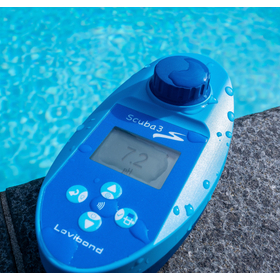
In experiments conducted at research institutions, accurate water quality management significantly impacts the results. In particular, parameters such as pH, residual chlorine, and cyanuric acid are crucial factors that influence the reproducibility and reliability of experiments. Scuba 3s supports the measurement of up to nine parameters, including these, to enhance water quality management and improve the quality of experiments. 【Usage Scenarios】 - Water quality management in chemical experiments - Water quality management of media and aquariums in biological experiments - Water quality surveys in environmental analysis 【Benefits of Implementation】 - Improved reliability of experimental data - Increased efficiency of experiments - Simplified recording and management of measurement results
Added to bookmarks
Bookmarks listBookmark has been removed
Bookmarks listYou can't add any more bookmarks
By registering as a member, you can increase the number of bookmarks you can save and organize them with labels.
Free membership registration
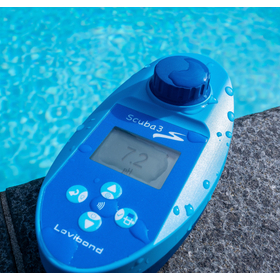
In the quality inspection of drinking water, rapid and accurate water quality measurements are required to ensure a safe water supply. In particular, parameters such as residual chlorine and pH are important for assessing water safety. Variability in measurement results and delays in measurement can increase risks in quality management. Scuba 3s addresses these challenges by streamlining drinking water quality management with multi-parameter measurement, easy operation, and data transfer capabilities. 【Usage Scenarios】 - Quality checks in the drinking water production process - Routine inspections of water storage tanks and supply facilities - Record-keeping related to water quality management 【Benefits of Implementation】 - Early detection of abnormalities through rapid measurement - Increased efficiency in recording and managing measurement data - Improved quality through accurate understanding of water quality information
Added to bookmarks
Bookmarks listBookmark has been removed
Bookmarks listYou can't add any more bookmarks
By registering as a member, you can increase the number of bookmarks you can save and organize them with labels.
Free membership registration
In lake and pond ecosystems, maintaining water quality is extremely important. Changes in water quality, such as pH, residual chlorine, and cyanuric acid, can have a significant impact on the organisms living there and may disrupt the balance of the ecosystem. Rapid and accurate water quality measurements are essential for early detection of abnormalities and for taking appropriate measures. Scuba 3s addresses these challenges and supports water quality management in lakes and ponds. 【Usage Scenarios】 - Water quality surveys in lakes and ponds - Environmental monitoring - Ecosystem conservation activities 【Benefits of Implementation】 - Early detection of water quality abnormalities - Minimizing impacts on the ecosystem - Efficient management through rapid data collection
Added to bookmarks
Bookmarks listBookmark has been removed
Bookmarks listYou can't add any more bookmarks
By registering as a member, you can increase the number of bookmarks you can save and organize them with labels.
Free membership registration
In river pollution surveys, it is important to accurately grasp water quality and identify pollution sources as well as assess environmental impacts. In particular, there is a need to quickly measure the concentrations of pH, residual chlorine, and other harmful substances to detect abnormalities early. Scuba 3s is designed to facilitate these measurements easily and quickly. 【Usage Scenarios】 - River water quality surveys - Environmental monitoring - Pollution source identification 【Benefits of Implementation】 - Comprehensive water quality assessment through multi-parameter measurement - Early response through rapid data collection - Efficient data management through NFC data transfer
Added to bookmarks
Bookmarks listBookmark has been removed
Bookmarks listYou can't add any more bookmarks
By registering as a member, you can increase the number of bookmarks you can save and organize them with labels.
Free membership registration
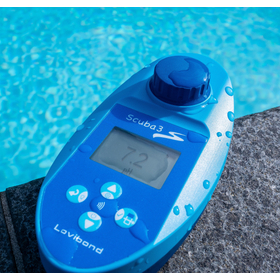
In environmental surveys, the rapid and accurate acquisition of water quality data is essential. Particularly for the early detection of water pollution and monitoring environmental changes, it is important to efficiently conduct multi-parameter water quality measurements. Scuba 3s supports the measurement of up to 9 parameters, including residual chlorine, pH, and cyanuric acid, providing strong support for on-site water quality management. 【Usage Scenarios】 - Water quality surveys of rivers, lakes, and oceans - Monitoring of wastewater treatment facilities - Environmental pollution investigations 【Benefits of Implementation】 - Comprehensive water quality assessment through multi-parameter measurements - Improved data management efficiency through smartphone integration - High reliability on-site due to IPX7 waterproofing
Added to bookmarks
Bookmarks listBookmark has been removed
Bookmarks listYou can't add any more bookmarks
By registering as a member, you can increase the number of bookmarks you can save and organize them with labels.
Free membership registration
In aquariums, water quality management is crucial for maintaining the health of the organisms. Deterioration of water quality can lead to diseases or death of the organisms. In particular, parameters such as residual chlorine, pH, and cyanuric acid have a significant impact on the living environment of the organisms. Scuba 3s quickly and accurately measures these water quality parameters to support water quality management. 【Usage Scenarios】 - Checking water quality in tanks - Monitoring the health status of organisms - Creating water quality management records 【Benefits of Implementation】 - Early detection of water quality abnormalities - Maintenance of organism health - Increased efficiency in water quality management tasks
Added to bookmarks
Bookmarks listBookmark has been removed
Bookmarks listYou can't add any more bookmarks
By registering as a member, you can increase the number of bookmarks you can save and organize them with labels.
Free membership registration
In the food manufacturing industry, managing the quality of water used in the production process is crucial to ensure product quality and safety. In particular, proper management of residual chlorine concentration and pH levels is essential to prevent foreign matter contamination and microbial pollution. Scuba 3s contributes to the efficiency of water quality management in the manufacturing process by quickly and accurately measuring these water quality parameters. 【Usage Scenarios】 - Water quality testing in food manufacturing processes - Water quality management for cooling water and cleaning water - HACCP compliance 【Benefits of Implementation】 - Early detection of water quality abnormalities to maintain quality - Reduction of work time and increased efficiency - Streamlining management tasks through digitization of records
Added to bookmarks
Bookmarks listBookmark has been removed
Bookmarks listYou can't add any more bookmarks
By registering as a member, you can increase the number of bookmarks you can save and organize them with labels.
Free membership registration
In the hot spring industry, accurately understanding water quality components is essential for maintaining water quality and ensuring user safety. In particular, components such as pH, residual chlorine, and hardness significantly affect the efficacy and hygiene of hot springs. If proper water quality management is not conducted, the risk of deterioration of water quality and health hazards due to the emergence of bacteria like Legionella increases. Scuba 3s quickly and accurately measures the components of hot spring water, addressing these challenges. 【Usage Scenarios】 - Management of hot spring water quality - Analysis of source water components - Hygiene management of bath water - Monitoring of water quality changes 【Benefits of Implementation】 - Maintenance of water quality through accurate data acquisition - Provision of a safe bathing environment - Streamlining of water quality management operations - Improvement of customer satisfaction
Added to bookmarks
Bookmarks listBookmark has been removed
Bookmarks listYou can't add any more bookmarks
By registering as a member, you can increase the number of bookmarks you can save and organize them with labels.
Free membership registration
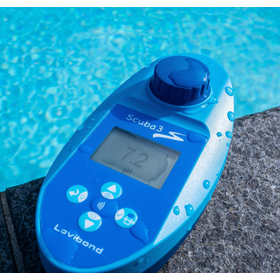
In pool hygiene management, water quality is a very important factor in protecting the health of users. Proper management of residual chlorine concentration and pH levels is essential to reduce the risk of infections and maintain a comfortable swimming environment. However, traditional testing methods have been challenging due to their time-consuming and labor-intensive nature. Scuba 3s enables the rapid and accurate measurement of multiple parameters, including residual chlorine, pH, and cyanuric acid, facilitating effective pool water quality management. 【Usage Scenarios】 - Pool water quality testing - Water quality management in bathing facilities - Streamlining water quality management 【Benefits of Implementation】 - Reduced measurement time - Improved accuracy of water quality management - Enhanced efficiency in data management
Added to bookmarks
Bookmarks listBookmark has been removed
Bookmarks listYou can't add any more bookmarks
By registering as a member, you can increase the number of bookmarks you can save and organize them with labels.
Free membership registration
In the aquaculture industry, water quality management is crucial for maintaining a good growth environment for seafood. In particular, deterioration of water quality can lead to the occurrence of fish diseases and poor growth, directly impacting profits. It is essential to quickly and accurately measure parameters such as residual chlorine, pH, and cyanuric acid to maintain appropriate water quality. Scuba 3s strongly supports water quality management in aquaculture with easy operation and smartphone-linked data management. 【Usage Scenarios】 - Water quality monitoring in aquaculture ponds - Rapid identification of causes during water quality anomalies - Streamlining water quality management records 【Benefits of Implementation】 - Maintenance of seafood health and promotion of growth - Reduction of disease risk - Shortening and streamlining of work time
Added to bookmarks
Bookmarks listBookmark has been removed
Bookmarks listYou can't add any more bookmarks
By registering as a member, you can increase the number of bookmarks you can save and organize them with labels.
Free membership registration
In the metal industry, suppressing corrosion is a crucial issue for maintaining product quality and extending the lifespan of equipment. In particular, water quality management used in the manufacturing process significantly affects the occurrence of corrosion. Impurities in the water can promote metal corrosion, potentially leading to product defects and early deterioration of equipment. Our water quality monitoring system enables rapid responses based on real-time data, reducing the risk of corrosion. 【Usage Scenarios】 - Cooling water management in metal processing - Water quality management in cleaning processes - Optimization of wastewater treatment processes 【Benefits of Implementation】 - Reduction of product defects due to corrosion - Decrease in equipment maintenance costs - Improvement in product quality
Added to bookmarks
Bookmarks listBookmark has been removed
Bookmarks listYou can't add any more bookmarks
By registering as a member, you can increase the number of bookmarks you can save and organize them with labels.
Free membership registration
In the pulp industry, wastewater treatment requires compliance with discharge standards and optimization of the treatment process. It is particularly important to accurately understand the concentration of organic matter in the wastewater and efficiently remove it. Inadequate water quality management can increase the environmental burden and raise the risk of compliance violations. Our real-time water quality monitoring system rapidly and accurately measures TOC (Total Organic Carbon) to support the optimization of the wastewater treatment process. [Usage Scenarios] - Monitoring of the wastewater treatment process - Compliance with discharge standards - Improvement of treatment efficiency [Benefits of Implementation] - Real-time understanding of organic matter concentration in wastewater - Early detection of abnormalities in the treatment process - Reduction of wastewater treatment costs
Added to bookmarks
Bookmarks listBookmark has been removed
Bookmarks listYou can't add any more bookmarks
By registering as a member, you can increase the number of bookmarks you can save and organize them with labels.
Free membership registration
In the food industry, managing the quality of water used in manufacturing is crucial to ensure product quality and safety. Water quality directly affects the taste, safety, and shelf life of products, necessitating strict management. Water pollution can increase the risk of product quality deterioration and foodborne illnesses. Our real-time data-driven water quality monitoring system enables rapid anomaly detection and response, contributing to the maintenance of food quality. 【Use Cases】 - Water quality management in food manufacturing - Preservation of product quality - Optimization of manufacturing processes 【Benefits of Implementation】 - Thorough quality management - Improved product safety - Reduction in manufacturing costs
Added to bookmarks
Bookmarks listBookmark has been removed
Bookmarks listYou can't add any more bookmarks
By registering as a member, you can increase the number of bookmarks you can save and organize them with labels.
Free membership registration
In the power industry, efficient operation of plants is essential for stable power supply. Water is used for various purposes such as cooling and boilers, and its quality management directly impacts the stable operation of the plant. Deterioration of water quality can lead to equipment failure and decreased efficiency, potentially resulting in instability in power supply. Our water quality measurement devices contribute to the stable operation of plants by providing real-time data and supporting quick decision-making. 【Application Scenarios】 - Water quality management for cooling water and boiler feedwater - Optimization of water treatment processes - Detection of abnormalities in the plant 【Benefits of Implementation】 - Stable operation of the plant - Cost reduction - Compliance with regulations
Added to bookmarks
Bookmarks listBookmark has been removed
Bookmarks listYou can't add any more bookmarks
By registering as a member, you can increase the number of bookmarks you can save and organize them with labels.
Free membership registration
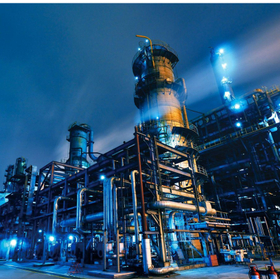
In the petrochemical industry, particularly in refineries, strict management of water quality and quantity is essential for efficient operations. Delays in water quality management increase the risk of cost increases and regulatory violations. Rapid decision-making using real-time data contributes to cost and time savings, as well as water reuse and recycling. Our water quality measurement devices have been developed to address these challenges. 【Use Cases】 - Management of water quality for cooling water, boiler feed water, and other process water - Management and minimization of water usage - Compliance with wastewater standards - Improvement of process control 【Benefits of Implementation】 - Cost reduction - Compliance adherence - Enhanced sustainability of the plant
Added to bookmarks
Bookmarks listBookmark has been removed
Bookmarks listYou can't add any more bookmarks
By registering as a member, you can increase the number of bookmarks you can save and organize them with labels.
Free membership registration
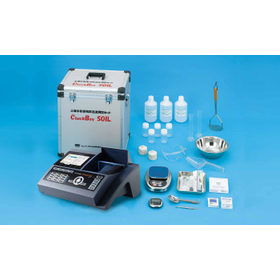
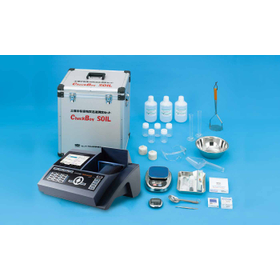
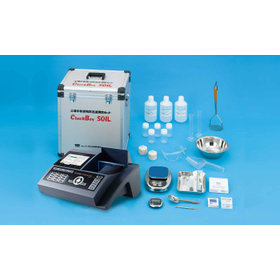
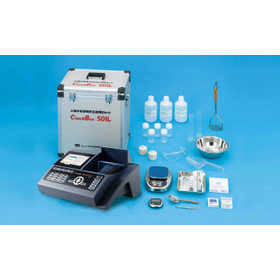
The soil around playground equipment in parks is likely to be directly touched by children, making safety extremely important. Soil contamination can adversely affect children's health. In particular, contamination from heavy metals and harmful substances requires early detection and appropriate measures. CheckBoy SOIL is ideal for screening investigations of soil contamination and can quickly confirm the safety of soil around playground equipment. 【Usage Scenarios】 - Soil investigation before the installation of playground equipment - Regular soil testing around existing playground equipment - Rapid initial investigation in cases of suspected soil contamination 【Benefits of Implementation】 - Reducing health risks for children - Early response through quick understanding of contamination status - Reduction of investigation costs and construction time
Added to bookmarks
Bookmarks listBookmark has been removed
Bookmarks listYou can't add any more bookmarks
By registering as a member, you can increase the number of bookmarks you can save and organize them with labels.
Free membership registration
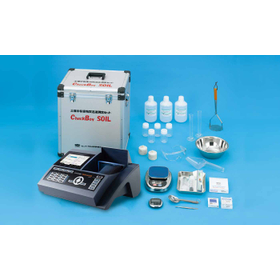
At golf courses, soil safety is important. In particular, soil contamination from the use of pesticides and fertilizers can pose health risks to users. Additionally, soil contamination can not only damage the facility's image but also lead to legal liabilities. CheckBoy SOIL is ideal for screening investigations of soil contamination. 【Usage Scenarios】 - Soil contamination surveys within the golf course - Safety checks in pesticide application areas - Rapid response in the event of contamination 【Benefits of Implementation】 - Early detection of soil contamination risks - Reduction in investigation costs and duration - Ensuring user safety
Added to bookmarks
Bookmarks listBookmark has been removed
Bookmarks listYou can't add any more bookmarks
By registering as a member, you can increase the number of bookmarks you can save and organize them with labels.
Free membership registration
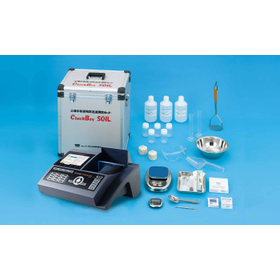
In pollution control at factories, it is important to quickly understand the risks of soil contamination and take appropriate action. Especially in operating factories, rapid initial response is required in the event of contamination. CheckBoy SOIL can quickly measure heavy metals and specific harmful substances in the soil on-site, allowing for early detection of contamination and its distribution, enabling prompt response. 【Usage Scenarios】 - Soil contamination investigation within factory premises - Soil contamination investigation at waste disposal sites - Environmental surveys of surrounding areas 【Benefits of Implementation】 - Reduction in investigation time - Decrease in investigation costs - Early detection and response to contamination risks
Added to bookmarks
Bookmarks listBookmark has been removed
Bookmarks listYou can't add any more bookmarks
By registering as a member, you can increase the number of bookmarks you can save and organize them with labels.
Free membership registration
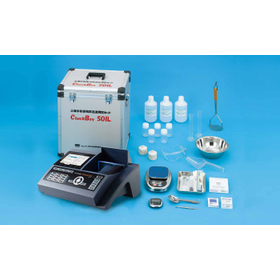
In archaeological site investigations, the presence of harmful substances in the soil is an important issue for assessing the safety of the investigation and its environmental impact. In particular, soil contamination resulting from past activities can pose health risks to investigators and adversely affect the preservation of excavated items. CheckBoy SOIL can quickly measure heavy metals and specific harmful substances in the soil on-site, contributing to risk assessment in the early stages of the investigation. 【Usage Scenarios】 - Preliminary surveys before excavation of archaeological sites - Soil contamination screening at excavation sites - Evaluation of the preservation environment for excavated items 【Benefits of Implementation】 - Accelerated and more efficient investigations - Ensured safety for investigators - Early detection of soil contamination risks
Added to bookmarks
Bookmarks listBookmark has been removed
Bookmarks listYou can't add any more bookmarks
By registering as a member, you can increase the number of bookmarks you can save and organize them with labels.
Free membership registration
In environmental education at schools, it is important to deepen understanding of soil contamination issues. By having students measure soil contaminants and analyze the results, their interest in environmental issues can be heightened, and problem-solving skills can be developed. However, traditional soil contamination surveys require specialized knowledge and expensive equipment, making implementation in schools difficult. CheckBoy SOIL allows for measurements to be taken quickly on-site, making it easy to learn about soil contamination. [Usage Scenarios] - Science classes in schools - Extracurricular activities related to environmental issues - Environmental surveys in collaboration with the community [Effects of Implementation] - Deepening students' interest and understanding of environmental issues - Developing problem-solving skills through practical learning - Enhancing learning through collaboration with the local community
Added to bookmarks
Bookmarks listBookmark has been removed
Bookmarks listYou can't add any more bookmarks
By registering as a member, you can increase the number of bookmarks you can save and organize them with labels.
Free membership registration
In forest conservation, soil contamination can lead to impacts on ecosystems and a decline in the quality of timber. Particularly in areas where past mining development and industrial activities have occurred, the presence of heavy metals and harmful substances in the soil is a concern. Rapidly identifying these pollutants and implementing appropriate measures is crucial for maintaining a healthy forest environment. CheckBoy SOIL allows for the quick measurement of harmful substances in the soil on-site, enabling efficient understanding of the presence and distribution of contamination and facilitating prompt responses. 【Usage Scenarios】 - Forest soil contamination surveys - Preliminary surveys of planned logging sites - Soil surveys before afforestation 【Benefits of Implementation】 - Reduction in survey costs and duration - Early detection of contamination risks - Conservation of forest environments through prompt implementation of measures
Added to bookmarks
Bookmarks listBookmark has been removed
Bookmarks listYou can't add any more bookmarks
By registering as a member, you can increase the number of bookmarks you can save and organize them with labels.
Free membership registration
During a disaster, soil contamination can cause secondary health hazards. In particular, the destruction of infrastructure and the leakage of chemicals increase the risk of soil contamination. Rapid assessment of contamination conditions is essential for ensuring evacuation routes and the safety of recovery operations. CheckBoy SOIL is ideal for on-site rapid measurement of harmful substances in the soil, allowing for screening investigations to determine the presence and distribution of contamination. 【Usage Scenarios】 - Contamination surveys after a disaster - Selection of evacuation areas - Safety checks before recovery operations 【Benefits of Implementation】 - Rapid identification of contamination risks - Prevention of secondary damage - Increased efficiency of recovery operations
Added to bookmarks
Bookmarks listBookmark has been removed
Bookmarks listYou can't add any more bookmarks
By registering as a member, you can increase the number of bookmarks you can save and organize them with labels.
Free membership registration