"What is 'cure inhibition' of silicone?" has been added to AD-Chemi.
 安達新産業 本社
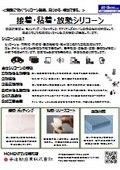
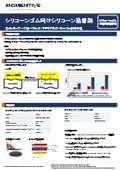
Addition-curing silicone is widely used in various industrial fields such as potting, bonding, coating, and molding of electronic components due to its excellent heat resistance, electrical insulation, and weather resistance. However, in the field, troubles such as "it doesn't cure even though I mixed it according to the recipe," "only the surface is sticky and doesn't cure," and "only the parts that come into contact with specific jigs or substrates experience curing failure" occur quite frequently. Many of these phenomena are referred to as "cure inhibition." Cure inhibition is not due to the poor quality of the silicone itself, but rather occurs when trace amounts of chemicals contained in the surrounding environment or contact materials interfere with the function of the catalyst responsible for the curing reaction. Even trace amounts of the causative substances can have an impact, making it difficult to identify the cause, which can lead to significant yield loss and complaints in the production site.
Chapter 1: Curing Mechanism of Addition-Curing Silicone
Chapter 2: What is Cure Inhibition? Mechanism of Occurrence
Chapter 3: Main Causative Substances and Sources of Cure Inhibition
Chapter 4: How to Identify Cure Inhibition and Practical Countermeasures
Summary
For more details, please check our company website.

Inquiry about this news
Contact Us OnlineMore Details & Registration
Details & Registration
Related Links
Related product


Related catalog(3)
Distributors