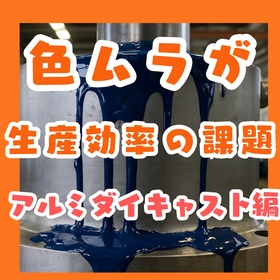
The cause of color unevenness is the variation in film thickness. By managing within plus or minus 30 microns, it is possible to reduce it by 90 percent.
Color variation is the difference in light refraction caused by varying film thickness in different areas. Even with the same color number, if there is variation in film thickness, the color may appear different, leading to a rejection rate of about 35 percent in visual inspections. The numerical target for film thickness management: managing the thickness within plus or minus 20 microns reduces the occurrence of color variation to below 5 percent. If the current management is within plus or minus 50 microns, simply improving to plus or minus 30 microns will reduce color variation by 60 percent. Optimization of spray distance and pressure: By maintaining the spray distance at 20 cm and the pressure within plus or minus 10 percent of 3.0 kg/cm², film thickness variation can be controlled to plus or minus 25 microns. The introduction of automatic spraying equipment improves film thickness accuracy by eight times compared to manual work. The impact of drying speed: If drying is too fast, solvents evaporate unevenly, resulting in thicker areas of the film. Ensuring an appropriate drying time (30 minutes at 25 degrees) achieves a 70 percent prevention rate for color variation. With our automatic spraying system and film thickness management, we achieve zero occurrences of color variation, enabling both quality improvement and production efficiency.
Inquire About This Product
Related Videos
basic information
Film thickness management, spraying conditions, drying control, automation
Price range
Delivery Time
Applications/Examples of results
Reduction of color unevenness, improvement of appearance quality.
catalog(3)
Download All Catalogs
Company information

We are not just a "subcontracted painting factory." Established in 1958, our company has a foundation of painting technology and also specializes in chemical treatment, stripping, and cleaning, functioning as the "external surface treatment department" in your organizational chart. Based on our philosophy of "preparation is eight-tenths of the work," we emphasize participation from the "upstream process" before the drawings are finalized. We conduct test painting on a wide range of metals and difficult materials, and we produce the entire process from assembly, packaging, to delivery, thereby reducing your management workload. Additionally, by being able to perform zinc phosphate treatment in-house, we achieve stable painting quality. Furthermore, our micro-heating stripping technology, which does not use chemicals, maintains the electrical state of the "jigs (hangers)" that influence painting quality. Our approach of "pre-treatment determines painting quality" ensures the stability of the paint film during mass production. Rather than simply "applying specified standards," we work backwards to achieve optimal painting specifications and prevent scratches during transportation, sparing no effort in thorough discussions from the outset. This diligent preparation is the shortest path to preventing rework and minimizing total costs. From the development stage, please utilize the expertise of our specialists as part of your production line.