Rapid growth trend! What are the secrets to the PMMA film market size exceeding 977 million USD by 2026?
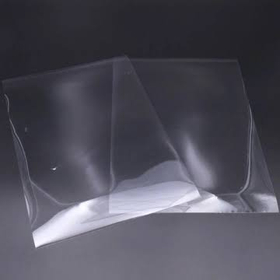
Poly(methyl methacrylate) film (PMMA film) is a transparent thermoplastic resin film made primarily from poly(methyl methacrylate) resin, also known as acrylic film. It has excellent light transmission, weather resistance, ultraviolet (UV) shielding properties, and is lightweight, making it suitable for applications in a wide range of fields such as consumer electronics, construction, automotive, advertising signage, and reflective sheets, as well as for heating molding and lamination processes.
Inquire About This Product
basic information
Global Market Size of Poly(methyl methacrylate) Film (PMMA Film) According to the latest research report published by Global Reports titled "Global Market Size, Share, Company Rankings, Sales, and Demand Trend Forecast for Poly(methyl methacrylate) Film (PMMA Film) (2026-2032)," the global market size is expected to expand from approximately 929 million USD in 2025 to about 977 million USD in 2026, with an average annual growth rate (CAGR) of 4.7% from 2026 to 2032, reaching approximately 1.287 billion USD by 2032. The advancement of optical applications and the growing demand for lightweight materials are key factors supporting the medium to long-term growth of the PMMA film market.
Price range
Delivery Time
Applications/Examples of results
Manufacturing Technology and Quality Control of PMMA Film The manufacturing methods for PMMA film are mainly classified into melt extrusion and casting methods. In the melt extrusion method, dried PMMA resin is heated and plasticized in an extruder, then extruded into sheet form through a flat die and rapidly cooled with cooling rolls. After that, the product is finalized through thickness and surface condition adjustments with rolls, cooling, edge trimming, slitting, and winding. For optical applications, it is necessary to precisely manage the spacing between the die and cooling rolls, cooling speed, and the flow state of the resin to achieve uniform thickness, transparency, and suppression of surface defects. On the other hand, for products requiring high optical quality, the casting method, which involves polymerizing liquid raw materials containing methyl methacrylate (MMA) in a mold, is also utilized. There are methods such as cell casting and continuous belt casting, and the manufacturing method is selected according to the application and required quality. Managing bubbles, foreign substances, surface scratches, and optical distortion during the manufacturing process is a critical technical challenge that affects the yield and product value of PMMA film.
Company information

Global Reports integrates industrial information from around the world and provides highly accurate market intelligence to support corporate decision-making. We deliver in-depth analyses based on numerical data and facts, including market size, share, industry structure, price trends, growth forecasts, rankings of major companies, and competitive trends, with clear information categorized by country, region, and application. Leveraging a rich database that has supported the business growth of over 65,000 companies and an international research network, we accompany our clients in their global expansion and continuous growth.