PET Optical Base Film Industry Report 2026: Market Size of 1,341 Million USD and Future Outlook
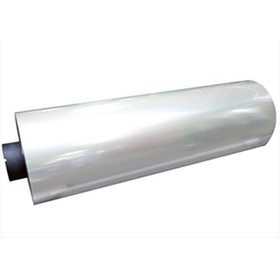
What is PET Optical Base Film? PET optical base film is a biaxially stretched polyester film primarily made from polyethylene terephthalate (PET) for optical applications, used as a substrate for polarizers, diffusion films, brightness enhancement films, and release films for electronic components. Important quality requirements include high light transmittance, low haze, low defects, uniform thickness, surface smoothness, heat resistance, dimensional stability, and coating adhesion. Global Market Size of PET Optical Base Film According to the latest research report published by Global Reports titled "Global Market Size, Share, Company Rankings, Sales, and Demand Trend Forecast for PET Optical Base Film (2026-2032)," the global market size for PET optical base film is expected to expand from approximately \$1.27 billion in 2025 to about \$1.34 billion in 2026, growing at a compound annual growth rate (CAGR) of 6.1% from 2026 to 2032, and is projected to reach around \$1.915 billion by 2032. The global production volume in 2025 is estimated to be about 407,000 tons, with an average selling price of approximately \$3,120 per ton.
Inquire About This Product
basic information
Manufacturing Technology and Quality Competition of PET Optical Base Films PET optical base films are produced through processes such as melt extrusion, casting, biaxial stretching, heat setting, online coating, slitting, and clean packaging. The raw materials include PTA, MEG, optical grade PET chips, as well as masterbatches, functional additives, antistatic and easy-adhesion coatings. In addition to the precision of manufacturing equipment, filtration performance, clean room environment, and online inspection systems also influence product quality. Especially for optical applications, defects caused by microscopic foreign substances, fisheye effects, crystallization, and thickness variations can lead to display unevenness and reduced optical performance. In large displays and automotive display devices, there is an increasing demand for film flatness and dimensional stability due to the trend towards larger and multiple screens. Manufacturers are required to manage processes that suppress defects while maintaining yield and to possess the technical capabilities to meet quality specifications for various applications. The market's gross profit margin is estimated to be around 20-40%, with quality levels, product composition, and equipment utilization rates affecting profitability.
Price range
Delivery Time
Applications/Examples of results
Demand and Functional Enhancement of PET Optical Base Films by Application The main applications of PET optical base films include polarizers, diffusion films, brightness enhancement films, reflective films, hard coat films, release films, and solar cell back sheets. In addition to LCD and OLED displays, Mini LED backlights, and touch modules, demand is also expanding for release films for multilayer ceramic capacitors (MLCC) and various electronic materials. In the market, there is increasing interest in products that offer low haze and high transmittance, as well as suppression of rainbow patterns and interference, coating adhesion, and antistatic properties. For MLCC applications, thinning and improving surface smoothness, as well as reducing defects, are becoming crucial. To meet these demands, differentiation through surface treatment is expected to progress, ranging from untreated substrates to single-sided and double-sided primed products, antistatic products, and low rainbow pattern products. The ability to adjust specifications not only based on the supply capacity of standard products but also according to customer processing conditions and the optical design of final products will determine competitiveness.
Company information

Global Reports integrates industrial information from around the world and provides highly accurate market intelligence to support corporate decision-making. We deliver in-depth analyses based on numerical data and facts, including market size, share, industry structure, price trends, growth forecasts, rankings of major companies, and competitive trends, with clear information categorized by country, region, and application. Leveraging a rich database that has supported the business growth of over 65,000 companies and an international research network, we accompany our clients in their global expansion and continuous growth.