
List of Scientific and Physics Equipment products
- classification:Scientific and Physics Equipment
2656~2700 item / All 35987 items


Reduce the workload from handling heavy objects! Here are five case studies that solved customer challenges! We are also accepting free consultations and tests tailored to your work!

- Other conveying machines


Strong cold wind from room temperature to -13°C! Depending on the usage environment, you can choose between the combo type or the separate type!
- Cooling system

April 10, 2024 (Wednesday) to April 12, 2024 (Friday) Notice of Participation in Nagoya Manufacturing World 2024
Sanwa Shiki Ventilator Co., Ltd. will be exhibiting at the 2024 Monozukuri World (Nagoya) held at Port Messe Nagoya. We will also be showcasing our large cooling fans and cool/warm ambient products. Date: April 10, 2024 - April 12, 2024 Opening: 10:00 AM Location: Nagoya Port Messe (Exhibition Hall 1) *Our booth: 19-1 We would be grateful if you could visit us if you have the time.
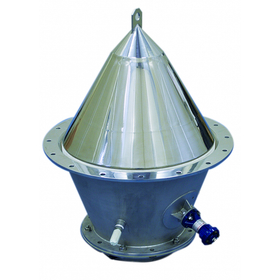

The optimal solution for battery material supply, pursuing powder discharge performance.
- Powder Conveyor Device
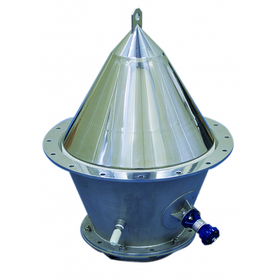
Optimizing the blending process of cosmetics, Class A powder discharge performance.
- Powder Conveyor Device
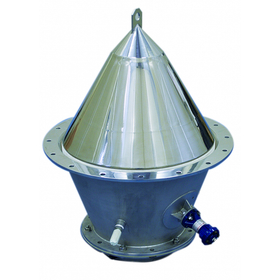
Optimize the filling process of metal powder for A-class emission performance.
- Powder Conveyor Device
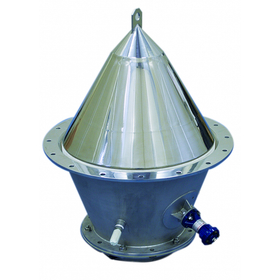
A-class emission performance that solves the challenges of powder addition.
- Powder Conveyor Device
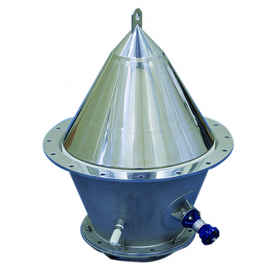
Optimize the discharge and measurement of powders, contributing to the efficiency of fertilizer blending.
- Powder Conveyor Device
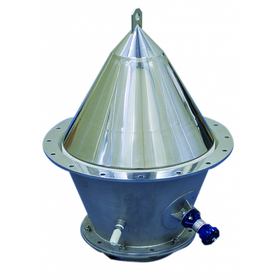
Optimizing the dispersion process of powder coatings, Class A emission performance.
- Powder Conveyor Device
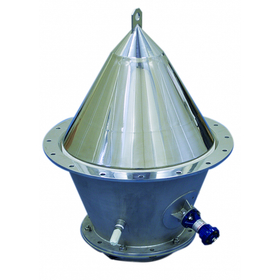
A valve optimized for ceramics molding that pursues powder discharge performance.
- Powder Conveyor Device
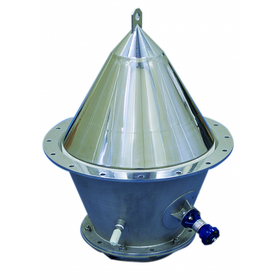
Solving the challenges of powder transportation with Class A discharge performance.
- Powder Conveyor Device
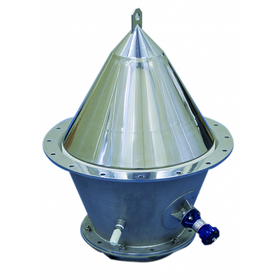
Optimize powder supply and support the efficiency of feed production.
- Powder Conveyor Device
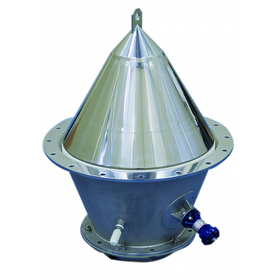
Optimize powder mixing processes with A-class emission performance.
- Powder Conveyor Device
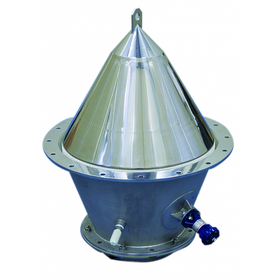
A valve optimized for pharmaceutical manufacturing, pursuing powder discharge performance.
- Powder Conveyor Device
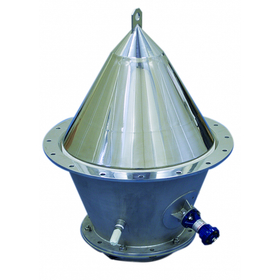
Optimized for powder measurement, Class A emission performance.
- Powder Conveyor Device
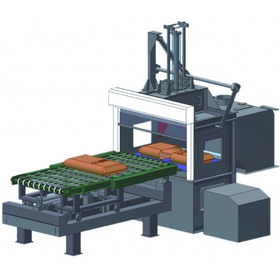
Powder paper bag opening capacity of over 200 bags/h, excellent cutting performance with combination blades.
- Powder Conveyor Device
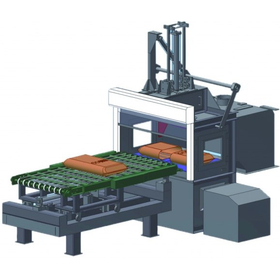
The bag opening capacity for powder paper bags is over 200 bags/h, supporting the automation of resin powder.
- Powder Conveyor Device
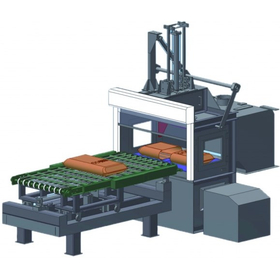
Powder paper bag opening capacity of over 200 bags/h, excellent cutting performance with combination blades.
- Powder Conveyor Device
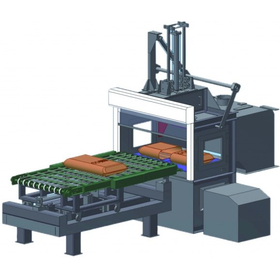
Powder paper bags have an opening capability of over 200 bags/h, achieving hygienic powder handling.
- Powder Conveyor Device
Dust control! Powder paper bag opening capacity over 200 bags/h, excellent cutting performance.
- Powder Conveyor Device
Powder paper bags have a bag opening capability of over 200 bags/hour, supporting uniform mixing of fertilizers.
- Powder Conveyor Device
Powder paper bag opening capability of over 200 bags/h, excellent cutting performance with combination blades.
- Powder Conveyor Device
Powder paper bag opening capacity of over 200 bags/h, excellent cutting performance with combination blades.
- Powder Conveyor Device
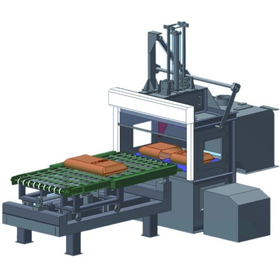
Powder paper bag opening capacity of over 200 bags/h! Contributes to cost reduction.
- Powder Conveyor Device
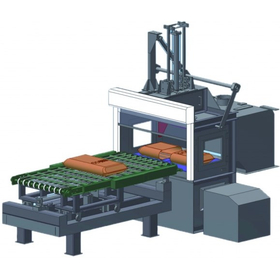
Automate the opening of powder paper bags to improve work efficiency.
- Powder Conveyor Device
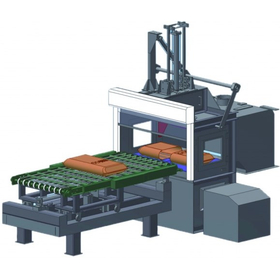
We prevent dust generation and foreign matter contamination of powders, ensuring the quality of pharmaceuticals.
- Powder Conveyor Device
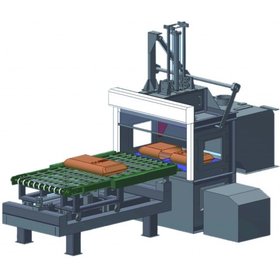
Powder paper bag opening capacity of over 200 bags/h, preventing foreign matter contamination in food.
- Powder Conveyor Device
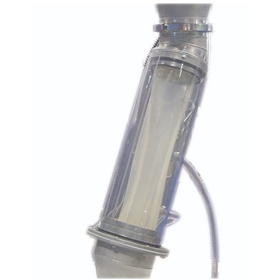
Solve the problem of shoot adhesion and improve the efficiency of resource recovery!
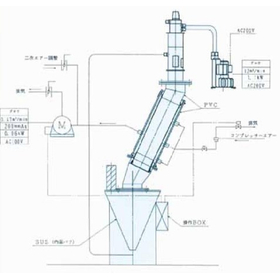
- Powder Conveyor Device
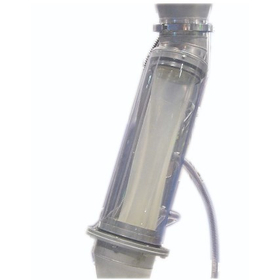
Improving the transport efficiency of resin powder! Contributing to increased productivity.
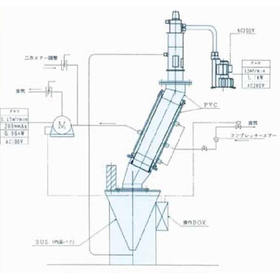
- Powder Conveyor Device
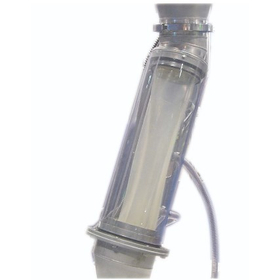
Solve problems caused by color unevenness and adhesion of paint!
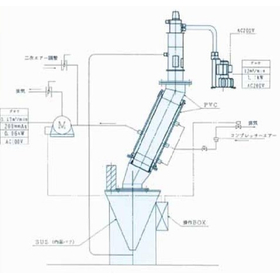
- Powder Conveyor Device
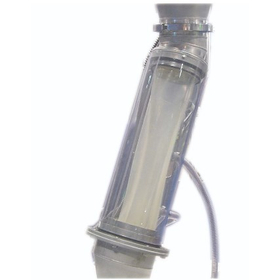
Solve the adhesion problem of the shoot and contribute to high purity!
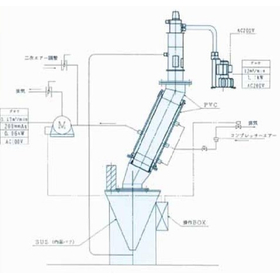
- Powder Conveyor Device
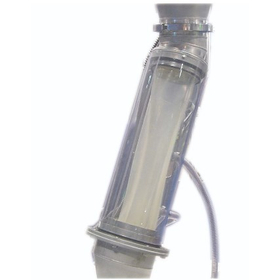
Solve the issue of shoot adhesion and contribute to the reduction of feed loss!
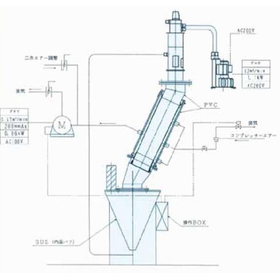
- Powder Conveyor Device
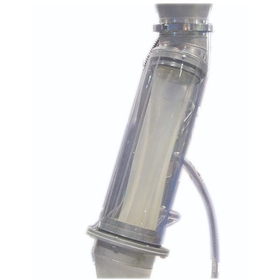
Solve the shooting adhesion problem and support uniform mixing!
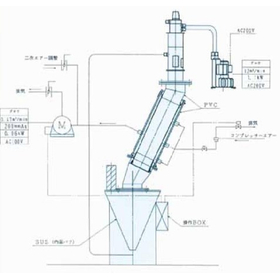
- Powder Conveyor Device
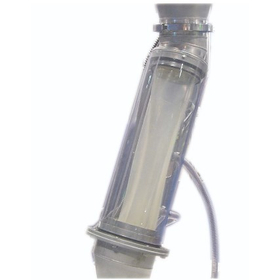
Solve the adhesion problem of the shot and improve moldability!
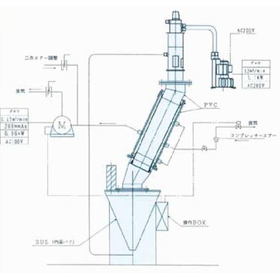
- Powder Conveyor Device
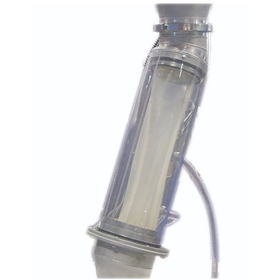
Suppressing cost increases due to powder adhesion!
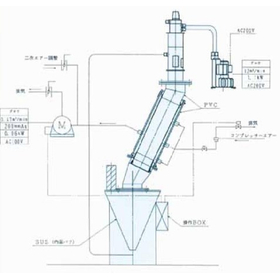
- Powder Conveyor Device
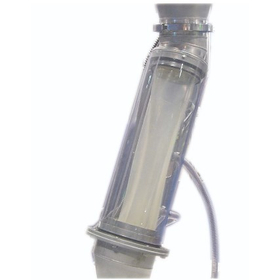
Solve the adhesion problem of the shot and improve the yield!
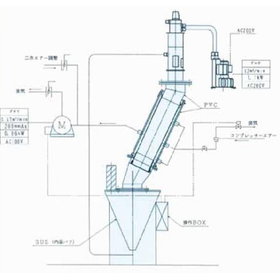
- Powder Conveyor Device
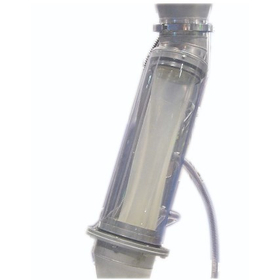
Solve the problem of shoot adhesion and achieve efficiency in powder processes!
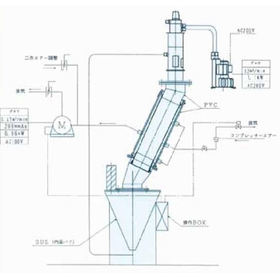
- Powder Conveyor Device
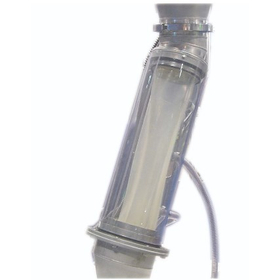
Solve the issue of shoot adhesion and reduce the risk of foreign matter contamination!
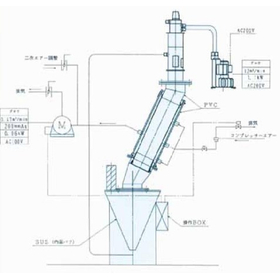
- Powder Conveyor Device


Active in kitchen equipment such as fryers! The "Super Flat Heater," realized with the technology of Shinnetsu Industrial, features a large surface area and excellent thermal efficiency.


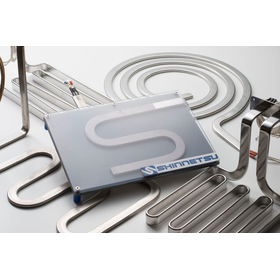

- Heating device
- Other heaters

In the newly established laboratory within the company, sample testing and effectiveness verification using superheated steam can be conducted.
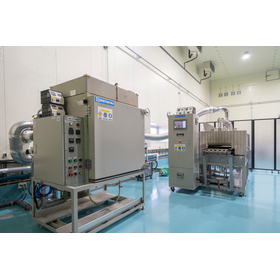


- Electric furnace
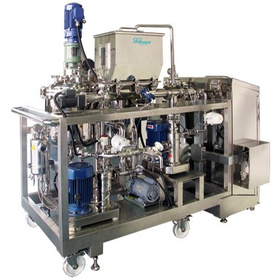

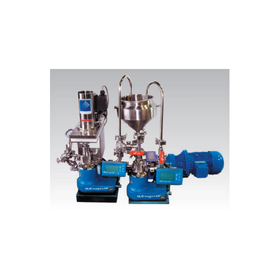
The quality of the battery slurry is determined by the process. A dispersion design that can be reproduced from research to mass production.
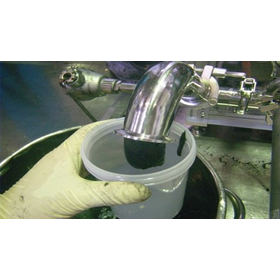
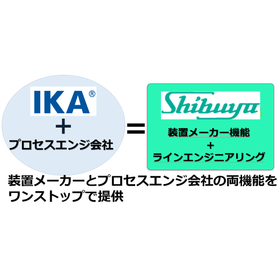
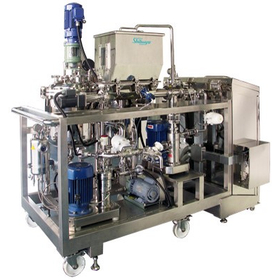
- Emulsifier/Disperser
- Vacuum degassing machine
- Dispersion/emulsification equipment/homogenizer

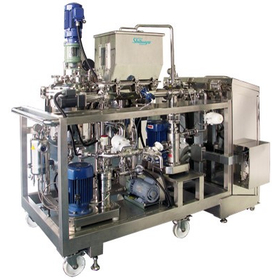
Thanks to our unique dispersion system, we can achieve the mixing and dispersion of fine powders in a short time without generating lumps! We can accommodate both continuous and batch processes.
- Emulsifier/Disperser
- Vacuum degassing machine
- Dispersion/emulsification equipment/homogenizer
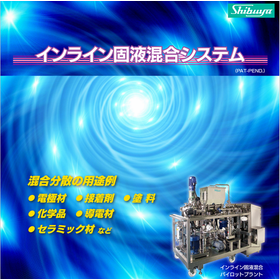
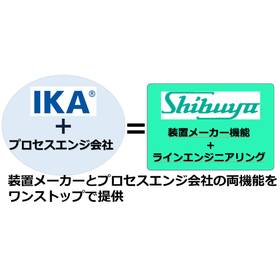
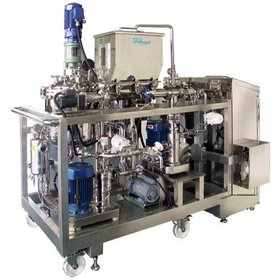
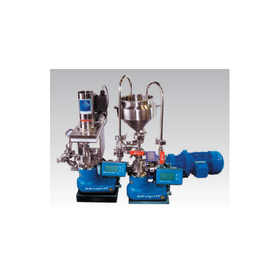
Reproducibility of slurry dispersion is created from process design.
- Emulsifier/Disperser
- Vacuum degassing machine
- Dispersion/emulsification equipment/homogenizer
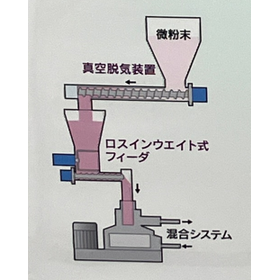
Why can't powders be supplied stably? - What causes supply irregularities in low bulk density powders?
In low bulk density powders and fine powders, issues such as "unstable supply," "pulsation," and "bridging without falling" frequently occur. Particularly with CNTs, carbon black, and flake powders, the particles tend to entangle easily and have low flowability, making stable quantitative supply difficult with conventional powder feeding methods. When powder supply becomes unstable, instantaneous concentration fluctuations occur, significantly affecting the dispersion quality, viscosity, and conductivity in subsequent processes. In practice, even problems that appear to be "poor dispersion" often have their causes on the powder supply side. Moreover, in low bulk density powders, bridging, rat-holing, and supply pulsations due to air entrapment are likely to occur within the hopper, and simply relying on feeder capacity may not resolve these issues. To achieve stable supply, it is crucial to design the entire process, including hopper design, supply methods, transport conditions, and feeding methods, according to the characteristics of the powder. Our company offers a solid-liquid mixing process that includes quantitative supply using loss-in-weight feeders and integration with inline dispersion devices. By designing the entire process from powder supply to dispersion as a cohesive unit, we support the establishment of stable manufacturing conditions even for high-performance materials.
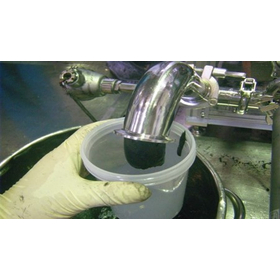
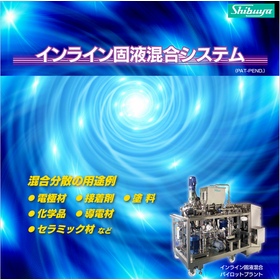
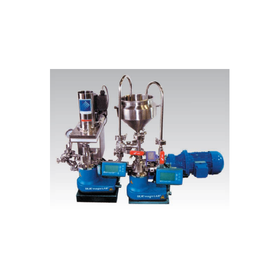
The quality of the positive electrode slurry is determined by the process, not the equipment. A dispersed design that takes mass production into account.
- Emulsifier/Disperser
- Vacuum degassing machine
- Dispersion/emulsification equipment/homogenizer

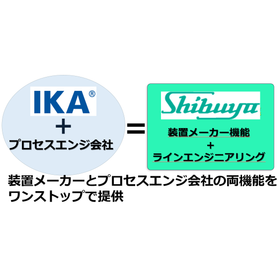
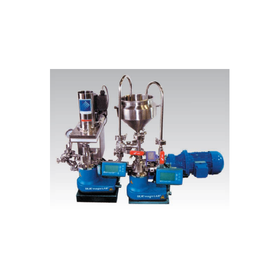
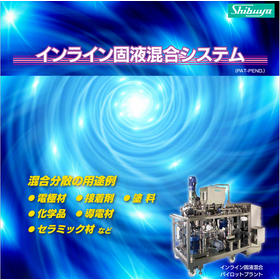
The dispersion quality of battery materials is determined by the process. A solid-liquid mixing dispersion system that suppresses agglomeration and aggregation.
- Emulsifier/Disperser
- Vacuum degassing machine
- Dispersion/emulsification equipment/homogenizer
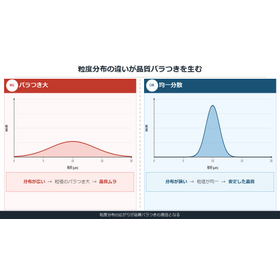
What are the causes and countermeasures for quality variation in dispersed engineering? An explanation of design points to prevent instability in particle size distribution and reduced reproducibility.
In dispersion processes, issues such as unstable particle size distribution and quality variation between batches occur in many settings. These quality variations are caused not only by equipment performance but also by variations in dispersion conditions, flow states, and process design. For example, when shear energy is uneven, differences arise in the disintegration state of particles, leading to a wider particle size distribution and residual agglomeration. Additionally, in batch processing, variations in mixing uniformity and residence time can cause fluctuations in dispersion state between batches, making it difficult to ensure reproducibility. Particularly in high-viscosity systems or high solid content slurries, even slight variations in conditions can significantly impact quality. To suppress quality variations, it is crucial to design processes that maintain consistent dispersion energy and flow conditions. By stabilizing conditions, as in inline continuous processing, it becomes possible to reduce inter-batch differences and achieve stable dispersion quality. Furthermore, in dispersion processes, not only the performance of the equipment itself but also operating conditions such as input order, residence time, and flow control greatly affect quality. Inline continuous processing makes it easier to maintain these conditions consistently, ensuring stable dispersion even in high-viscosity slurries. By designing the entire process, it is possible to fundamentally suppress quality variations.

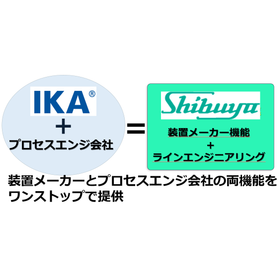
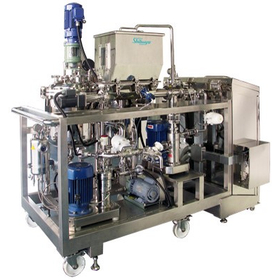
Dispersion is not determined by the equipment. It is determined by the process design of the solid-liquid mixing dispersion system.
- Dispersion/emulsification equipment/homogenizer
- Emulsifying and dispersing machine
- Emulsifier/Disperser
What are the causes and countermeasures for quality variation in dispersed engineering? An explanation of design points to prevent instability in particle size distribution and reduced reproducibility.
In dispersion processes, issues such as unstable particle size distribution and quality variation between batches occur in many settings. These quality variations are caused not only by equipment performance but also by variations in dispersion conditions, flow states, and process design. For example, when shear energy is uneven, differences arise in the disintegration state of particles, leading to a wider particle size distribution and residual agglomeration. Additionally, in batch processing, variations in mixing uniformity and residence time can cause fluctuations in dispersion state between batches, making it difficult to ensure reproducibility. Particularly in high-viscosity systems or high solid content slurries, even slight variations in conditions can significantly impact quality. To suppress quality variations, it is crucial to design processes that maintain consistent dispersion energy and flow conditions. By stabilizing conditions, as in inline continuous processing, it becomes possible to reduce inter-batch differences and achieve stable dispersion quality. Furthermore, in dispersion processes, not only the performance of the equipment itself but also operating conditions such as input order, residence time, and flow control greatly affect quality. Inline continuous processing makes it easier to maintain these conditions consistently, ensuring stable dispersion even in high-viscosity slurries. By designing the entire process, it is possible to fundamentally suppress quality variations.