
List of Electronic Components products
- classification:Electronic Components
2521~2580 item / All 26819 items


Presentation of explanatory materials on JIS and ISO standards. We propose suitable safety barriers from a rich product series! Free rental of demo kits.


- Other safety and hygiene products

You can download a free booklet that introduces the uses, structures, and examples of various types of frames.
- Other machine tools
- Solar power generator
- Other energy equipment
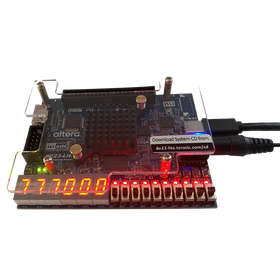

DE23-Lite
- Other semiconductors
- Other electronic parts
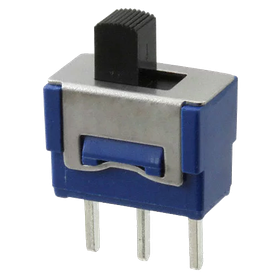

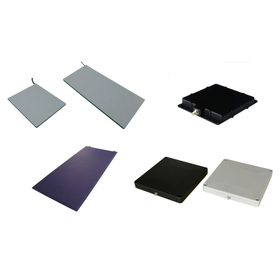

A lineup of standard products that can be used in various industries and applications! You can choose from your desired polarization, directivity, and shape to solve your challenges.
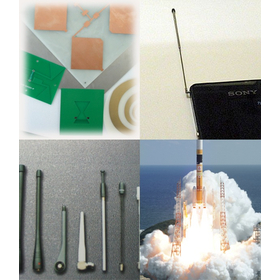
- antenna

A clear explanation of how to obtain a technical standards conformity certification!
To sell and use products that utilize wireless technology in Japan, it is necessary to obtain a national certification called "Technical Standards Conformity Certification (Giteki)." So, "how do you obtain Giteki?" 【Step 1】 What products require Giteki? Devices that communicate using wireless technology that emits radio waves are subject to this requirement, such as smartphones, Wi-Fi routers, Bluetooth earphones, wireless mice, wireless transceivers, IoT devices, etc. 【Step 2】 Where can you get the assessment done? The assessment for Giteki is conducted by a third-party organization recognized by the government, called a "Registered Certification Body." Examples include the Telecommunications Engineering Center (TELEC) and the Japan Maritime Bureau (JCI). 【Step 3】 What do you need to submit? For the assessment, you need to submit documents and samples such as the following, to check for "signal strength," "frequency accuracy," and "radio interference": Product technical specifications (such as frequency and output), circuit diagrams or design drawings, and the actual product (or prototype). 【Step 4】 If you pass the test, you will receive the "Giteki mark"! 【Step 5】 After that, you can freely sell and use the product!
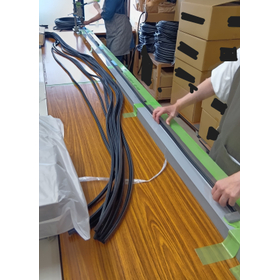

Handmade: Tube, groove rubber cutting and bonding.
- Capacitor


We will extend the life of your equipment with bolt-on and coupler-on solutions.


- Sputtering Equipment
- Solenoid Actuators
- Transport and handling robots

TKC Corporation Nagaoka Service Center Opening: We will achieve one-stop device regeneration and prolongation.
In recent years, we have received numerous requests for extending the lifespan of operational equipment. With the advancement of high functionality in both equipment and components, the specialization of repair services has progressed. Along with this specialization, it has become increasingly difficult to provide comprehensive "repairs" through integrated diagnostics and verification. With the establishment of this service center, we will offer one-stop regeneration and lifespan extension through "comprehensive diagnostics of equipment" by our skilled engineers and the "integration of specialized techniques" from partner engineers located nationwide.
![[Demo Unit Rental] ESD-Compatible B...](https://image.mono.ipros.com/public/product/image/24c/2000511511/IPROS50291014719946690229.jpeg?w=280&h=280)

Adopts a body with embedded electrostatic discharge prevention material, an ESD-compatible laser barcode scanner capable of continuous high-speed reading.


- Printed Circuit Board
- Other semiconductors
- Other clean room equipment and facilities

Adopts a body with embedded electrostatic discharge prevention material, ESD-compatible two-dimensional barcode scanner capable of reading QR codes.


- Printed Circuit Board
- Other semiconductors
- Other clean room equipment and facilities

Adopts a conductive material blended body, Bluetooth-connected wireless laser barcode scanner with ESD-compatible body.


- Handheld barcode reader
- Other electronic parts
- Other semiconductors

Antenna manufacturer for wireless devices! With 40 years of trust and achievements, we meet the needs of various fields.
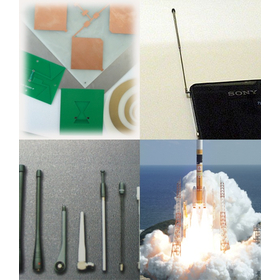
- antenna
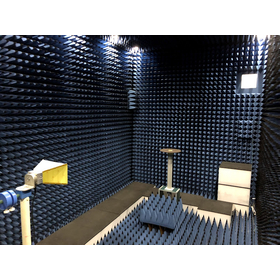
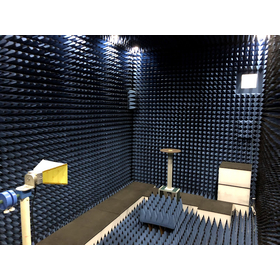
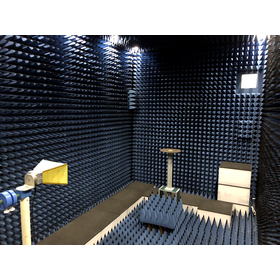
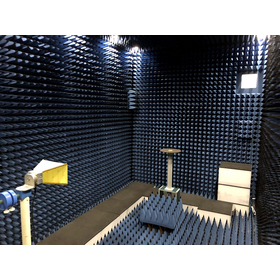
What is an anechoic chamber? Is it really necessary?
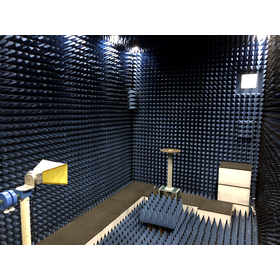
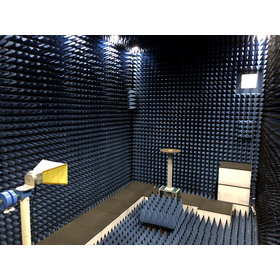
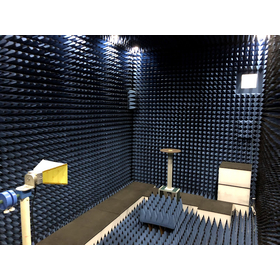
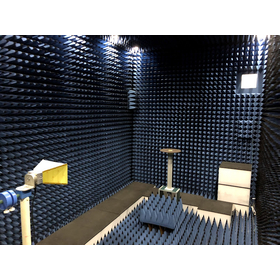
An anechoic chamber is a "special room" used to test the performance and safety of wireless devices. In a regular room, invisible waves from smartphones, Wi-Fi, and televisions are present, making it impossible to conduct accurate tests on devices. Therefore, an anechoic chamber is a special space that "completely shuts out external waves" and also ensures that "waves inside do not leak outside." When is it used? - Testing and inspection of wireless devices - Testing for obtaining technical standard conformity certification (Giteki) - Confirming that there is no interference from waves to other devices In other words, it is "an essential place for creating accurate and reliable wireless devices." What is the inside of the room like? - The walls, ceiling, and floor are covered with "sponge-like materials that absorb waves (wave-absorbing panels)." - The entire room is covered with a metal shield to prevent external waves from entering. Why is it so important? Wireless devices can significantly impact medical equipment, airplanes, and fire department radios, depending on where they are used. That is why it is crucial to thoroughly verify that they emit waves correctly and safely in a place free from external influences, which is the anechoic chamber.
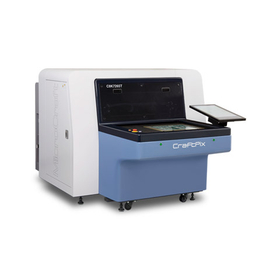

A groundbreaking industrial inkjet printer that digitizes the printed circuit board manufacturing process, improving product quality, reducing costs, and minimizing environmental impact.
- Printed Circuit Board


There is a track record of moisture-proof paint for sensor components!
- Sensors
Despite its compact design and cordless feature, it allows for high-precision measurement of spindle runout with simple setup.
- Printed Circuit Board


Suitable for protecting the main power supply circuit, such as circuits that supply power from the battery to the entire vehicle!
- fuse
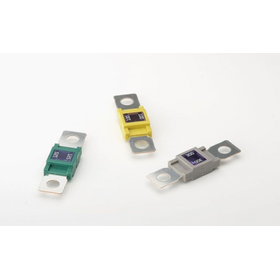
International standard product, compatible with high amperage! Low voltage fuse 'SBFW-K'
The low-voltage fuse "SBFW-K" is a slow blow fuse that can withstand temporary overcurrents and only blows under continuous overcurrents. It is particularly effective for devices in automobiles that experience instantaneous high currents. This low-voltage fuse is recommended for those facing circuit protection challenges in the automotive industry, construction machinery industry, and low-voltage fuses (below DC70V). It is well-suited for protecting high-power devices that have a large inrush current at startup.

There are also 48V-compatible slow blow fuses specifically for high-voltage systems such as hybrid vehicles and EVs (electric vehicles)!
- fuse
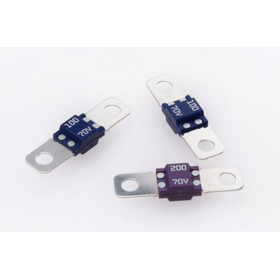
Compatible with 48V systems! Low voltage fuse 'SBFW-L48V-M6L'
The low-voltage fuse "SBFW-L48V-M6L" is a slow blow fuse that can withstand temporary overcurrents and only blows under continuous overcurrents. There are also 48V compatible slow blow fuses specifically designed for high-voltage systems such as hybrid vehicles and electric vehicles (EVs). It is suitable for devices that experience large inrush currents at startup, such as electric fans, fuel pumps, and power steering.
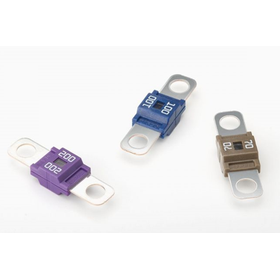
Suitable for devices that draw a large inrush current at startup, such as electric fans, fuel pumps, and power steering!
- fuse
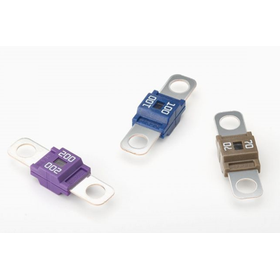
Ideal for protecting high-power equipment! Low-voltage fuse 'SBFW-L M6'
The low-voltage fuse "SBFW-L M6" is a slow blow fuse that can withstand temporary overcurrents and only blows under continuous overcurrents. In automobiles, it is particularly effective for devices where the current momentarily increases significantly. It is recommended for those facing challenges related to circuit protection with low-voltage fuses (below DC70V) in the automotive and construction machinery industries. It plays a role in protecting the entire vehicle during abnormal conditions in circuits that supply power from the battery to the entire vehicle and in the power supply system.
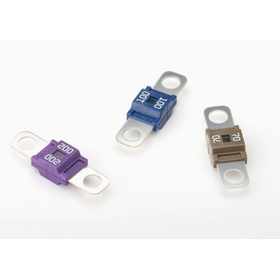
Protect the entire vehicle in case of abnormalities in the circuits or power systems that supply electricity from the battery to the entire vehicle!
- fuse
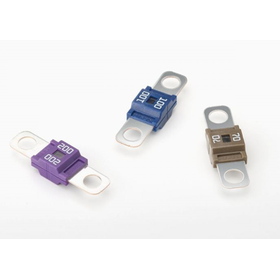
Ideal for protecting the main power supply circuit! Low voltage fuse 'SBFW-L M5'
The low-voltage fuse "SBFW-L M5" is a slow blow fuse that can withstand temporary overcurrents and only blows under continuous overcurrents. In automobiles, it is particularly effective for devices that experience a momentary surge in current. It serves to protect the entire vehicle during abnormal conditions in circuits or power systems that supply electricity from the battery to the entire vehicle, and is also suitable for devices such as electric fans, fuel pumps, and power steering that draw a large inrush current at startup.

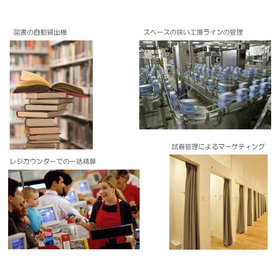
Read only the targeted RFID tags! It is suitable for narrow production lines where you want to limit the reading range and reduce misreads.
- antenna
- Document and Data Management
- Storage shelves

What is Technical Standards Compliance Certification (Giteki)?
"Technical Standards Conformity Certification," commonly known as "Giteki," refers to the "government approval" necessary for safely using wireless devices (such as smartphones, Wi-Fi routers, transceivers, etc.) in Japan without affecting other communications. To put it simply... For example, products that use wireless technology emit "radio waves." If these radio waves are too strong or the frequency is incorrect, there is a risk of adversely affecting devices like televisions or emergency radios. Therefore, in Japan, only products that have been certified to comply with regulations regarding radio wave emissions can be used, and this certification is indicated by the Giteki mark. ■ Where can you find the Giteki mark? The Giteki mark can be displayed on the product itself or in the settings screen, and products with this mark are legally usable wireless devices in Japan. ■ What happens if you use a product without Giteki? Using devices that have not received Giteki certification in Japan may result in a violation of the Radio Law. For instance, smartphones or transceivers purchased overseas often lack the Giteki mark, and using them in Japan can be illegal, so caution is advised.

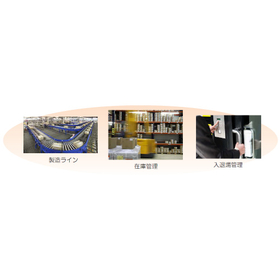
A left-handed circularly polarized antenna that can be combined with a specific low-power reader/writer! Waterproof types are also available, making it suitable for narrow factory lines.
- antenna
- Entrance and exit control system
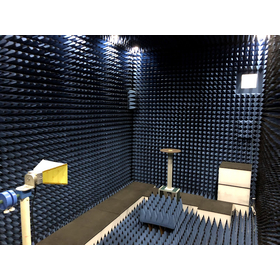
What is an anechoic chamber? Is it really necessary?
An anechoic chamber is a "special room" used to test the performance and safety of wireless devices. In a regular room, invisible waves from smartphones, Wi-Fi, and televisions are present, making it impossible to conduct accurate tests on devices. Therefore, an anechoic chamber is a special space that "completely shuts out external waves" and also ensures that "waves inside do not leak outside." When is it used? - Testing and inspection of wireless devices - Testing for obtaining technical standard conformity certification (Giteki) - Confirming that there is no interference from waves to other devices In other words, it is "an essential place for creating accurate and reliable wireless devices." What is the inside of the room like? - The walls, ceiling, and floor are covered with "sponge-like materials that absorb waves (wave-absorbing panels)." - The entire room is covered with a metal shield to prevent external waves from entering. Why is it so important? Wireless devices can significantly impact medical equipment, airplanes, and fire department radios, depending on where they are used. That is why it is crucial to thoroughly verify that they emit waves correctly and safely in a place free from external influences, which is the anechoic chamber.
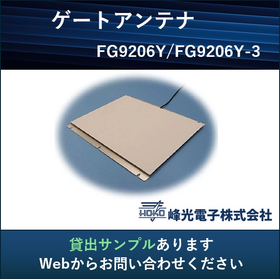
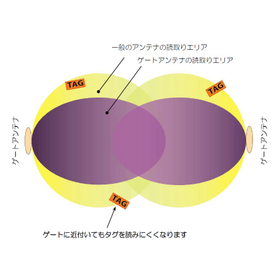
Enables a stylish design of ultra-thin, narrow-directional gates! With a circularly polarized RFID antenna, it minimizes misreads for security management.
- antenna
- Entrance and exit control system
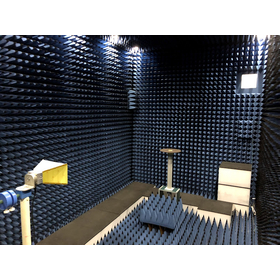
What is an anechoic chamber? Is it really necessary?
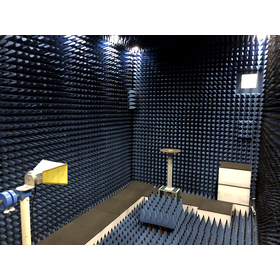
An anechoic chamber is a "special room" used to test the performance and safety of wireless devices. In a regular room, invisible waves from smartphones, Wi-Fi, and televisions are present, making it impossible to conduct accurate tests on devices. Therefore, an anechoic chamber is a special space that "completely shuts out external waves" and also ensures that "waves inside do not leak outside." When is it used? - Testing and inspection of wireless devices - Testing for obtaining technical standard conformity certification (Giteki) - Confirming that there is no interference from waves to other devices In other words, it is "an essential place for creating accurate and reliable wireless devices." What is the inside of the room like? - The walls, ceiling, and floor are covered with "sponge-like materials that absorb waves (wave-absorbing panels)." - The entire room is covered with a metal shield to prevent external waves from entering. Why is it so important? Wireless devices can significantly impact medical equipment, airplanes, and fire department radios, depending on where they are used. That is why it is crucial to thoroughly verify that they emit waves correctly and safely in a place free from external influences, which is the anechoic chamber.
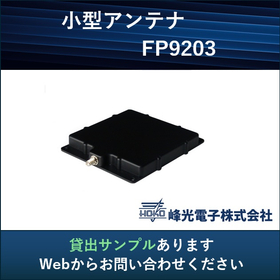
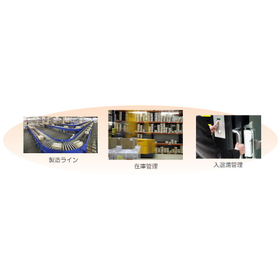
A left-handed circularly polarized antenna that can be combined with a specific low-power reader/writer! Waterproof types are also available, providing security measures for entry and exit management.
- antenna
- Entrance and exit control system
A clear explanation of how to obtain a technical standards conformity certification!
To sell and use products that utilize wireless technology in Japan, it is necessary to obtain a national certification called "Technical Standards Conformity Certification (Giteki)." So, "how do you obtain Giteki?" 【Step 1】 What products require Giteki? Devices that communicate using wireless technology that emits radio waves are subject to this requirement, such as smartphones, Wi-Fi routers, Bluetooth earphones, wireless mice, wireless transceivers, IoT devices, etc. 【Step 2】 Where can you get the assessment done? The assessment for Giteki is conducted by a third-party organization recognized by the government, called a "Registered Certification Body." Examples include the Telecommunications Engineering Center (TELEC) and the Japan Maritime Bureau (JCI). 【Step 3】 What do you need to submit? For the assessment, you need to submit documents and samples such as the following, to check for "signal strength," "frequency accuracy," and "radio interference": Product technical specifications (such as frequency and output), circuit diagrams or design drawings, and the actual product (or prototype). 【Step 4】 If you pass the test, you will receive the "Giteki mark"! 【Step 5】 After that, you can freely sell and use the product!
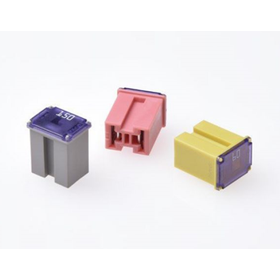
Higher rating compared to general plug-type slow-blow fuses!
- fuse
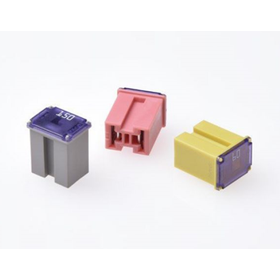
A must-see for those in the automotive and construction machinery industries! Low-pressure fuse 'SBFC-ET'
The low-voltage fuse "SBFC-ET" is a slow blow fuse that can withstand temporary overcurrents and only blows under continuous overcurrents. It is particularly effective for devices in automobiles where the current temporarily increases significantly. It is suitable for fuel pumps, washer pumps, and similar applications. This low-voltage fuse is recommended for those facing circuit protection challenges in the automotive industry, construction machinery industry, and for low-voltage fuses (below DC70V).
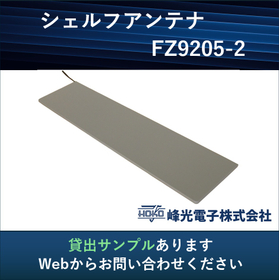
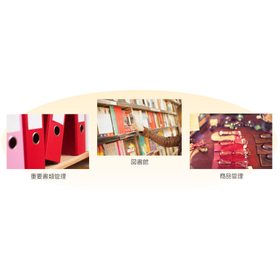
Just place items with RFID tags on top of the antenna! Real-time visualization at the shelf level eliminates the need for visual checks or handheld scanners, reducing labor in logistics.
- antenna
- Storage shelves
- Document and Data Management

[Model Number Change] The model number of the UHF band RFID shelf antenna has been changed.
"FZ9205/FZ9206" has been discontinued and unified into "FZ9205-2." The specifications will be the same as "FZ9205." For details, please download the catalog and check.
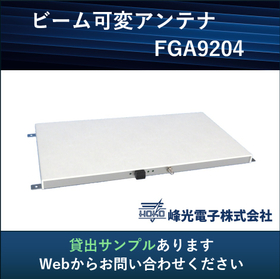
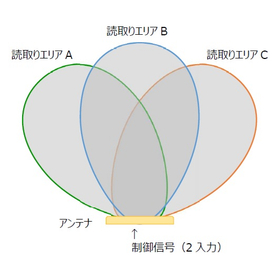
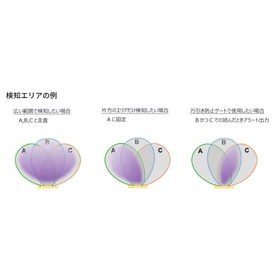
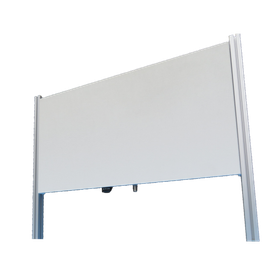
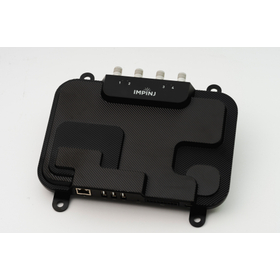
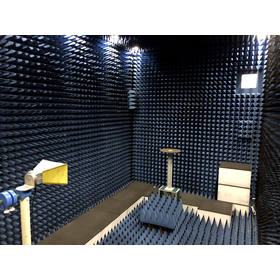
Electronically control the beam radiation direction! High-precision security measures with RFID tag reading in specific areas.
- antenna
- Entrance and exit control system
What is Technical Standards Compliance Certification (Giteki)?
"Technical Standards Conformity Certification," commonly known as "Giteki," refers to the "government approval" necessary for safely using wireless devices (such as smartphones, Wi-Fi routers, transceivers, etc.) in Japan without affecting other communications. To put it simply... For example, products that use wireless technology emit "radio waves." If these radio waves are too strong or the frequency is incorrect, there is a risk of adversely affecting devices like televisions or emergency radios. Therefore, in Japan, only products that have been certified to comply with regulations regarding radio wave emissions can be used, and this certification is indicated by the Giteki mark. ■ Where can you find the Giteki mark? The Giteki mark can be displayed on the product itself or in the settings screen, and products with this mark are legally usable wireless devices in Japan. ■ What happens if you use a product without Giteki? Using devices that have not received Giteki certification in Japan may result in a violation of the Radio Law. For instance, smartphones or transceivers purchased overseas often lack the Giteki mark, and using them in Japan can be illegal, so caution is advised.
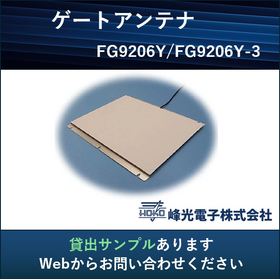
Enables a stylish design for ultra-thin, narrow-directional gates! With a circularly polarized RFID antenna, it minimizes misreads and manages quantities effectively.
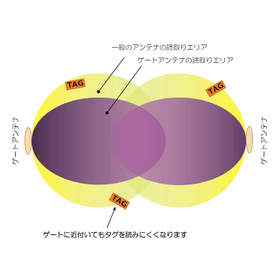
- antenna
- Entrance and exit control system
What is an anechoic chamber? Is it really necessary?
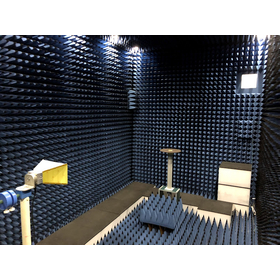
An anechoic chamber is a "special room" used to test the performance and safety of wireless devices. In a regular room, invisible waves from smartphones, Wi-Fi, and televisions are present, making it impossible to conduct accurate tests on devices. Therefore, an anechoic chamber is a special space that "completely shuts out external waves" and also ensures that "waves inside do not leak outside." When is it used? - Testing and inspection of wireless devices - Testing for obtaining technical standard conformity certification (Giteki) - Confirming that there is no interference from waves to other devices In other words, it is "an essential place for creating accurate and reliable wireless devices." What is the inside of the room like? - The walls, ceiling, and floor are covered with "sponge-like materials that absorb waves (wave-absorbing panels)." - The entire room is covered with a metal shield to prevent external waves from entering. Why is it so important? Wireless devices can significantly impact medical equipment, airplanes, and fire department radios, depending on where they are used. That is why it is crucial to thoroughly verify that they emit waves correctly and safely in a place free from external influences, which is the anechoic chamber.
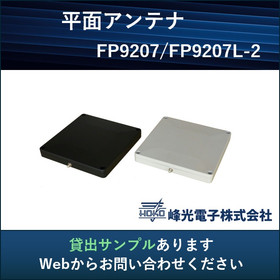
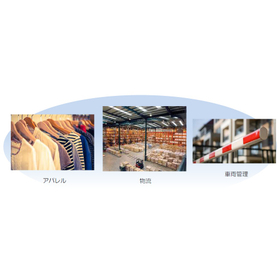
Various applications such as apparel, logistics, and vehicle management are possible! Standard model RFID antenna.
- antenna
- Document and Data Management
- Entrance and exit control system

[Model Number Change] The model number of the UHF band RFID flat antenna has been changed.
The UHF band RFID flat antenna "FP9207/FP9207L" has been changed from "FP9207L" to "FP9207L-2." The specifications will remain the same as "FP9207L." Please note that there are no changes to "FP9207." For details, please download the catalog and check.
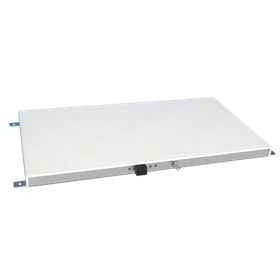
Electronically control the beam radiation direction! Useful for reducing misreads of RFID tags.


- antenna

[New Product] UHF Band RFID Beam Variable Antenna [Expected to Reduce Misreads with Detection Area Control]
We have released an active phased array antenna that can vary the beam radiation direction in three directions based on external signals. By switching the radiation area, it is possible to respond only to specific areas. This allows it to be utilized as an RFID gate with fewer misreads. When used as a shoplifting prevention gate, it can be set up so that customers with RFID tags approaching the gate do not trigger an alert, thereby reducing stress caused by misidentification. For more details, please download and check the catalog.

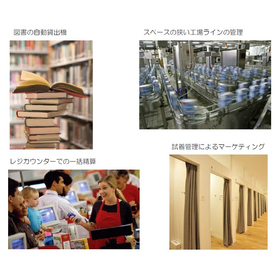
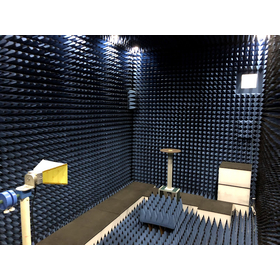
Read only the targeted RFID tags! It is suitable for narrow production lines where you want to limit the reading range and reduce misreads.
- antenna
- Document and Data Management
- Storage shelves
What is an anechoic chamber? Is it really necessary?
An anechoic chamber is a "special room" used to test the performance and safety of wireless devices. In a regular room, invisible waves from smartphones, Wi-Fi, and televisions are present, making it impossible to conduct accurate tests on devices. Therefore, an anechoic chamber is a special space that "completely shuts out external waves" and also ensures that "waves inside do not leak outside." When is it used? - Testing and inspection of wireless devices - Testing for obtaining technical standard conformity certification (Giteki) - Confirming that there is no interference from waves to other devices In other words, it is "an essential place for creating accurate and reliable wireless devices." What is the inside of the room like? - The walls, ceiling, and floor are covered with "sponge-like materials that absorb waves (wave-absorbing panels)." - The entire room is covered with a metal shield to prevent external waves from entering. Why is it so important? Wireless devices can significantly impact medical equipment, airplanes, and fire department radios, depending on where they are used. That is why it is crucial to thoroughly verify that they emit waves correctly and safely in a place free from external influences, which is the anechoic chamber.

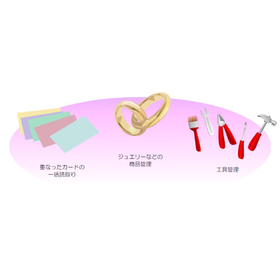
Reduced misreading with multiple built-in RFID antenna elements! Smart management of small items like jewelry.
- antenna
- Document and Data Management
A clear explanation of how to obtain a technical standards conformity certification!
To sell and use products that utilize wireless technology in Japan, it is necessary to obtain a national certification called "Technical Standards Conformity Certification (Giteki)." So, "how do you obtain Giteki?" 【Step 1】 What products require Giteki? Devices that communicate using wireless technology that emits radio waves are subject to this requirement, such as smartphones, Wi-Fi routers, Bluetooth earphones, wireless mice, wireless transceivers, IoT devices, etc. 【Step 2】 Where can you get the assessment done? The assessment for Giteki is conducted by a third-party organization recognized by the government, called a "Registered Certification Body." Examples include the Telecommunications Engineering Center (TELEC) and the Japan Maritime Bureau (JCI). 【Step 3】 What do you need to submit? For the assessment, you need to submit documents and samples such as the following, to check for "signal strength," "frequency accuracy," and "radio interference": Product technical specifications (such as frequency and output), circuit diagrams or design drawings, and the actual product (or prototype). 【Step 4】 If you pass the test, you will receive the "Giteki mark"! 【Step 5】 After that, you can freely sell and use the product!
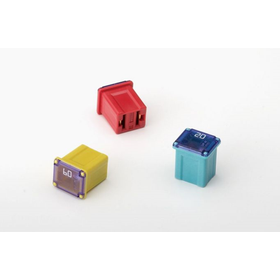
In automobiles, it is especially effective for devices where the current momentarily increases significantly!
- fuse
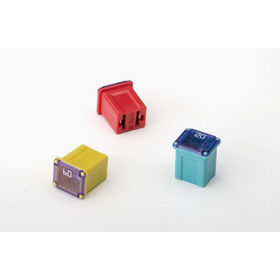
International standard product, space-saving! Low-pressure fuse 'SBFC-LPJ'
The low-voltage fuse "SBFC-LPJ" is a slow blow fuse that can withstand temporary overcurrent and only blows under continuous overcurrent conditions. It is particularly effective for devices in automobiles where the current temporarily spikes. Recommended for those facing challenges related to circuit protection with low-voltage fuses (below DC70V) in the automotive and construction machinery industries, it can endure inrush currents during startup, such as for engine cooling fans and air conditioning blowers, while reliably disconnecting in case of abnormalities.

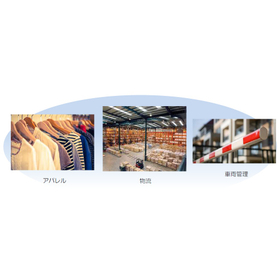
From project management to tool management, it can be read across a wide range! For efficient and accurate production line construction.
- antenna
- Entrance and exit control system
What is Technical Standards Compliance Certification (Giteki)?
"Technical Standards Conformity Certification," commonly known as "Giteki," refers to the "government approval" necessary for safely using wireless devices (such as smartphones, Wi-Fi routers, transceivers, etc.) in Japan without affecting other communications. To put it simply... For example, products that use wireless technology emit "radio waves." If these radio waves are too strong or the frequency is incorrect, there is a risk of adversely affecting devices like televisions or emergency radios. Therefore, in Japan, only products that have been certified to comply with regulations regarding radio wave emissions can be used, and this certification is indicated by the Giteki mark. ■ Where can you find the Giteki mark? The Giteki mark can be displayed on the product itself or in the settings screen, and products with this mark are legally usable wireless devices in Japan. ■ What happens if you use a product without Giteki? Using devices that have not received Giteki certification in Japan may result in a violation of the Radio Law. For instance, smartphones or transceivers purchased overseas often lack the Giteki mark, and using them in Japan can be illegal, so caution is advised.
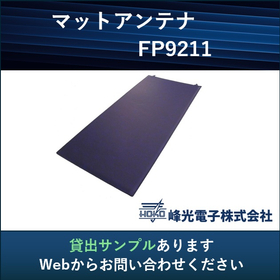
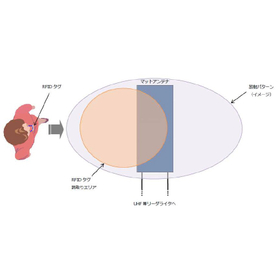
Monitor the entry and exit of people! A UHF band RFID antenna that can be easily installed just by placing it under the carpet.
- antenna
- Entrance and exit control system
What is an anechoic chamber? Is it really necessary?
An anechoic chamber is a "special room" used to test the performance and safety of wireless devices. In a regular room, invisible waves from smartphones, Wi-Fi, and televisions are present, making it impossible to conduct accurate tests on devices. Therefore, an anechoic chamber is a special space that "completely shuts out external waves" and also ensures that "waves inside do not leak outside." When is it used? - Testing and inspection of wireless devices - Testing for obtaining technical standard conformity certification (Giteki) - Confirming that there is no interference from waves to other devices In other words, it is "an essential place for creating accurate and reliable wireless devices." What is the inside of the room like? - The walls, ceiling, and floor are covered with "sponge-like materials that absorb waves (wave-absorbing panels)." - The entire room is covered with a metal shield to prevent external waves from entering. Why is it so important? Wireless devices can significantly impact medical equipment, airplanes, and fire department radios, depending on where they are used. That is why it is crucial to thoroughly verify that they emit waves correctly and safely in a place free from external influences, which is the anechoic chamber.


Mesh material with excellent sound permeability, dust resistance, and water repellency!
- filter

We handle a wide range of thermal conductivity materials and heat dissipation sheets that can absorb electromagnetic waves, and we will propose suitable materials based on your desired specifications....
- Other electronic parts

Numerous achievements with smartphones, laptops, etc.! Half-cut and pouch processing available.
- EMC countermeasure products
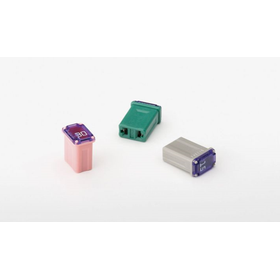
Electric pumps have instantaneous load fluctuations, so slow blow is preferable!
- fuse
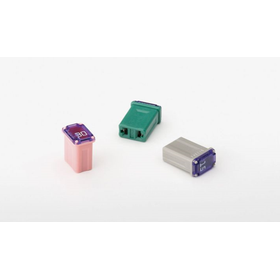
The smallest slow-blow fuse! Low-voltage fuse 'SBFC-M'
The low-voltage fuse "SBFC-M" is a slow blow fuse that can withstand temporary overcurrents and only blows under continuous overcurrent conditions. It is particularly effective for devices in automobiles where the current temporarily increases significantly. This low-voltage fuse is recommended for those facing challenges related to circuit protection in the automotive and construction machinery industries, as well as for low-voltage fuses (below DC 70V).


Compact design that is easy to install on enclosures and panels. Comes with a transparent cover to prevent dust intrusion. Offered at a low price.
- Other electronic parts

Due to inventory from overseas manufacturer (KEM), we can accommodate short delivery times! We have models available that can be directly mounted with electromagnetic contactors for spark and surge pr...
- Other electronic parts
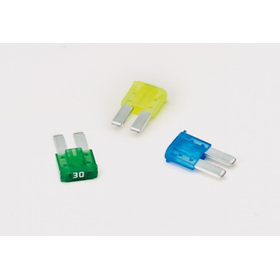
For circuit protection of electrical components such as headlights, tail lamps, turn signals, and power windows!
- fuse
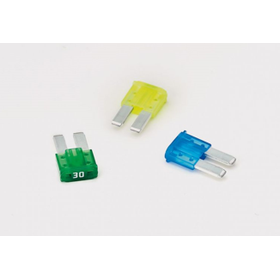
Many hiring achievements with automobile manufacturers! Low-pressure fuse 'BFSL'
The low-voltage fuse "BFSL" is a compact safety component used to protect automotive electrical circuits. It prevents equipment and wiring failures by blowing the fuse when the current increases abnormally. This low-voltage fuse is recommended for those facing challenges related to circuit protection in the automotive and construction machinery industries, as well as for low-voltage fuses (below DC 70V). It is used for circuit protection of comfort features such as car navigation systems, audio systems, ETC, air conditioning, and seat heaters.
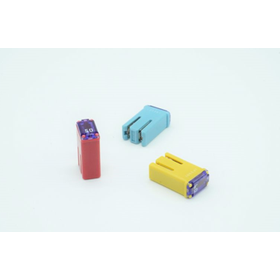
The cooling fan and blower motor withstand inrush current at startup while ensuring reliable disconnection in case of abnormalities!
- fuse

A must-see for those in the automotive and construction machinery industries! Low-pressure fuse 'SBFC-MS2'
The low-voltage fuse "SBFC-MS2" is a slow blow fuse that can withstand temporary overcurrents and only blows under continuous overcurrents. It is particularly effective for devices in automobiles where the current temporarily spikes. For example, it protects power window motors, which may blow regular fuses due to the large current that flows temporarily during startup. It is recommended for those facing circuit protection challenges in the automotive and construction machinery industries, as well as for low-voltage fuses (below DC70V).
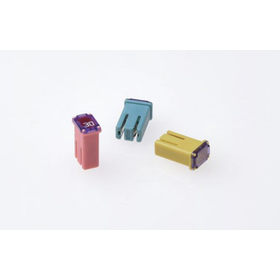
Ideal for protecting power window motors, wiper motors, seat adjustment motors, and more!
- fuse
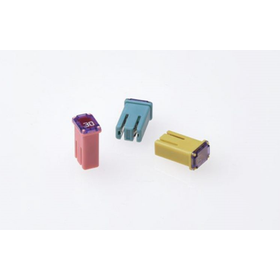
RoHS and ELV compliant! Low voltage fuse 'SBFC-MS'
The low-voltage fuse "SBFC-MS" is a slow blow fuse that can withstand temporary overcurrents and only blows under continuous overcurrent conditions. In automobiles, it is particularly effective for devices that experience momentary spikes in current. It is recommended for those facing challenges related to circuit protection in the automotive industry, construction machinery industry, and low-voltage fuses (below DC70V).
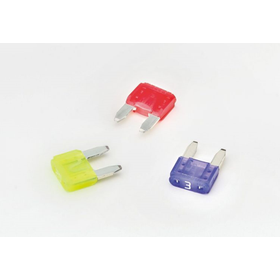
For circuit protection of airbag systems and ABS (Anti-lock Braking System)!
- fuse
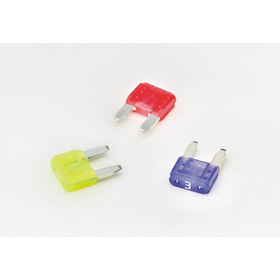
International standard product, compatible with space-saving! Low-pressure fuse 'BFMN'
The low-voltage fuse "BFMN" is a small blade fuse used to protect the electrical circuits of automobiles. When the current increases abnormally, the fuse blows to prevent damage to equipment and wiring. It is recommended for those facing challenges related to circuit protection with low-voltage fuses (below DC 70V) in the automotive and construction machinery industries. It is suitable for protecting circuits of electrical components, comfort equipment, safety devices, and control systems.
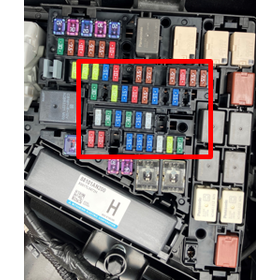
For circuit protection of comfortable features such as car navigation, audio, ETC, air conditioning, and seat heaters!
- fuse
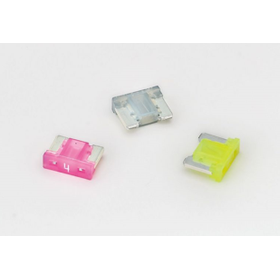
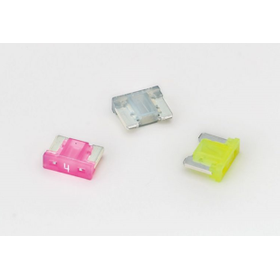
Ideal for the automotive and construction machinery industries! Low-pressure fuse 'BFLP'
The low-voltage fuse "BFLP" is a small safety component used to protect the electrical circuits of automobiles. When the current increases abnormally, the fuse blows, preventing damage to equipment and wiring. It is recommended for those facing challenges related to circuit protection with low-voltage fuses (DC 70V or less) in the automotive and construction machinery industries. It is used for circuit protection of electrical components such as headlights, taillights, turn signals, power windows, door locks, and mirror adjustments.


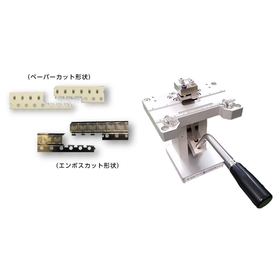
Improve splicing work! Splicing with the same quality for everyone, without the need for power or air sources!
- Printed Circuit Board
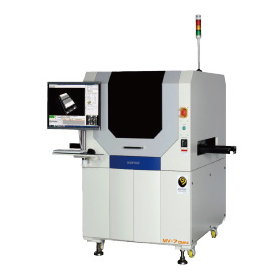
3D AOI device for substrate mounting that achieves a reduction in excessive detection.
- Printed Circuit Board
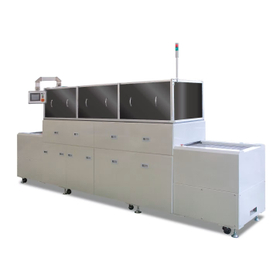
A dedicated machine for correcting the warping of substrates aimed at improving quality before the implementation of the substrate.
- Printed Circuit Board


Electromagnetic interference countermeasures

- EMC countermeasure products

Electrolytic corrosion prevention for the ship's bearings, gearbox, shaft, and propeller shaft!

- Other electronic parts


We have a proven track record in numerous domestic and international projects.
- converter
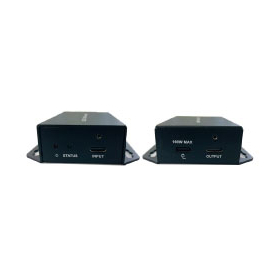

Fully compatible with USB-C! Extends the length of cables on both the host side and the device side.
- Web/Video Conference
- Other electronic parts
- LAN construction and wiring work

In cars equipped with various wireless systems, wireless technology is one of the essential technologies!

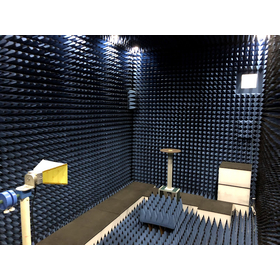
- antenna
What is an anechoic chamber? Is it really necessary?
An anechoic chamber is a "special room" used to test the performance and safety of wireless devices. In a regular room, invisible waves from smartphones, Wi-Fi, and televisions are present, making it impossible to conduct accurate tests on devices. Therefore, an anechoic chamber is a special space that "completely shuts out external waves" and also ensures that "waves inside do not leak outside." When is it used? - Testing and inspection of wireless devices - Testing for obtaining technical standard conformity certification (Giteki) - Confirming that there is no interference from waves to other devices In other words, it is "an essential place for creating accurate and reliable wireless devices." What is the inside of the room like? - The walls, ceiling, and floor are covered with "sponge-like materials that absorb waves (wave-absorbing panels)." - The entire room is covered with a metal shield to prevent external waves from entering. Why is it so important? Wireless devices can significantly impact medical equipment, airplanes, and fire department radios, depending on where they are used. That is why it is crucial to thoroughly verify that they emit waves correctly and safely in a place free from external influences, which is the anechoic chamber.