
List of Electronic Components products
- classification:Electronic Components
1531~1575 item / All 28404 items


It won't break even after 1 million repetitions! A mat switch with reliable operation, high durability, and low price. Suitable for options in machine tools as well. Please consult us about delivery t...
- Sensors


We can accommodate high resistance over 10,000 ohms, with diameters ranging from approximately 30 mm to 8 inches, and we also offer thinning and chip processing arrangements!
- Other semiconductors
- Processing Contract
- Wafer
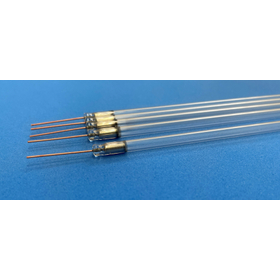

Cold cathode UV lamps, available in various types of CCFLs, from compact sizes and special shapes to waterproof and fluorescent specifications.
- Ultraviolet irradiation equipment
- Fluorescent lamp
- Lamps and light emitting devices

[Custom Order / Customization Available] Cold Cathode UV Lamp as an Alternative to Conventional UV Lamps
This is a cold cathode UV (ultraviolet) lamp that addresses issues such as "the size and shape do not fit with conventional UV lamps" and "wanting to reduce the frequency of replacements." It features long lifespan, strong resistance to ON/OFF lighting, and high flexibility in size and shape, making it suitable for operations that require repeated lighting and extinguishing, as well as for integration into small devices. It can be manufactured in sizes ranging from compact lamps to fluorescent tube-type lamps.

Resolving issues such as 'inherently short lifespan' and 'lifespan affected by the number of power ON/OFF cycles.'
- Sterilization and disinfection equipment
- Electron tube
- Lamps and light emitting devices
[Custom Order / Customization Available] Cold Cathode UV Lamp as an Alternative to Conventional UV Lamps
This is a cold cathode UV (ultraviolet) lamp that addresses issues such as "the size and shape do not fit with conventional UV lamps" and "wanting to reduce the frequency of replacements." It features long lifespan, strong resistance to ON/OFF lighting, and high flexibility in size and shape, making it suitable for operations that require repeated lighting and extinguishing, as well as for integration into small devices. It can be manufactured in sizes ranging from compact lamps to fluorescent tube-type lamps.
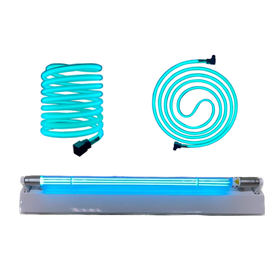
Cold cathode lamps that accommodate various shapes through bending processing, from straight tubes to special shapes.
- Lamps and light emitting devices
- Mercury lamp
- Electron tube


Even during a power outage or outdoors! Charge your mobile phone and PC + operate small appliances with a high-capacity portable power source.
- power supply
- Charger
- Solar power generator
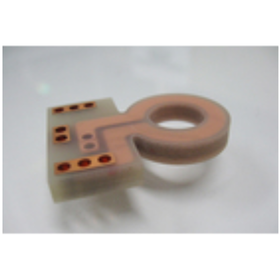

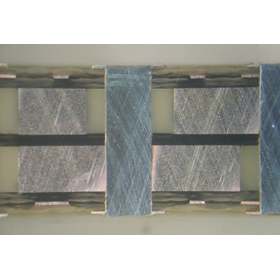
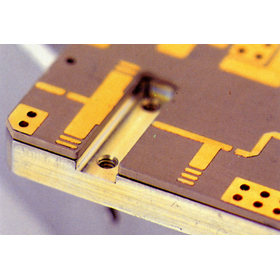
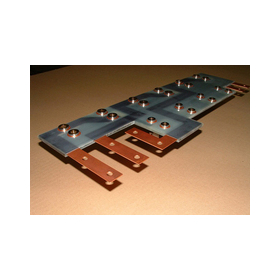
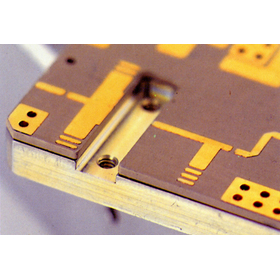
Contributing to high-precision control! Proven performance over 100A, improving reliability through board integration for high current applications.
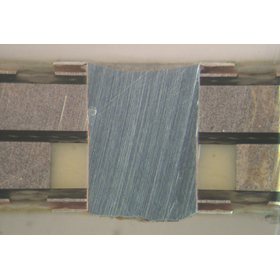
- Printed Circuit Board
- Circuit board design and manufacturing
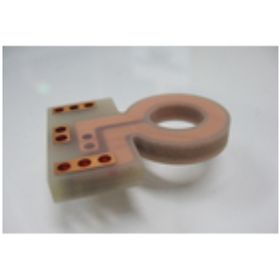
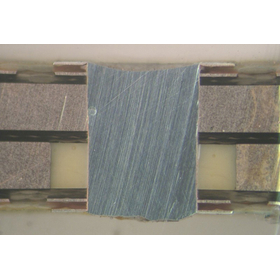
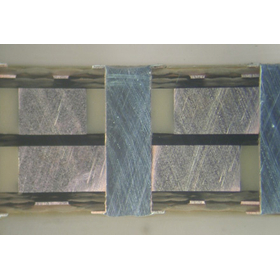
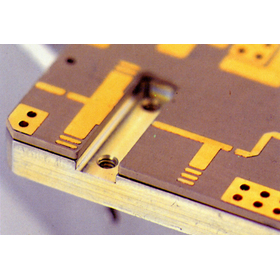
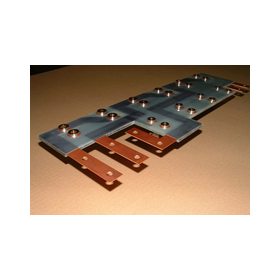
Contributing to power distribution in the aerospace field! Achieving high insulation and reduced man-hours.
- Printed Circuit Board
- Circuit board design and manufacturing
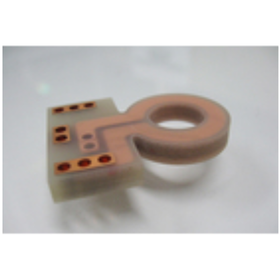
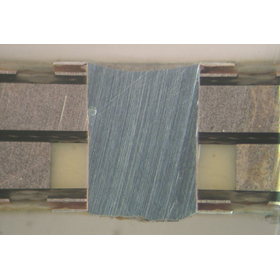
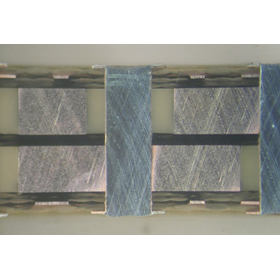
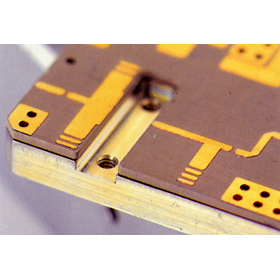
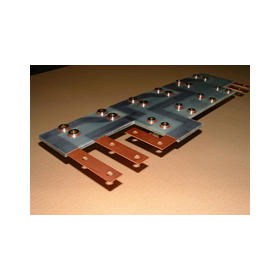
Contributing to the improvement of cooling efficiency in data centers! Achieving space-saving through substrate design for high current applications.
- Printed Circuit Board
- Circuit board design and manufacturing
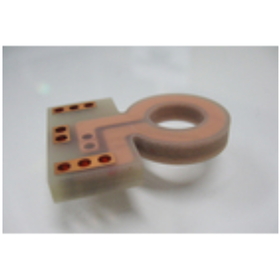
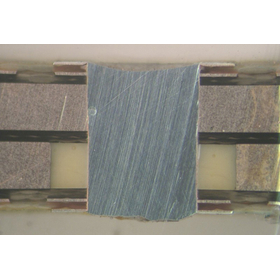
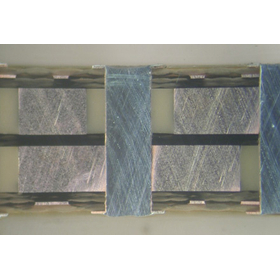
Contributing to the control of ship propulsion! Improving reliability and efficiency through substrate technology for high current applications.
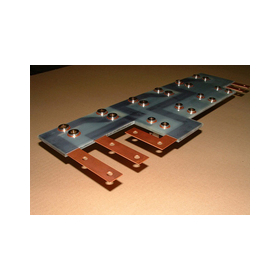
- Printed Circuit Board
- Circuit board design and manufacturing
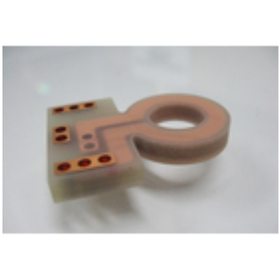
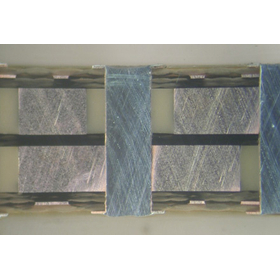
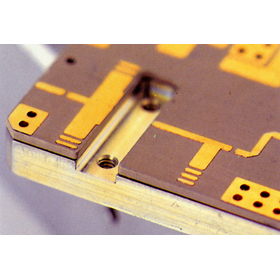
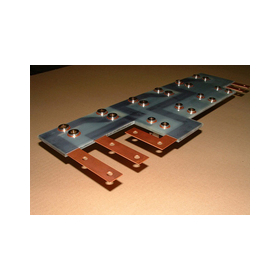
Contributing to the miniaturization of devices! Proven performance exceeding 100A, achieving high insulation and reduced labor for high current applications.
- Printed Circuit Board
- Circuit board design and manufacturing

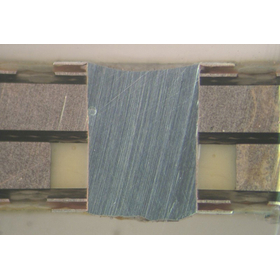
By substrate-izing busbars and coils used for high current applications, high insulation properties and a reduction in labor hours are achieved!


- Printed Circuit Board
- Circuit board design and manufacturing
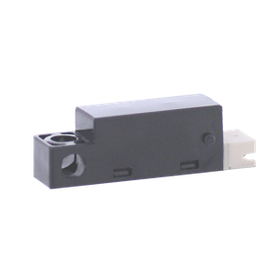

Reflective photo sensor that suppresses variation in judgment and achieves stable detection.
- Sensors
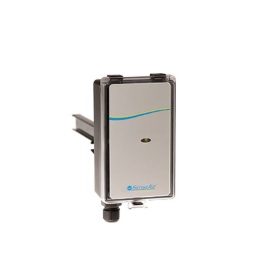

High cost performance through connection to DDC (Direct Digital Control)!
- Sensors
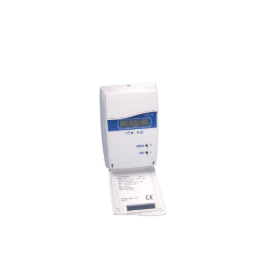
Equipped with an LCD display and push buttons! It can be installed not only in general living environments but also in ventilation ducts.
- Sensors
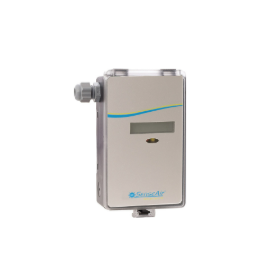
It can be used as both a control for the ventilation system and as part of the alarm system!
- Sensors
CO₂ monitoring based on the Demand Control Ventilation (DCV) system reduces power consumption!
- Sensors
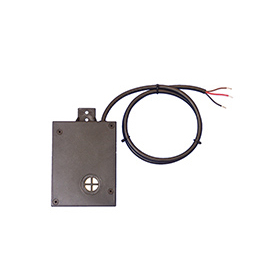
Compact size (106×67×26mm), housing with protection class IP50!
- Sensors
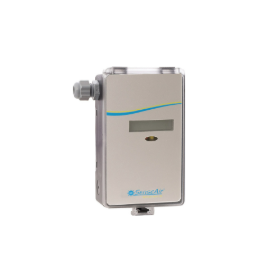
Highly cost-effective sensor solutions for building air conditioning and other environments!
- Sensors
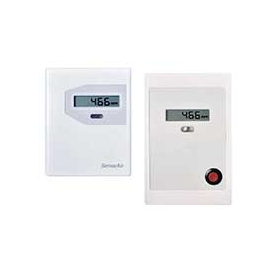
By measuring CO₂ concentration, maintain appropriate indoor air quality! Air cleanliness indicator.
- Sensors
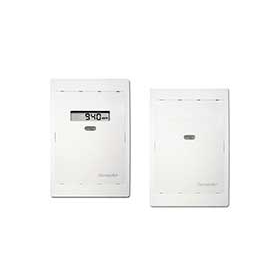
Reduce power consumption by controlling ventilation based on actual demand!
- Sensors
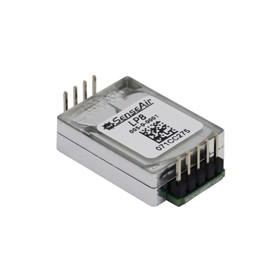
A single 3.6V, 2600mA AA-sized Li-SOCl2 battery can achieve operation over the course of a year!
- Sensors
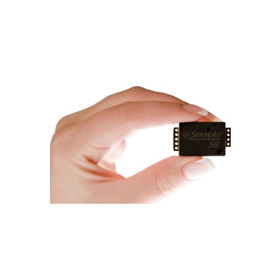
Measurement range is 400 to 2,000 ppm (extended range: up to 10,000 ppm)! Ultra-compact sensor.
- Sensors
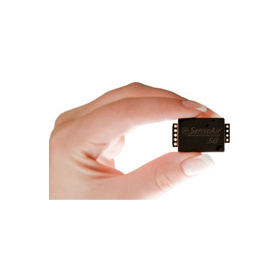
For applications where both power consumption and accuracy are important! Maintenance-free.
- Sensors
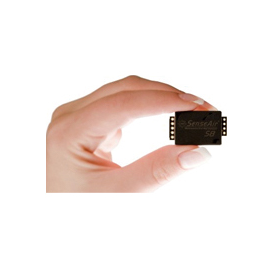
Compact size and high concentration compatible! For control and alarm applications.
- Sensors
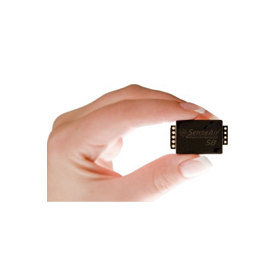
In a typical indoor environment, maintenance-free operation is achieved by using the SenseAir ABC automatic calibration feature!
- Sensors
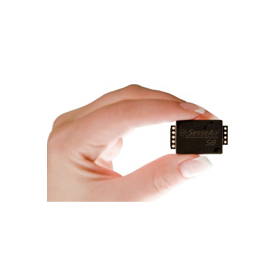
Can be embedded in various alarm applications on host devices where users want to detect CO₂!
- Sensors
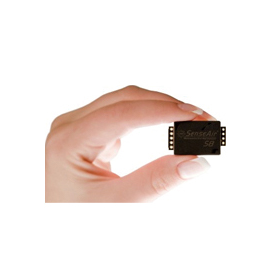
Customizable for various alarm and control applications!
- Sensors
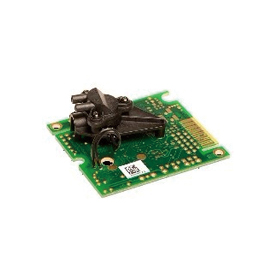
Used for control and alarm applications! High concentration compatible model.
- Sensors
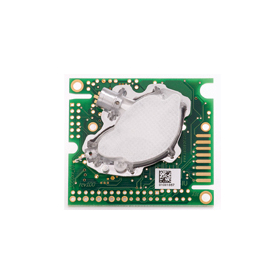
Built-in data logger, temperature and humidity measurement, equipped with standby mode!
- Sensors
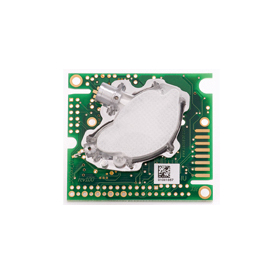
Designed for mass production with complete traceability of all manufacturing processes and key components through the serial number!
- Sensors
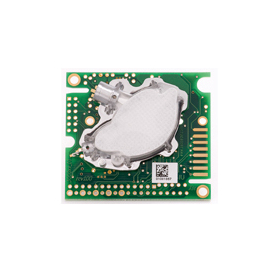
Designed for integration into host devices such as battery-powered products and wireless communication sensors!
- Sensors
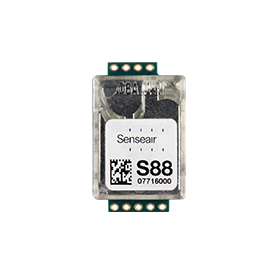
Redesigned with mass production of the popular S8 platform in mind! High cost performance.
- Sensors
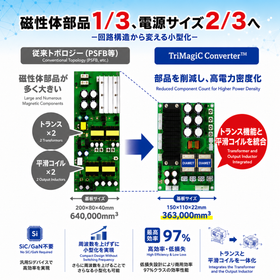

【Technical Data Presentation】Reducing costs while miniaturizing and improving efficiency without SiC/GaN. "Simple Calculation Tool" available for design assistance!
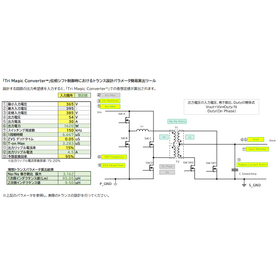
- converter
We will exhibit at "TECHNO-FRONTIER 2026 41st Power System Exhibition"!
Daiyamet Co., Ltd. (Headquarters: Higashi-ku, Niigata City, President: Hiroshi Iii) will exhibit at the "TECHNO-FRONTIER 2026 41st Power Supply System Exhibition" held at Tokyo Big Sight from July 15 (Wednesday) to 17 (Friday), 2026, showcasing the isolated DC-DC converter circuit method "TriMagiC Converter (TM)" that simultaneously achieves high power, high conversion efficiency, and miniaturization. At this exhibition, we will display prototype boards of 1.6kW and 3.3kW isolated DC-DC converters using the TriMagiC Converter (TM) circuit method, as well as introduce a lineup of pressed powder cores for transformers and resonant coils. Since last year, we have expanded our product lineup and will propose magnetic materials suitable for various applications, including high permeability and low loss materials. Additionally, we will showcase a mock-up of the PoL (Point of Load) converter for AI servers, which is being developed in collaboration with the Yamamoto Masayoshi Laboratory at the National Institute of Technology, Nagoya University. By viewing the actual size, visitors can experience the potential for high power density and miniaturization required for next-generation power supplies.


Brass (Nickel Plated) Spacer Hexagonal Both Ends Threaded for Countersunk Screws "KSB-ANE"
- Other electronic parts

Brass (Ni-plated) spacer hexagonal double male thread one side insulated "ADB-E"
- Other electronic parts
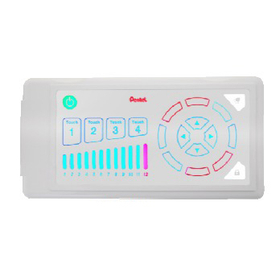

[Must-see for developers and designers] Accurately identifies fingers even when water droplets are present! Achieves strong noise resistance with high waterproofing and spectrum analysis capabilities.
- switch
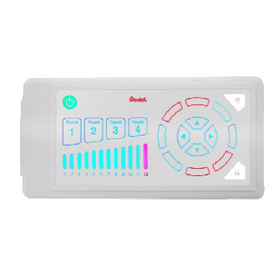
Solving interference with patented technology: Overlapping the switch and non-contact IC card reader at the same position! Achieving miniaturization of input terminals.
- switch
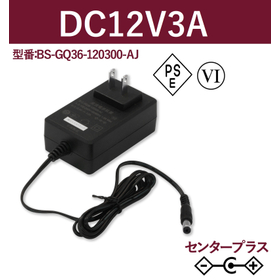

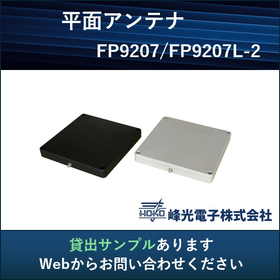

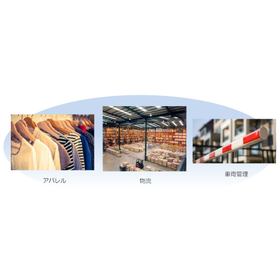
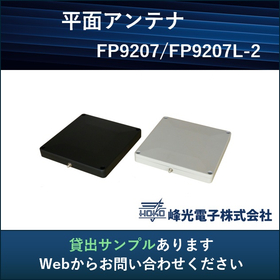
Standard RFID antenna supporting the management and operation of disaster prevention and crime prevention equipment.
- antenna
- Document and Data Management
- Entrance and exit control system
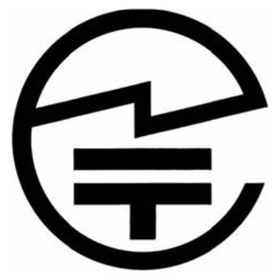
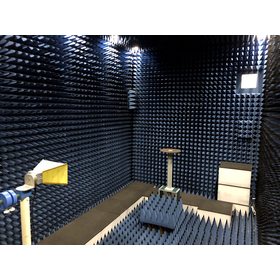
A clear explanation of how to obtain a technical standards conformity certification!
To sell and use products that utilize wireless technology in Japan, it is necessary to obtain a national certification called "Technical Standards Conformity Certification (Giteki)." So, "how do you obtain Giteki?" 【Step 1】 What products require Giteki? Devices that communicate using wireless technology that emits radio waves are subject to this requirement, such as smartphones, Wi-Fi routers, Bluetooth earphones, wireless mice, wireless transceivers, IoT devices, etc. 【Step 2】 Where can you get the assessment done? The assessment for Giteki is conducted by a third-party organization recognized by the government, called a "Registered Certification Body." Examples include the Telecommunications Engineering Center (TELEC) and the Japan Maritime Bureau (JCI). 【Step 3】 What do you need to submit? For the assessment, you need to submit documents and samples such as the following, to check for "signal strength," "frequency accuracy," and "radio interference": Product technical specifications (such as frequency and output), circuit diagrams or design drawings, and the actual product (or prototype). 【Step 4】 If you pass the test, you will receive the "Giteki mark"! 【Step 5】 After that, you can freely sell and use the product!
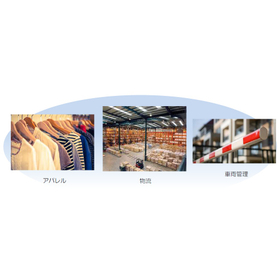
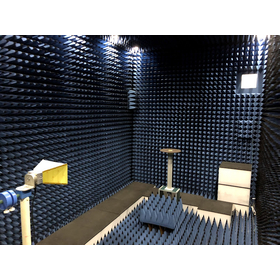
Standard RFID antenna contributing to the efficiency of inventory management.
- antenna
- Document and Data Management
- Entrance and exit control system
A clear explanation of how to obtain a technical standards conformity certification!
To sell and use products that utilize wireless technology in Japan, it is necessary to obtain a national certification called "Technical Standards Conformity Certification (Giteki)." So, "how do you obtain Giteki?" 【Step 1】 What products require Giteki? Devices that communicate using wireless technology that emits radio waves are subject to this requirement, such as smartphones, Wi-Fi routers, Bluetooth earphones, wireless mice, wireless transceivers, IoT devices, etc. 【Step 2】 Where can you get the assessment done? The assessment for Giteki is conducted by a third-party organization recognized by the government, called a "Registered Certification Body." Examples include the Telecommunications Engineering Center (TELEC) and the Japan Maritime Bureau (JCI). 【Step 3】 What do you need to submit? For the assessment, you need to submit documents and samples such as the following, to check for "signal strength," "frequency accuracy," and "radio interference": Product technical specifications (such as frequency and output), circuit diagrams or design drawings, and the actual product (or prototype). 【Step 4】 If you pass the test, you will receive the "Giteki mark"! 【Step 5】 After that, you can freely sell and use the product!
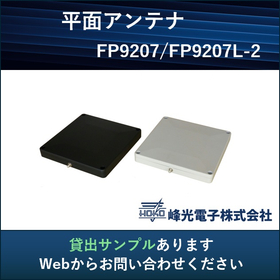
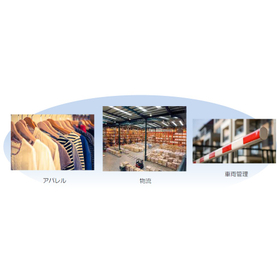
A compact and high-gain RFID antenna that contributes to crop management.
- antenna
- Document and Data Management
- Entrance and exit control system
A clear explanation of how to obtain a technical standards conformity certification!
To sell and use products that utilize wireless technology in Japan, it is necessary to obtain a national certification called "Technical Standards Conformity Certification (Giteki)." So, "how do you obtain Giteki?" 【Step 1】 What products require Giteki? Devices that communicate using wireless technology that emits radio waves are subject to this requirement, such as smartphones, Wi-Fi routers, Bluetooth earphones, wireless mice, wireless transceivers, IoT devices, etc. 【Step 2】 Where can you get the assessment done? The assessment for Giteki is conducted by a third-party organization recognized by the government, called a "Registered Certification Body." Examples include the Telecommunications Engineering Center (TELEC) and the Japan Maritime Bureau (JCI). 【Step 3】 What do you need to submit? For the assessment, you need to submit documents and samples such as the following, to check for "signal strength," "frequency accuracy," and "radio interference": Product technical specifications (such as frequency and output), circuit diagrams or design drawings, and the actual product (or prototype). 【Step 4】 If you pass the test, you will receive the "Giteki mark"! 【Step 5】 After that, you can freely sell and use the product!
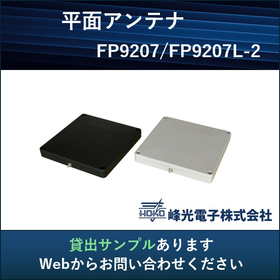
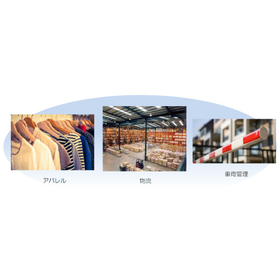
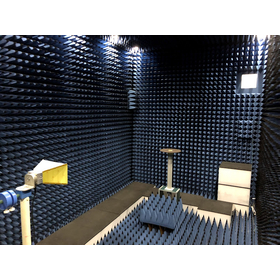
Standard RFID antenna for streamlining equipment and material management.
- antenna
- Document and Data Management
- Entrance and exit control system
A clear explanation of how to obtain a technical standards conformity certification!
To sell and use products that utilize wireless technology in Japan, it is necessary to obtain a national certification called "Technical Standards Conformity Certification (Giteki)." So, "how do you obtain Giteki?" 【Step 1】 What products require Giteki? Devices that communicate using wireless technology that emits radio waves are subject to this requirement, such as smartphones, Wi-Fi routers, Bluetooth earphones, wireless mice, wireless transceivers, IoT devices, etc. 【Step 2】 Where can you get the assessment done? The assessment for Giteki is conducted by a third-party organization recognized by the government, called a "Registered Certification Body." Examples include the Telecommunications Engineering Center (TELEC) and the Japan Maritime Bureau (JCI). 【Step 3】 What do you need to submit? For the assessment, you need to submit documents and samples such as the following, to check for "signal strength," "frequency accuracy," and "radio interference": Product technical specifications (such as frequency and output), circuit diagrams or design drawings, and the actual product (or prototype). 【Step 4】 If you pass the test, you will receive the "Giteki mark"! 【Step 5】 After that, you can freely sell and use the product!
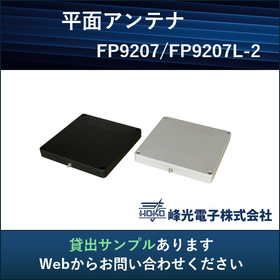
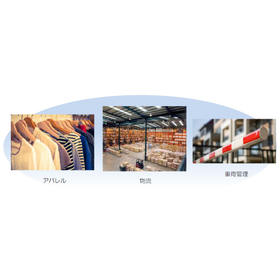
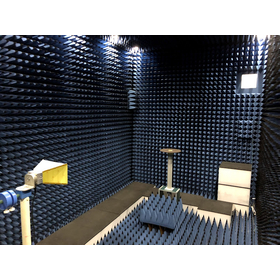
RFID antenna that supports the visualization and efficiency of manufacturing processes.
- antenna
- Document and Data Management
- Entrance and exit control system
A clear explanation of how to obtain a technical standards conformity certification!
To sell and use products that utilize wireless technology in Japan, it is necessary to obtain a national certification called "Technical Standards Conformity Certification (Giteki)." So, "how do you obtain Giteki?" 【Step 1】 What products require Giteki? Devices that communicate using wireless technology that emits radio waves are subject to this requirement, such as smartphones, Wi-Fi routers, Bluetooth earphones, wireless mice, wireless transceivers, IoT devices, etc. 【Step 2】 Where can you get the assessment done? The assessment for Giteki is conducted by a third-party organization recognized by the government, called a "Registered Certification Body." Examples include the Telecommunications Engineering Center (TELEC) and the Japan Maritime Bureau (JCI). 【Step 3】 What do you need to submit? For the assessment, you need to submit documents and samples such as the following, to check for "signal strength," "frequency accuracy," and "radio interference": Product technical specifications (such as frequency and output), circuit diagrams or design drawings, and the actual product (or prototype). 【Step 4】 If you pass the test, you will receive the "Giteki mark"! 【Step 5】 After that, you can freely sell and use the product!


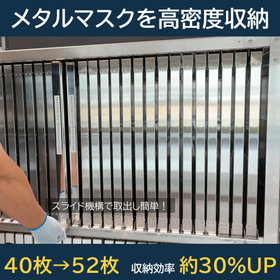
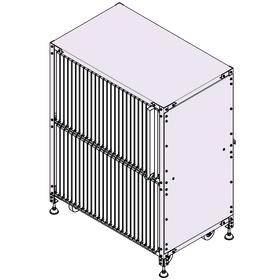
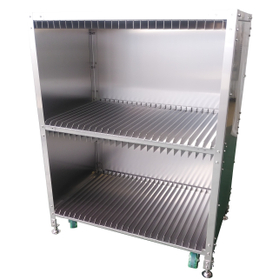
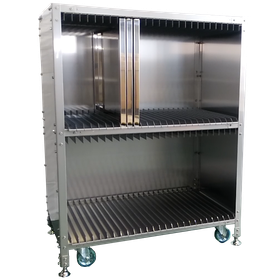
Compressed storage with sliding dividers! A sturdy metal mask storage shelf!

- Other processing machines
- Printed Circuit Board
- Other mounting machines
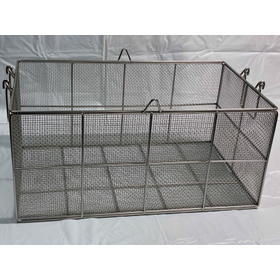
(Production Example) Stainless steel cleaning basket designed for durability, suitable for cleaning, transportation, and storage.
A robust design that is resistant to deformation for repeated use in cleaning processes. A stainless steel cleaning basket (mesh basket) that accommodates cleaning, transportation, and storage. For storing tools, parts, and containers used in the cleaning process, it is essential to maintain cleanliness and manage them easily, as well as to ensure durability for repeated use. In particular, in environments where cleaning, transportation, and storage are repeated, a stainless steel cleaning basket (stainless steel mesh basket) that is resistant to deformation and can be used consistently is crucial. This product is a robust stainless steel cleaning basket designed for repeated use. Its notable feature is its emphasis on durability, making it easy to handle during cleaning, as well as suitable for inter-process transportation and temporary storage. Additionally, specifications can be tailored according to the application, including dimensions, round bar diameter, mesh size, handle shape, and the presence of dividers. We can easily accommodate requests such as "not suitable for commercially available products" or "want a slightly sturdier design," and consultations can be made even at the stage without drawings. Examples of production including other sizes can be found in the related catalog.
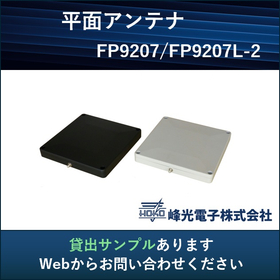
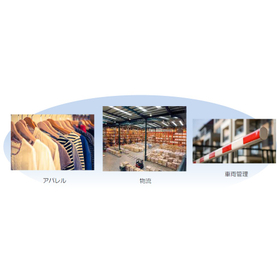
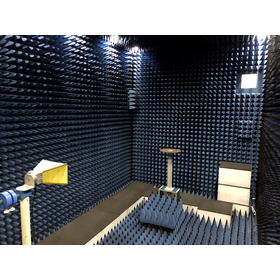
Standard RFID antenna supporting high-precision asset and component management.
- antenna
- Document and Data Management
- Entrance and exit control system
A clear explanation of how to obtain a technical standards conformity certification!
To sell and use products that utilize wireless technology in Japan, it is necessary to obtain a national certification called "Technical Standards Conformity Certification (Giteki)." So, "how do you obtain Giteki?" 【Step 1】 What products require Giteki? Devices that communicate using wireless technology that emits radio waves are subject to this requirement, such as smartphones, Wi-Fi routers, Bluetooth earphones, wireless mice, wireless transceivers, IoT devices, etc. 【Step 2】 Where can you get the assessment done? The assessment for Giteki is conducted by a third-party organization recognized by the government, called a "Registered Certification Body." Examples include the Telecommunications Engineering Center (TELEC) and the Japan Maritime Bureau (JCI). 【Step 3】 What do you need to submit? For the assessment, you need to submit documents and samples such as the following, to check for "signal strength," "frequency accuracy," and "radio interference": Product technical specifications (such as frequency and output), circuit diagrams or design drawings, and the actual product (or prototype). 【Step 4】 If you pass the test, you will receive the "Giteki mark"! 【Step 5】 After that, you can freely sell and use the product!