
List of Electronic Components products
- classification:Electronic Components
2431~2475 item / All 28732 items


Reduce the workload from handling heavy objects! Here are five case studies that solved customer challenges! We are also accepting free consultations and tests tailored to your work!

- Other conveying machines


We can accommodate high resistance over 10,000 ohms, with diameters ranging from approximately 30 mm to 8 inches, and we also offer thinning and chip processing arrangements!
- Other semiconductors
- Processing Contract
- Wafer
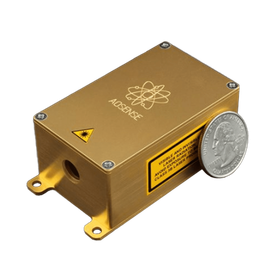

Achieving both compact structure and high frequency stability! Overcoming challenges such as environmental resistance and size constraints.
- Other electronic parts
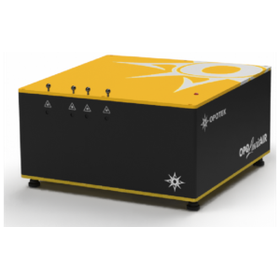
Completely air-cooled and no installation required! An all-in-one unit that can be used immediately without any on-site installation work.
- Other electronic parts
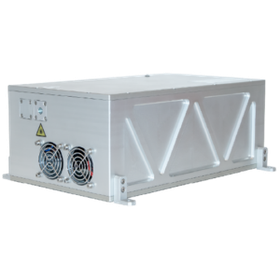
Achieves M2 value of less than 2, close to TEM00! A flash lamp model that provides high beam quality.
- Other electronic parts
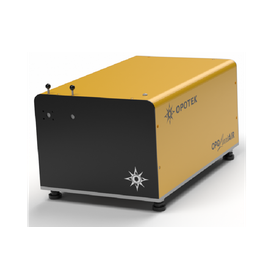
Adopts a completely air-cooled, all-in-one design! Suitable for integration into devices and space-saving experimental environments.
- Other electronic parts
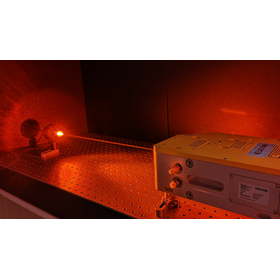
Covers 350 to 2150 nm. High-power, sub-kHz narrow linewidth laser for AMO physics research.
- Other electronic parts
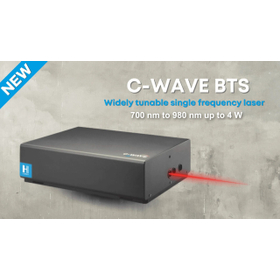
Wavelength variable from 700 to 980 nm. High output, narrow linewidth single-frequency CW Ti:Sapphire laser for resonance Raman and quantum research.
- Other electronic parts
It will be possible to incorporate test requirements from the design stage!
- Other electronic parts
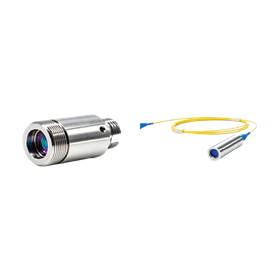
This is a lineup compatible with collimated distances of 2 km or more!
- Coupler
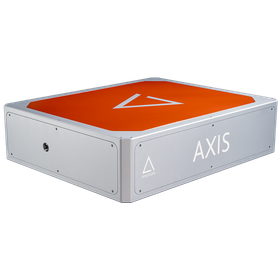
An amplifier that achieves both beam stability and process control without compromise!
- Amplifier


A vehicle-mounted IP radio that enables simultaneous calls with clear sound quality like a telephone, featuring a robust aluminum die-cast chassis designed for strength during emergencies such as disa...
- antenna



The silicon phototransistor chip has been incorporated into a metal package!
- Sensors
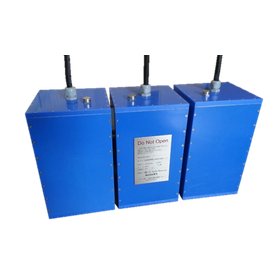

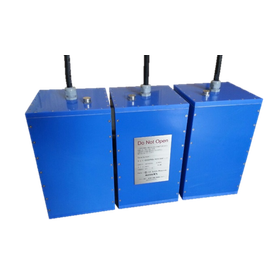
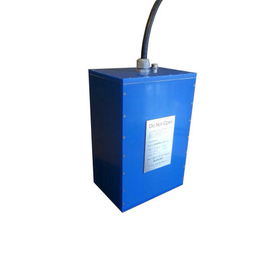
Reduce the power consumption of the cubicle by more than 5%!
- Electron tube

This is a groundbreaking energy-saving unit made primarily of natural mineral tourmaline, capable of reducing the power consumption of large transformers (cubicles) by more than 5%, unlike any other p...

- Electron tube
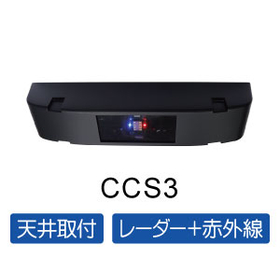

Adapts to changes in road surface during rainy weather! Vehicle count sensors useful for managing parking lot occupancy and exit warnings.
- Sensors
- Other safety equipment
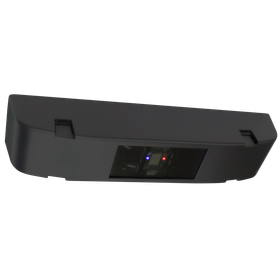
The new product "Vehicle Count Sensor CCS3" enables efficient occupancy management of large parking lots.
Hotron Inc. has launched its new product, the "Vehicle Count Sensor CCS3"! This product is a ceiling-mounted sensor that combines infrared and radar technology. It reliably detects vehicles in both directions with a single unit, accommodating traffic during congestion and vehicle passing, thus achieving efficient occupancy management in large parking lots. Additionally, it can be utilized for exit warning purposes in addition to vehicle counting, contributing to the safe and smooth operation of parking facilities. 'Features' - Improved detection performance against changes in road surface during rainy weather by using both infrared and radar. - Equipped with IP67 waterproof and dustproof performance, making it effective even in salt damage areas. - Various settings can be configured from a dedicated app (for Android devices), with current settings easily understandable at a glance. - The base dimensions are the same as the previous model "CCS2," allowing for smooth replacement of existing equipment. *For more details, please refer to the product information, catalog download, or contact us.*
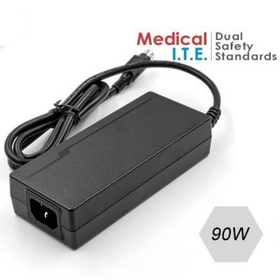

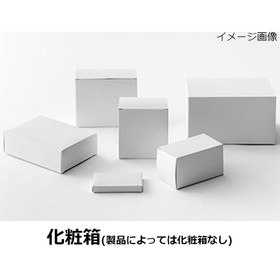
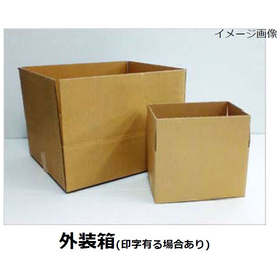
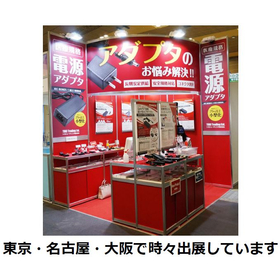
【AC Adapter・Power Supply・PSE Electrical Safety Law・Small Quantity・Short Delivery Time】90W Medical and General IT, Highly Reliable AC Adapter, IP22 | Competitive Pricing
- AC adapter
- power supply
- Other power sources

By installing and connecting it inside the cubicle (transformer), you can reduce CO2 emissions by more than 5%. We have over 2,200 sets installed domestically.


- Electron tube
![[Case Study] Nuvoton's 3D-TOF Senso...](https://image.mono.ipros.com/public/product/image/323835/IPROS6939038854838911448.jpg?w=280&h=280)

Achieving stable sensing even under sunlight.
- Sensors
- Industrial PCs

64ch 12/16-bit Maximum 3MS/s Multifunction PXI Module
- Other electronic parts
- Expansion Boards

96ch 12-bit Maximum 3MS/s High-Density Analog Input PXI Module
- Other electronic parts
- Expansion Boards

4/8 channel 12-bit maximum 1 MS/s analog input multifunction PXI module
- Other electronic parts
- Expansion Boards

All-hybrid 9-slot 3U PXIe chassis, AC power with a maximum system bandwidth of 7GB/s.
- Other electronic parts
- Expansion Boards

4/8/12-channel PCI Express x4 Gen3 USB3 Vision Top Performance Frame Grabber
- Other electronic parts
- Image Processing Board
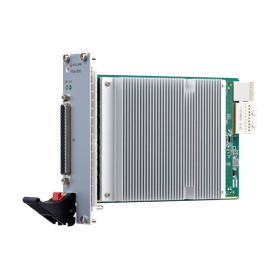
8-channel 4-quadrant source measure unit (SMU)
- Other electronic parts
- Expansion Boards

ADLINK releases a new PXI Express platform for high-precision and cost-effective inspection and measurement systems.
● Achieves testing of precision ICs and low-power devices with high-speed and wide-ranging SMU. ● Scalable 9/12-slot PXI Express platform provides up to 16 GB/s system bandwidth. ● Supports both complete chassis and backplane-only system designs with flexible deployment options.
![Video capture card [PCIe-10GPoE]](https://image.mono.ipros.com/public/product/image/323835/IPROS6346857628672431550.jpg?w=280&h=280)
2-CH PCI Express 10 GigE Vision PoE+ Grabber
- Other electronic parts
- Expansion Boards

4ch 14/16-bit maximum 2MS/s simultaneous sampling multifunction PXI module
- Other electronic parts
- Expansion Boards

6 all-hybrid slots 3U PXIe chassis; AC power with a maximum system bandwidth of 8GB/s.
- Other electronic parts
- Expansion Boards

ADLINK releases entry-level PXI/PXIe platform.
A new entry-level PXI and PXI Express (PXIe) platform for startup users of the PXI inspection system has been announced. With the release of the latest entry-level segment PXI platform, ADLINK's PXI products have been further enhanced, offering a range of high-performance, mainstream, and entry-level products that meet diverse user requirements.

2/4ch PCI Express GigE version + frame grabber
- Other electronic parts
- Expansion Boards

ADLINK wins Silver Award at the "Image Information AWARD".
ADLINK Japan has won the Silver Award at the "15th Video Information AWARD" organized by Video Information Web. The "Video Information AWARD" recognizes 101 nominated machine vision-related products from new products and technologies announced by various companies in 2017, based on reader votes, and this is the first time ADLINK has received an award. The products that won this time are the NEON-1021, the latest smart camera featuring the Intel Atom E3845 processor; the EOS-1300, a 4-channel PoE compact vision system; and the PCIe-GIE72/74, a 2/4 channel GigE Vision PoE+ frame grabber. About Video Information Web Video Information Web publishes magazines and books in the "Video Information" series. It introduces high-quality information more quickly across a diverse range of topics, from cutting-edge technologies in the video industry to applications in medical imaging.
![3U PXIe Chassis [PXES-2596]](https://image.mono.ipros.com/public/product/image/323835/IPROS8167132481769885924.png?w=280&h=280)
9/12 slot all-hybrid 3U PXIe chassis, ATX power supply, 16 GB/s system bandwidth capability
- Other electronic parts
- Expansion Boards
ADLINK releases a new PXI Express platform for high-precision and cost-effective inspection and measurement systems.
● Achieves testing of precision ICs and low-power devices with high-speed and wide-ranging SMU. ● Scalable 9/12-slot PXI Express platform provides up to 16 GB/s system bandwidth. ● Supports both complete chassis and backplane-only system designs with flexible deployment options.
![Video capture card [PCIe-GIE74V]](https://image.mono.ipros.com/public/product/image/323835/IPROS12463897394756979869.png?w=280&h=280)
4-channel PCI Express GigE Vision PoE frame grabber
- Other electronic parts
- Expansion Boards
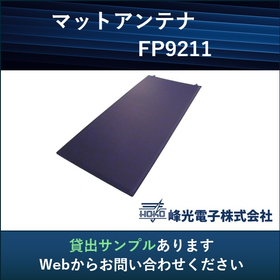

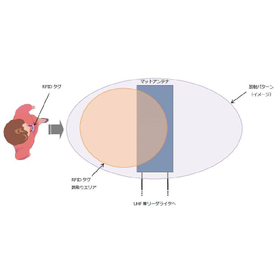
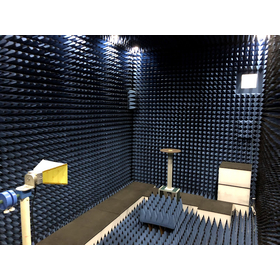
Ensure accurate recording of people and assets with a slim mat! Manage entry and exit smartly.
- antenna
- Entrance and exit control system
- Personal authentication

A clear explanation of how to obtain a technical standards conformity certification!
To sell and use products that utilize wireless technology in Japan, it is necessary to obtain a national certification called "Technical Standards Conformity Certification (Giteki)." So, "how do you obtain Giteki?" 【Step 1】 What products require Giteki? Devices that communicate using wireless technology that emits radio waves are subject to this requirement, such as smartphones, Wi-Fi routers, Bluetooth earphones, wireless mice, wireless transceivers, IoT devices, etc. 【Step 2】 Where can you get the assessment done? The assessment for Giteki is conducted by a third-party organization recognized by the government, called a "Registered Certification Body." Examples include the Telecommunications Engineering Center (TELEC) and the Japan Maritime Bureau (JCI). 【Step 3】 What do you need to submit? For the assessment, you need to submit documents and samples such as the following, to check for "signal strength," "frequency accuracy," and "radio interference": Product technical specifications (such as frequency and output), circuit diagrams or design drawings, and the actual product (or prototype). 【Step 4】 If you pass the test, you will receive the "Giteki mark"! 【Step 5】 After that, you can freely sell and use the product!
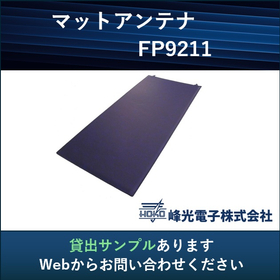
Slim, lightweight, and easy to install! RFID antenna that can be placed under carpets.
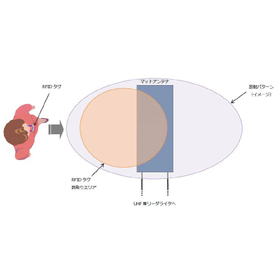
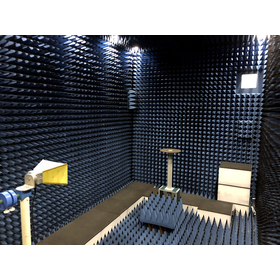
- antenna
- Entrance and exit control system
- Personal authentication
A clear explanation of how to obtain a technical standards conformity certification!
To sell and use products that utilize wireless technology in Japan, it is necessary to obtain a national certification called "Technical Standards Conformity Certification (Giteki)." So, "how do you obtain Giteki?" 【Step 1】 What products require Giteki? Devices that communicate using wireless technology that emits radio waves are subject to this requirement, such as smartphones, Wi-Fi routers, Bluetooth earphones, wireless mice, wireless transceivers, IoT devices, etc. 【Step 2】 Where can you get the assessment done? The assessment for Giteki is conducted by a third-party organization recognized by the government, called a "Registered Certification Body." Examples include the Telecommunications Engineering Center (TELEC) and the Japan Maritime Bureau (JCI). 【Step 3】 What do you need to submit? For the assessment, you need to submit documents and samples such as the following, to check for "signal strength," "frequency accuracy," and "radio interference": Product technical specifications (such as frequency and output), circuit diagrams or design drawings, and the actual product (or prototype). 【Step 4】 If you pass the test, you will receive the "Giteki mark"! 【Step 5】 After that, you can freely sell and use the product!
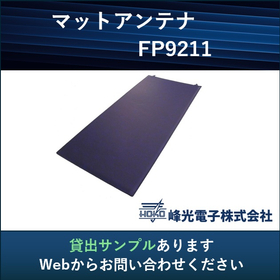
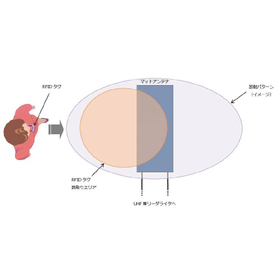
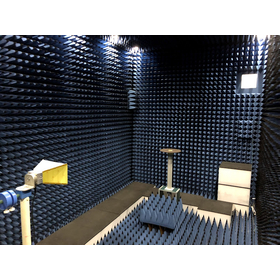
A super-thin mat antenna with a thickness of 5mm that facilitates the tracking of harvested goods.
- antenna
- Entrance and exit control system
- Personal authentication
A clear explanation of how to obtain a technical standards conformity certification!
To sell and use products that utilize wireless technology in Japan, it is necessary to obtain a national certification called "Technical Standards Conformity Certification (Giteki)." So, "how do you obtain Giteki?" 【Step 1】 What products require Giteki? Devices that communicate using wireless technology that emits radio waves are subject to this requirement, such as smartphones, Wi-Fi routers, Bluetooth earphones, wireless mice, wireless transceivers, IoT devices, etc. 【Step 2】 Where can you get the assessment done? The assessment for Giteki is conducted by a third-party organization recognized by the government, called a "Registered Certification Body." Examples include the Telecommunications Engineering Center (TELEC) and the Japan Maritime Bureau (JCI). 【Step 3】 What do you need to submit? For the assessment, you need to submit documents and samples such as the following, to check for "signal strength," "frequency accuracy," and "radio interference": Product technical specifications (such as frequency and output), circuit diagrams or design drawings, and the actual product (or prototype). 【Step 4】 If you pass the test, you will receive the "Giteki mark"! 【Step 5】 After that, you can freely sell and use the product!
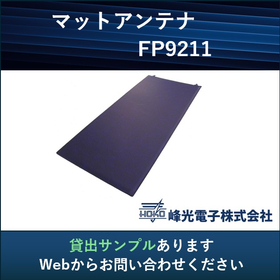
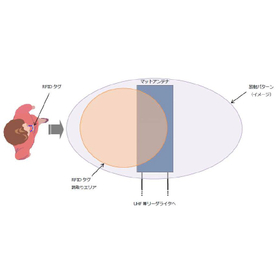
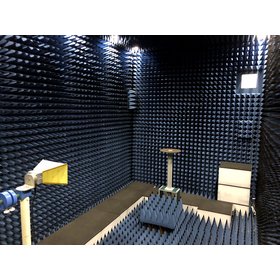
Slim and lightweight, easy to install! Streamlining material management at construction sites.
- antenna
- Entrance and exit control system
- Personal authentication
A clear explanation of how to obtain a technical standards conformity certification!
To sell and use products that utilize wireless technology in Japan, it is necessary to obtain a national certification called "Technical Standards Conformity Certification (Giteki)." So, "how do you obtain Giteki?" 【Step 1】 What products require Giteki? Devices that communicate using wireless technology that emits radio waves are subject to this requirement, such as smartphones, Wi-Fi routers, Bluetooth earphones, wireless mice, wireless transceivers, IoT devices, etc. 【Step 2】 Where can you get the assessment done? The assessment for Giteki is conducted by a third-party organization recognized by the government, called a "Registered Certification Body." Examples include the Telecommunications Engineering Center (TELEC) and the Japan Maritime Bureau (JCI). 【Step 3】 What do you need to submit? For the assessment, you need to submit documents and samples such as the following, to check for "signal strength," "frequency accuracy," and "radio interference": Product technical specifications (such as frequency and output), circuit diagrams or design drawings, and the actual product (or prototype). 【Step 4】 If you pass the test, you will receive the "Giteki mark"! 【Step 5】 After that, you can freely sell and use the product!
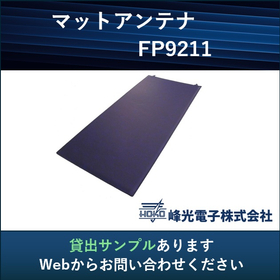
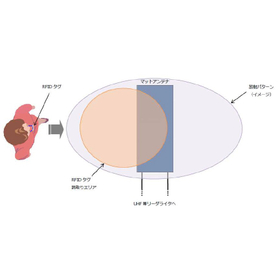
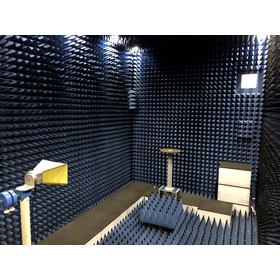
Streamline equipment and material passage management with a slim mat! RFID antenna that can be installed anywhere.
- antenna
- Entrance and exit control system
- Personal authentication
A clear explanation of how to obtain a technical standards conformity certification!
To sell and use products that utilize wireless technology in Japan, it is necessary to obtain a national certification called "Technical Standards Conformity Certification (Giteki)." So, "how do you obtain Giteki?" 【Step 1】 What products require Giteki? Devices that communicate using wireless technology that emits radio waves are subject to this requirement, such as smartphones, Wi-Fi routers, Bluetooth earphones, wireless mice, wireless transceivers, IoT devices, etc. 【Step 2】 Where can you get the assessment done? The assessment for Giteki is conducted by a third-party organization recognized by the government, called a "Registered Certification Body." Examples include the Telecommunications Engineering Center (TELEC) and the Japan Maritime Bureau (JCI). 【Step 3】 What do you need to submit? For the assessment, you need to submit documents and samples such as the following, to check for "signal strength," "frequency accuracy," and "radio interference": Product technical specifications (such as frequency and output), circuit diagrams or design drawings, and the actual product (or prototype). 【Step 4】 If you pass the test, you will receive the "Giteki mark"! 【Step 5】 After that, you can freely sell and use the product!


A specialized manufacturer of film capacitors that can be chosen for various applications such as electronic devices, lighting equipment, and communication devices!
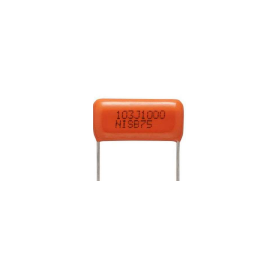
- Capacitor
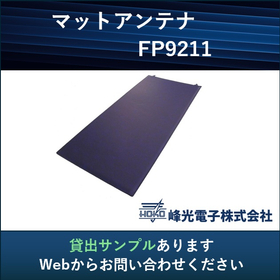
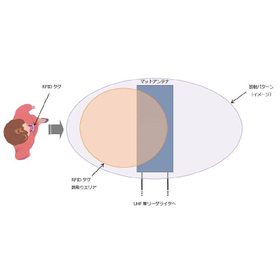
Slim, lightweight, and easy to install! Smart process tracking.
- antenna
- Entrance and exit control system
- Personal authentication
A clear explanation of how to obtain a technical standards conformity certification!
To sell and use products that utilize wireless technology in Japan, it is necessary to obtain a national certification called "Technical Standards Conformity Certification (Giteki)." So, "how do you obtain Giteki?" 【Step 1】 What products require Giteki? Devices that communicate using wireless technology that emits radio waves are subject to this requirement, such as smartphones, Wi-Fi routers, Bluetooth earphones, wireless mice, wireless transceivers, IoT devices, etc. 【Step 2】 Where can you get the assessment done? The assessment for Giteki is conducted by a third-party organization recognized by the government, called a "Registered Certification Body." Examples include the Telecommunications Engineering Center (TELEC) and the Japan Maritime Bureau (JCI). 【Step 3】 What do you need to submit? For the assessment, you need to submit documents and samples such as the following, to check for "signal strength," "frequency accuracy," and "radio interference": Product technical specifications (such as frequency and output), circuit diagrams or design drawings, and the actual product (or prototype). 【Step 4】 If you pass the test, you will receive the "Giteki mark"! 【Step 5】 After that, you can freely sell and use the product!
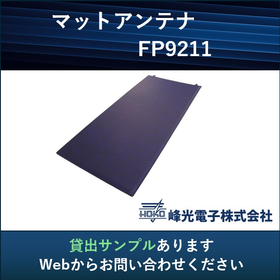
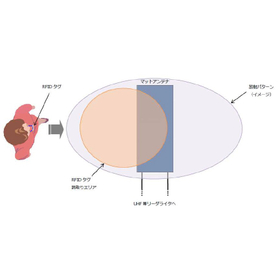
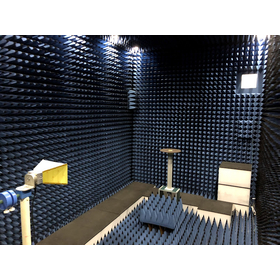
Streamline exhibit management with a thin mat! Can be installed under carpets.
- antenna
- Entrance and exit control system
- Personal authentication
A clear explanation of how to obtain a technical standards conformity certification!
To sell and use products that utilize wireless technology in Japan, it is necessary to obtain a national certification called "Technical Standards Conformity Certification (Giteki)." So, "how do you obtain Giteki?" 【Step 1】 What products require Giteki? Devices that communicate using wireless technology that emits radio waves are subject to this requirement, such as smartphones, Wi-Fi routers, Bluetooth earphones, wireless mice, wireless transceivers, IoT devices, etc. 【Step 2】 Where can you get the assessment done? The assessment for Giteki is conducted by a third-party organization recognized by the government, called a "Registered Certification Body." Examples include the Telecommunications Engineering Center (TELEC) and the Japan Maritime Bureau (JCI). 【Step 3】 What do you need to submit? For the assessment, you need to submit documents and samples such as the following, to check for "signal strength," "frequency accuracy," and "radio interference": Product technical specifications (such as frequency and output), circuit diagrams or design drawings, and the actual product (or prototype). 【Step 4】 If you pass the test, you will receive the "Giteki mark"! 【Step 5】 After that, you can freely sell and use the product!
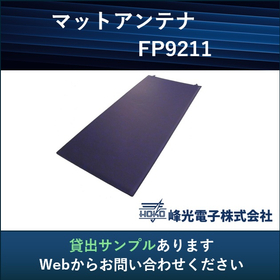
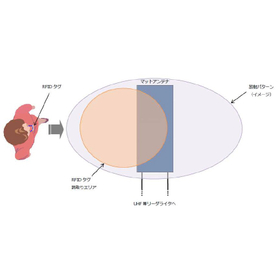
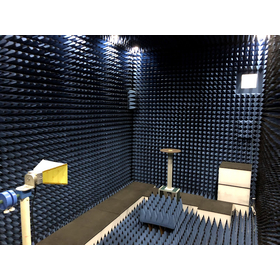
Ensure accurate recording of important asset passage with a slim mat! Highly flexible installation RFID antenna.
- antenna
- Entrance and exit control system
- Personal authentication
A clear explanation of how to obtain a technical standards conformity certification!
To sell and use products that utilize wireless technology in Japan, it is necessary to obtain a national certification called "Technical Standards Conformity Certification (Giteki)." So, "how do you obtain Giteki?" 【Step 1】 What products require Giteki? Devices that communicate using wireless technology that emits radio waves are subject to this requirement, such as smartphones, Wi-Fi routers, Bluetooth earphones, wireless mice, wireless transceivers, IoT devices, etc. 【Step 2】 Where can you get the assessment done? The assessment for Giteki is conducted by a third-party organization recognized by the government, called a "Registered Certification Body." Examples include the Telecommunications Engineering Center (TELEC) and the Japan Maritime Bureau (JCI). 【Step 3】 What do you need to submit? For the assessment, you need to submit documents and samples such as the following, to check for "signal strength," "frequency accuracy," and "radio interference": Product technical specifications (such as frequency and output), circuit diagrams or design drawings, and the actual product (or prototype). 【Step 4】 If you pass the test, you will receive the "Giteki mark"! 【Step 5】 After that, you can freely sell and use the product!
![[Medical Use] UHF Band RFID Mat Ant...](https://image.mono.ipros.com/public/product/image/2057660/IPROS12729632903460045977.jpg?w=280&h=280)
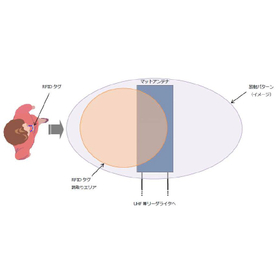
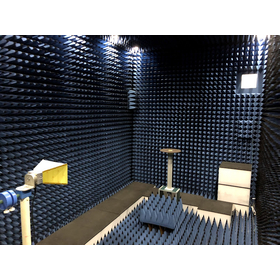
A thin, lightweight, and easy-to-install mat antenna for medical device management.
- antenna
- Entrance and exit control system
- Personal authentication
A clear explanation of how to obtain a technical standards conformity certification!
To sell and use products that utilize wireless technology in Japan, it is necessary to obtain a national certification called "Technical Standards Conformity Certification (Giteki)." So, "how do you obtain Giteki?" 【Step 1】 What products require Giteki? Devices that communicate using wireless technology that emits radio waves are subject to this requirement, such as smartphones, Wi-Fi routers, Bluetooth earphones, wireless mice, wireless transceivers, IoT devices, etc. 【Step 2】 Where can you get the assessment done? The assessment for Giteki is conducted by a third-party organization recognized by the government, called a "Registered Certification Body." Examples include the Telecommunications Engineering Center (TELEC) and the Japan Maritime Bureau (JCI). 【Step 3】 What do you need to submit? For the assessment, you need to submit documents and samples such as the following, to check for "signal strength," "frequency accuracy," and "radio interference": Product technical specifications (such as frequency and output), circuit diagrams or design drawings, and the actual product (or prototype). 【Step 4】 If you pass the test, you will receive the "Giteki mark"! 【Step 5】 After that, you can freely sell and use the product!