
List of others products
- classification:others
6346~6390 item / All 68022 items


Reduce the workload from handling heavy objects! Here are five case studies that solved customer challenges! We are also accepting free consultations and tests tailored to your work!

- Other conveying machines
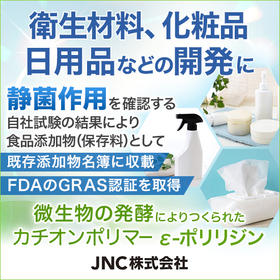

Amino acid-derived natural cationic polymer that can be used in food preservatives, hygiene materials, and daily necessities. It is a safe material as it is a fermentation product produced by natural ...


- Shelf life enhancer

Introduction of the preservative polylysine / fermented polyamino acids that contribute to food poisoning prevention.
We provide easy-to-understand materials explaining the natural preservative polylysine, which prevents food poisoning. ε-Polylysine (hereafter referred to as polylysine) is an amino acid-derived preservative widely used as a food preservative. By adding polylysine, the growth of microorganisms that cause food poisoning can be prevented. Every year, food poisoning caused by microorganisms is a significant issue and is frequently reported in the news. Even foods that do not appear to be spoiled can rapidly proliferate microorganisms if the growth environment is suitable, so caution is necessary. Even if something looks clean, contamination by bacteria can progress, posing a risk of food poisoning. By ensuring hygiene management during the manufacturing process, proper storage at appropriate temperatures, and the appropriate use of the preservative polylysine, food safety can be more effectively protected. 【Features】 ■ A safe material produced through fermentation by natural microorganisms (not genetically modified organisms) ■ Provides a good image as a natural fermented product ■ Listed in the existing additive registry as a food preservative ■ A safe domestic product *Please feel free to contact us.

Explanation of measures to prevent paint peeling due to the unique oxidation and discoloration reactions of brass.
- others
Explaining paint peeling due to surface reactions of molten zinc coating and countermeasures.
- others
Explanation of the causes and countermeasures for paint peeling due to thermal expansion differences between dissimilar metals.
- others
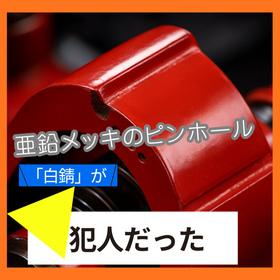
White rust from zinc plating is the cause of pinholes. Management of storage conditions and surface treatment is essential.
- others
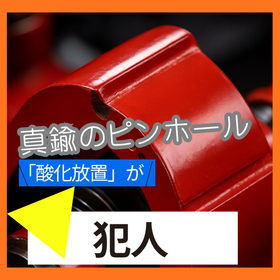
The brass pinholes are caused by oxidation reactions. The adhesion of the paint immediately after polishing is crucial.
- others

The cause of pinholes in SUS coating is excessive film thickness. Solvent cannot escape, leading to the formation of holes.
- others

The pinholes in die casting are caused by internal gas expansion. A dry burning treatment is effective.
- others

Copper materials oxidize quickly, so they should not be left unattended. Immediate painting after polishing maintains adhesion.
- others

Dop plating has a low volatility of the paint solvent. Sweep blasting is effective.
- others
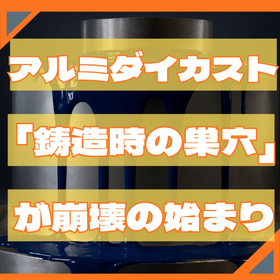
The poor adhesion of aluminum die-cast coating is caused by gas holes. Have you implemented fundamental countermeasures?
- others
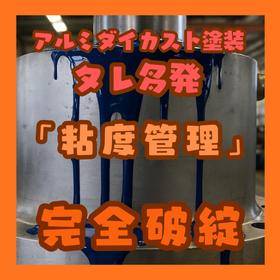
The cause of the aluminum die-cast coating defects is viscosity management. Have you conducted a review?
- others
The color unevenness in aluminum die-cast painting is caused by inconsistent film thickness. Have you checked the spray pressure?
- others

Environmental pollution from aluminum die-casting factories leads to foreign matter contamination. Is environmental improvement urgent?
- others

The white rust on aluminum die casting is caused by the deterioration of the chemical treatment solution. Have you replaced the treatment solution?
- others

The main cause of poor curing in aluminum die-cast coating is insufficient baking. Have you checked the baking conditions?
- others

Chipping of aluminum die-cast coating is primarily caused by insufficient film thickness. Have you improved the coating design?
- others
Have you not waited after defatting? That "waiting time" may be causing the paint to peel.
- others
The peeling of paint and poor adhesion are relentless. The cause may not be the paint itself, but rather a decrease in the adhesion area due to insufficient surface roughness.
- others
Are you noticing an increase in pinholes and film thickness variation after blast treatment? The excessive management of surface roughness may actually be the cause.
- others
The peeling paint and pinholes are not decreasing. The cause may not be due to degreasing, but rather residual chemicals from insufficient cleaning or recontamination.
- others
Has rust reappeared after a while since painting? The cause may not be the paint film, but rather corrosion of the substrate due to insufficient rust prevention treatment.
- others
The truth about surface roughness that causes painting defects.
- others

Improvement of quality through optimization of the drying process.
- others

If there is a painting process after zinc plating, it will be handled together.
- others

Pre-treatment for painting aluminum (aluminum die casting) and zinc die casting, which are difficult for paint to adhere to.
- others

By utilizing the brightness of mirror finishes such as plating, it is possible to express a wide variety of colors through color clear coating.
- others

Is the current painting subcontractor okay? A candid talk about the company we switched to.
- others

Completely prevent painting defects and drips by managing viscosity, distance, and angle.
- others
Understanding the mechanism of occurrence can prevent recurrence.
- others

The balance between application and drying affects the finish.
- others

Slight deviations in drying conditions affect quality.
- others
Drying conditions and paint management affect quality.
- others
Adhesion and coating design determine durability.
- others

Coating conditions and environmental management are important.
- others

Explanation of the causes and countermeasures for paint peeling due to white rust and surface deterioration of galvanized steel.
- others
Explanation of the causes of paint peeling due to red rust and substrate corrosion of iron materials, and methods for improvement.
- others
Explanation of measures against poor adhesion and peeling due to the unique passive film of stainless steel.
- others
Explanation of the causes of paint peeling and blistering defects due to internal gas in die casting.
- others
Explanation of poor paint adhesion due to oxidation reactions of copper materials and countermeasures.
- others
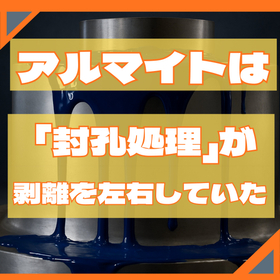
Explanation of poor paint adhesion due to sealing conditions after anodizing treatment.
- others
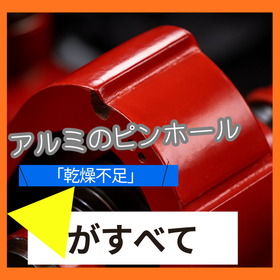
The pinholes in aluminum coating are caused by insufficient drying. It is important to treat the surface to allow internal moisture to escape.
- others
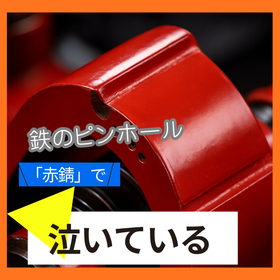
The pinholes in the steel material are caused by fine red rust. Rapid painting after blasting is important.
- others

The occurrence of pinholes in anodized aluminum is related to sealing conditions. Adjusting to the painting specifications is important.
- others