We have compiled a list of manufacturers, distributors, product information, reference prices, and rankings for coating.
ipros is IPROS GMS IPROS One of the largest technical database sites in Japan that collects information on.

coating Product List and Ranking from 569 Manufacturers, Suppliers and Companies | IPROS GMS

Last Updated: Aggregation Period:Aug 05, 2026~Sep 01, 2026
This ranking is based on the number of page views on our site.

coating Manufacturer, Suppliers and Company Rankings

Last Updated: Aggregation Period:Aug 05, 2026~Sep 01, 2026
This ranking is based on the number of page views on our site.

  1. 吉田SKT Aichi//Manufacturing and processing contract
  2. フロロテクノロジー Aichi//Chemical
  3. NIPPON FUSSO CO.,LTD. Osaka//Electronic Components and Semiconductors
  4. 4 SANYO-CYP Osaka//Printing Industry
  5. 5 大阪ガスケミカル株式会社 奈良表面加工センター Nara//Other manufacturing
coating Product ranking

Last Updated: Aggregation Period:Aug 05, 2026~Sep 01, 2026
This ranking is based on the number of page views on our site.

  1. Film Thickness Management Device (Transparent Ink Dedicated Reflectance Densitometer) 'MKS-1000' SANYO-CYP
  2. We supply OEM fluorine water and oil repellent agents, release agents, and coating agents. フロロテクノロジー
  3. Super non-stick coating 'S-8010' with reduced roughness. 大阪ガスケミカル株式会社 奈良表面加工センター
  4. 4 Fluororesin coating and lining for quartz. NIPPON FUSSO CO.,LTD.
  5. 5 Release agent rubber molding case: Successful continuous molding that is difficult with conventional release agents. フロロテクノロジー

coating Product List

2551~2580 item / All 2953 items

Displayed results

PFAS-free wear-resistant resin coating

PFAS-free wear-resistant resin coating! All types are processed at room temperature and can be applied to metals, as well as chemical wood and plastics.

"Urethane coating" is a resin coating that does not use PFAS. It excels in abrasion resistance and soundproofing, and is a room temperature curing type that can be processed onto any material, excluding liquids and gases. The usable temperature range is -30°C to 100°C, and depending on the grade, there are types that can be used for surface treatment of various transport equipment, as well as types that enhance slip performance and include static electricity countermeasures. Additionally, if you require a specific color, we are open to consultations. 【Features】 ■ Excellent abrasion resistance and soundproofing ■ Can be processed in various locations ■ Protects materials and equipment with coating ■ Cures at room temperature, making it suitable for various materials *For more details, please refer to the PDF document or feel free to contact us.

  • image_04.png
  • s-カタログ用(8)_edited.jpg
  • Coating Agent
  • coating

Added to bookmarks

Bookmarks list

Bookmark has been removed

Bookmarks list

You can't add any more bookmarks

By registering as a member, you can increase the number of bookmarks you can save and organize them with labels.

Free membership registration

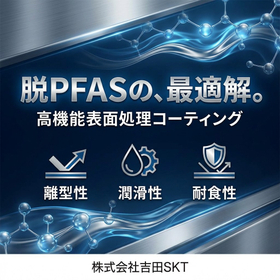
A PFAS-free coating that breaks the barrier of "fluoropolymer is difficult to replace."

We will introduce coatings that do not use PFAS, which are subject to the European PFAS regulation proposal.

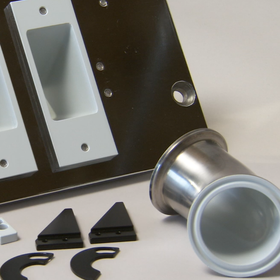
"The excellent functionality of fluoropolymer cannot be completely replaced" - that's true. However, depending on the application and required performance, effective alternative coatings do exist. ■ Non-stick Coating "MRS Coating" Model Number: MRS-102, etc. Silicone-based coating that excels in releasing high-adhesion materials. ■ Convex Surface Forming Coating "CAS" Model Number: CAS-CX102, etc. A combination of ceramic convex surfaces and silicone that achieves smooth release properties. ■ High Hardness Coating "Bicoat" Model Number: NYK-52, etc. A composite of inorganic and organic materials that meets the precision required for molds at the micron level. ■ Lubricating Coating "FFLC Series" All model numbers are PFAS-free designs, with durability exceeding that of fluoropolymer under heating conditions. ■ Corrosion-resistant Coating "Cerashield" Model Number: CST-1508, etc. A composite of organic and inorganic materials that protects equipment, tanks, and piping in harsh environments. ■ High Hardness Coating "PEEK Coating" Model Number: YEK-0001, etc. Made from super engineering plastics, it has heat resistance comparable to fluoropolymer. *For coatings considering PFAS regulation proposals, please contact our company.

  • Other surface treatment equipment
  • coating

Added to bookmarks

Bookmarks list

Bookmark has been removed

Bookmarks list

You can't add any more bookmarks

By registering as a member, you can increase the number of bookmarks you can save and organize them with labels.

Free membership registration

Zero adhesion of contaminants. PFAS-free coating that reduces production loss.

Does not stick, does not stain, does not stop. Achieving a clean surface that enhances productivity.

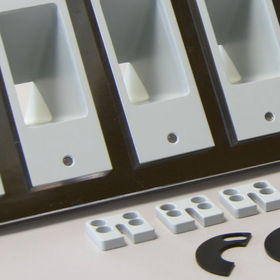
In processes that handle adhesive materials such as tape, adhesives, resins, and food, adhesion to equipment can lead to decreased productivity. The representative function of fluororesins, non-stick properties, can be achieved even without PFAS. Coatings like "MRS Coating," which excels in releasing high-adhesion materials like duct tape, and "CAS," which reduces contact area through rounded convex surface formation, provide optimal solutions tailored to the counterpart materials and usage conditions, resolving adhesion issues with equipment and significantly reducing maintenance frequency. 【PFAS-Free Coating Lineup】 ■ Non-stick Coating "MRS Coating" Model Number: MRS-102, etc. ■ Convex Surface Formation Coating "CAS" Model Number: CAS-CX102, etc. ■ High Hardness Coating "Bi-Coat" Model Number: NYK-52, etc. ■ Lubricating Coating "FFLC Series" All model numbers ■ Corrosion-Resistant Coating "Cerashield" Model Number: CST-1508, etc. ■ High Hardness Coating "PEEK Coating" Model Number: YEK-0001, etc. *For coatings considering PFAS regulation proposals, please contact our company.

  • Other surface treatment equipment

  • coating

Added to bookmarks

Bookmarks list

Bookmark has been removed

Bookmarks list

You can't add any more bookmarks

By registering as a member, you can increase the number of bookmarks you can save and organize them with labels.
Free membership registration

Efficiency in automobile parts manufacturing and environmental responsiveness. PFAS-free coating.

From molding to assembly. Surface treatment that supports the sustainability of the automotive industry.

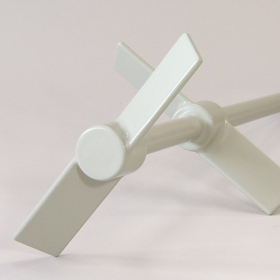
In the automotive parts manufacturing industry, there are diverse coating needs such as improving the release properties of resin molding molds, enhancing the efficiency of transportation processes, and providing rust and corrosion resistance. At the same time, environmental considerations across the entire supply chain are required. Yoshida SKT offers optimal PFAS coatings for each process, including "Bi-Coat" and "MRS Coating" for molding processes, "FFLC Series" for transportation processes, and "Cerashield" for corrosion resistance. We balance productivity improvements and sustainability in the automotive industry. 【PFAS-Free Coating Lineup】 ■ Non-stick coating "MRS Coating" Product number: MRS-102, etc. ■ Convex surface forming coating "CAS" Product number: CAS-CX102, etc. ■ High hardness coating "Bi-Coat" Product number: NYK-52, etc. ■ Lubricating coating "FFLC Series" All product numbers ■ Corrosion-resistant coating "Cerashield" Product number: CST-1508, etc. ■ High hardness coating "PEEK Coating" Product number: YEK-0001, etc. *For coatings considering PFAS regulations, please contact us.
  • Other surface treatment equipment
  • coating

Added to bookmarks

Bookmarks list

Bookmark has been removed

Bookmarks list

You can't add any more bookmarks

By registering as a member, you can increase the number of bookmarks you can save and organize them with labels.

Free membership registration

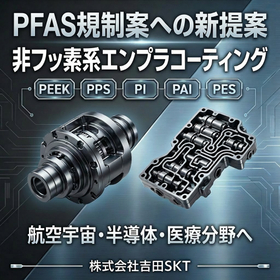
PES coating, PFAS regulation compliance, fluoropolymer alternative coating

Proactive response to environmental regulations! High-performance non-fluorinated coatings as alternatives to fluoropolymer.

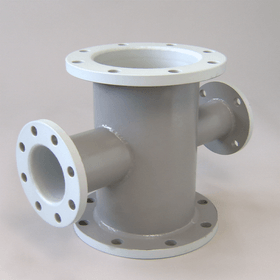
PES (Polyether Sulfone) is one of the super engineering plastics and is utilized for the following properties and applications. ■ Main Properties - High strength - Heat resistance - Chemical resistance, etc. ■ Main Applications - Medical devices - Automotive parts - Office automation equipment, etc. At Yoshida SKT, we offer PES coating as an engineering plastic coating. *For more details, please download the materials or feel free to contact us.

  • Surface treatment contract service
  • coating

Added to bookmarks

Bookmarks list

Bookmark has been removed

Bookmarks list

You can't add any more bookmarks

By registering as a member, you can increase the number of bookmarks you can save and organize them with labels.

Free membership registration

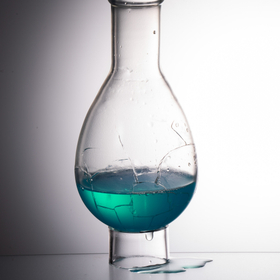
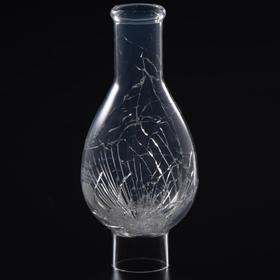
Non-scratch coat for the chemical industry

Prevent glass shattering and achieve a safe working environment.

In the chemical industry, there is always a risk of accidents due to the breakage of glassware during experiments and manufacturing processes. Particularly when handling hazardous chemicals or expensive reagents, glass shattering can lead to serious accidents or loss of materials. Ensuring a safe working environment is a critical issue that affects not only employee safety but also the reliability of the company. Non-splash coatings effectively prevent glass shattering and ensure safety even in the event of breakage. 【Usage Scenarios】 - Experiments in laboratories - Manufacturing processes of chemical products - Analytical work in quality control 【Benefits of Implementation】 - Reduction of accident risks due to glass shattering - Prevention of secondary damage from the spillage of hazardous chemicals - Prevention of loss of expensive reagents - Ensuring the safety of workers For more details, please download the catalog or contact us.

  • イメージ_9_edited.jpg
  • 07_EFEP 300_b_edited.jpg
  • Other physicochemical equipment
  • coating

Added to bookmarks

Bookmarks list

Bookmark has been removed

Bookmarks list

You can't add any more bookmarks

By registering as a member, you can increase the number of bookmarks you can save and organize them with labels.

Free membership registration

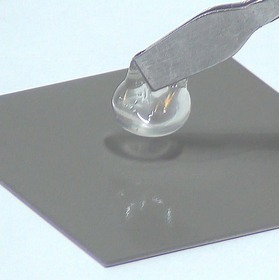
PFAS-free release agent 'MRS Coating' for logistics and packaging

Powerful adhesive tape can also be removed! Contributes to the efficiency of packaging work.

In the logistics and packaging industry, the application and removal of adhesive tape on packaging materials are frequently performed. In this process, adhesive residue from the tape can reduce work efficiency and compromise product quality. Additionally, the difficulty in applying and removing labels also increases the burden of the work. MRS coating addresses these challenges, contributing to the efficiency of packaging operations and product protection. 【Usage Scenarios】 - Packaging of cardboard boxes - Fixing with adhesive tape - Label application 【Benefits of Implementation】 - Improved efficiency in tape removal tasks - Prevention of adhesive residue - Enhanced usability in label application *Features may vary depending on the type of product. For more details, please download the PDF or contact us.

  • ホットメルト_edited.jpg
  • s-CIMG3371_edited_edited.jpg
  • Surface treatment contract service
  • coating

Added to bookmarks

Bookmarks list

Bookmark has been removed

Bookmarks list

You can't add any more bookmarks

By registering as a member, you can increase the number of bookmarks you can save and organize them with labels.

Free membership registration

【包装業界向け】滑り性向上コーティング

包装ラインの高速化を、滑り性と耐久性でサポート。

包装業界では、生産性の向上、つまり包装ラインの高速化が常に求められています。 高速化のためには、包装材の搬送や成形における摩擦を低減し、スムーズな動きを実現することが重要です。 摩擦が大きいと、包装材の詰まりや破損が発生し、生産効率を低下させる可能性があります。 弊社の滑り性に優れたコーティングは、包装材の滑りを良くし、高速搬送を可能にします。 【活用シーン】 ・包装機械の摺動部 ・包装材の搬送ライン ・コンベア・ガイド部品 【導入の効果】 ・包装ラインの高速化 ・包装材の破損防止 ・生産性の向上 ※詳しくはPDF資料をご覧いただくか、お気軽にお問い合わせ下さい。

  • Processing Contract
  • coating

Added to bookmarks

Bookmarks list

Bookmark has been removed

Bookmarks list

You can't add any more bookmarks

By registering as a member, you can increase the number of bookmarks you can save and organize them with labels.

Free membership registration

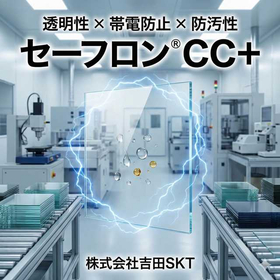
Transparent static-free fluororesin coating "Safron CC+"

With low-temperature processing at 60 to 80°C, a transparent anti-static coating is applied to plastics. Dirt resistance is also significantly improved.

The "Safron CC+" CCC1-F200 is a transparent, static-resistant fluororesin coating that enables low-temperature processing at 60 to 80 degrees Celsius. It is compatible with general-purpose transparent resins (such as PC and acrylic) that may have concerns about heat resistance, significantly broadening the range of applicable substrates. - Transmittance: 86% (550nm) - Antistatic performance with surface resistivity of 10^5 to 10^8 Ω/sq - Dirt resistance (anti-magic contamination rating: ◎◎) - Achieves water and oil repellency (contact angle: 105 to 115 degrees) - Pencil hardness: 9H or higher This multifunctional coating can be applied to both glass and general-purpose transparent resins. For more details, please click the URL to check.

  • Surface treatment contract service
  • coating

Added to bookmarks

Bookmarks list

Bookmark has been removed

Bookmarks list

You can't add any more bookmarks

By registering as a member, you can increase the number of bookmarks you can save and organize them with labels.

Free membership registration

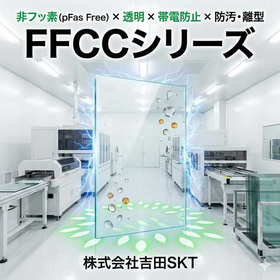
PFAS-free transparent antistatic coating "FFCC Series"

PFAS-free, achieving static prevention, dirt resistance, and release properties all at once. A non-fluorinated coating that realizes multifunctionality of transparent substrates.

The FFCC series FFCC1-S014 is a transparent antistatic coating that is PFAS-free (non-fluorinated) and can simultaneously provide three functions: antistatic performance, dirt resistance, and release properties. - High transparency with a transmittance of 90% (550nm) - Antistatic performance with a surface resistivity of 10^5 to 10^7 Ω/sq - Dirt resistance (excellent rating for resistance to marker contamination) - Release properties (pass in melt PP sheet release test) - Processing temperature of 160 to 220 degrees Celsius - Suitable for processing on glass. *The values are measured values and not guaranteed values. For more details, please click the URL to check.

  • Surface treatment contract service
  • coating

Added to bookmarks

Bookmarks list

Bookmark has been removed

Bookmarks list

You can't add any more bookmarks

By registering as a member, you can increase the number of bookmarks you can save and organize them with labels.

Free membership registration

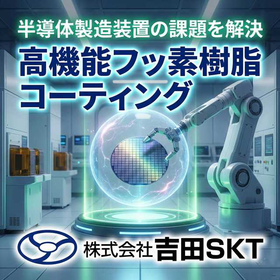
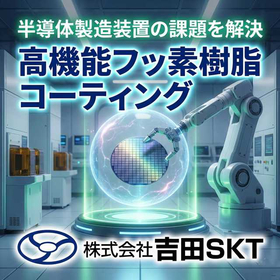
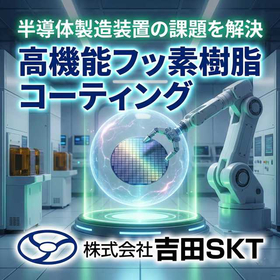
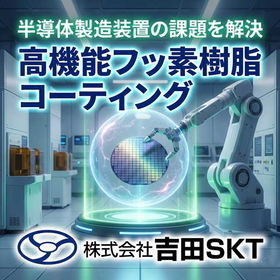
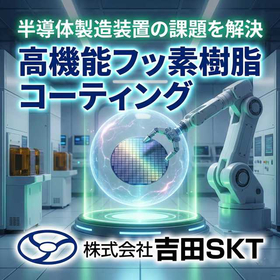
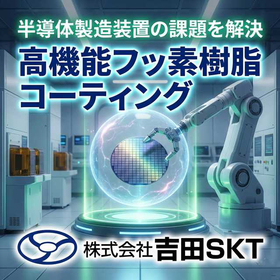
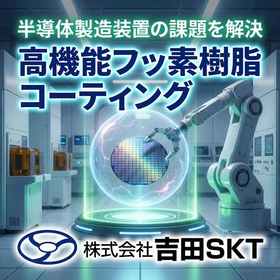
Fluororesin coating for semiconductor devices (chemical resistance and corrosion prevention)

Resistant to strong acids, strong alkalis, and organic solvents. A chemical-resistant coating compatible with all processes in semiconductor manufacturing.

This is a fluororesin coating that protects equipment parts from corrosive chemicals such as acids, alkalis, and organic solvents used in semiconductor manufacturing processes. We offer a wide range of grades tailored to applications, including PTFE, PFA, and FEP, allowing for the selection of the optimal treatment based on the type of chemical, temperature, and substrate. Yoshida SKT is one of the few authorized processors of Teflon(TM) coatings, with over 2,000 achievements and hundreds of surface treatment technologies. Please provide details about the type of chemical, concentration, and usage environment. We will suggest the optimal grade for you. You can check detailed specifications, case studies, and selection guides in our materials. Please download the materials and make use of them.

  • Other semiconductor manufacturing equipment
  • coating

Added to bookmarks

Bookmarks list

Bookmark has been removed

Bookmarks list

You can't add any more bookmarks

By registering as a member, you can increase the number of bookmarks you can save and organize them with labels.

Free membership registration

Fluororesin coating for semiconductor devices (purity and metal contamination prevention)

Control metal ion contamination at the ppb level. Protect high-purity processes with fluororesin.

In semiconductor manufacturing, contamination by metal ions at the ppb level directly reduces yield. Fluororesin coatings cover metal surfaces with a stable chemically inert film, greatly suppressing the leaching of metal ions. This contributes to the stability of high-purity process quality and improved yield rates. Yoshida SKT is a specialist with over 2,000 achievements and hundreds of surface treatment technologies as one of the few authorized processors of Teflon(TM) coatings. Please let us know the chemicals you will use and the desired purity level. We will suggest the optimal grade. You can check detailed specifications, case studies, and selection guides in our materials. Please download the materials and make use of them.

  • Other semiconductor manufacturing equipment
  • coating

Added to bookmarks

Bookmarks list

Bookmark has been removed

Bookmarks list

You can't add any more bookmarks

By registering as a member, you can increase the number of bookmarks you can save and organize them with labels.

Free membership registration

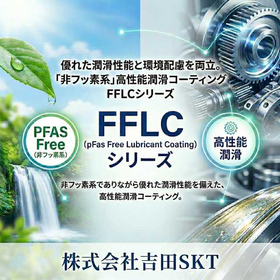
PFAS-free lubricating coating "FFLC Series"

High lubrication and low friction without fluorine. Next-generation coating compliant with PFAS regulations.

Due to the strengthening of PFAS regulations, there is an increasing demand for alternatives to fluoropolymer coatings. The "FFLC Series," developed exclusively by Yoshida SKT, is PFAS-free (non-fluorinated) and demonstrates excellent lubrication performance, achieving low friction and wear resistance for sliding and conveying components. It is ideal for semiconductor manufacturing equipment manufacturers who want to balance environmental compliance with performance maintenance. Yoshida SKT is one of the few authorized processors of Teflon(TM) coatings, with a track record of over 2,000 companies and hundreds of surface treatment technologies. We also welcome inquiries about switching from currently used fluorinated coatings. Detailed specifications, case studies, and selection guides can be found in our materials. Please download the materials and make use of them.

  • others
  • coating

Added to bookmarks

Bookmarks list

Bookmark has been removed

Bookmarks list

You can't add any more bookmarks

By registering as a member, you can increase the number of bookmarks you can save and organize them with labels.

Free membership registration

Coating for Cleaning Processes in Semiconductor Manufacturing Equipment

Corrosion prevention, prevention of metal ion leaching, and prevention of wafer scratches. Summarizing and solving the challenges of cleaning equipment.

In the cleaning process of semiconductor manufacturing, the use of various chemical solutions poses serious challenges such as corrosion of equipment parts and the leaching of metal ions. By applying fluororesin coating to moving parts, chemical resistance is provided, preventing corrosion. The application in cleaning tanks helps suppress the leaching of metal ions, maintaining a high-purity cleaning process. Furthermore, the application to the wafer stage can also address the prevention of wafer scratches. Yoshida SKT, as a pioneer in Teflon(TM) coating, has extensive experience in the semiconductor field and excels in customizing solutions according to customer equipment specifications and chemical conditions. For detailed technical information and case studies, please download the materials for review.

  • Other semiconductor manufacturing equipment
  • coating

Added to bookmarks

Bookmarks list

Bookmark has been removed

Bookmarks list

You can't add any more bookmarks

By registering as a member, you can increase the number of bookmarks you can save and organize them with labels.

Free membership registration

Coating for inspection processes of semiconductor manufacturing equipment

Prevent damage, adhesion, and metal powder generation on wafers, and maintain a clean environment in the inspection process.

In the semiconductor manufacturing inspection process, issues such as wafer scratching, adhesion to the chuck stage, and the generation of metal powder from sliding components arise. Fluororesin coating, when applied to the chuck stage, serves as a physical protective film for the wafer, preventing scratches, and its non-stick properties prevent adhesion of the wafer, contributing to an efficient inspection process. Additionally, applying it to sliding components reduces the generation of metal powder, maintaining a clean inspection environment. Yoshida SKT is a customization specialist that offers optimal proposals from hundreds of surface treatment technologies. For more details, please download the materials or contact us.

  • Other semiconductor manufacturing equipment
  • coating

Added to bookmarks

Bookmarks list

Bookmark has been removed

Bookmarks list

You can't add any more bookmarks

By registering as a member, you can increase the number of bookmarks you can save and organize them with labels.

Free membership registration

Non-stick coating for semiconductor manufacturing equipment

Easily removes contaminants with low surface energy. A coating that significantly improves maintainability.

In semiconductor manufacturing processes, the adhesion of materials and deposits can lead to increased maintenance burdens on equipment and a decline in product quality. Fluororesin coatings, with their low surface energy, allow for easy removal of adhered dirt and substances, significantly contributing to the simplification of maintenance. They also excel in water repellency, improving liquid drainage and cleaning efficiency. Yoshida SKT is a leading company in fluororesin processing with a track record of over 2,000 companies. We offer optimal grades tailored to the adhered objects and environmental conditions from hundreds of surface treatment technologies. For more details, please download the materials or contact us.

  • Other semiconductor manufacturing equipment
  • coating

Added to bookmarks

Bookmarks list

Bookmark has been removed

Bookmarks list

You can't add any more bookmarks

By registering as a member, you can increase the number of bookmarks you can save and organize them with labels.

Free membership registration

Electrostatic discharge prevention coating for semiconductor manufacturing equipment

Combining excellent electrical insulation and static prevention functions. A coating that prevents static electricity troubles in semiconductor manufacturing.

In semiconductor manufacturing processes, the generation of static electricity can adversely affect wafers and electronic components. Fluororesin coatings have excellent electrical insulation properties and contribute to maintaining the performance and longevity of electronic components and equipment. On the other hand, conductive materials can impart antistatic properties, suppressing the generation of static electricity and maintaining a high-precision manufacturing environment. Yoshida SKT, as a pioneer in Teflon(TM) coatings, addresses both insulation and antistatic needs. We provide optimal customization proposals tailored to our customers' applications. For detailed technical information, please download the materials and check them.

  • Other semiconductor manufacturing equipment
  • coating

Added to bookmarks

Bookmarks list

Bookmark has been removed

Bookmarks list

You can't add any more bookmarks

By registering as a member, you can increase the number of bookmarks you can save and organize them with labels.

Free membership registration

High-purity coating for semiconductor manufacturing equipment

Suppresses metal ion leaching to an extremely low level. Suitable for semiconductor manufacturing processes that require high purity.

In semiconductor manufacturing, the leaching of metal ions is a significant issue that directly affects product quality. Fluororesin coatings form a very stable film and can suppress the leaching of metal ions to an extremely low level. Because the coating film itself is less likely to undergo chemical reactions, it maintains its performance even after long-term use, providing highly reliable protection. Yoshida SKT, as a pioneer in Teflon(TM) coatings, has extensive experience in the semiconductor manufacturing field, where high purity is required. We can select the optimal grade and provide customization according to our customers' process conditions. For detailed technical information, please download the materials for confirmation.

  • Other semiconductor manufacturing equipment
  • coating

Added to bookmarks

Bookmarks list

Bookmark has been removed

Bookmarks list

You can't add any more bookmarks

By registering as a member, you can increase the number of bookmarks you can save and organize them with labels.

Free membership registration

Fluororesin coating for semiconductor manufacturing equipment

From transportation, cleaning, etching, CMP, plating, to inspection. Coating that supports a wide range of processes in semiconductor manufacturing.

With the expansion of AI demand, the high operation and high precision of semiconductor manufacturing equipment are progressing, making it increasingly important to suppress surface-related troubles such as corrosion, adhesion, wear, and charging. Fluororesin coatings solve a wide range of challenges in processes such as transport, cleaning, etching, photomasks, CMP, plating, and inspection due to their five characteristics: chemical resistance, non-stick properties, slip properties, insulation, and purity. Yoshida SKT, as a pioneer in Teflon(TM) coatings, has a track record of over 2,000 companies and offers customized proposals that are optimal for customers' processes and equipment from hundreds of surface treatment technologies. Please download the materials to check specific application examples for each process.

  • Other semiconductor manufacturing equipment
  • coating

Added to bookmarks

Bookmarks list

Bookmark has been removed

Bookmarks list

You can't add any more bookmarks

By registering as a member, you can increase the number of bookmarks you can save and organize them with labels.

Free membership registration

Why does resin stick to the mold? The mechanism behind adhesion and release failure.

"Even with the use of release agents, the resin sticks to the mold..." This phenomenon is related to surface energy. We will introduce the mechanism of adhesion and the direction of countermeasures.

■Why "Sticking" Occurs When substances come into contact, a force that attracts them at the molecular level is generated due to the action of surface energy (surface tension). If the energy of the mold surface is high, molten resin or rubber is drawn to the mold surface, making it difficult to detach even after cooling and solidification. ■Cases Where Release Agents Alone Do Not Provide a Fundamental Solution Release agents are effective as a temporary measure, but they need to be applied each time a shot is made. Additionally, the components of the release agent can transfer to the product, leading to quality issues. ■Permanent Solutions Through Surface Treatment By applying surface treatment that lowers the energy of the mold surface, it is possible to ensure stable release properties even without a release agent. We have introduced a typical mechanism of release failure, but the causes of sticking vary depending on the type of resin, shape, molding temperature, pressure, and other factors at each site. The information provided is not exhaustive, and it is not uncommon for multiple factors to be intertwined. At Yoshida SKT, we carefully listen to our customers' molding conditions and materials to propose the optimal surface treatment. If you are struggling with release issues, please feel free to consult with us.

  • s-2021-06-22 (3).gif
  • ホットメルト_edited.jpg
  • IMG_9472_edited2.jpg
  • s-ロール.jpg
  • IMG_9363_edited.jpg
  • s-0197UJedit.jpg
  • DSC04626_edited.jpg
  • Processing Contract
  • coating

Added to bookmarks

Bookmarks list

Bookmark has been removed

Bookmarks list

You can't add any more bookmarks

By registering as a member, you can increase the number of bookmarks you can save and organize them with labels.

Free membership registration

Why do powders clog in pipes and hoppers? The mechanisms of adhesion and bridging.

"The powder does not come out of the hopper" and "it gets clogged in the piping." The causes are not just one. This explains the typical mechanisms of clogging and the countermeasures.

■Three Main Mechanisms of Powder Clogging (1) Adhesion to Walls Powder particles adhere to the inner walls of hoppers and pipes, narrowing the flow path and worsening the flow. The causes vary, including adhesion due to static electricity, moisture, and the physical adhesion of sticky powders. (2) Agglomeration of Particles Due to humidity and temperature influences, particles may stick together and form clumps. Agglomerated powders significantly reduce flowability and can block pipes and valves. (3) Bridging This phenomenon occurs when powder forms an arch-like structure (bridge) near the outlet of a hopper, becoming stable under its own weight. The particle size distribution, shape, and friction with the wall all affect this. ■Approach to Solutions To prevent powder clogging, one effective method is to reduce the friction of the wall surfaces that the powder contacts, thereby lowering adhesion forces. Particularly when static electricity is a cause of adhesion, surface treatments with anti-static functions are effective. The causes of powder clogging can vary with even slight differences in the environment. At Yoshida SKT, we propose optimal surface treatments based on the conditions provided by our customers. If you encounter issues with powder transport, please feel free to consult us.

  • 2021-06-02 (11).png
  • 2021-06-02 (18)-1.png
  • 2021-06-02 (18).png
  • Surface treatment contract service
  • coating

Added to bookmarks

Bookmarks list

Bookmark has been removed

Bookmarks list

You can't add any more bookmarks

By registering as a member, you can increase the number of bookmarks you can save and organize them with labels.

Free membership registration

Why is it difficult to find alternatives to fluoropolymer? Alternative technologies in the era of PFAS regulation.

I want to be PFAS-free, but I can't find an alternative that matches the performance of fluoropolymer... I will organize the reasons for this and the current state of alternative technologies.

■Reasons Why It Is Difficult to Find Alternatives to Fluoropolymer Fluoropolymers possess multiple excellent properties in a single material, such as non-stickiness, low friction, chemical resistance, heat resistance, and electrical insulation. Currently, while some of these properties can be met by common alternative materials, achieving all of them simultaneously remains a challenge. For example, silicone-based materials excel in heat resistance and release properties, but may fall short in chemical resistance and wear resistance compared to fluoropolymers. Engineering plastics may have types that excel in heat resistance and wear resistance, but they can still have issues with non-stickiness. ■Considerations When Exploring Alternatives Rather than trying to completely replace all the properties of fluoropolymers with a single material, the first step in selecting alternative technologies is to clarify "what functions are truly necessary for our applications." Is non-stickiness the most important, or is it chemical resistance, or heat resistance? By clearly prioritizing the functions, realistic alternative options become apparent. At Yoshida SKT, we will work together to find alternative solutions that meet your conditions from among hundreds of surface treatment technologies. If you are struggling with finding alternatives to fluoropolymers, please feel free to consult with us.

  • Surface treatment contract service
  • coating

Added to bookmarks

Bookmarks list

Bookmark has been removed

Bookmarks list

You can't add any more bookmarks

By registering as a member, you can increase the number of bookmarks you can save and organize them with labels.

Free membership registration

Why does stainless steel rust? = Corrosion mechanisms and anti-corrosion measures =

The belief that 'stainless steel shouldn't rust' is a misconception. This explains the conditions under which stainless steel can corrode and the measures to counteract it.

■Why Does Stainless Steel Rust? The corrosion resistance of stainless steel is maintained by a very thin oxide film (passivation film) that forms on its surface. When this film is damaged, the metal substrate is exposed and corrosion progresses. The typical causes of damage to the passivation film are as follows: - Pitting corrosion due to chloride ions: In environments containing chlorine, the passivation film can be locally destroyed, leading to localized corrosion. - Galvanic corrosion: When different types of metals come into contact and are exposed to an electrolyte solution, one metal preferentially corrodes due to the potential difference. - Stress corrosion cracking: This phenomenon occurs when tensile stress and a corrosive environment act simultaneously, causing the material to fracture in a brittle manner. While the above describes the typical corrosion mechanisms of stainless steel, the causes of corrosion can vary depending on factors such as the type and concentration of chemicals used, temperature, and stress conditions. At Yoshida SKT, we offer anti-corrosion coatings and linings tailored to our customers' usage environments. If you are troubled by metal corrosion, please feel free to consult us. *For information on anti-corrosion coatings and linings, please download the PDF for details.

  • s-00718Nedit.gif
  • 0055H2_edited.jpg
  • DSC_4981_edited.jpg
  • s-0078ZL_edited.jpg
  • Processing Contract
  • coating

Added to bookmarks

Bookmarks list

Bookmark has been removed

Bookmarks list

You can't add any more bookmarks

By registering as a member, you can increase the number of bookmarks you can save and organize them with labels.

Free membership registration

Why does unnecessary film form on the plating jig?

Unwanted plating film adhesion on the plating jig affects the jig's lifespan and plating quality.

In the plating process, unnecessary plating films adhere to the jigs used to apply plating to the products. ■ Why does plating adhere to the jigs? Since the jigs are also immersed in the plating solution, plating inevitably precipitates on the parts that come into contact with the solution. The accumulated plating film can reduce the dimensional accuracy of the jigs and, if it peels off and adheres to the products, it can cause quality defects. ■ Considerations for countermeasures Fluororesin coatings possess both electrical insulation and chemical resistance, making them suitable as coating materials for plating jigs. The optimal countermeasures vary depending on the type of plating, composition of the plating solution, shape of the jigs, target costs, and other factors. At Yoshida SKT, we have a track record of insulating and non-stick coatings for plating jigs. For details and case studies on the coatings, please download the PDF for confirmation.

  • Processing Contract
  • coating

Added to bookmarks

Bookmarks list

Bookmark has been removed

Bookmarks list

You can't add any more bookmarks

By registering as a member, you can increase the number of bookmarks you can save and organize them with labels.

Free membership registration

Why is the surface of rubber non-slip? = High friction characteristics and methods for reducing friction =

The "slip resistance" of rubber products is an inherent characteristic, but in some applications, slip properties are necessary.

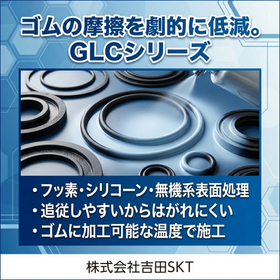
Rubber generally has a high coefficient of friction and is a material that is not easy to slip on. ■ Why is rubber not slippery? Rubber is a material that easily undergoes elastic deformation. When pressed against a surface, it deforms along the contours, increasing the contact area. The larger the contact area, the greater the frictional force. Additionally, the surface of rubber may have tackiness, which increases friction and adhesion. ■ Cases where slip resistance is required In rubber O-rings, gaskets, and sealing components, smooth insertion during assembly and low friction during sliding are required. ■ Please consult us first The optimal measures vary depending on the type of rubber and the usage environment. Yoshida SKT's GLC series is a specialized coating that imparts low friction properties to the rubber surface. For more details, please download the materials and check.

  • Surface treatment contract service
  • coating

Added to bookmarks

Bookmarks list

Bookmark has been removed

Bookmarks list

You can't add any more bookmarks

By registering as a member, you can increase the number of bookmarks you can save and organize them with labels.

Free membership registration

Transport blockage and adhesion countermeasures! Improved sliding property coating.

Products get stuck in the chute, adhere to the transport guide, and powders do not flow | A coating that improves sliding to prevent product jams and keeps the line running.

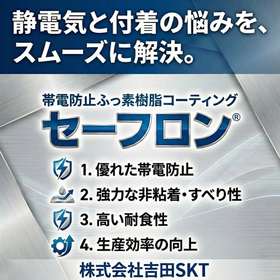
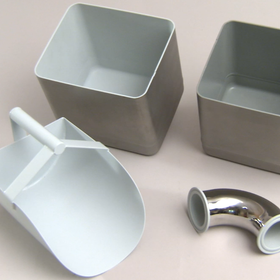
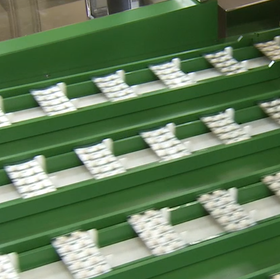
Product jams and sticking in transport shoots and guides are typical challenges that reduce productivity, leading to line stoppages and recovery efforts by operators. Functional surface treatments have become essential technologies in production sites to improve sliding during transport and prevent product jams. We offer a range of options tailored to the transported items and usage conditions, from coatings that utilize the low friction properties of fluororesins to organic-inorganic composite types that enhance durability, and types that reduce contact area with convex structures. [Examples of coatings that improve sliding properties] - Fluororesin coating: Low friction coefficient and excellent lubricity. Water and oil repellent, making it difficult for dirt to adhere. - Bi-Coat: Enhances sliding properties for automatic packaging machine transport guides, transport line shoots, and powder transport sections. Suitable when durability is also a priority. - TP/Super TP series: Excellent sliding properties due to reduced contact area, compatible with sticky transported items. - Safe-Fron: Addresses transport troubles related to adhesion caused by static electricity. [Expected effects] - Suppression of line stoppages due to product jams and sticking. - Reduction of labor hours for cleaning and recovery in transport sections. - Decreased replacement costs due to extended component lifespan. *For more details, please download the materials and check.

  • Processing Contract
  • coating

Added to bookmarks

Bookmarks list

Bookmark has been removed

Bookmarks list

You can't add any more bookmarks

By registering as a member, you can increase the number of bookmarks you can save and organize them with labels.

Free membership registration

Heat-resistant coating that maintains release properties even at high temperatures *Materials available upon request.

At high temperatures, the coating becomes soft, reducing release properties and causing resin to adhere to the heat seal. A coating that maintains hardness and release properties even in high-temperature environments above 200°C.

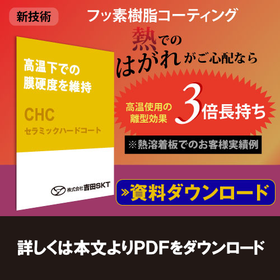
In high-temperature processes such as resin molding, heat sealing, and high-temperature pressing, common coatings face challenges such as reduced film hardness and decreased release properties. Our company offers a lineup of coatings developed for high-temperature environments. "CHC (Ceramic Hard Coat)" minimizes the decrease in film hardness at temperatures above 200°C through the combination of ceramics and fluororesin, maintaining release properties for an extended period. 【Examples of coatings suitable for high-temperature environments】 ■ CHC: For resin molding molds (high-temperature release), heat sealing devices, components in contact with molten resin, and high-temperature pressing molds. ■ Fluororesin coating (PTFE): Heat resistance with a continuous use temperature of 260°C. 【Expected effects】 ■ Reduction of release failures and adhesion troubles in high-temperature processes. ■ Extension of reprocessing and replacement cycles due to the long lifespan of the coating. *For more details, please download the materials and check.

  • Surface treatment contract service
  • coating

Added to bookmarks

Bookmarks list

Bookmark has been removed

Bookmarks list

You can't add any more bookmarks

By registering as a member, you can increase the number of bookmarks you can save and organize them with labels.

Free membership registration

Explanation: The difference between Biocote® and fluoropolymer coatings.

High hardness, resistant to scratches and wear. Non-stick coating that withstands long-term use.

"Bi-Coat®" is a coating that achieves excellent non-stick and release properties through a treatment that combines inorganic and organic materials. Compared to conventional fluoropolymer coatings, it has high hardness, is resistant to scratches, and experiences less wear, making it durable for long-term use. It also has high dimensional accuracy and is suitable for applications requiring micron-level precision. *For detailed explanations, please check the link.*

  • Surface treatment contract service
  • coating

Added to bookmarks

Bookmarks list

Bookmark has been removed

Bookmarks list

You can't add any more bookmarks

By registering as a member, you can increase the number of bookmarks you can save and organize them with labels.

Free membership registration

For those struggling with paint removal from painting jigs.

Reduce stripping and cleaning, and create a jig surface that is less prone to paint buildup.

■Do you have any of these concerns? - It takes time to remove or clean contaminants. - I want to reduce the use of release agents, oils, and solvents. ■General countermeasures and criteria for selecting surface treatments When paint accumulates on painting jigs, chemical stripping, incineration stripping, removal with tools, or jig replacement becomes necessary. For shapes that cannot be addressed with masking or disposable covers, and in processes where we want to reduce cleaning downtime, non-stick coatings that make it difficult for paint to adhere are candidates. We will check the type of paint, curing temperature, and impact on the jigs, and suggest candidates such as fluoropolymer-based coatings. ■You can consult us from the stage of your concerns - Even if the target object or usage conditions are not determined, please let us know your concerns. - Based on the information you provide, we will suggest candidates for surface treatments and points to confirm. - We will propose the provision of test pieces or prototypes depending on the situation. Please contact us first. - If you want to know the functions and features of surface treatments, please download and view the catalog.

  • Surface treatment contract service
  • coating

Added to bookmarks

Bookmarks list

Bookmark has been removed

Bookmarks list

You can't add any more bookmarks

By registering as a member, you can increase the number of bookmarks you can save and organize them with labels.

Free membership registration

For those troubled by resin adhesion on extrusion dies.

Reduce the adhesion of high-temperature molten resin and eye mucus, and decrease cleaning stoppages.

■Do you have any of these concerns? - It takes time to remove contaminants and clean - I want to reduce the use of release agents, oils, and solvents ■General measures and criteria for selecting surface treatments For resin adhesion and eye contamination around the extrusion die, first consider adjusting temperature and residence time, die polishing, and regular cleaning. If high-temperature molten resin still adheres and contaminates the product, surface treatments with heat resistance and release properties become candidates. We will check the type of resin, temperature, cleaning methods, and dimensional accuracy, and suggest candidates such as FSR or heat-resistant, high-hardness types. ■You can consult us at any stage of your concerns - Even if you haven't decided on the target object or usage conditions, please let us know your concerns - Based on the information you provide, we will suggest candidates for surface treatments and points to confirm - We will propose the provision of test pieces or prototypes depending on the situation. Please contact us first - If you want to know about the functions and features of surface treatments, please download and view the catalog.

  • Surface treatment contract service
  • coating

Added to bookmarks

Bookmarks list

Bookmark has been removed

Bookmarks list

You can't add any more bookmarks

By registering as a member, you can increase the number of bookmarks you can save and organize them with labels.

Free membership registration