Refrigerant Leak Sensor Investment Analysis Information 2026: Explanation of Growth Strategy to Reach a Scale of 895 Million USD
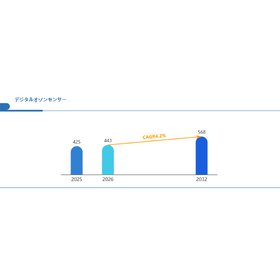
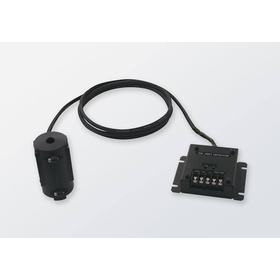
What is a refrigerant leak sensor? A refrigerant leak sensor is a gas detection product that detects refrigerant gas leaking from air conditioning, refrigeration equipment, and heat pumps, leading to alarm activation, ventilation control, and equipment shutdown. It includes sensor modules, fixed gas detectors, leak detection transmitters, multi-point monitoring systems, and portable detectors, and is compatible with HFC, HCFC, and HFO refrigerants, as well as A2L and A3 refrigerants, CO2 (R744), and ammonia (R717). Global market size of refrigerant leak sensors According to the latest research report published by Global Reports, titled "Global Market Size, Share, Company Rankings, Sales, and Demand Trend Forecast for Refrigerant Leak Sensors (2026-2032)," the global market size for refrigerant leak sensors is estimated to be approximately 825 million USD in 2025, with expectations to reach about 895 million USD in 2026. The CAGR from 2026 to 2032 is projected to be 8.2%, with an expected expansion to approximately 1.432 billion USD by 2032.
Inquire About This Product
basic information
The transition to low GWP refrigerants is driving demand. The biggest factor supporting the growth of the refrigerant leak sensor market is the shift to environmentally friendly low GWP refrigerants. With the expanded adoption of refrigerants such as R32, R454B, R454C, R290, and R744, it has become important to integrate leak detection with ventilation, compressor shutdown, and equipment control according to flammability risks. In particular, the transition to A2L refrigerants is boosting demand for sensor modules for OEMs incorporated into air conditioning equipment and heat pumps. In commercial refrigeration systems, machine rooms, and refrigerated/freezer warehouses, fixed gas detectors play a central role in safety management. Furthermore, the maintenance and monitoring needs of existing equipment, such as VRF systems, industrial refrigeration equipment, and supermarket freezer showcases, also support the market. Due to regulatory compliance and strengthened refrigerant emission management, leak detection has become a critical requirement in the maintenance and management of equipment.
Price range
Delivery Time
Applications/Examples of results
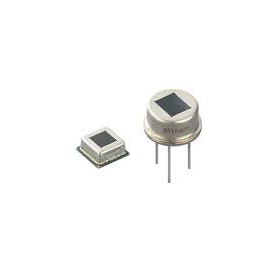
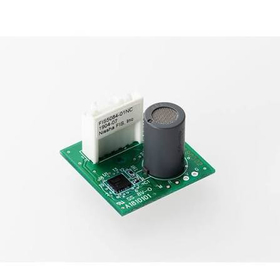
Evolution of Products and Detection Technologies and Their Features by Application By product, sensor modules for OEMs compatible with A2L and A3 refrigerants are a growing area. The focus of development is on miniaturization, longer lifespan, reduced drift, and alleviating calibration burdens. On the other hand, fixed detectors have a wide installation base in commercial refrigeration, cold storage warehouses, and machinery rooms. Portable refrigerant leak detectors are also essential products for technicians responsible for inspecting and repairing air conditioning and refrigeration equipment. In terms of detection methods, NDIR (non-dispersive infrared) technology is widely adopted, primarily in fixed systems. Other methods such as thermal conductivity, photoacoustic, and MEMS technology are also being applied to small OEM modules. In fixed products, advancements in compatibility with Modbus, BACnet, analog output, and relay control are progressing, and collaboration with building management systems and facility management networks is crucial for competitiveness.
Company information

Global Reports integrates industrial information from around the world and provides highly accurate market intelligence to support corporate decision-making. We deliver in-depth analyses based on numerical data and facts, including market size, share, industry structure, price trends, growth forecasts, rankings of major companies, and competitive trends, with clear information categorized by country, region, and application. Leveraging a rich database that has supported the business growth of over 65,000 companies and an international research network, we accompany our clients in their global expansion and continuous growth.