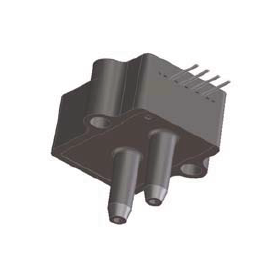
The oil mist sensor market is expected to expand to 518 million USD by 2032, driven by the demand for safety monitoring in ships and power generation equipment.
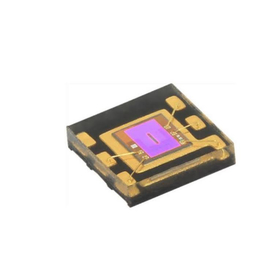
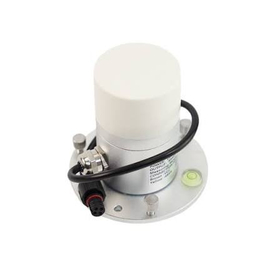
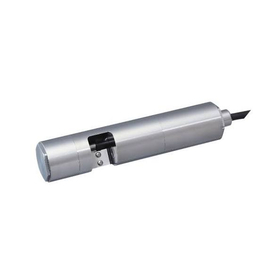
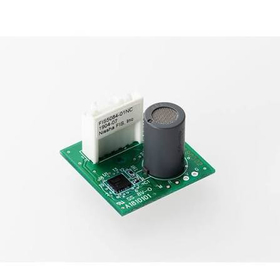
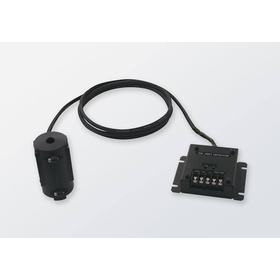
What is an oil mist sensor? An oil mist sensor is a device that detects and measures oil mist, oil aerosols, and oil vapor generated in engine crankcases, machinery rooms, pump rooms, the interiors of machine tools, and industrial ventilation ducts. It is used for concentration monitoring, alarms, and equipment protection. This includes oil mist detectors for crankcases, detectors for atmospheric environments, sensor heads, transmitters, industrial aerosol monitors, and residual oil sensors in compressed air. Global market size of oil mist sensors According to the latest research report published by Global Reports titled "Global Market Size, Share, Company Rankings, Sales, and Demand Trend Forecast for Oil Mist Sensors (2026-2032)," the global market size for oil mist sensors is projected to expand from 325 million USD in 2025 to 348 million USD in 2026, with a compound annual growth rate (CAGR) of 6.9%, reaching 518 million USD by 2032.
Inquire About This Product
basic information
The crankcase detector forms the core of the market. By product, the crankcase oil mist detector, which detects abnormal oil mist concentrations inside the engine and contributes to preventing crankcase explosions, occupies the largest market segment. Major demand sources include marine diesel engines, dual-fuel engines, and large power generation engines, and continuous demand for implementation is expected as it is directly linked to the safe operation of machinery and accident prevention. On the other hand, oil mist detectors for atmospheric environments are used for safety monitoring in machine rooms, pump rooms, marine platforms, and factories. In machine tools and metal processing sites, there is also growing interest in industrial oil mist monitors from the perspective of reducing aerosol exposure for workers.
Price range
Delivery Time
Applications/Examples of results
Transition to Optical Detection and Digital Monitoring In detection technology, light scattering methods and light obscuration/opacity measurement methods are mainstream. Optical methods are effective in capturing changes in the concentration of oily particles, making them suitable for continuous monitoring and early warning. Laser photometers, aerosol photometers, PID methods, and photoacoustic/infrared methods are also adopted according to their applications. In recent years, the technological options have expanded from centralized sampling methods to piping-free monitoring systems that deploy multiple sensors. In addition to self-diagnostic functions, remote display, and compatibility with Modbus and CAN communication, collaboration with engine control and safety systems is also emphasized. In the future, products that not only provide concentration alarm notifications but also analyze occurrence trends, identify abnormal areas, control ventilation, and perform preventive maintenance are expected to enhance competitiveness.
Company information

Global Reports integrates industrial information from around the world and provides highly accurate market intelligence to support corporate decision-making. We deliver in-depth analyses based on numerical data and facts, including market size, share, industry structure, price trends, growth forecasts, rankings of major companies, and competitive trends, with clear information categorized by country, region, and application. Leveraging a rich database that has supported the business growth of over 65,000 companies and an international research network, we accompany our clients in their global expansion and continuous growth.