Digital solar radiation sensor market size forecast 2026: expected to reach 1,904 million USD by 2032.
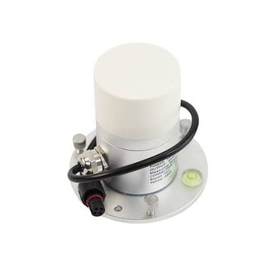
What is a Digital Solar Radiation Sensor? The digital solar radiation sensor market is expanding against the backdrop of the proliferation of renewable energy and the demand for high-precision solar radiation measurement. The global market size is estimated to reach 936 million USD by 2025, and it is expected to grow at a compound annual growth rate (CAGR) of 9.6% from 2026 to 2032, reaching 1.94 billion USD by 2032. A digital solar radiation sensor is an electronic measuring device that measures the intensity of solar radiation and quantifies it in units of W/m². It detects solar radiation using photodiodes, thermopiles, and solar cells, converting it into digital signals to provide real-time data necessary for evaluating solar power output, weather observation, agricultural research, and environmental monitoring. The average sales volume in 2025 is projected to be approximately 3,342,500 units, with an average selling price of around 280 USD. The industry average gross profit margin is about 45%, with a typical range of 35% to 55%. High-precision optical design, calibration technology, and specialized manufacturing processes support the product's value.
Inquire About This Product
basic information
Global Market Size of Digital Solar Radiation Sensors According to the latest research report published by Global Reports titled "Global Market Size, Share, Company Rankings, Sales, and Demand Trend Forecast for Digital Solar Radiation Sensors (2026-2032)," the global market size for digital solar radiation sensors is expected to expand from approximately 936 million USD in 2025 to around 1,097 million USD in 2026. It is projected to continue growing at a compound annual growth rate (CAGR) of 9.6%, reaching approximately 1,904 million USD by 2032.
Price range
Delivery Time
Applications/Examples of results
Market Growth Driven by Solar Power Generation and IoT Collaboration The main demand sources for digital solar radiation sensors are solar power plants, weather observation facilities, agricultural research institutions, environmental research organizations, and building management systems. In the operation of solar power generation, solar radiation data is utilized for predicting power generation, evaluating equipment performance, detecting anomalies, and optimizing maintenance planning. For power generation operators, correlating measured solar radiation with actual power generation results is crucial for understanding equipment operating conditions and power generation efficiency. The transition from traditional analog methods to digital methods is also progressing. Digital solar radiation sensors not only improve measurement accuracy but are also more compatible with real-time communication and cloud-based energy management systems. Products equipped with IoT functions can enhance the efficiency of energy management for power generation facilities and smart homes through remote monitoring and data analysis. Direct connections to SCADA and solar resource management platforms are facilitating the implementation of large-scale power generation projects.
Company information

Global Reports integrates industrial information from around the world and provides highly accurate market intelligence to support corporate decision-making. We deliver in-depth analyses based on numerical data and facts, including market size, share, industry structure, price trends, growth forecasts, rankings of major companies, and competitive trends, with clear information categorized by country, region, and application. Leveraging a rich database that has supported the business growth of over 65,000 companies and an international research network, we accompany our clients in their global expansion and continuous growth.