Optical Oxygen Gas Sensor Market Size 2026-2032: Significant Expansion with a Growth Rate of 4.7%
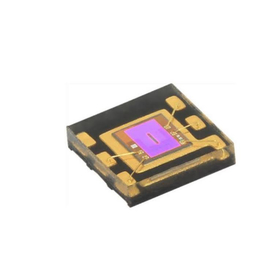
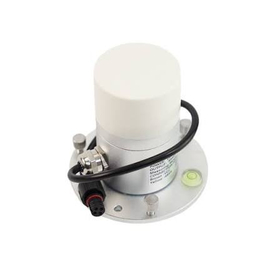
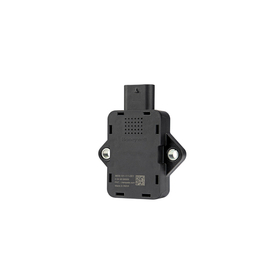
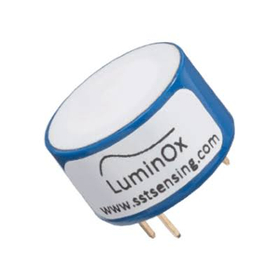
An optical oxygen gas sensor is a device that measures the concentration of oxygen in gases or liquids by utilizing optical principles such as fluorescence quenching, absorption spectroscopy, and fiber optic sensing. Generally, it consists of a light source, an oxygen-sensitive membrane, a light receiving element, and a signal processing circuit. Its main features include the ability to measure without consuming oxygen, resistance to electromagnetic interference, and suitability for detecting trace amounts of oxygen. Optical oxygen gas sensors are used in fields that require precise management of oxygen concentration, such as medical devices, biopharmaceuticals, food packaging, water quality monitoring, industrial process control, and environmental monitoring.
Inquire About This Product
basic information
Demand structure and measurement technology supporting the growth of the optical oxygen gas sensor market Key factors supporting the expansion of the optical oxygen gas sensor market include the enhancement of biopharmaceutical manufacturing facilities, the advancement of life sciences research, improvements in measurement accuracy of medical devices, and the growing demand for environmental monitoring. In particular, in the biopharmaceutical field, managing dissolved oxygen concentration during cell culture and fermentation processes is directly linked to product quality and production efficiency, leading to the adoption of real-time measurement systems incorporating optical oxygen gas sensors. Optical oxygen gas sensors have methods that do not require the replenishment of electrolytic solutions or the polarization treatment of electrodes, contributing to reduced maintenance work and stabilization of continuous measurements.
Price range
Delivery Time
Applications/Examples of results
Diversification of Product Structure and Measurement Methods The optical oxygen gas sensor market is classified into gas oxygen sensors and dissolved oxygen sensors based on the measurement target. Furthermore, the sensor types are divided into probe type and optical fiber type, while the measurement methods are categorized into contact type and non-contact type. Optical oxygen gas sensors that adopt the fluorescence quenching method calculate oxygen concentration by utilizing changes in fluorescence intensity and emission lifetime caused by oxygen molecules. Optical fiber types can be installed with the measurement section and detection device separated, making them suitable for measurements in narrow spaces or special environments. Non-contact types and disposable sensor patches are expected to be applied in sealed containers, microfluidic devices, and single-use bioreactors.
Company information

Global Reports integrates industrial information from around the world and provides highly accurate market intelligence to support corporate decision-making. We deliver in-depth analyses based on numerical data and facts, including market size, share, industry structure, price trends, growth forecasts, rankings of major companies, and competitive trends, with clear information categorized by country, region, and application. Leveraging a rich database that has supported the business growth of over 65,000 companies and an international research network, we accompany our clients in their global expansion and continuous growth.