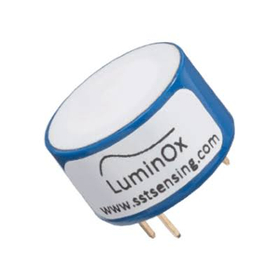
The market for contact combustion gas sensors in Japan is projected to reach 341 million USD by 2026.

Contact combustion gas sensors in the Japanese market: projected to reach 341 million USD by 2026, with a growth rate of 3.2%.
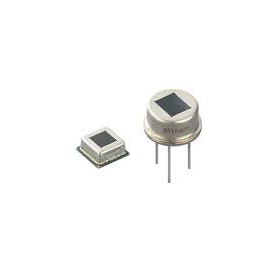
What is a contact combustion gas sensor? A contact combustion gas sensor, also known as a catalytic combustion gas sensor or a pellistor sensor, is a sensor that detects gas concentration by catalytically oxidizing combustible gases on the surface of a heated detection element and measuring the change in electrical resistance caused by the heat generated during this process. It is primarily used for detecting gases such as methane, hydrogen, propane, butane, alcohol vapors, and gasoline vapors near the lower explosive limit (LEL), and is utilized in fixed gas detectors, portable multi-gas detectors, mines, oil refining facilities, gas supply equipment, and wastewater treatment plants. Global market size of contact combustion gas sensors According to the latest research report published by Global Reports titled "Global Market Size, Share, Company Rankings, Sales, and Demand Trend Forecast for Contact Combustion Gas Sensors (2026-2032)," the global market size for contact combustion gas sensors is estimated to be 330 million USD in 2025, expected to reach 341 million USD in 2026, and 412 million USD by 2032. The CAGR from 2026 to 2032 is projected to be 3.2%.
Inquire About This Product
basic information
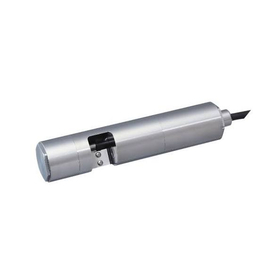
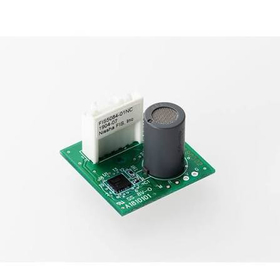
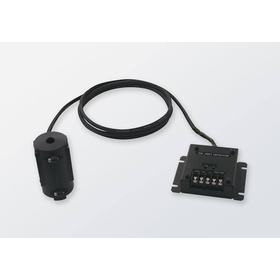
Market foundation supported by industrial safety demand Contact combustion-type gas sensors are widely adopted in fields where monitoring for leaks of flammable gases is essential, such as oil and gas, petrochemicals, mining, tunnels, factories, and urban gas supply. They demonstrate a relatively high linear response to a wide range of flammable gases and are easily integrated into existing fixed and portable detectors, which is a significant advantage. The market offers standalone catalytic elements, packaged sensors, explosion-proof sensor heads, and smart sensor modules, with the demand for replacing existing detectors forming a stable revenue base. Advancements in product development for high durability and low power consumption In product development, key themes include improving resistance to catalyst poisoning, reducing power consumption, adapting to high-temperature environments, miniaturization of modules, and optimization for hydrogen detection. Particularly, silicone and sulfur compounds are factors that reduce catalytic activity, making resistance to poisoning and long-term stability critical for product evaluation. Based on rated operating power, products are classified into ultra-low power types (below 100mW), low power types (100-250mW), standard types, high power types, and types for harsh environments. Power saving is becoming increasingly important for portable devices and embedded applications.
Price range
Delivery Time
Applications/Examples of results
Competition with Alternative Technologies and Growth Opportunities The main constraints in the market are the detection principles that depend on oxygen concentration, catalyst poisoning, the need for regular calibration, and the larger power consumption compared to optical and some MEMS methods. In particular, for applications where monitoring methane specifically and reducing maintenance burdens are desired, non-dispersive infrared (NDIR) sensors and laser methane sensors are emerging as alternative technologies. On the other hand, the modernization of hydrogen infrastructure, energy storage systems, and gas supply networks, along with the demand for domestic production in the Chinese market, present new growth opportunities. Since infrared methane sensors alone cannot adequately address hydrogen, the expansion of applications for contact combustion gas sensors is anticipated.
Company information

Global Reports integrates industrial information from around the world and provides highly accurate market intelligence to support corporate decision-making. We deliver in-depth analyses based on numerical data and facts, including market size, share, industry structure, price trends, growth forecasts, rankings of major companies, and competitive trends, with clear information categorized by country, region, and application. Leveraging a rich database that has supported the business growth of over 65,000 companies and an international research network, we accompany our clients in their global expansion and continuous growth.