Mold cavity pressure sensor market size forecast 2026: Expected to reach 262 million USD by 2032.
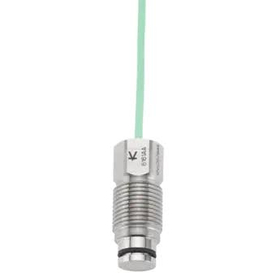
A mold cavity pressure sensor is an industrial sensor installed inside the cavity of an injection molding mold or on the back of components like ejector pins, which measures the pressure generated during the processes of filling, holding pressure, and cooling of molten resin in real-time. It converts the mechanical forces and pressures inside the mold into electrical signals, allowing for the quantification of molding conditions to monitor the filling state, stability of holding pressure, and quality of molded products. The direct type measures pressure by having the sensor's pressure-receiving part in contact with the molten resin, while the indirect type detects forces inside the mold through components like ejector pins or transmission pins. There are two measurement methods: piezoelectric and strain gauge, which are selected based on the installation environment, required measurement accuracy, and mold structure.
Inquire About This Product
basic information
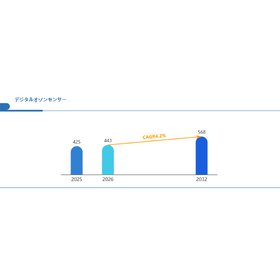
Global Market Size of Mold Cavity Pressure Sensors According to the latest research report published by Global Reports titled "Global Market Size, Share, Company Rankings, Sales, and Demand Trend Forecast for Mold Cavity Pressure Sensors (2026-2032)," the global market size is expected to expand from approximately 167 million USD in 2025 to about 177 million USD in 2026. The compound annual growth rate (CAGR) from 2026 to 2032 is projected to be 6.8%, with an estimated market size of around 262 million USD by 2032. As the demand for high-precision molding increases and the digitalization of manufacturing processes advances, the sensor is experiencing growth in demand as a crucial measurement instrument for quantitatively managing molding quality.
Price range
Delivery Time
Applications/Examples of results
High-precision molding of automotive, medical, and electronic components drives sensor demand. The main factor behind market expansion is the increasing precision of resin parts used in automobiles, medical devices, and electronic equipment. For automotive connectors, electrical components, medical consumables, optical parts, and precision electronic components, it is necessary to minimize variations in dimensional accuracy, product weight, and surface quality. Relying solely on injection pressure and screw position on the injection molding machine may not provide a sufficient understanding of the pressure changes occurring within the cavity. By using mold cavity pressure sensors, it is possible to directly monitor the pressure waveform from filling to holding pressure, leading to early detection of molding defects such as short shots, flash, sink marks, and voids.
Company information

Global Reports integrates industrial information from around the world and provides highly accurate market intelligence to support corporate decision-making. We deliver in-depth analyses based on numerical data and facts, including market size, share, industry structure, price trends, growth forecasts, rankings of major companies, and competitive trends, with clear information categorized by country, region, and application. Leveraging a rich database that has supported the business growth of over 65,000 companies and an international research network, we accompany our clients in their global expansion and continuous growth.