The market size of resistive fuel level sensors will reach 1,315 million USD by 2026.

The resistive fuel level sensor market is expected to reach a scale of 1,315 million USD by 2026.
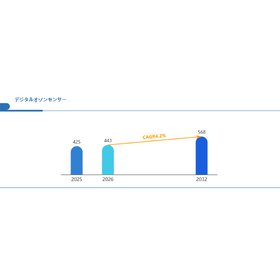
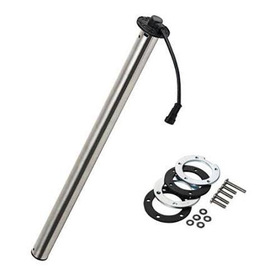
What is a resistive fuel level sensor? A resistive fuel level sensor is a liquid level detection device that converts changes in the liquid level within a fuel tank into variable resistance values, sending signals to fuel gauges, engine control units, marine displays, remote tank monitoring systems, and more. There are various types, including those that combine a float arm with a variable resistor, reed switch types, tube types, and those equipped with electronic conversion circuits, all of which can accommodate a wide range of fuels such as gasoline, diesel, and mixed fuels. Global market size of resistive fuel level sensors According to the latest research report published by Global Reports titled "Global Market Size, Share, Company Rankings, Sales, and Demand Trend Forecast for Resistive Fuel Level Sensors (2026-2032)," the global market size for resistive fuel level sensors is estimated to be approximately 1.28 billion USD in 2025, with expectations to reach around 1.315 billion USD in 2026. It is projected to grow at a compound annual growth rate (CAGR) of 2.7%, expanding to about 1.538 billion USD by 2032.
Inquire About This Product
basic information
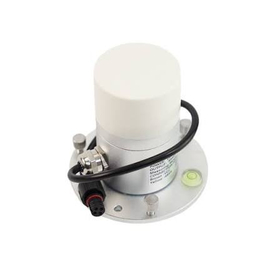
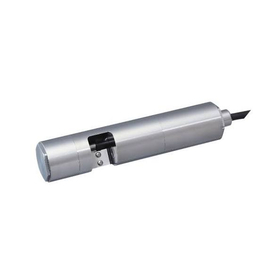
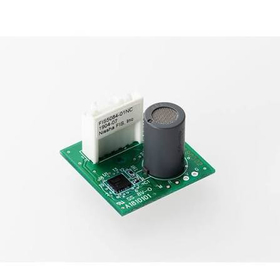
Market structure based on automotive applications In the resistive fuel level sensor market, sender units incorporated into automotive fuel tanks account for the majority of shipments. For passenger vehicles, mass supply and low cost are prioritized, while marine vessels, generators, and industrial fuel tanks require corrosion resistance, vibration resistance, and long-term stability, leading to relatively higher product prices. By product structure, the float arm type, which is low-cost and highly compatible with existing analog fuel gauges, is the main category. In marine and industrial applications, the adoption of reed switch tube sensors with durability and measurement stability due to a sealed structure is progressing. Additionally, while automotive tank internal sensor cards have high shipment volumes, their unit prices are limited. In the retrofit market, where there is a desire to enhance measurement performance while maintaining existing fuel gauges, there is also demand for electronic sensors compatible with resistive output.
Price range
Delivery Time
Applications/Examples of results
Compatibility with digital monitoring is becoming important. The technological development of resistive fuel level sensors is expanding from traditional mechanical structures to sealed reed switch types and electronically configurable outputs. Particularly in marine, RV, and aftermarket applications, resistance characteristics of 240–33Ω or 240–30Ω are utilized as important standard specifications. Maintaining compatibility with existing fuel gauges is a major condition for product selection. On the other hand, the spread of digital displays, NMEA 2000, CAN communication, and telematics is also increasing the demand to connect traditional resistance signals to new monitoring systems. In the future, in addition to compatibility with analog instruments, connectivity to digital monitoring environments and the flexibility of resistance curve settings are expected to influence competitiveness.
Company information

Global Reports integrates industrial information from around the world and provides highly accurate market intelligence to support corporate decision-making. We deliver in-depth analyses based on numerical data and facts, including market size, share, industry structure, price trends, growth forecasts, rankings of major companies, and competitive trends, with clear information categorized by country, region, and application. Leveraging a rich database that has supported the business growth of over 65,000 companies and an international research network, we accompany our clients in their global expansion and continuous growth.