
List of Pharmaceutical and food related products
- classification:Pharmaceutical and food related
3376~3420 item / All 35049 items


Reduce the workload from handling heavy objects! Here are five case studies that solved customer challenges! We are also accepting free consultations and tests tailored to your work!

- Other conveying machines


By combining parts, it is possible to produce large pallets of 2m x 4m size. Even if damaged, partial replacement is possible, making it economical. *Available from a single piece.


- palette
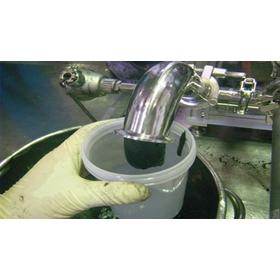

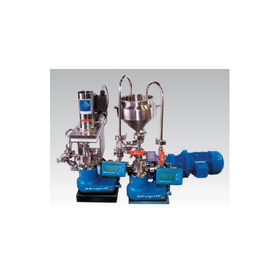
The negative electrode slurry's key is balancing viscosity and dispersion. Process design that can be reproduced up to mass production.
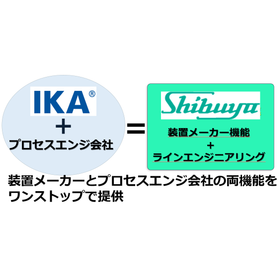
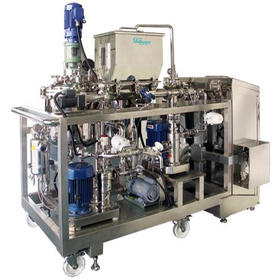
- Emulsifier/Disperser
- Vacuum degassing machine
- Dispersion/emulsification equipment/homogenizer
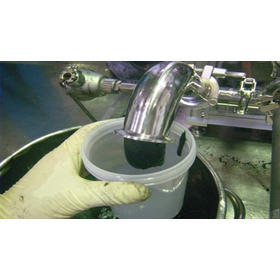
CNT dispersion is determined by the process. Control of aggregation stabilizes conductivity.
- Emulsifier/Disperser
- Vacuum degassing machine
- Dispersion/emulsification equipment/homogenizer
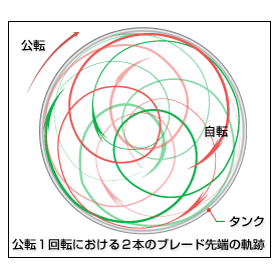
What are the reasons for the inability to disperse high solid content slurries? Causes of poor dispersion and design points for solutions.
In the dispersion process of high solid content slurries, problems such as "too high viscosity to mix" and "unable to break down agglomerates" occur. The main cause of these issues is the increased frequency of particle contact, which strengthens the cohesive forces. As the solid content concentration increases, the distance between particles decreases, leading to interference between particles that reduces fluidity and prevents sufficient dispersion energy from being transmitted. Additionally, the crowding of particles restricts flow and makes shear localized, resulting in the persistence of undispersed areas and agglomerates. Furthermore, in a high solid content state, the increase in viscosity also leads to poor circulation and stagnation, causing variability in the dispersion state within the process. Particularly in batch processing, mixing inconsistencies and differences in processing history directly translate into quality differences, making it difficult to ensure reproducibility. To achieve stable dispersion under high solid content conditions, it is important not only to increase shear force but also to consider dispersion design that takes into account inter-particle interactions, as well as process design that simultaneously controls flow and shear. By establishing a mechanism like inline continuous processing, where particles pass through the processing area under constant conditions, uniform and highly reproducible dispersion can be achieved even at high solid contents.
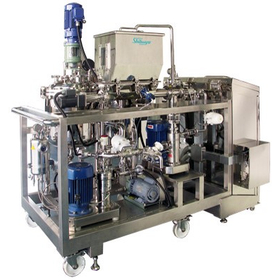
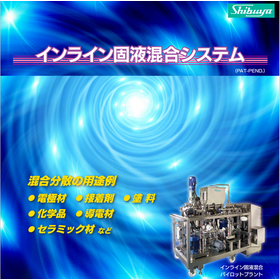
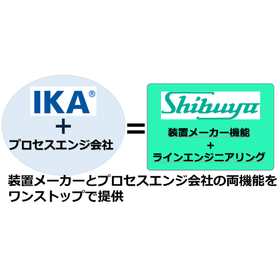
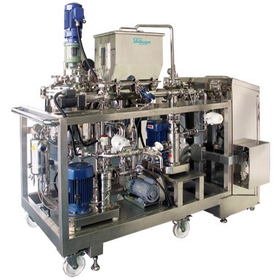
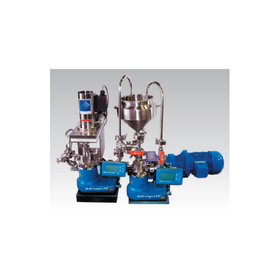
Inline continuous process that stabilizes CNT dispersion without disrupting its state.
- Emulsifier/Disperser
- Vacuum degassing machine
- Dispersion/emulsification equipment/homogenizer
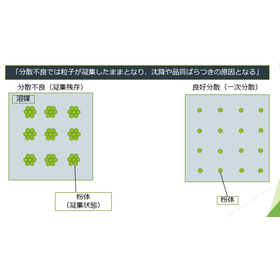
What are the causes of dispersion troubles? An explanation of the reasons for aggregation, sedimentation, and variation, as well as design points to reconsider in the dispersion process.
In dispersion engineering, issues such as unresolved agglomeration, sedimentation, and unstable particle size distribution occur frequently at many sites. These problems are caused not only by the performance of the equipment but also by inconsistencies in particle characteristics, dispersion conditions, and process design. For example, when there is insufficient dispersion energy, particles do not break down to primary particles, and agglomeration remains. Additionally, if the shear conditions or flow state are not appropriate, uniform dispersion cannot be achieved, leading to sedimentation and variations in quality. Particularly in high-viscosity systems or high solid content slurries, even slight differences in conditions can significantly impact the results. Furthermore, in batch processing, variations in mixing uniformity and residence time make it difficult to ensure reproducibility. To resolve these dispersion issues, it is important to optimize the entire process, including particle characteristics, dispersion energy, and flow design, rather than simply changing the equipment. By maintaining consistent conditions, as in inline continuous processing, stable dispersion quality and reproducibility can be achieved.

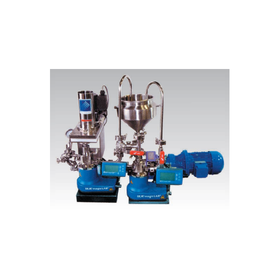
Thanks to our unique dispersion system, we can achieve the mixing and dispersion of fine powders in a short time without generating clumps! We can accommodate both continuous and batch processes.
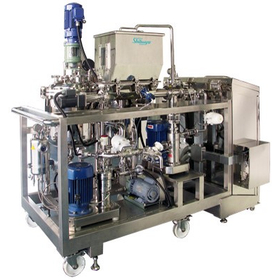
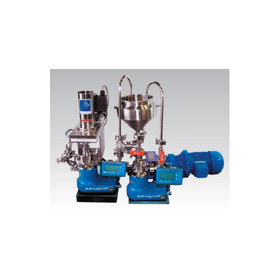
- Emulsifier/Disperser
- Vacuum degassing machine
- Dispersion/emulsification equipment/homogenizer
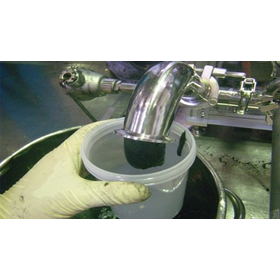
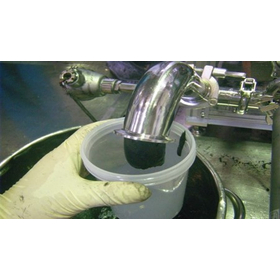
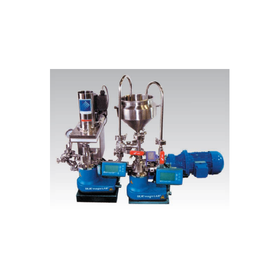
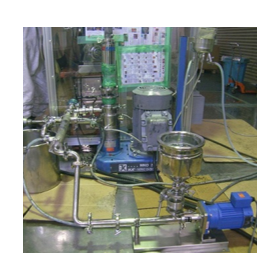
Verify before failing in mass production. Confirm the reproducibility of slurry dispersion in advance.
- Emulsifier/Disperser
- Vacuum degassing machine
- Dispersion/emulsification equipment/homogenizer
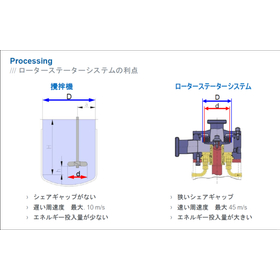
What are the reasons for changes in results from the lab to mass production? Causes and countermeasures for the deterioration of distributed quality during scale-up.
Despite obtaining good dispersion results in the lab, the challenge of unstable quality upon mass production occurs in many settings. The main cause of this is that the dispersion conditions are not replicated due to differences in scale. In lab equipment, the smaller size leads to higher energy density, making shear and flow more uniform, while in mass production equipment, the larger scale often results in insufficient dispersion energy at the same rotational speed and processing time. Additionally, differences in equipment structure and flow patterns can cause variations in the shear history and residence time experienced by particles, leading to differences in the dispersion state. Furthermore, simple scale-up does not ensure that critical parameters such as flow rate, residence time, and shear intensity match, making it difficult to reproduce the same results as in the lab. To address these challenges, it is essential to focus on process design based on dispersion energy density and flow conditions rather than merely increasing equipment size. By designing the system so that particles pass through the processing area under consistent conditions, it is possible to achieve reproducible dispersion quality even when the scale changes, as seen in inline continuous processing.
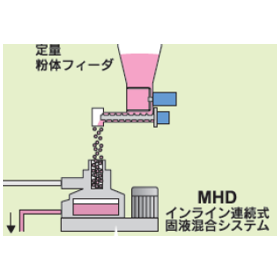
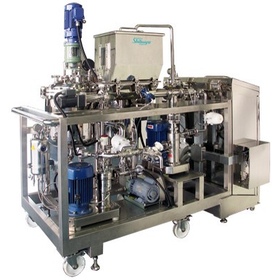
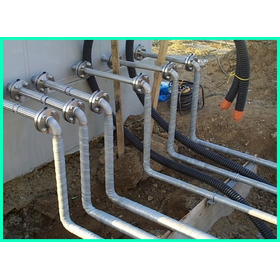
From powder supply to dispersion, defoaming, and transfer. A dispersion machine line compatible with high-viscosity slurries has been established.
- Emulsifier/Disperser
- Powder Supply Device
- Dispersion/emulsification equipment/homogenizer
What are the reasons for changes in results from the lab to mass production? Causes and countermeasures for the deterioration of distributed quality during scale-up.
Despite obtaining good dispersion results in the lab, the challenge of unstable quality upon mass production occurs in many settings. The main cause of this is that the dispersion conditions are not replicated due to differences in scale. In lab equipment, the smaller size leads to higher energy density, making shear and flow more uniform, while in mass production equipment, the larger scale often results in insufficient dispersion energy at the same rotational speed and processing time. Additionally, differences in equipment structure and flow patterns can cause variations in the shear history and residence time experienced by particles, leading to differences in the dispersion state. Furthermore, simple scale-up does not ensure that critical parameters such as flow rate, residence time, and shear intensity match, making it difficult to reproduce the same results as in the lab. To address these challenges, it is essential to focus on process design based on dispersion energy density and flow conditions rather than merely increasing equipment size. By designing the system so that particles pass through the processing area under consistent conditions, it is possible to achieve reproducible dispersion quality even when the scale changes, as seen in inline continuous processing.
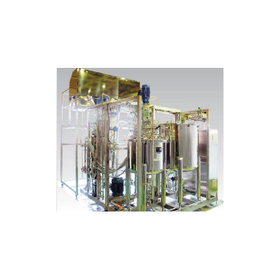
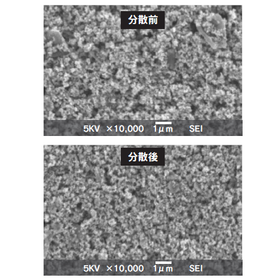
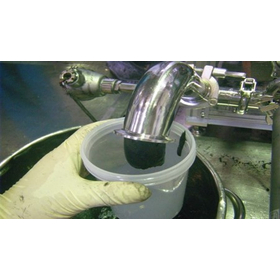
Inline dispersion system for continuous processing and stable dispersion of high-viscosity slurries.
- Emulsifier/Disperser
- Powder Supply Device
- Dispersion/emulsification equipment/homogenizer
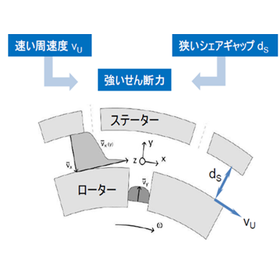
What is the relationship between viscosity and dispersion efficiency? The reason why dispersion becomes difficult under high viscosity conditions.
In dispersion processes, viscosity is an important factor that significantly affects dispersion efficiency. Generally, as viscosity increases, fluidity decreases, making it more difficult for dispersion energy to be transmitted to the particles. When viscosity is low, liquids flow easily, and shear energy is widely transmitted throughout the system, making it relatively easy to break apart particle agglomerates. On the other hand, as viscosity increases, flow becomes localized, and shear tends to be concentrated near the equipment. As a result, there is a mixture of particles that receive sufficient energy and those that do not, leading to variability in the dispersion state. Additionally, under high viscosity conditions, the movement of particles is also restricted, making collisions and breakdowns between agglomerates less likely. Consequently, even if the mixture appears homogeneous, there may be undispersed regions remaining internally. To enhance dispersion efficiency, it is crucial to implement appropriate shear conditions and flow designs according to viscosity. Particularly in inline continuous processing, it is possible to provide uniform shear to the particles within the flow, allowing for efficient transmission of dispersion energy even under high viscosity conditions. In dispersion processes, optimizing flow, shear, and processing time while considering the effects of viscosity is key to achieving stable dispersion quality.
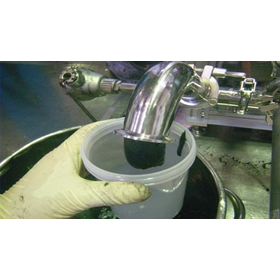
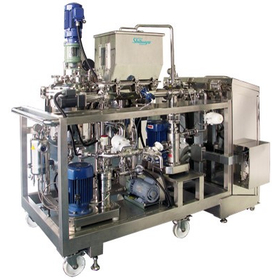
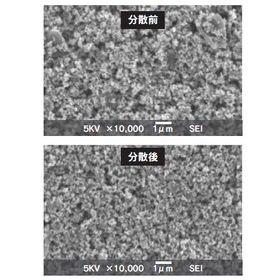
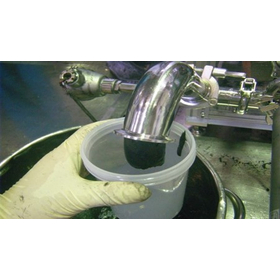
Supports high-viscosity dispersion of positive and negative electrode slurries. Assists in quality stabilization and mass production scale-up through continuous processing.
- Emulsifier/Disperser
- Powder Supply Device
- Dispersion/emulsification equipment/homogenizer
What is the relationship between viscosity and dispersion efficiency? The reason why dispersion becomes difficult under high viscosity conditions.
In dispersion processes, viscosity is an important factor that significantly affects dispersion efficiency. Generally, as viscosity increases, fluidity decreases, making it more difficult for dispersion energy to be transmitted to the particles. When viscosity is low, liquids flow easily, and shear energy is widely transmitted throughout the system, making it relatively easy to break apart particle agglomerates. On the other hand, as viscosity increases, flow becomes localized, and shear tends to be concentrated near the equipment. As a result, there is a mixture of particles that receive sufficient energy and those that do not, leading to variability in the dispersion state. Additionally, under high viscosity conditions, the movement of particles is also restricted, making collisions and breakdowns between agglomerates less likely. Consequently, even if the mixture appears homogeneous, there may be undispersed regions remaining internally. To enhance dispersion efficiency, it is crucial to implement appropriate shear conditions and flow designs according to viscosity. Particularly in inline continuous processing, it is possible to provide uniform shear to the particles within the flow, allowing for efficient transmission of dispersion energy even under high viscosity conditions. In dispersion processes, optimizing flow, shear, and processing time while considering the effects of viscosity is key to achieving stable dispersion quality.


Are you deciding on the introduction of a press machine solely based on subsidies? A financial plan for successful capital investment.
- Other factory equipment and parts

What is important in making investment decisions for equipment is not just sales. Investment decisions should be considered in terms of "cash."
- Other factory equipment and parts

Despite successful equipment investment, is funding tight? Key points to be aware of in cash flow management after implementation.
- Other factory equipment and parts

Before implementing capital investment for productivity improvement, confirm the "investment effect" and "cash flow."
- Other factory equipment and parts

Due to a shortage of manpower, we will invest in equipment. Will that investment really lead to profits?
- Other factory equipment and parts

Things to prepare before consulting a financial institution for equipment investment financing.
- Other factory equipment and parts

A cash flow statement is meaningless if it's just "made." Here’s an explanation of the points that financial institutions look at.
- Other factory equipment and parts

Are you feeling secure with the grant approval? It's important to consider cash flow after the equipment installation.
- Other factory equipment and parts

Are you judging the update of welding equipment solely based on costs? What does a financial plan that considers the post-introduction phase look like?
- Other factory equipment and parts

"Just because subsidies are available doesn't mean it's okay to invest." Five points to check before introducing equipment.
- Other factory equipment and parts

Is the investment in introducing a machining center a feasible plan? An explanation of costs and financing.
- Other factory equipment and parts

How to secure funding for equipment investment? Organizing thoughts on subsidies, loans, and personal funds.
- Other factory equipment and parts

Since we can receive subsidies, should we go ahead with capital investment for now? Before that, I want to think about 'what investment is truly necessary.'
- Other factory equipment and parts

Aren't you judging solely based on the introduction costs of the NC lathe? Key points to consider for investment recovery and financial planning.
- Other factory equipment and parts

"Why is this equipment necessary?" A way of thinking about capital investment plans to communicate to financial institutions.
- Other factory equipment and parts

Should you update old equipment right away or wait? An explanation of the timing for capital investment in manufacturing from a financial perspective.
- Other factory equipment and parts

How to determine the borrowing amount for equipment investment? A method to consider not only repayment but also cash flow after the investment.
- Other factory equipment and parts

It's dangerous to think that 'it's a good machine, so I'll buy it.' What should you consider regarding investment recovery before introducing machine tools?
- Other factory equipment and parts

To avoid saying "we don't have enough funds" after introducing equipment: Key points to check regarding cash flow before making an investment.
- Other factory equipment and parts

Aren't you deciding solely based on subsidies and equipment prices? Here are five points to consider the capital investment in manufacturing from a financial perspective.
- Other factory equipment and parts
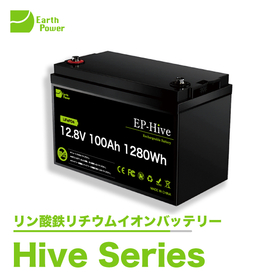

Reliable power for non-electrified sections. The 'Hive Series' achieves low cost and short delivery times.
- Lithium-ion battery
- Cells and batteries
- Secondary Cells/Batteries
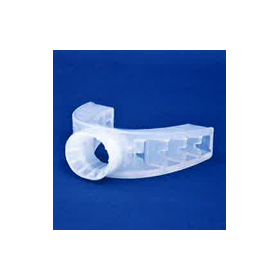

It's smooth, so it's not painful; because it's not painful, it's speedy!
- others
- Endoscopes and fiberscopes


Quality stability
- valve
- Valves and fittings
- Piping Materials
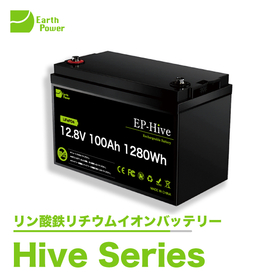
Promoting the electrification of ships. The "Hive Series" lithium iron phosphate ion battery enhances safety and reliability.
- Lithium-ion battery
- Cells and batteries
- Secondary Cells/Batteries
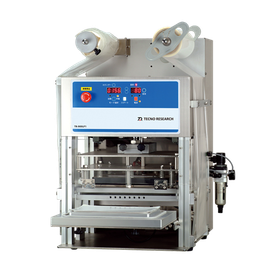

For processed meat and fish products, baked goods, side dishes, vegetables, fruits, etc.! Also compatible with gas replacement packaging that allows for extended shelf life.

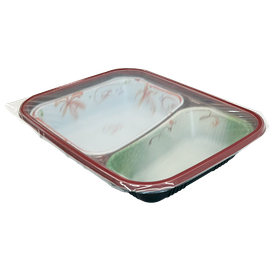
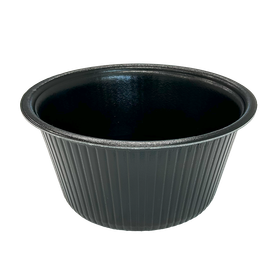
- Other sealers
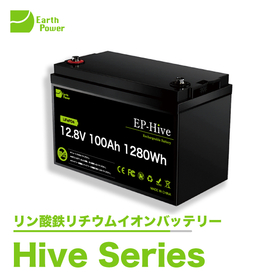
Contributing to extended flight time! The "Hive Series" lithium-ion battery enhances safety and reliability.
- Lithium-ion battery
- Cells and batteries
- Secondary Cells/Batteries
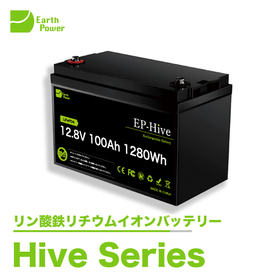
"Hive Series" - a low-cost, short-delivery, high-reliability battery that supports the stable operation of autonomous mobile robots.
- Lithium-ion battery
- Cells and batteries
- Secondary Cells/Batteries
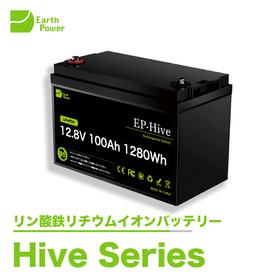
Redundancy in communication infrastructure. The "Hive Series" lithium-ion battery enhances safety and reliability.
- Lithium-ion battery
- Cells and batteries
- Secondary Cells/Batteries
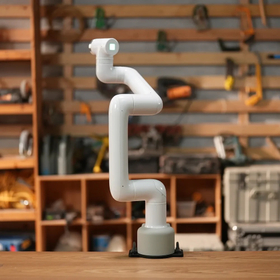

Achieving a movable weight of 2kg and a working radius of 630mm, it caters to a wide range from education to industrial automation.
- Transport and handling robots
- Other industrial robots
- Picking robot system
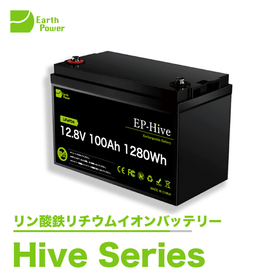
"Hive Series" battery that supports long hours of operation for power tools with safety, low cost, and short delivery time.
- Lithium-ion battery
- Cells and batteries
- Secondary Cells/Batteries