1~38 item / All 38 items
Displayed results
Filter by category

Added to bookmarks
Bookmarks listBookmark has been removed
Bookmarks listYou can't add any more bookmarks
By registering as a member, you can increase the number of bookmarks you can save and organize them with labels.
Free membership registration
Contact this company
Inquiry FormBefore making an inquiry
Download Profile1~38 item / All 38 items
Filter by category
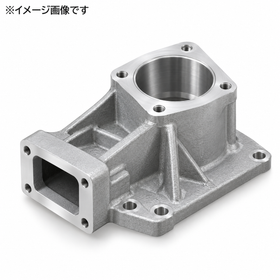
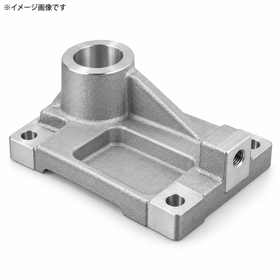
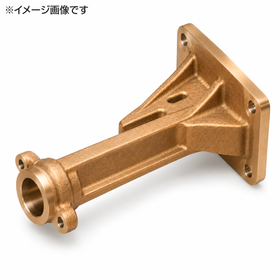
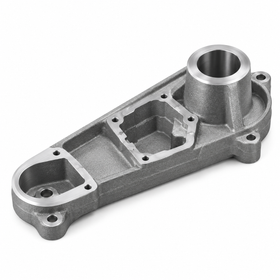
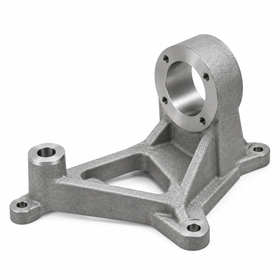
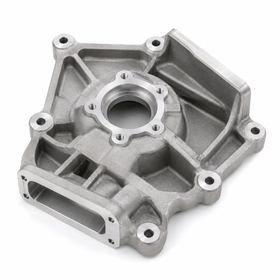
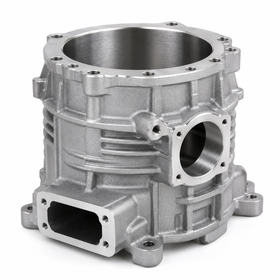
Have you ever experienced air pressure leaks during airtightness tests after mass production of copper alloy castings with thick sections, such as those used in industrial machinery? Thick sections solidify more slowly than thin sections, making them more prone to gas defects and shrinkage cavities (internal voids) during cooling. These issues are often not detectable through visual inspection alone, and it is not uncommon for defects to be identified only after airtightness tests or actual assembly. Karmo Casting analyzes the solidification process and cooling rates in advance using casting simulations to identify areas where gas defects and shrinkage cavities are likely to occur. By reviewing the feeding and cooling plans and managing everything in-house from pattern design to casting, machining, and inspection, we can ensure airtight designs before mass production. This product is an example of a copper alloy casting for industrial machinery made from CAC406 material, consistently finished with measures against gas defects and shrinkage cavities in thick sections. We are offering a technical document summarizing the break-even points by method and considerations for small lot production free of charge. Please download it from the link below.
Added to bookmarks
Bookmarks listBookmark has been removed
Bookmarks listYou can't add any more bookmarks
By registering as a member, you can increase the number of bookmarks you can save and organize them with labels.
Free membership registration
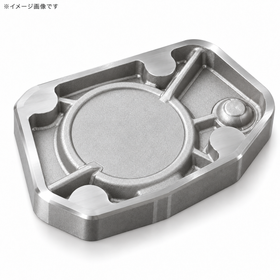
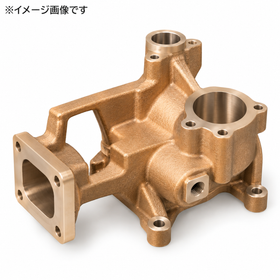
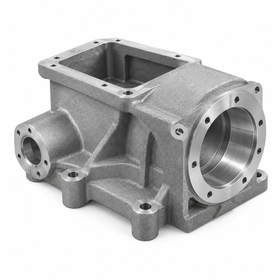
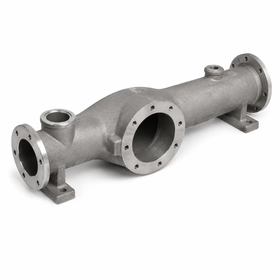
Have you ever experienced difficulty finding a manufacturer for copper alloy castings for shipbuilding parts? This product has narrow internal passages, making it challenging to create cores, and they are prone to breaking or deforming under casting pressure, which increases the difficulty of casting while maintaining the passage shape. Manufacturers that outsource wooden patterns and cores tend to take longer to make shape modifications or reassess core strength. Karmo Casting handles everything in-house, from the design and production of wooden patterns and molds to casting, machining, and inspection. We use casting simulations to check the flow of molten metal and pressure on the cores in advance, allowing us to propose designs that minimize the risk of breakage even with narrow cores. Since we have five casting processes in-house, including those for copper alloys, we can select the optimal method based on material and shape. This product is an example of a shipbuilding copper alloy casting made from CAC406 material, consistently finished from wooden pattern design to machining while maintaining a narrow core (passage) structure. We are offering a technical document summarizing the break-even analysis by method and considerations for small lot production for free. Please download it from the link below.
Added to bookmarks
Bookmarks listBookmark has been removed
Bookmarks listYou can't add any more bookmarks
By registering as a member, you can increase the number of bookmarks you can save and organize them with labels.
Free membership registration
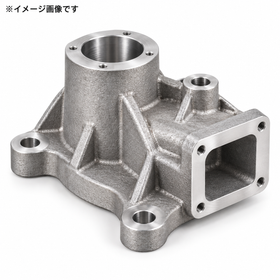
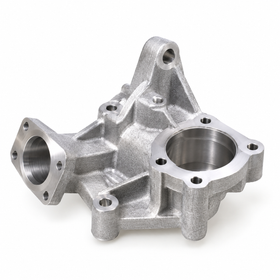
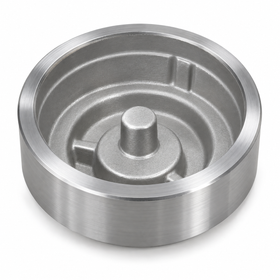
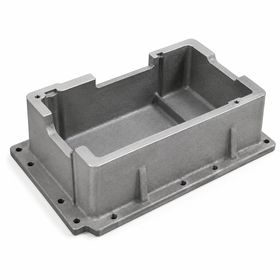
Have you ever been turned down for prototyping parts with a wide variety of shapes, such as oil filters for industrial machinery, due to costs associated with wooden molds and setup? Manufacturers that outsource wooden molds often face adjustments with their subcontractors every time there is a shape change or modification during the prototyping stage, leading to increased costs and time. In prototypes where the shape is not finalized in one go, this burden of adjustment becomes particularly significant. Karmo Casting handles everything in-house, from the design and production of wooden molds and metal molds to casting, machining, and inspection. We possess five casting processes in-house: sand molds, self-hardening, alkaline phenolic, cold box, and metal molds, allowing us to respond immediately to shape changes internally. By consolidating points of contact, we can offer short lead times and low costs even for prototypes. This product is an example of an oil filter made from AC4B-F material, handled consistently from wooden mold design to machining, and responding to shape evaluations during the prototyping stage. We are offering a technical document summarizing the break-even point by manufacturing method and considerations for small lot production for free. Please download it from the link below.
Added to bookmarks
Bookmarks listBookmark has been removed
Bookmarks listYou can't add any more bookmarks
By registering as a member, you can increase the number of bookmarks you can save and organize them with labels.
Free membership registration
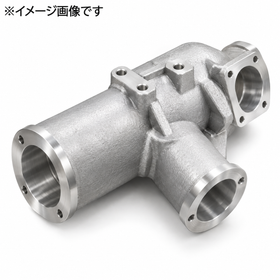
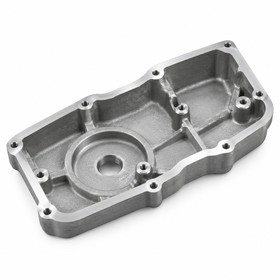
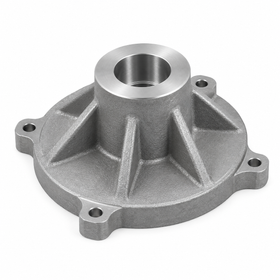
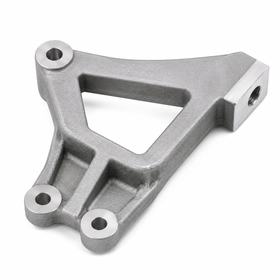
Have you ever missed the timing due to the costs of wooden molds and adjustments with outsourcing when you wanted to produce small quantities of parts like head covers for industrial machinery? Manufacturers that outsource wooden molds often have separate contacts for mold makers and casting or machining manufacturers, which leads to additional adjustment costs and time every time there is a change in shape. In small-lot production, this burden of adjustments can pressure profitability. Karmo Casting handles everything in-house, from the design and production of wooden and metal molds to casting, machining, and inspection. We have five casting processes in-house: sand molds, self-hardening, alkaline phenolic, cold box, and metal molds, allowing us to choose the optimal method based on quantity and shape. By consolidating contacts, we can achieve short lead times and low costs even for small-lot production. This product is an example of a head cover made from AC2A-F material, handled consistently from wooden mold design to machining, accommodating small-lot production. We are offering a technical document summarizing the break-even points by method and considerations for small lot production free of charge. Please download it from the link below.
Added to bookmarks
Bookmarks listBookmark has been removed
Bookmarks listYou can't add any more bookmarks
By registering as a member, you can increase the number of bookmarks you can save and organize them with labels.
Free membership registration
Have you ever experienced being turned down for machining because you brought in castings from another company that couldn't meet the tolerances? The more precise the tolerances required for shapes, such as parts for semiconductor manufacturing equipment, the fewer machining options are available. With castings from other companies, it is difficult to grasp the variations in shrinkage and internal stress for each casting, and know-how is required to machine them while guaranteeing tolerances. If the assessment is incorrect, dimensions may deviate during the machining process. Karmo Casting conducts its own casting, allowing for the estimation of machining conditions based on the tendencies of shrinkage and distortion of the castings. By using a contact-type three-dimensional measuring machine and a non-contact digitizer to check dimensions during and after machining, we can achieve high-precision tolerances even for castings from other companies. This product is an example of finishing a different part for semiconductor manufacturing equipment to meet tolerances using our unique know-how from castings produced by another company. We are offering a technical document summarizing the break-even point by method and considerations for small lot production for free. Please download it from the link below.
Added to bookmarks
Bookmarks listBookmark has been removed
Bookmarks listYou can't add any more bookmarks
By registering as a member, you can increase the number of bookmarks you can save and organize them with labels.
Free membership registration
Have you ever struggled to find a machining partner for castings produced by other companies? For rough materials that require high precision, such as parts for semiconductor manufacturing equipment, there are limited machining partners that can handle only the downstream processes. Casting manufacturers often prioritize finishing their own cast products, making it difficult to process castings produced by others due to precision assurance issues, leading to procurement challenges. The uncertainty regarding material properties and shrinkage of rough materials also complicates the estimation of machining conditions. Karmo Casting owns machining equipment, including 15 five-axis machining centers, and can accept rough materials from other companies for machining after confirming their material and shape. Since we also conduct our own casting, we can accommodate the estimation of machining conditions considering the shrinkage and distortion of rough materials. This product is an example of parts for semiconductor manufacturing equipment that have been consistently finished from machining to inspection using rough materials cast by other companies. We are offering a technical document summarizing the break-even points by method and considerations for small lot production free of charge. Please download it from the link below.
Added to bookmarks
Bookmarks listBookmark has been removed
Bookmarks listYou can't add any more bookmarks
By registering as a member, you can increase the number of bookmarks you can save and organize them with labels.
Free membership registration
Have you ever received inquiries about materials with casting characteristics that are difficult, such as AC8B, which has challenges with flow and shrinkage? For parts like pistons, where dimensional accuracy and strength must be balanced, the properties of the material increase the difficulty of casting. AC8B-based alloys containing Si, Ni, and Cu have a low thermal expansion coefficient and excellent high-temperature strength, but they also have low fluidity and significant shrinkage during solidification, leading many manufacturers to postpone mass production. Karmo Casting designs and manufactures wooden and metal molds in-house and possesses five casting processes: sand casting, self-hardening, alkaline phenolic, cold box, and metal mold casting. We propose mass production designs that minimize yield loss, even for materials with challenging characteristics, by confirming solidification and flow in advance through casting simulations. This product is an example of how the casting and machining technology for AC8B pistons developed for compressor parts has been applied to sliding parts and heat-resistant components in other industries, such as automotive and industrial machinery. We offer a technical document summarizing the break-even points by method and considerations for handling difficult-to-cast materials, available for free. Please download it from the link below.
Added to bookmarks
Bookmarks listBookmark has been removed
Bookmarks listYou can't add any more bookmarks
By registering as a member, you can increase the number of bookmarks you can save and organize them with labels.
Free membership registration
Due to the use of cores in the shape, casting costs and delivery times have increased, and have you ever considered cost reduction at the timing of mass production? Core structures not only increase mold costs and labor hours but also contribute to lower yields during mass production due to constraints on flow and strength. Karmo Casting designs and manufactures wooden and metal molds in-house, allowing us to provide consistent support from shape modification proposals to mass production transition. We possess five casting processes in-house: sand casting, self-hardening, alkaline phenolic, cold box, and metal molds, enabling us to select the optimal method based on quantity and shape. By confirming solidification and flow in advance through casting simulations, we can minimize the risk of rework even after eliminating cores. We provide comprehensive support for machining, inspection, and surface treatment after casting. This product proposes a shape modification for core elimination, and during the startup phase, we respond with sand casting due to the small quantity. In response to the increased demand accompanying the transition to mass production, we proposed mold creation, achieving cost reduction and lead time shortening. We are offering a technical document summarizing the break-even points by method and considerations for small lot production for free. Please download it from the link below.
Added to bookmarks
Bookmarks listBookmark has been removed
Bookmarks listYou can't add any more bookmarks
By registering as a member, you can increase the number of bookmarks you can save and organize them with labels.
Free membership registration
After receiving the drawings, have you ever struggled with coordinating delivery times and aligning quality when the orders for wooden patterns, casting, and machining are placed with different suppliers? When different subcontractors are involved at each stage, it can lead to losses in information transfer and response to modifications, and the responsibility for defects can become ambiguous. Karmo Casting designs and manufactures wooden patterns and molds in-house, allowing us to provide a one-stop solution from the moment we receive the drawings to mass production. We possess five casting processes in-house: sand casting, self-hardening, alkaline phenolic, cold box, and molds, enabling us to select the optimal method based on quantity and shape. By confirming solidification and flow in advance through casting simulation, we can minimize the risk of rework even for small quantities. We handle everything from machining, inspection, to surface treatment after casting in a fully integrated in-house system. This is a case study of a product completed through our consistent production process, from consultation on the drawings to wooden pattern design, casting, and machining. We are offering a technical document summarizing the break-even points by method and considerations for small lot production for free. Please download it from the link below.
Added to bookmarks
Bookmarks listBookmark has been removed
Bookmarks listYou can't add any more bookmarks
By registering as a member, you can increase the number of bookmarks you can save and organize them with labels.
Free membership registration
Have you ever been turned down by a foundry manufacturer for the reason of "only one piece" or "unable to guarantee the system"? One of the major reasons for avoiding small quantities is the significant effort involved in changing setups. Karmo Foundry designs and manufactures wooden and metal molds in-house, allowing us to keep mold costs and lead times down even for small quantities. We have five casting processes in-house: sand casting, self-hardening, alkaline phenolic, cold box, and metal molds, enabling us to select the optimal method based on quantity and shape. By confirming solidification and flow in advance through casting simulations, we can minimize the risk of rework even for small quantities. We provide a comprehensive response, including arrangements for machining, inspection, and surface treatment after casting. This is a case study of a product where there was a request to reduce thickness for weight reduction. We are offering a technical document summarizing the break-even points by method and our approach to small lot production for free. Please download it from the link below.
Added to bookmarks
Bookmarks listBookmark has been removed
Bookmarks listYou can't add any more bookmarks
By registering as a member, you can increase the number of bookmarks you can save and organize them with labels.
Free membership registration
Have you ever been turned down by a foundry manufacturer for the reason of "just one piece" or "just a few pieces"? This happens regularly in the fields of prototyping, maintenance, and custom orders. The reason for avoiding small quantities lies in the costs of molds and setup. Manufacturers that outsource wooden and metal molds cannot lower the initial costs for small projects. Karmo Foundry designs and manufactures wooden and metal molds in-house, allowing us to keep mold costs and delivery times down even for small quantities. We have five casting processes in-house: sand casting, self-hardening, alkaline phenolic, cold box, and metal molds, enabling us to choose the optimal method according to quantity and shape. By using casting simulations to confirm solidification and flow in advance, we can minimize the risk of rework even for small quantities. We provide a consistent response from machining, inspection, to surface treatment after casting. We accept everything from single prototypes to mass production under the same system. We can also replicate parts that only exist in physical form without drawings. We offer a technical document summarizing the break-even points by method and our approach to small lot production for free. Please download it from the link below.
Added to bookmarks
Bookmarks listBookmark has been removed
Bookmarks listYou can't add any more bookmarks
By registering as a member, you can increase the number of bookmarks you can save and organize them with labels.
Free membership registration
Have you ever encountered any issues in the past during the prototype consideration before mass production? Our company has extensive experience from prototyping to mass production, and we propose optimal materials and methods to our customers by identifying concerns from drawings and data. Karmo Casting designs and manufactures wooden and metal molds in-house, allowing us to have a wealth of experience from prototype molds to mass production molds, and we support our customers in product development. We possess five casting processes in-house: sand casting, self-hardening, alkaline phenolic, cold box, and metal molds, and we select the optimal method according to quantity and shape. By using casting simulation to verify solidification and flow in advance, we can minimize the risk of rework even for small quantities. We provide consistent support from machining, inspection, to surface treatment after casting. Due to the risk of distortion with larger product sizes and concerns during mass production from the prototype stage, we proposed shape modifications to prepare for these risks. We offer a technical document summarizing the break-even point by method and considerations for small lot production free of charge. Please download it from the link below.
Added to bookmarks
Bookmarks listBookmark has been removed
Bookmarks listYou can't add any more bookmarks
By registering as a member, you can increase the number of bookmarks you can save and organize them with labels.
Free membership registration
Have you ever encountered any issues in the past during the prototype consideration before mass production? Our company has extensive experience from prototyping to mass production, and we propose optimal materials and methods to our customers by identifying concerns from drawings and data. Karmo Casting designs and manufactures wooden and metal molds in-house, which allows us to have a wealth of experience from prototype molds to mass production molds, and we support our customers in product development. We possess five casting processes in-house: sand casting, self-hardening, alkaline phenolic, cold box, and metal molds, and we select the optimal method according to quantity and shape. By confirming solidification and flow in advance through casting simulation, we can minimize the risk of rework even for small quantities. We provide consistent support from machining, inspection, to surface treatment after casting. Although there were special requirements for casting tolerances relative to product size, which demanded high precision, our sand castings can meet these high precision requirements, allowing us to fulfill our customers' requests. We offer a free technical document summarizing the break-even analysis by method and considerations for small lot production. Please download it from the link below.
Added to bookmarks
Bookmarks listBookmark has been removed
Bookmarks listYou can't add any more bookmarks
By registering as a member, you can increase the number of bookmarks you can save and organize them with labels.
Free membership registration
Have you ever been turned down by a foundry manufacturer for the reason that you only need about 30 pieces a year and a lot of about 10 pieces? The procurement of small quantities is a common issue faced by customers when selecting suppliers. The reason for avoiding small quantities lies in the costs of molds and setup. Manufacturers that outsource wooden or metal molds cannot lower the initial costs for small projects. Karmo Foundry designs and manufactures wooden and metal molds in-house, allowing us to keep mold costs and lead times down even for small quantities. We have five casting processes in-house: sand casting, self-hardening, alkaline phenolic, cold box, and metal molds, enabling us to choose the optimal method based on quantity and shape. By using casting simulations to verify solidification and flow in advance, we can minimize the risk of rework even for small quantities. We provide a consistent response from machining and inspection to surface treatment after casting. Although there were special requirements for casting tolerances relative to product size, and high precision was demanded, our sand castings can meet these precision requirements, allowing us to fulfill customer requests. We are offering a technical document summarizing the break-even points by method and considerations for small lot production for free. Please download it from the link below.
Added to bookmarks
Bookmarks listBookmark has been removed
Bookmarks listYou can't add any more bookmarks
By registering as a member, you can increase the number of bookmarks you can save and organize them with labels.
Free membership registration
Have you ever been turned down for aluminum machined parts, whether it's just one piece or a few, due to quantity? Moreover, there are only a limited number of manufacturers capable of processing parts over 1,000mm. Karmo Casting owns two large 5-axis machining centers (one of which has a pallet changer) and two gantry machining centers, allowing us to accommodate machining from just one piece. We also design and manufacture our own machining jigs in-house, ensuring stable precision with geometric tolerances of ±0.03 by carefully crafting the gripping methods. Furthermore, while we are a casting manufacturer, we have extensive machining know-how and a proven track record of total cutting processed products, enabling us to propose the optimal machining methods simply based on the data you provide.
Added to bookmarks
Bookmarks listBookmark has been removed
Bookmarks listYou can't add any more bookmarks
By registering as a member, you can increase the number of bookmarks you can save and organize them with labels.
Free membership registration
Have you ever experienced being turned down for aluminum machined parts, whether it's "just one" or "only a few," due to quantity? This happens regularly in the procurement of prototypes, jigs, and maintenance parts. The reason for avoiding small quantities lies in the setup. The time required for program creation and jig preparation cannot be easily justified by the quantity. Karmo Casting owns 15 five-axis machining centers (6 of which are equipped with pallet changers) and 2 gantry machining centers, allowing us to handle machining from a single piece. We also design and manufacture processing jigs in-house, ensuring stable precision with geometric tolerances of ±0.03 from the gripping method. Parts that exist only as physical items without drawings can also be replicated using a non-contact 3D scanner. Furthermore, we are a casting manufacturer. When the quantity increases to the point where material costs and machining time no longer align, we can propose a method transition to casting. The benchmarks are reduced lead times for orders of three or more and cost reductions for five or more. Starting with machining and transitioning to casting for mass production can be completed by a single company. We offer a free collection of case studies summarizing the criteria for method transition and cost comparisons.
Added to bookmarks
Bookmarks listBookmark has been removed
Bookmarks listYou can't add any more bookmarks
By registering as a member, you can increase the number of bookmarks you can save and organize them with labels.
Free membership registration
Here is an example of long aluminum parts mounted on railway vehicles. Long aluminum parts mounted on railway vehicles can easily warp or bend due to even slight thermal stress during processing. Our company addresses this challenge with an integrated in-house production system centered around precision sand casting and five-axis machining centers. We optimize materials and propose shapes to ensure that the parts are shaped to avoid bending during the casting stage before machining. Design, manufacturing, and quality assurance collaborate on the same floor to share issues in real-time. 【Case Overview】 ■ Size: L600×W400×H100mm ■ Material: AC4CH-T6 ■ Industry: Railway ■ Process: Casting → Heat Treatment → Machining → Inspection ■ Delivery Time: 2 weeks ■ Lot Size: From 1 piece *For more details, please download the PDF or feel free to contact us.
Added to bookmarks
Bookmarks listBookmark has been removed
Bookmarks listYou can't add any more bookmarks
By registering as a member, you can increase the number of bookmarks you can save and organize them with labels.
Free membership registration
We would like to introduce a case where we received a request for the production of aerospace-related parts using block material provided by a customer from the aviation and space industry. The part we are introducing this time is an aluminum component processed from the block material supplied by the customer, using full cutting. Due to its thin-walled shape with a thickness of 3mm and being a small component, there were challenges such as warping and vibration during processing. Our company designed dedicated jigs and optimized cutting conditions to achieve stable quality while minimizing deformation. Additionally, we have obtained JIS Q 9100 certification, which allows us to meet strict quality requirements. 【Case Overview】 ■ Size: L300×W300×H200mm ■ Material: A5052 ■ Industry: Aviation and Space ■ Process: Material supply → Machining → Inspection ■ Delivery Time: 2 weeks ■ Lot Size: From 1 piece *For more details, please download the PDF or feel free to contact us.
Added to bookmarks
Bookmarks listBookmark has been removed
Bookmarks listYou can't add any more bookmarks
By registering as a member, you can increase the number of bookmarks you can save and organize them with labels.
Free membership registration
Are you struggling with delivery delays due to re-manufacturing caused by pressure leakage from quality issues with your current manufacturer, which are discovered before the final process? We often receive inquiries such as, "I want to produce with stable quality and delivery, but the current manufacturer only addresses the casting process, and quality improvements that include pressure defects after machining are not progressing." At Karmo Foundry, we have five casting processes in-house: sand casting, self-hardening, alkaline phenolic, cold box, and die casting, allowing us to select the optimal method according to quantity, shape, and quality requirements. Moreover, by handling everything from casting to machining and pressure testing in a consistent production process, we can proceed with manufacturing while confirming quality up to the final stage. Additionally, we utilize casting simulations to check the flow of molten metal and solidification conditions in advance, aiming to reduce the risk of casting defects and re-manufacturing from the prototype stage. If you are facing quality issues such as pressure leakage or delivery delays due to re-manufacturing, please feel free to consult us. We also provide technical materials summarizing our know-how on casting defects and quality improvement for free. Please download them from the link below.
Added to bookmarks
Bookmarks listBookmark has been removed
Bookmarks listYou can't add any more bookmarks
By registering as a member, you can increase the number of bookmarks you can save and organize them with labels.
Free membership registration
Are you facing increased labor hours and delays in delivery due to quality issues with your current manufacturer, resulting in rework and remanufacturing? We often receive inquiries from clients who want to produce with stable quality and delivery times, but find it difficult to achieve improvements with their current manufacturer. On the other hand, changing suppliers can lead to changes in processes, so we also hear voices saying, 'I want to change, but the costs of molds and the setup time are obstacles that make it hard to take the plunge.' Additionally, we possess five casting processes in-house: sand casting, self-hardening, alkaline phenolic, cold box, and die casting, allowing us to select the optimal method based on quantity, shape, and quality requirements. Furthermore, by utilizing casting simulations to confirm the flow of molten metal and solidification conditions in advance, we aim to reduce the risks of casting defects and rework from the prototype stage. We can consistently handle everything from machining, inspection, to surface treatment after casting, which helps alleviate the burden when changing suppliers. If you are struggling with quality improvements, delivery delays, or switching from your current supplier, please feel free to consult with us. We also offer free technical materials summarizing our know-how on casting defects and quality improvements. Please download them from the link below.
Added to bookmarks
Bookmarks listBookmark has been removed
Bookmarks listYou can't add any more bookmarks
By registering as a member, you can increase the number of bookmarks you can save and organize them with labels.
Free membership registration
Have you ever been turned down by a foundry because you needed around 30 pieces a year with a lot size of about 10? The procurement of small quantities is a common issue faced by customers when selecting suppliers. The reason for avoiding small quantities lies in the costs of molds and setup. Manufacturers that outsource wooden and metal molds cannot reduce the initial costs for small projects. Karmo Casting designs and manufactures wooden and metal molds in-house, allowing us to keep mold costs and lead times low even for small quantities. We possess five casting processes: sand casting, self-hardening, alkaline phenolic, cold box, and metal molds, enabling us to choose the optimal method based on quantity and shape. By using casting simulations to verify solidification and flow in advance, we can minimize the risk of rework even for small quantities. We provide a consistent response from machining, inspection, to surface treatment after casting. We accept everything from a single prototype to mass production under the same system. We can also replicate parts that only exist as physical samples without drawings. We offer a technical document summarizing the break-even analysis by method and considerations for small lot production, available for free. Please download it from the link below.
Added to bookmarks
Bookmarks listBookmark has been removed
Bookmarks listYou can't add any more bookmarks
By registering as a member, you can increase the number of bookmarks you can save and organize them with labels.
Free membership registration
Have you ever been turned down by a foundry manufacturer for the reason of "just one piece" or "just a few pieces"? The procurement of small quantities of mass-produced items is a common issue faced by customers when selecting suppliers. The reasons for avoiding small quantities are related to mold costs and setup. Manufacturers that outsource wooden or metal molds cannot lower the initial costs for small projects. Karmo Foundry designs and manufactures wooden and metal molds in-house, allowing us to keep mold costs and delivery times down even for small quantities. We have five casting processes in-house: sand casting, self-hardening, alkaline phenolic, cold box, and metal molds, enabling us to choose the optimal method based on quantity and shape. By using casting simulations to verify solidification and flow in advance, we can minimize the risk of rework even for small quantities. We provide a consistent response from machining, inspection, to surface treatment after casting. We accept everything from prototype production of one piece to mass production under the same system. We can also replicate parts for which we only have the physical item and no drawings. We offer a technical document summarizing the break-even points by method and considerations for small lot production for free. Please download it from the link below.
Added to bookmarks
Bookmarks listBookmark has been removed
Bookmarks listYou can't add any more bookmarks
By registering as a member, you can increase the number of bookmarks you can save and organize them with labels.
Free membership registration
Have you ever been turned down by a foundry manufacturer for the reason of "just one piece" or "just a few pieces"? This happens regularly in the fields of prototyping, maintenance, and custom orders. The reason for avoiding small quantities lies in the costs of molds and setup. Manufacturers that outsource wooden and metal molds cannot lower the initial costs for small projects. Karmo Foundry designs and manufactures wooden and metal molds in-house, allowing us to keep mold costs and lead times down even for small quantities. We have five casting processes in-house: sand casting, self-hardening, alkaline phenolic, cold box, and metal molds, enabling us to choose the optimal method based on quantity and shape. By using casting simulations to check solidification and flow in advance, we can minimize the risk of rework even for small quantities. We provide a consistent response from machining, inspection, to surface treatment after casting. We accept everything from a single prototype to mass production under the same system. We can also replicate parts that only exist in physical form without drawings. We offer free technical materials summarizing the break-even points by method and considerations for small lot production. Please download them from the link below.
Added to bookmarks
Bookmarks listBookmark has been removed
Bookmarks listYou can't add any more bookmarks
By registering as a member, you can increase the number of bookmarks you can save and organize them with labels.
Free membership registration
Since it was a small quantity for a prototype, machining from block material resulted in most of the material becoming waste, and the processing time directly translates to costs. The more the quantity increases, the more disadvantageous it becomes, yet there are many parts that remain as machined due to precision reasons. Many of the reasons for machining stem from the premise of 'small quantities' and 'wanting to verify through prototypes.' However, if mass-produced items can be processed in-house after casting, then simply machining the necessary surfaces can maintain precision while reducing costs. Our company is a casting manufacturer and owns 15 five-axis machining centers, allowing us to provide a consistent response from casting to finishing. Based on total cutting data and considering the characteristics of casting, we can set processing costs while compressing material costs and processing time, all while maintaining precision equivalent to machining. We also offer process support from the drawing stage. 【Break-even point】Shortened delivery for 3 or more pieces / Cost reduction for 5 or more pieces 【Precision】Numerous achievements with geometric tolerances of ±0.03, guaranteed by two three-dimensional measuring machines 【Effect】There are cases where multiple parts were integrated into a single casting, reducing part costs and assembly labor. We are offering a free collection of VA/VE case studies summarizing the criteria for process conversion and cost comparisons.
Added to bookmarks
Bookmarks listBookmark has been removed
Bookmarks listYou can't add any more bookmarks
By registering as a member, you can increase the number of bookmarks you can save and organize them with labels.
Free membership registration
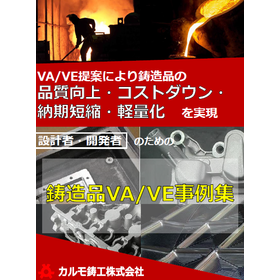
At Karmo Casting, which operates aluminum casting and machining solutions, we have achieved quality improvement, cost reduction, shortened delivery times, and weight reduction through VA/VE proposals based on years of accumulated technology and achievements in industries such as transportation, including automotive and aerospace, as well as in the semiconductor and telecommunications equipment sectors. This document summarizes such case studies to provide hints for designers and developers considering product improvements. Please feel free to download it. [Contents] ■ About aluminum casting ■ Quality improvement case studies ■ Cost reduction case studies ■ Delivery time reduction case studies ■ Weight reduction case studies ■ About Karmo Casting Co., Ltd. *For more details, please download the PDF or feel free to contact us.
Added to bookmarks
Bookmarks listBookmark has been removed
Bookmarks listYou can't add any more bookmarks
By registering as a member, you can increase the number of bookmarks you can save and organize them with labels.
Free membership registration
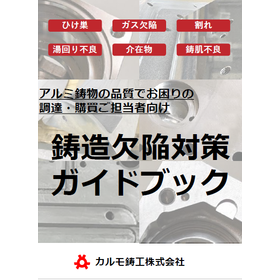
At Karmo Casting, which operates aluminum casting and machining solutions, we have established a system to prevent casting defects and have resolved our customers' quality challenges. This document summarizes the causes and countermeasures for casting defects, as well as actual case studies, aimed at procurement and purchasing personnel who are struggling with the quality of aluminum castings. Please feel free to download it. [Contents (partial)] ■ About casting defects ■ Causes/countermeasures and case studies for shrinkage cavities ■ Causes/countermeasures and case studies for gas defects (blowholes, pinholes, and blowouts) ■ Causes/countermeasures and case studies for cracks ■ Causes/countermeasures and case studies for poor metal flow, metal wrinkles, and metal boundaries *For more details, please download the PDF or feel free to contact us.
Added to bookmarks
Bookmarks listBookmark has been removed
Bookmarks listYou can't add any more bookmarks
By registering as a member, you can increase the number of bookmarks you can save and organize them with labels.
Free membership registration
The defect rate of castings requested from other companies is not decreasing. The defects in mass-produced items are not stopping. Even when we request countermeasures, we receive the response, 'It's difficult because it's casting'—this is the most common consultation received from the procurement and quality assurance departments. Casting defects cannot be resolved without identifying the causes in the casting plan, sand, melting conditions, mold coating, and temperature. Factories that only have a single casting process cannot perform this differentiation. Our company has five casting processes in-house: sand mold, self-hardening, alkaline phenolic, cold box, and metal molds. Based on numerous casting simulation results, we predict the location of defects at the design stage. Since both wooden and metal molds are produced in-house, we can handle everything from plan changes to remanufacturing internally. [Results Achieved] Over 100 problem-solving cases / 100 companies and 500 items in the last 5 years ■ Major machinery manufacturer: defect rate over 80% → less than 5% ■ Marine valve case: shrinkage defect 70% → about 5% ■ Resolved pouring defects in communication equipment frames, pinholes in industrial machinery frames, and inclusions and casting surface defects in generator control cases. We are offering a free copy of the 'Aluminum Casting Defect Countermeasure Guidebook,' which summarizes countermeasures by cause.
Added to bookmarks
Bookmarks listBookmark has been removed
Bookmarks listYou can't add any more bookmarks
By registering as a member, you can increase the number of bookmarks you can save and organize them with labels.
Free membership registration
We would like to introduce a case study that addresses issues such as blade angle, shrinkage defects, and mold misalignment in engine parts. There are 11 sand molds placed inside the blades, but they are set in one go using a dedicated jig, ensuring that the blade angles do not shift. The aluminum pouring process is simulated and analyzed to standardize the quantity and speed of pouring using a wooden pattern, maintaining the same conditions each time. Additionally, because the mold alignment is precise, there is very little burr formation, significantly reducing the time required for manual finishing. 【Case Overview】 ■ Size: L600×W400×H250mm ■ Material: AC4B-F ■ Industry: Generator ■ Product Name: Generator-related parts ■ Process: Cold core → Flask core → Self-hardening → Finishing → Heat treatment → Measurement → Inspection ■ Delivery Time: 2 weeks ■ Lot Size: From 1 piece *For detailed information about the case, please refer to the related links. For more information, feel free to download the PDF or contact us.
Added to bookmarks
Bookmarks listBookmark has been removed
Bookmarks listYou can't add any more bookmarks
By registering as a member, you can increase the number of bookmarks you can save and organize them with labels.
Free membership registration
Here is an example of aluminum castings used as doors for control equipment. The challenge was "tapping hole processing and groove processing in thin-walled structures." Due to the limited wall thickness for tapping hole processing, we optimized the depth of the pilot hole and the treatment of the bottom end of the tap to prevent breakthrough. For groove processing, it was necessary to create narrow grooves in the thin-walled sections, taking into account the balance between tool rigidity and cutting resistance. We adjusted the tool rotation speed and feed conditions to minimize deformation and burr formation. 【Case Overview】 ■ Size: L500×W400×H200mm ■ Material: AC4B-F ■ Industry: Semiconductor and Communication Equipment ■ Product Name: Control Equipment Parts ■ Process: Self-hardening → Finishing → Processing → Inspection ■ Delivery Time: 2 weeks ■ Lot Size: From 1 piece *For detailed information about the case, please refer to the related links. For more information, feel free to download the PDF or contact us.
Added to bookmarks
Bookmarks listBookmark has been removed
Bookmarks listYou can't add any more bookmarks
By registering as a member, you can increase the number of bookmarks you can save and organize them with labels.
Free membership registration
Here is an example of a product primarily used as a railway component. This product's casting utilizes six cores, resulting in a complex and intricate internal shape. Additionally, it has multiple holes and features both thick and thin areas, making it prone to issues like shrinkage cavities. However, by carefully refining the design, we have been able to resolve these problems. 【Case Overview】 ■ Size: L100×W100×H50mm ■ Material: AC4CH-T6 ■ Industry: Railway ■ Product Name: Railway Component ■ Process: Core → Self-hardening → Finishing → Heat Treatment → Inspection ■ Delivery Time: 2 weeks ■ Lot Size: Starting from 1 piece *For more detailed information about this case, please refer to the related links. For further details, feel free to download the PDF or contact us.
Added to bookmarks
Bookmarks listBookmark has been removed
Bookmarks listYou can't add any more bookmarks
By registering as a member, you can increase the number of bookmarks you can save and organize them with labels.
Free membership registration
Our company manufactures wooden molds not from wood, but by machining high-performance resin materials. Resin molds have less deformation than wood and can produce highly accurate casting molds. They are less susceptible to moisture and aging, making them suitable for long-term storage. Additionally, they have excellent machinability, allowing for high-quality finishes on complex shapes. Furthermore, our high-speed machining is overwhelmingly faster than 3D printing. We have received positive feedback from many customers for both shortened delivery times and cost reductions. 【Case Overview】 ■ Size: L320×W220×H180mm ■ Material: Sanmodule ■ Industry: Other ■ Product Name: Wooden Mold ■ Process: CAM Data Creation → Machining → Inspection ■ Delivery Time: 4 days ■ Lot Size: From 1 piece *For detailed information about the case, please refer to the related link. For more details, feel free to download the PDF or contact us.
Added to bookmarks
Bookmarks listBookmark has been removed
Bookmarks listYou can't add any more bookmarks
By registering as a member, you can increase the number of bookmarks you can save and organize them with labels.
Free membership registration
Here is an example of copper alloy components used in power-related equipment. At first glance, the shape appears simple, but in actual manufacturing, there are challenges such as the tendency for gas defects and shrinkage specific to copper alloys, the risk of internal defects due to thick-walled shapes, and the necessity of optimizing casting conditions to stabilize quality. Our company addresses these issues by optimizing cooling conditions and employing flow analysis for design, which helps suppress defects. We achieve stable quality through management and finishing by skilled craftsmen. 【Case Overview】 ■ Size: L200×W150×H80mm ■ Material: AC4CH-T6 ■ Industry: Railway ■ Product Name: Railway Component ■ Process: Core → Mold → Melting → Finishing → Heat Treatment → Inspection ■ Delivery Time: 2 weeks ■ Lot Size: From 1 piece *For detailed information about the case, please refer to the related links. For more information, feel free to download the PDF or contact us.
Added to bookmarks
Bookmarks listBookmark has been removed
Bookmarks listYou can't add any more bookmarks
By registering as a member, you can increase the number of bookmarks you can save and organize them with labels.
Free membership registration
Here is an example of aluminum cast parts used in ships. Due to the small and precise nature of the products, even slight molding defects can lead to issues, requiring advanced casting technology and precise mold design. Our company has optimized the parting line (mold division) and significantly reduced the labor required for wooden pattern production. By using multi-cavity molds, we have achieved stable quality even in large lots. 【Case Overview】 ■ Size: L500×W500×H300mm ■ Material: AC2A-T6 ■ Industry: Marine ■ Product Name: Ship Parts ■ Process: Molding → Melting → Finishing → Heat Treatment → Inspection ■ Delivery Time: 2 weeks ■ Lot Size: From 1 piece *For more detailed information about the case, please refer to the related links. For more details, feel free to download the PDF or contact us.
Added to bookmarks
Bookmarks listBookmark has been removed
Bookmarks listYou can't add any more bookmarks
By registering as a member, you can increase the number of bookmarks you can save and organize them with labels.
Free membership registration
Here is an example of aluminum cast parts used in agricultural machinery. These are critical components that require high precision and durability to function reliably even in harsh environments. During the finishing process, excess material is carefully removed while maintaining the curvature of the surface. Even slight distortions or deformations can lead to defects, so skilled technicians combine manual work with machining to achieve high-precision finishes. 【Case Overview】 ■ Size: L200×W100×H100mm ■ Material: AC4A-T6 ■ Industry: Agricultural Machinery ■ Product Name: Agricultural Equipment Parts ■ Process: Molding Alkali → Finishing → Heat Treatment → Machining → Maintenance → Measurement Inspection ■ Delivery Time: 2 weeks ■ Lot Size: From 1 piece *For more detailed information about the case, please refer to the related links. For further details, feel free to download the PDF or contact us.
Added to bookmarks
Bookmarks listBookmark has been removed
Bookmarks listYou can't add any more bookmarks
By registering as a member, you can increase the number of bookmarks you can save and organize them with labels.
Free membership registration
Here is an example of aluminum casting parts for automobiles. Automotive parts require safety and durability, so high precision and stable quality are essential. This product has a very small R shape (curve), making it difficult to mold, and filling the sand mold is challenging with just conventional machine molding. Our company provides high-quality cast products consistently through a hybrid process of machining and manual work. 【Case Overview】 ■ Size: L450×W320×H290mm ■ Material: AC4B-T6 ■ Industry: Automotive ■ Product Name: Automotive Parts ■ Process: Cold → Green Sand → Finishing → Heat Treatment ■ Delivery Time: 2 weeks ■ Lot Size: From 1 piece *For more details about the case, you can view it through the related link. For more information, please download the PDF or feel free to contact us.
Added to bookmarks
Bookmarks listBookmark has been removed
Bookmarks listYou can't add any more bookmarks
By registering as a member, you can increase the number of bookmarks you can save and organize them with labels.
Free membership registration
Here is an example of copper alloy cast parts used in power-related equipment. Power components require "safety, reliability, and durability," making high casting technology and quality control essential. Our company achieves stable fillability and high quality through appropriate runner design using flow simulation and thorough management of casting conditions (temperature, pressure, speed). 【Case Overview】 ■ Size: L200×W180×H80mm ■ Material: CAC406 ■ Industry: Others ■ Product Name: Brake Parts ■ Process: Sand Mold → Melting → Finishing → Inspection ■ Delivery Time: 2 weeks ■ Lot Size: From 1 piece *For detailed information about the case, please refer to the related links. For more information, feel free to download the PDF or contact us.
Added to bookmarks
Bookmarks listBookmark has been removed
Bookmarks listYou can't add any more bookmarks
By registering as a member, you can increase the number of bookmarks you can save and organize them with labels.
Free membership registration
Here is an example of aluminum cast parts used in industrial machinery. Due to its thin wall thickness and small corner radii, this product requires high molding technology and stable quality control. To accurately reproduce the rib shape, special attention is paid to the sand filling and extraction processes during molding. In the finishing process, precise manual work is carried out to prevent excessive polishing that could deform the thin-walled shape. 【Case Overview】 ■ Size: L150×W120×H100mm ■ Material: AC4CH-T6 ■ Industry: Railway ■ Product Name: Railway Vehicle Parts ■ Process: Molding self-hardening → Melting → Finishing → Heat Treatment ■ Delivery Time: 2 weeks ■ Lot Size: From 1 piece *For more detailed information about the case, please refer to the related links. For more details, feel free to download the PDF or contact us.
Added to bookmarks
Bookmarks listBookmark has been removed
Bookmarks listYou can't add any more bookmarks
By registering as a member, you can increase the number of bookmarks you can save and organize them with labels.
Free membership registration
At Karmo Casting Co., Ltd., we engage in aluminum processing, aluminum casting, and the casting of copper alloys other than aluminum. We also accommodate small lots, including the creation of prototypes and wooden and metal molds, so please feel free to consult us if you have any questions regarding aluminum alloy cutting, machining, or casting. 【Business Activities】 ○ Manufacturing of non-ferrous metal castings (copper alloys, aluminum alloys) ○ Machining ○ Production of wooden and metal molds *For more details, please request our materials or view the PDF data available for download.
Added to bookmarks
Bookmarks listBookmark has been removed
Bookmarks listYou can't add any more bookmarks
By registering as a member, you can increase the number of bookmarks you can save and organize them with labels.
Free membership registration