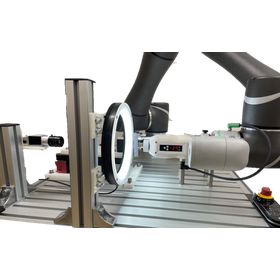
Reasons why the automation of visual inspection fails and three areas to address first.
The reasons for the failure of automating visual inspections often lie not in the judgment mechanism itself, but in three areas: the method of capturing images, the standards used, and the fluctuations in the field. Defects may not be captured in the images, the boundary between good and bad may differ from person to person, and the lighting and transport conditions during the actual operation may differ from those during testing. These three factors can be verified before creating the equipment. 【Key Points】 ■ The causes of failure lie before the judgment mechanism. ■ Defects that are not captured and inconsistent standards cannot be corrected through adjustments in judgment. ■ If something works during testing but fails in practice, it is because the fluctuations in the field have not been considered. *For detailed explanations, please refer to the technical notes and downloadable materials linked in the related links.

Inquire About This Product
basic information
**Contents of this Technical Note** - The cause of failure lies before AI - Failures gather in three areas - Failures in the way of capturing: defects that are not visible cannot be detected - Failures based on standards: judgments that break can also break with machines - Failures due to fluctuations on-site: tests and actual conditions are different - Even if the three areas are corrected, there are inspections that are difficult to automate - Things to confirm before startup **Consultation** I will confirm and respond whether it can be measured or captured with the work at hand using the actual item. Please consult with one photo.
Price information
The technical notes can be read by anyone from the related links. We will discuss the costs of development and testing based on the details you provide.
Delivery Time
※It varies depending on the content. Please contact us.
Applications/Examples of results
【Frequently Asked Questions】 Q. My current inspection device is producing too many false positives. Will replacing the AI fix it? A. It often does not fix the issue. We first check if there are defects in the images or if the standards are aligned. If it's a problem with how the images are taken, changing the judgment will not help. Q. Why does it work during testing but fail during the actual operation? A. The lighting and transport conditions that were aligned during testing are not aligned during the actual operation. We will check each factor one by one, including external light, dirt, and variations in speed. Q. Is there a way to continue using a malfunctioning device? A. Sometimes improvements can be made just by reviewing how the images are taken. We will look at the current images and advise whether it should be corrected from the front or if just changing the judgment is sufficient.
catalog(1)
Download All Catalogs
Company information

We specialize in 2D and 3D inspection and measurement technologies using cameras. We possess a wide range of knowledge in optics, mechanics, electronics, and software, enabling us to provide technical support for both hardware and software. Not only do we have personnel with experience working as researchers at image inspection device manufacturers, major electronic component manufacturers, and universities, but we also have numerous successful implementations of developed products in actual production environments, making our ability to adapt advanced technology to on-site needs a strong point. Additionally, we are skilled not only in developing proprietary algorithms but also in using off-the-shelf products such as image processing controllers from Keyence and Omron, allowing us to excel in selecting and utilizing the most suitable equipment for specific needs. In recent years, while AI technology has garnered attention, there are cases where utilizing 2D and 3D technologies can be implemented more easily than AI, and cases where optical devices and mechanical jigs can improve performance and reduce software load. We offer services related to image systems, including "equipment selection," "implementation support," "performance improvement of existing equipment," "technology development," and "joint development," so please feel free to consult with us first.