Rapid growth trend! What is the secret to the capryloyl glycine market size exceeding 102 million USD by 2026?
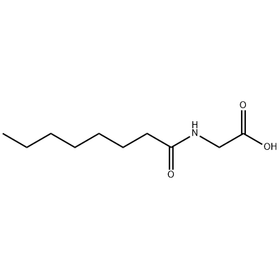
What is Capryloyl Glycine Capryloyl Glycine is a functional ingredient composed of a fatty acid moiety derived from caprylic acid and the amino acid glycine. In cosmetics, it is used for purposes such as surfactancy, skin conditioning, and sebum regulation. Depending on the formulation design, it can also play a role in supporting preservation systems and is increasingly adopted in a wide range of products including facial cleansers, toners, serums, creams, and shampoos. Global Market Size of Capryloyl Glycine According to the latest research report published by Global Reports titled "Global Market Size, Share, Company Rankings, Sales, and Demand Trend Forecast for Capryloyl Glycine (2026-2032)," the global market size for Capryloyl Glycine is expected to expand from approximately 94.55 million USD in 2025 to about 100.2 million USD in 2026, with an average annual growth rate (CAGR) of 8.2% from 2026 to 2032, reaching approximately 163 million USD by 2032. The growth is supported by increasing demand for sebum control, acne-prone skin care, scalp care, and low-irritation formulations.
Inquire About This Product
basic information
Functions and Formulation Strengths of Capryloyl Glycine The characteristics of capryloyl glycine lie in its ability to assist in regulating sebum secretion and its antibacterial properties, as well as its compatibility with other surfactants, moisturizing ingredients, preservatives, and plant extracts. Particularly for products aimed at skin that is concerned about greasiness and the visibility of pores due to sebum, it is important to design formulations that consider the burden on the skin, rather than relying solely on cleansing power. Capryloyl glycine is positioned as a candidate ingredient that imparts functionality to such products. Moreover, in the preservation design of cosmetics, in addition to increasing the amount of a single component, the approach of combining multiple ingredients to achieve both microbial control and user experience is emphasized. In the utilization of capryloyl glycine, evaluations that take into account the blending concentration, pH, interactions with other components, and storage conditions of the product are essential. It is crucial to distinguish the functionality of the ingredient itself from the overall performance of the product and to verify efficacy and safety in the final formulation, as this is a prerequisite for expanding its adoption.
Price range
Delivery Time
Applications/Examples of results
Expansion of Applications in Sebum Care and Scalp Care Fields Promising applications of capryloyl glycine include serums for acne-prone skin, emulsions that control sebum, scalp lotions, and shampoos. For products aimed at oily skin, it is important to balance addressing excessive sebum with consideration for the skin condition after cleansing. In scalp care, addressing concerns related to sebum and dandruff can lead to differentiation. "LIPACIDE C8G," developed by the French company Seppic, is also an example of a product that promotes sebum regulation, skin and scalp care, and preservative assistance.
Company information

Global Reports integrates industrial information from around the world and provides highly accurate market intelligence to support corporate decision-making. We deliver in-depth analyses based on numerical data and facts, including market size, share, industry structure, price trends, growth forecasts, rankings of major companies, and competitive trends, with clear information categorized by country, region, and application. Leveraging a rich database that has supported the business growth of over 65,000 companies and an international research network, we accompany our clients in their global expansion and continuous growth.