What is building drinking water testing? Management and records under the Building Sanitation Act [Basic Knowledge]

Is it not just the end after the inspection? The drinking water for specified buildings involves a continuous process that includes notification, appointment of a manager, and record-keeping.
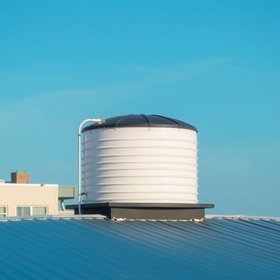
The Building Sanitation Act (Law on Ensuring Sanitary Environments in Buildings) designates certain buildings used by many people as "specified buildings" and establishes standards for the maintenance and management of air quality, water supply and drainage, cleaning, and more. The inspection of drinking water in buildings is part of this management system. ■ Does bath water count as drinking water? The enforcement regulations define drinking water as water used for living purposes, such as drinking, cooking, and bathing (excluding bathing in inns). Water used for cooking and bathing, in addition to drinking water, is subject to the same management standards. ■ Are condominiums included? The government ordinance lists uses considered as specified buildings, including theaters, department stores, shops, offices, schools, and inns, but does not include residential buildings. If a condominium's water tank receives only tap water and has a usable capacity exceeding 10 cubic meters, it will be managed as a simple dedicated water supply under the Water Supply Act. ■ If it's not included, is no action required? The law requires that even buildings not classified as specified buildings, if used by many people, should be maintained and managed according to the same standards by those who have the authority to manage them, such as owners. Please feel free to consult with us first.
Inquire About This Product
basic information
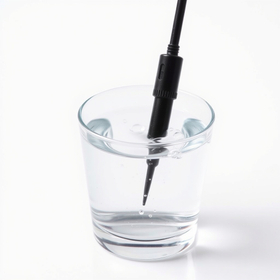
■First, Notification and Appointment Owners of specific buildings must notify the governor of the prefecture (or the mayor or ward chief in cities or special wards with health centers) within one month from the date they begin using the building, providing details such as the location, purpose, total floor area, and the name of the building environmental sanitation management technician. ■What does a management technician do? The building environmental sanitation management technician is selected from among those who hold a license for each specific building and supervises to ensure that maintenance and management are conducted according to standards. When necessary, they can express opinions to the owner or others, who are obligated to respect those opinions. ■How much chlorine is in the tap water? In the water from the supply faucet, free residual chlorine should be maintained at 0.1 mg/L or more, and if measuring combined residual chlorine, it should be 0.4 mg/L or more. If there is a risk of severe contamination by pathogenic organisms, these levels should be raised to 0.2 mg/L or more and 1.5 mg/L or more, respectively. ■What to do if you notice something unusual? If you notice any unusual color, turbidity, odor, or taste in the water coming from the faucet, select the necessary items from the water quality standards and conduct tests. If you become aware of a risk to human health, immediately stop the water supply and inform relevant parties of the danger.
Price range
Delivery Time
Applications/Examples of results
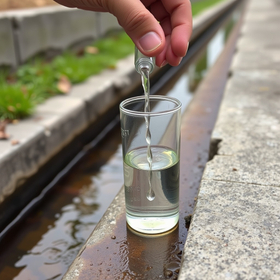
■ There are standards for toilet water! Water used for miscellaneous purposes, such as rainwater, is also required to maintain and test free residual chlorine. 1. For irrigation, landscaping, and cleaning: pH value, odor, and appearance must be checked every 7 days; E. coli and turbidity must be checked every 2 months. 2. For flush toilets: pH value, odor, and appearance must be checked every 7 days; E. coli must be checked every 2 months. Water used for miscellaneous purposes sourced only from tap water is exempt. ■ Records must be kept for 5 years Records of measurements, test results, and the status of equipment inspections and maintenance must be kept for 5 years. Floor plans of the building and diagrams showing the system of equipment must also be provided. ■ Who is subject to penalties? Maintaining management according to the standards is mandatory (Article 4, Paragraph 1 of the law). Violations related to notifications, appointments, record-keeping, inspections, and improvement orders are subject to fines (up to 300,000 yen). If there is a risk of harming health due to non-compliance with the standards, the governor can issue improvement orders or suspend the use of the equipment. ■ Registration system for businesses Businesses that conduct water quality testing for drinking water or cleaning of water storage tanks can register with the governor for each office, and registered offices can display titles such as "Registered Building Drinking Water Quality Testing Business." Torii also offers cleaning of water storage tanks and drinking water quality testing. Please feel free to consult with us first.
catalog(2)
Download All Catalogs

Company information

Since our founding, we have continued to provide flexible services with the motto of accurately supplying a diverse range of products that respond to changes in the times and the diversification of consumer needs, tailored to various applications and requirements. With the corporate slogan "Chemical Engineering Partner," we, as a group of experts in chemical technology, actively discover ideas to solve our customers' problems from advanced technologies both domestically and internationally, and propose them.