
List of others products
- classification:others
6301~6345 item / All 68022 items


Reduce the workload from handling heavy objects! Here are five case studies that solved customer challenges! We are also accepting free consultations and tests tailored to your work!

- Other conveying machines


Amino acid-derived natural cationic polymer that can be used in food preservatives, hygiene materials, and daily necessities. It is a safe material as it is a fermentation product produced by natural ...


- Shelf life enhancer

Introduction of the preservative polylysine / fermented polyamino acids that contribute to food poisoning prevention.
We provide easy-to-understand materials explaining the natural preservative polylysine, which prevents food poisoning. ε-Polylysine (hereafter referred to as polylysine) is an amino acid-derived preservative widely used as a food preservative. By adding polylysine, the growth of microorganisms that cause food poisoning can be prevented. Every year, food poisoning caused by microorganisms is a significant issue and is frequently reported in the news. Even foods that do not appear to be spoiled can rapidly proliferate microorganisms if the growth environment is suitable, so caution is necessary. Even if something looks clean, contamination by bacteria can progress, posing a risk of food poisoning. By ensuring hygiene management during the manufacturing process, proper storage at appropriate temperatures, and the appropriate use of the preservative polylysine, food safety can be more effectively protected. 【Features】 ■ A safe material produced through fermentation by natural microorganisms (not genetically modified organisms) ■ Provides a good image as a natural fermented product ■ Listed in the existing additive registry as a food preservative ■ A safe domestic product *Please feel free to contact us.
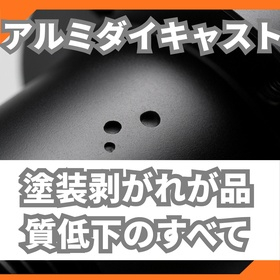

The cause of paint peeling is poor adhesion. By simultaneously optimizing degreasing and chemical treatment, the occurrence rate can be reduced by 99 percent.
- others

The cause of color unevenness is the variation in film thickness. Managing it within plus or minus 30 microns can reduce it by 90 percent.
- others
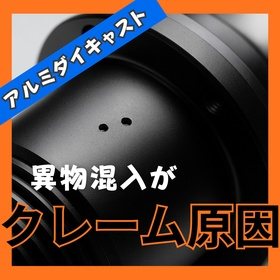
70 percent of foreign matter contamination is caused by the cleaning process. It is possible to reduce it by 99 percent through filter replacement and cleaning solution management.
- others

The cause of gloss unevenness is the difference in film thickness and drying speed. By managing the drying time within plus or minus 5 minutes, the improvement rate is 80 percent.
- others
Identify the poor adhesion caused by insufficient degreasing. Explanation of the important process.
- others
Insufficient degreasing leads to poor adhesion. Explaining the importance of often-overlooked processes.
- others
Identify adhesion failures caused by insufficient degreasing. Explain the importance of the often-overlooked degreasing process.
- others
The paint peeling that does not improve even after reviewing the baking temperature. I will explain the relationship with the often-overlooked previous processes.
- others

The degreasing process, which is often overlooked in pinhole prevention measures, will be explained in terms of how residual oil can lead to a decline in quality.
- others
Insufficient drying after cleaning may be the cause of pinholes. I will explain the defects caused by residual moisture.
- others
Blister defects may be caused by insufficient chemical treatment. I will explain the importance of adhesion and corrosion resistance.
- others
Even if there are no visible issues at the time of shipment, I will explain the causes of red rust appearing during storage or after delivery.
- others
Small holes in the coating may be caused by the surface of the material or the drying conditions.
- others
The blemishes and debris on the painted surface are caused not only by the painting booth but also by the processes before and after.
- others
Color variations and uneven coloring are influenced not only by the paint but also by film thickness and drying conditions.
- others

Before changing the paint, check the three pre-treatment items for peeling during assembly. We will organize the causes of poor adhesion from a field perspective.
- others
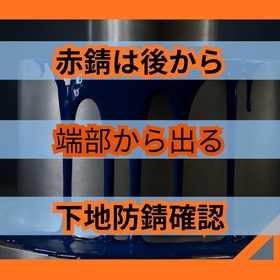
Even if the product is in good condition at the time of shipment, red rust may appear after two weeks. We will explain the management of the substrate at the edges, holes, and welds.
- others
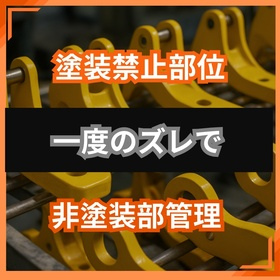
Paint adhesion to the screw parts or contact points can lead to assembly defects or electrical conduction issues, even if it occurs in just one location.
- others
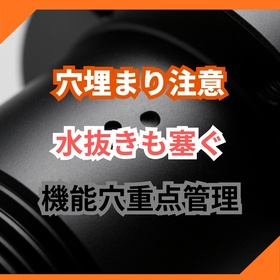
Clogging of bolt holes and drainage holes is an important issue that can lead to both assembly defects and the recurrence of rust.
- others

The cause of paint peeling in metal baked coatings may not be the paint itself. This explains the poor adhesion due to insufficient pretreatment.
- others
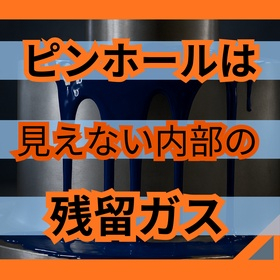
Pinholes that occur in metal baked coatings. This will clearly explain the relationship with internal gases and pre-treatment.
- others

Blisters that occur in metal baked coatings. This explains the corrosion that progresses within the paint film and the importance of pre-treatment.
- others

What causes poor adhesion in metal baked coatings? This explains the key points for improving quality by reviewing the pretreatment process.
- others

Why is thinner necessary for metal baking paint? I will explain the differences and roles in an easy-to-understand manner.
- others

How does a low amount of thinner affect the quality of the paint? This explains the typical defects and the importance of proper dilution.
- others

Parts that had no issues at the time of shipment are now blistering in the market. We will uncover the mystery of blisters that occur after a long period of time.
- others

Even though it is baked at the specified temperature, is the hardness insufficient? The truth about the invisible temperature unevenness occurring inside the drying oven.
- others

Even after replacing the filter, the debris doesn't decrease. The truth about work clothes and the attraction of foreign objects due to static electricity, which tends to be overlooked.
- others
Stickiness is not a minor discomfort; it is a serious quality defect caused by insufficient curing or excessive film thickness.
- others

Paint drips are more likely to occur when the three conditions of viscosity, film thickness, and component orientation are disrupted.
- others

Peeling of aluminum die-cast paint occurs due to insufficient management of oil content, voids, and surface conditions.
- others

In an era where paint, energy, and labor costs are rising, effective process management to reduce repainting is essential.
- others

The highest level of "zinc phosphate coating treatment" as a pre-treatment for painting.
- others

One window, all solutions. Comprehensive support from pre-processing to delivery.
- others

The true nature of poor adhesion lies in "pre-treatment" and "invisible dirt."
- others

Unseen factors within the material cause troubles.
- others

The deviation in coating conditions greatly affects the finish.
- others

Reviewing the work environment is the key to quality improvement.
- others

The surface preparation greatly affects durability.
- others

By reviewing the preprocessing, defects can be significantly reduced.
- others
Film thickness and drying management affect quality.
- others

The key points are the coating amount and viscosity management.
- others

Explanation of countermeasures for poor adhesion and paint peeling due to the unique oxide film of aluminum.
- others