1~45 item / All 859 items
Displayed results

Added to bookmarks
Bookmarks listBookmark has been removed
Bookmarks listYou can't add any more bookmarks
By registering as a member, you can increase the number of bookmarks you can save and organize them with labels.
Free membership registration
Contact this company
Inquiry Form1~45 item / All 859 items
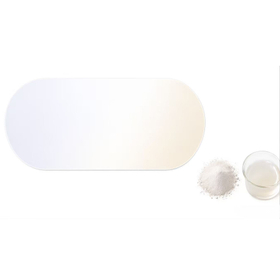
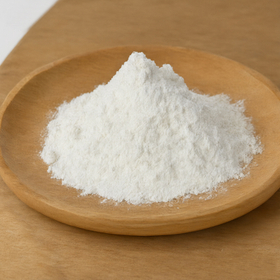
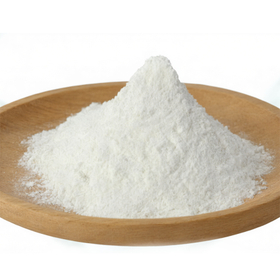
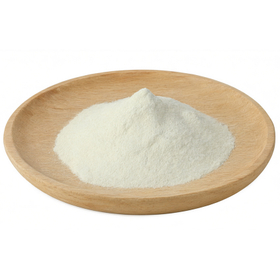
Natural colorant emulsions are coloring agents prepared using emulsification technology with naturally derived pigments. Unlike typical vibrant natural colorant blends, they are designed to focus on products that express milky white or pale tones. We consider the formulation based on the application, characteristics of the final product, and desired color tone, and we offer natural colorants for various fields such as food, health foods, cosmetics, and personal care products. The selection of natural pigments and formulation design is carried out considering the raw materials used, product formulation, and manufacturing processes. You can also consult us about color tones and product specifications tailored to your needs.
Added to bookmarks
Bookmarks listBookmark has been removed
Bookmarks listYou can't add any more bookmarks
By registering as a member, you can increase the number of bookmarks you can save and organize them with labels.
Free membership registration
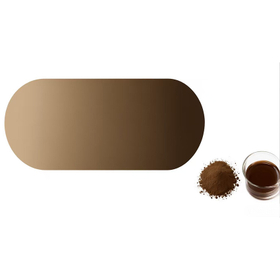
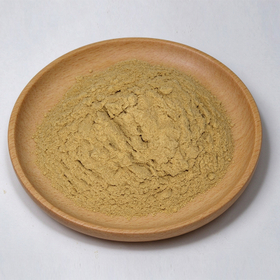
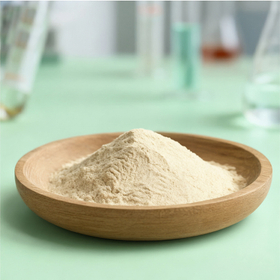
Natural tea colorant complex formulations combine multiple natural pigments to design brownish hues tailored to specific applications and product characteristics. They meet coloring needs across a wide range of fields, including food, health supplements, pharmaceuticals, tobacco, cosmetics, personal care products, and textiles and apparel. Available in both powder and liquid forms, these formulations can be customized to match the product form, manufacturing processes, and usage methods of our customers. When a single natural pigment cannot meet the desired hue or usage conditions, we can adjust the combinations and ratios of pigments to propose a brownish formulation that meets your needs. Additionally, by designing formulations that combine multiple natural pigments, we can address challenges such as light resistance and heat resistance, which are difficult to achieve with single pigments, aiming for improved performance. Actual performance may vary based on the type of pigment, formulation, pH, processing conditions, and storage environment. From standard natural tea colorants to custom blends in powder and liquid forms, we provide application solutions for natural pigments tailored to our customers' requirements.
Added to bookmarks
Bookmarks listBookmark has been removed
Bookmarks listYou can't add any more bookmarks
By registering as a member, you can increase the number of bookmarks you can save and organize them with labels.
Free membership registration
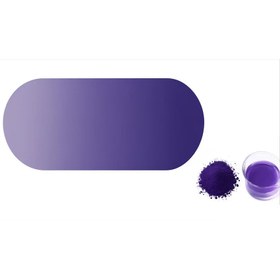
Natural purple pigment composite formulations are natural colorants that combine multiple natural pigments to design purple hues tailored to specific applications and product characteristics. They meet coloring needs across a wide range of fields, including food, health supplements, pharmaceuticals, tobacco, cosmetics, personal care products, and textiles and apparel. These formulations are available in both powder and liquid types and can be customized to fit the customer's product form, manufacturing process, and usage methods. When a single natural pigment cannot meet the desired hue or usage conditions, we can adjust the combination and blending ratios of pigments to propose a purple formulation that meets your requirements. Additionally, by designing blends that combine multiple natural pigments, we can address challenges such as lightfastness and heat resistance that are difficult to achieve with single pigments, aiming for improved formulation design. Actual performance may vary based on factors such as the type of pigment, blending, pH, processing conditions, and storage environment. From standard natural purple pigments to custom blends in powder and liquid forms, we provide application solutions for natural pigments tailored to your needs.
Added to bookmarks
Bookmarks listBookmark has been removed
Bookmarks listYou can't add any more bookmarks
By registering as a member, you can increase the number of bookmarks you can save and organize them with labels.
Free membership registration
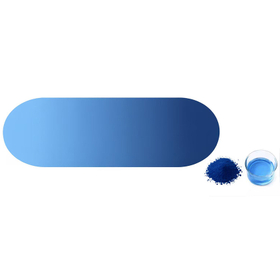
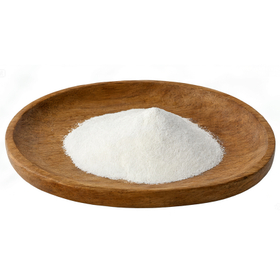
Natural blue pigment composite formulations are natural colorants that combine multiple natural pigments to design blue shades tailored to specific applications and product characteristics. They meet coloring needs across a wide range of fields, including food, health supplements, pharmaceuticals, tobacco, cosmetics, personal care products, textiles, and apparel. They are available in both powder and liquid forms and can be customized to suit the customer's product format, manufacturing processes, and usage methods. When a single natural pigment cannot meet the desired shade or usage conditions, we can adjust the combination and blending ratios of pigments to propose a blue formulation that meets your requirements. Additionally, by designing blends that combine multiple natural pigments, we can aim to improve challenges such as lightfastness and heat resistance, which may be difficult to address with single pigments. Actual performance may vary based on factors such as the type of pigment, formulation, pH, processing conditions, and storage environment. From standard natural blue pigments to custom blends in powder and liquid forms, we provide application solutions for natural pigments tailored to your needs.
Added to bookmarks
Bookmarks listBookmark has been removed
Bookmarks listYou can't add any more bookmarks
By registering as a member, you can increase the number of bookmarks you can save and organize them with labels.
Free membership registration
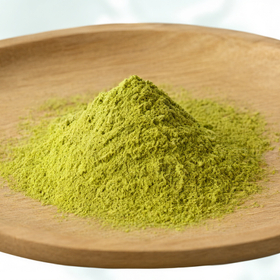
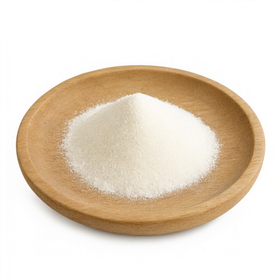
Natural green pigment complex formulations are natural colorants that combine multiple natural pigments to design green hues tailored to the application and characteristics of the product. They meet coloring needs across a wide range of fields, including food, health foods, pharmaceuticals, tobacco, cosmetics, personal care products, and textiles and apparel. They are available in both powder and liquid forms and can be customized according to the customer's product type, manufacturing process, and usage methods. When a single natural pigment cannot meet the desired hue or usage conditions, we can adjust the combination and blending ratios of pigments to propose a green formulation that meets your needs. Additionally, by designing blends that combine multiple natural pigments, we can aim to improve challenges such as lightfastness and heat resistance, which are difficult to address with single pigments. Actual performance may vary depending on factors such as the type of pigment, formulation, pH, processing conditions, and storage environment. From standard natural green pigments to custom blends in powder and liquid forms, we provide application solutions for natural pigments tailored to your requirements.
Added to bookmarks
Bookmarks listBookmark has been removed
Bookmarks listYou can't add any more bookmarks
By registering as a member, you can increase the number of bookmarks you can save and organize them with labels.
Free membership registration
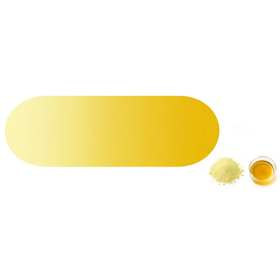
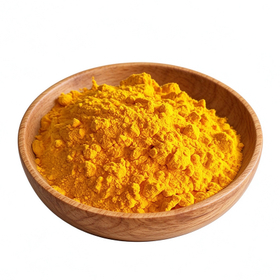
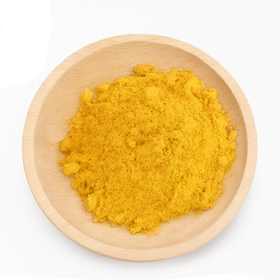
Natural yellow pigment complex formulations are natural colorants that combine multiple natural pigments to design yellow hues tailored to specific applications and product characteristics. They meet coloring needs across a wide range of fields, including food, health supplements, pharmaceuticals, tobacco, cosmetics, personal care products, and textiles and apparel. These formulations are available in both powder and liquid types and can be customized to fit the customer's product form, manufacturing process, and usage methods. When a single natural pigment cannot meet the desired hue or usage conditions, we can adjust the combination and blending ratios of pigments to propose yellow formulations that meet your requirements. Additionally, by designing blends that combine multiple natural pigments, we can address challenges such as lightfastness and heat resistance that are difficult to achieve with single pigments, aiming for improved formulation design. Actual performance may vary depending on the type of pigment, blending, pH, processing conditions, and storage environment. From standard natural yellow pigments to custom blends in powder and liquid forms, we provide application solutions for natural pigments tailored to your needs.
Added to bookmarks
Bookmarks listBookmark has been removed
Bookmarks listYou can't add any more bookmarks
By registering as a member, you can increase the number of bookmarks you can save and organize them with labels.
Free membership registration
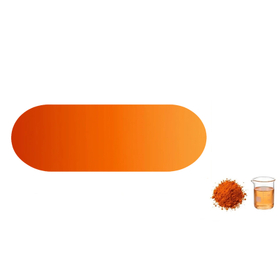
Natural orange colorant complex formulations are natural colorants that combine multiple natural pigments to design an orange color tailored to the application and product characteristics. They meet coloring needs across a wide range of fields, including food, health supplements, pharmaceuticals, tobacco, cosmetics, personal care products, and textiles and apparel. They are available in both powder and liquid forms and can be customized to suit the customer's product form, manufacturing process, and usage methods. When a single natural pigment cannot meet the desired color tone or usage conditions, we can adjust the combination and blending ratios of pigments to propose an orange formulation that meets your needs. Additionally, by designing formulations that combine multiple natural pigments, we can aim to improve challenges such as lightfastness and heat resistance that are difficult to address with single pigments. Actual performance may vary depending on the type of pigment, formulation, pH, processing conditions, and storage environment. From standard natural orange pigments to custom blends in powder and liquid forms, we provide application solutions for natural pigments tailored to our customers' requests.
Added to bookmarks
Bookmarks listBookmark has been removed
Bookmarks listYou can't add any more bookmarks
By registering as a member, you can increase the number of bookmarks you can save and organize them with labels.
Free membership registration
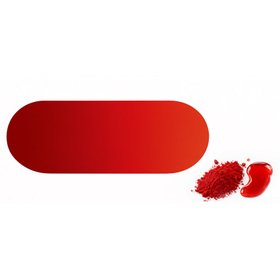
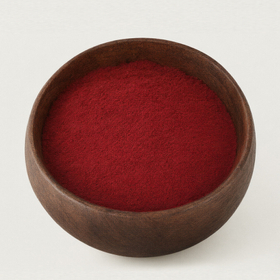
Natural red pigment composite formulations are natural colorants that combine multiple natural pigments to design a red color according to the application and product characteristics. They meet coloring needs across a wide range of fields, including food, health supplements, pharmaceuticals, tobacco, cosmetics, personal care products, and textiles and apparel. They are available in both powder and liquid forms and can be customized to fit the customer's product form, manufacturing process, and usage methods. When a single natural pigment cannot meet the desired color tone or usage conditions, we can adjust the combination and blending ratios of pigments to propose a natural red formulation that meets your needs. Additionally, by designing formulations that combine multiple natural pigments, we can address challenges such as lightfastness and heat resistance, which are difficult to achieve with single pigments, aiming for improved formulation design. Actual performance may vary depending on factors such as the type of pigment, blending, pH, processing conditions, and storage environment. From standard natural red pigments to custom blends in powder and liquid forms, we provide application solutions for natural pigments tailored to our customers' requests.
Added to bookmarks
Bookmarks listBookmark has been removed
Bookmarks listYou can't add any more bookmarks
By registering as a member, you can increase the number of bookmarks you can save and organize them with labels.
Free membership registration
Coenzyme Q10 granulated products are raw materials processed into granule form from coenzyme Q10. By utilizing granulation technology to convert powdered raw materials into granules, we aim to improve ease of handling and processing suitability in subsequent stages. Granulation is a technique that processes raw materials, such as powders, into granules with a specific particle size through certain processes. Representative methods include wet granulation using binding liquids and dry granulation, which forms granules by compressing the powder. The appropriate granulation method is selected based on the physical properties of the raw materials, the required particle size, the dosage form of the final product, and the manufacturing process. Powdered raw materials may present handling difficulties in processes such as supply, mixing, filling, and compression due to particle size and physical properties. Adjusting particle form through granulation is an option to improve the flowability, handleability, and compatibility with subsequent processes of the powder. This product can be utilized when considering granulated raw materials for the development of supplements and health foods containing coenzyme Q10. Please consult us regarding granulated raw materials tailored to specific applications and manufacturing processes, including raw material design for tablets and capsules.
Added to bookmarks
Bookmarks listBookmark has been removed
Bookmarks listYou can't add any more bookmarks
By registering as a member, you can increase the number of bookmarks you can save and organize them with labels.
Free membership registration
Composite amino acid granules are products made by processing a combination of multiple amino acids into a granular form. By utilizing granulation technology, we aim to convert powdered raw materials into granules, improving ease of handling and processing suitability in subsequent stages. Granulation is a technique for processing raw materials, such as powders, into granules with a specific particle size through certain processes. Typical methods include wet granulation using binding liquids and dry granulation, which forms granules by compressing powders. The appropriate granulation method is selected based on the composition and physical properties of the raw materials, the required particle size, and the dosage form and manufacturing process of the final product. In powder products that use multiple raw materials, differences in particle size and physical properties can lead to difficulties in handling during processes such as mixing, supplying, and filling. Adjusting particle morphology through granulation can be an option to improve the flowability, handleability, and compatibility with subsequent processes of the powder. This product can be utilized in the development of raw materials for supplements and health foods containing composite amino acids, particularly when considering granular raw materials. Please consult us regarding granulation raw materials tailored to your applications and manufacturing processes, such as raw material design for tablets and capsules or the development of granular-type products.
Added to bookmarks
Bookmarks listBookmark has been removed
Bookmarks listYou can't add any more bookmarks
By registering as a member, you can increase the number of bookmarks you can save and organize them with labels.
Free membership registration
Granulated α-lipoic acid is a raw material processed into granule form from α-lipoic acid (alpha-lipoic acid, thioctic acid). By utilizing granulation technology, we aim to improve the ease of handling and processing suitability in subsequent stages by converting powdered raw materials into granules. Granulation is a technology that processes raw materials such as powders into granules with a specific particle size through certain processes. Representative methods include wet granulation using binding liquids and dry granulation, which forms granules by compressing powders. The appropriate granulation method is selected based on the physical properties of the raw materials, the required particle size, and the dosage form and manufacturing process of the final product. Powdered raw materials can present handling difficulties in processes such as supply, mixing, filling, and compression due to particle size and physical properties. Adjusting particle morphology through granulation is an option to improve the flowability, handleability, and compatibility with subsequent processes of the powder. This product can be utilized when considering granulated raw materials for the development of supplements and health foods containing α-lipoic acid. Please consult us regarding granulated raw materials tailored to applications and manufacturing processes, including raw material design for tablets and capsules.
Added to bookmarks
Bookmarks listBookmark has been removed
Bookmarks listYou can't add any more bookmarks
By registering as a member, you can increase the number of bookmarks you can save and organize them with labels.
Free membership registration
L-carnitine granules are raw materials processed into granule form using granulation technology from L-carnitine raw materials. By converting powdered raw materials into granules, we aim to improve ease of handling and processing suitability in subsequent stages. Granulation is a technology that processes raw materials, such as powders, into granules with a specific particle size through certain processes. Generally, granulation methods include wet granulation using binding liquids and dry granulation, which forms granules through compression molding. The appropriate granulation method is selected based on the physical properties of the raw materials, the characteristics required for the product, and the final application. Powdered raw materials can sometimes be difficult to handle in processes such as supply, mixing, filling, and compression due to particle size and physical properties. Adjusting the particle form through granulation is an option to improve the flowability, handleability, and compatibility with subsequent processes of the powder. This product can be utilized when considering granulated raw materials for the development of supplements and health foods using L-carnitine. Please consult us regarding the selection of granulated raw materials according to the product form and manufacturing processes, starting with raw material design for tablets and capsules.
Added to bookmarks
Bookmarks listBookmark has been removed
Bookmarks listYou can't add any more bookmarks
By registering as a member, you can increase the number of bookmarks you can save and organize them with labels.
Free membership registration
This product is an EPA and DHA-containing oil derived from algae of the Schizochytrium genus. It meets specifications with an EPA content of over 30% and a DHA content of over 30%, and can be used as a triglyceride (TG) type omega-3 fatty acid raw material for the development of supplements and health foods. The manufacturing process employs a mild extraction and concentration technique using biological enzymes to concentrate the oil components containing EPA and DHA. Furthermore, the oil is refined through a high vacuum, low temperature, and short time distillation process using molecular distillation technology. This raw material is suitable for manufacturers looking for ingredients containing a certain amount of EPA and DHA, as well as companies developing omega-3 fatty acid products that combine both components. It can also be considered as an option for those who wish to use algae-derived EPA and DHA raw materials. In addition to the standard specifications of EPA over 30% and DHA over 30%, we can also discuss specifications with modified ratios of EPA and DHA content according to product design and formulation policies.
Added to bookmarks
Bookmarks listBookmark has been removed
Bookmarks listYou can't add any more bookmarks
By registering as a member, you can increase the number of bookmarks you can save and organize them with labels.
Free membership registration
This product is an EPA and DHA-containing oil derived from algae of the Schizochytrium genus. It meets specifications of over 40% EPA and over 20% DHA, and can be used as a triglyceride (TG) type omega-3 fatty acid raw material for the development of supplements and health foods. The manufacturing process employs a mild extraction and concentration technique using biological enzymes to concentrate the lipid components containing EPA and DHA. Additionally, the oil is refined through a high vacuum, low temperature, and short time distillation process using molecular distillation technology. This raw material is suitable for manufacturers looking for EPA and DHA sources derived from algae rather than fish, as well as companies developing omega-3 fatty acid products that combine EPA and DHA. In addition to the specifications of 40% EPA and 20% DHA, we can also discuss specifications with modified ratios of EPA and DHA according to product design and formulation policies. Please utilize this for sourcing health food ingredients, supplement ingredients, and omega-3 fatty acid raw materials, as well as for formulation development.
Added to bookmarks
Bookmarks listBookmark has been removed
Bookmarks listYou can't add any more bookmarks
By registering as a member, you can increase the number of bookmarks you can save and organize them with labels.
Free membership registration
This product is a high-purity EPA algae-derived oil made from Schizochytrium species algae. It has an EPA content of 70% and a DHA content of 5%, and can be used as a triglyceride (TG type) EPA oil for the development of raw materials for supplements and health foods. The manufacturing process employs a mild extraction and concentration technique using enzymes, as well as molecular distillation technology. The high vacuum, low temperature, and short time distillation process allows for the high concentration purification of EPA. This raw material is suitable for manufacturers looking for omega-3 fatty acid raw materials centered around EPA, as well as product development personnel who wish to adjust the blending ratio of EPA and DHA. We also accept inquiries regarding specifications tailored to applications and formulation design.
Added to bookmarks
Bookmarks listBookmark has been removed
Bookmarks listYou can't add any more bookmarks
By registering as a member, you can increase the number of bookmarks you can save and organize them with labels.
Free membership registration
The feed-grade co-crystal powder is a raw material for feed applications made using carvacrol and thymol, which are known as the main active components of oregano essential oil, through co-crystallization technology to create a crystalline powder. Amino acids are used as co-forming components. Carvacrol and thymol are aromatic components found in essential oils. However, these components can be affected by volatility and oxidation, which may pose challenges in handling and stability during incorporation into feed and processing/storage. This product employs co-crystallization technology that utilizes intermolecular interactions to form a crystalline structure. By allowing essential oil-derived components to be handled as a crystalline powder, it achieves a different raw material form compared to traditional liquid essential oils. With a design aimed at high melting points and low volatility, it can be considered for incorporation into feed and manufacturing processes. Two types of specifications with different component guarantee values are available. One specification contains carvacrol at 7.5% or more and thymol at 7.5% or more, while the other specification contains carvacrol at 12.5% or more and thymol at 12.5% or more, allowing for raw material selection based on intended use and formulation design.
Added to bookmarks
Bookmarks listBookmark has been removed
Bookmarks listYou can't add any more bookmarks
By registering as a member, you can increase the number of bookmarks you can save and organize them with labels.
Free membership registration
Co-crystallized vitamin E powder is a raw material that has been crystallized into a crystalline powder using co-crystallization technology from naturally derived d-α-tocopherol. The vitamin E content is over 80%. This product aims to provide ease of handling as a solid powder and applicability in formulation design without chemically modifying the molecular structure of natural vitamin E. Since typical natural vitamin E is oily, incorporating it into tablet or powder formulations can pose challenges in terms of powdering and processing suitability. This product achieves a different form from conventional oily raw materials by transforming the oily d-α-tocopherol into a crystalline powder through co-crystallization technology. Co-crystallization technology is a method that arranges multiple solid components in a specific ratio through intermolecular interactions to form a crystalline structure. It controls the physicochemical properties of the raw material through an approach that differs from conventional microencapsulation or chemical derivatization. This product is a white solid powder designed with a focus on flowability and tabletability. It can be considered as a candidate raw material when exploring formulations that do not use dispersants or emulsifiers, as well as in the development of formulations for tablets and various supplements containing natural vitamin E.
Added to bookmarks
Bookmarks listBookmark has been removed
Bookmarks listYou can't add any more bookmarks
By registering as a member, you can increase the number of bookmarks you can save and organize them with labels.
Free membership registration
Co-crystal rutin powder is a powdered raw material crystallized through co-crystallization technology, consisting of rutin, a type of flavonoid glycoside widely found in plants, and co-formers suitable for food applications. Co-crystallization technology is a method that arranges multiple solid components in a specific ratio through non-covalent intermolecular interactions, forming a regular crystal structure. By controlling the crystal form without altering the molecular structure of the active ingredient, it aims to improve physicochemical properties such as solubility, release, and stability. Conventional rutin materials often have low solubility in water, which can pose challenges in formulation design and incorporation into food products regarding solubility and release. This product is a rutin co-crystal developed with these challenges in mind, containing over 60% rutin. It is a spherical crystalline powder designed with attention to the flowability of the powder. Since it employs a co-crystallization technology different from traditional rutin powders, it can be utilized for comparing and selecting raw materials and developing formulations for products containing rutin.
Added to bookmarks
Bookmarks listBookmark has been removed
Bookmarks listYou can't add any more bookmarks
By registering as a member, you can increase the number of bookmarks you can save and organize them with labels.
Free membership registration
Co-crystal curcumin powder is a powdered raw material crystallized through co-crystallization technology, consisting of curcumin, a plant-derived polyphenol component, and co-formers suitable for food applications. Co-crystallization technology is a method that arranges multiple solid components in a specific ratio through intermolecular interactions to form a crystal structure. The aim is to improve physicochemical properties such as solubility and stability by controlling the crystalline form, rather than altering the molecular structure of curcumin itself. Conventional curcumin raw materials often have low solubility in water and oils, which can pose challenges in formulation design and dispersion in food applications. This product addresses such issues and is developed as a curcumin raw material using co-crystallization technology. The curcumin content is over 60%. Unlike approaches that add piperine derived from pepper or dispersants and emulsifiers, this product offers a simpler composition for formulation development. Additionally, it focuses on the flowability and ease of handling of the powder, making it suitable for various supplement and food ingredient formulation designs.
Added to bookmarks
Bookmarks listBookmark has been removed
Bookmarks listYou can't add any more bookmarks
By registering as a member, you can increase the number of bookmarks you can save and organize them with labels.
Free membership registration
Co-crystallized lutein powder is a crystalline powder raw material produced using lutein, a natural pigment component, and edible co-forming components through co-crystallization technology. Lutein is a type of carotenoid found in plants such as marigolds and is used as a raw material for food and supplements. Lutein is susceptible to the effects of light and oxygen and has low solubility in water. Therefore, the stability of the raw material, solubility, and suitability for incorporation into the final product are key considerations in formulation design. This product employs co-crystallization technology that utilizes intermolecular interactions between lutein and co-forming components. Co-crystallization technology aims to improve physicochemical properties such as solubility and stability by controlling the arrangement and crystal structure of molecules without altering the molecular structure of the active ingredient. The lutein content is over 60%. Unlike conventional microencapsulation techniques that involve encapsulating with fine capsule wall materials, this product is designed as a powder raw material with a co-crystal structure. It can be considered as one option in product development that emphasizes not only the content of the raw material but also solubility and formulation suitability.
Added to bookmarks
Bookmarks listBookmark has been removed
Bookmarks listYou can't add any more bookmarks
By registering as a member, you can increase the number of bookmarks you can save and organize them with labels.
Free membership registration
Co-crystal reduced coenzyme Q10 powder is a raw material that applies co-crystallization technology to reduced coenzyme Q10 (ubiquinol). Ubiquinol is one of the forms of coenzyme Q10, alongside oxidized coenzyme Q10 (ubiquinone), and is used in dietary supplements and other products. Coenzyme Q10 is known as a component involved in energy production in mitochondria. On the other hand, ubiquinol is susceptible to oxidation, light, and heat, making the stability of the raw material and formulation design important considerations. This product employs co-crystallization technology using reduced coenzyme Q10 and edible co-forming components. Co-crystallization technology aims to improve physicochemical properties such as solubility and stability through the control of intermolecular interactions and crystal structure without altering the molecular structure of the active ingredient. It is suitable for customers who want to develop products focusing on the stability and dissolution characteristics of the raw material while leveraging the properties of reduced coenzyme Q10. As a powdered raw material with a content of over 83%, it can be utilized in formulation design for supplements and functional foods.
Added to bookmarks
Bookmarks listBookmark has been removed
Bookmarks listYou can't add any more bookmarks
By registering as a member, you can increase the number of bookmarks you can save and organize them with labels.
Free membership registration
Co-crystal hydroxytyrosol powder is a raw material that transforms hydroxytyrosol, one of the main bioactive components of olive-derived polyphenols, into a crystalline powder using co-crystallization technology. Hydroxytyrosol is known for its antioxidant properties, but conventional raw materials may face challenges such as hygroscopicity and physical handling. In this product, hydroxytyrosol is combined with co-forming components intended for food applications, utilizing intermolecular interactions to form a crystalline structure. Co-crystallization technology aims to improve physicochemical properties such as solubility and stability by controlling the crystalline structure without altering the molecular structure of the active ingredient. This raw material contains more than 53% hydroxytyrosol. With a focus on hygroscopicity, stability, and ease of handling as a powder, it offers an alternative to conventional liquid raw materials. It can be utilized in applications such as supplements, functional foods, and cosmetic ingredients, particularly when considering raw material forms and formulation design. The applicability to product forms such as capsules, tablets, powders, and gummies should be evaluated based on compatibility with the final formulation and manufacturing conditions.
Added to bookmarks
Bookmarks listBookmark has been removed
Bookmarks listYou can't add any more bookmarks
By registering as a member, you can increase the number of bookmarks you can save and organize them with labels.
Free membership registration
Co-crystal uralitin A powder is a co-crystal raw material that combines uralitin A and L-carnitine. It is characterized by forming a different crystal structure through intermolecular interactions mediated by hydrogen bonding, as opposed to simply physically mixing the components. Co-crystal technology aims to improve physicochemical properties such as solubility and stability by controlling the arrangement and crystal structure of molecules without altering the molecular structure of the active ingredients. It is suitable for considering options that differ from conventional uralitin A raw materials in the formulation design and development of products. This product is a powder raw material containing more than 55% uralitin A. It can be utilized in the development of raw materials for functional foods and supplements, as well as in the formulation considerations for products containing uralitin A. When selecting raw materials, it is important to confirm not only the content but also the solubility, stability, and compatibility with other components. Considering the technical characteristics of co-crystals, please evaluate according to the intended use and product specifications.
Added to bookmarks
Bookmarks listBookmark has been removed
Bookmarks listYou can't add any more bookmarks
By registering as a member, you can increase the number of bookmarks you can save and organize them with labels.
Free membership registration
The silybin co-crystal powder is a powdered raw material crystallized using co-crystallization technology, consisting of silybin and co-formers intended for food applications. Rather than chemically modifying the molecular structure itself, it aims to improve the physicochemical properties of the raw material by forming a crystal structure utilizing intermolecular interactions. Silybin is one of the main components of silymarin, which is found in milk thistle (Silybum marianum). Silymarin is a mixture composed of several flavonolignans and is distinct from silybin. Silybin is a component being considered for use as a raw material in health foods and supplements. This product is a crystalline powder aimed at improving the physicochemical properties of silybin, such as its solubility, by employing co-crystallization technology. Conventional silybin raw materials may present solubility challenges in formulation design, and co-crystallization is one of the technical approaches to address these issues. As a powdered raw material containing over 60% silybin, it can be considered for product development in health foods, supplements, and functional foods. It is suitable not only for the content of the raw material but also for formulation design that takes into account solubility, stability, and blending conditions.
Added to bookmarks
Bookmarks listBookmark has been removed
Bookmarks listYou can't add any more bookmarks
By registering as a member, you can increase the number of bookmarks you can save and organize them with labels.
Free membership registration
The slow-release melatonin microcapsule powder F50 is a slow-release raw material containing melatonin. It employs microcapsule technology designed to release the ingredients over time. Melatonin is known as a hormone secreted in the body, and its relationship with sleep-wake rhythms has been studied. When developing products using melatonin raw materials, it is important to verify the content, dosage form, and release characteristics of the ingredients, as well as to consider compliance with regulatory requirements and applications in the target market. This product is a microcapsule powder containing more than 50% melatonin. Utilizing slow-release technology, the product information indicates a maximum sustained release time of approximately 8 hours. It can be considered as a slow-release raw material, different from typical melatonin powders, during product design and raw material selection.
Added to bookmarks
Bookmarks listBookmark has been removed
Bookmarks listYou can't add any more bookmarks
By registering as a member, you can increase the number of bookmarks you can save and organize them with labels.
Free membership registration
The slow-release GABA microcapsule powder is a slow-release ingredient that contains gamma-aminobutyric acid (GABA). It employs microcapsule technology designed to release the components over time. GABA is an abbreviation for gamma-aminobutyric acid, a component used in health foods and supplements. In the development of products containing GABA, factors such as the content of the raw materials, dosage forms, and formulation design, along with the release characteristics of the components, are considered in the selection of raw materials. This product is a microcapsule powder characterized by its slow release, unlike typical GABA powders. According to product information, the estimated sustained release time of the components is up to approximately 8 hours. It can be utilized in the formulation development of supplements and health foods that incorporate slow-release ingredients.
Added to bookmarks
Bookmarks listBookmark has been removed
Bookmarks listYou can't add any more bookmarks
By registering as a member, you can increase the number of bookmarks you can save and organize them with labels.
Free membership registration
The slow-release β-alanine microcapsule powder is a slow-release raw material containing β-alanine. It employs microcapsule technology designed to release the ingredients over time. β-Alanine is an amino acid raw material used in sports nutrition products and exercise supplements. In products containing β-alanine, considerations include not only the content of the raw material but also the sensory experience during intake and formulation design. This product is a microcapsule powder characterized by its slow release. According to product information, the estimated duration of sustained release of the ingredients is up to approximately 8 hours. Additionally, the product design takes into account the tingling sensation (skin prickling) that may occur with the intake of β-alanine. You may consider this β-alanine raw material when developing formulations for exercise supplements and sports nutrition products that prioritize slow release and sensory experience during intake.
Added to bookmarks
Bookmarks listBookmark has been removed
Bookmarks listYou can't add any more bookmarks
By registering as a member, you can increase the number of bookmarks you can save and organize them with labels.
Free membership registration
Plant-derived, sustained-release BCAA powder is a powdered raw material that contains branched-chain amino acids (BCAAs). It uses fermentation-derived BCAAs and incorporates sustained-release technology, making it suitable for the development of formulations for sports nutrition foods and supplements. BCAAs are a collective term for three essential amino acids: valine, leucine, and isoleucine. They are used in sports nutrition foods aimed at nutritional supplementation during exercise, as well as in supplements intended for daily nutritional support. This product is characterized by its raw material properties derived from fermentation, along with the adoption of sustained-release technology that gradually releases the components over time. Product information indicates a maximum component release duration of approximately 8 hours.
Added to bookmarks
Bookmarks listBookmark has been removed
Bookmarks listYou can't add any more bookmarks
By registering as a member, you can increase the number of bookmarks you can save and organize them with labels.
Free membership registration
The sustained-release vitamin C granules F70 are a sustained-release ingredient containing vitamin C (ascorbic acid). They are designed using sustained-release technology to gradually release the active ingredient over time within the digestive tract. Vitamin C is a type of water-soluble vitamin widely used in health foods, supplements, and nutritional supplements. In the development of products containing vitamin C, not only the content of the ingredient but also the formulation, release characteristics, and flavor are important points in selecting raw materials. This product is a sustained-release granule type, different from typical vitamin C powders. It takes into account the uniformity of particle size and flavor, making it useful for the formulation design of supplements using sustained-release vitamin C. Product information indicates that the maximum release of the ingredient lasts for approximately 8 hours. Actual release behavior may vary depending on testing conditions and the formulation of the final product.
Added to bookmarks
Bookmarks listBookmark has been removed
Bookmarks listYou can't add any more bookmarks
By registering as a member, you can increase the number of bookmarks you can save and organize them with labels.
Free membership registration
Liposomal curcumin powder is a powdered raw material containing curcumin. Utilizing liposome technology, it can be considered as an ingredient for health foods and supplements. Curcumin is a yellow polyphenolic component found in turmeric, used in health foods and supplements. In the development of products containing curcumin, it is important to select specifications suitable for the content of the raw material, dosage form, and formulation of the final product. This product can be customized with a curcumin content ranging from 20% to 90%. Depending on the product formulation design and target content, you can consult about the raw material specifications.
Added to bookmarks
Bookmarks listBookmark has been removed
Bookmarks listYou can't add any more bookmarks
By registering as a member, you can increase the number of bookmarks you can save and organize them with labels.
Free membership registration
Liposomal resveratrol powder is a powdered raw material containing resveratrol. It utilizes liposome technology and can be considered as an ingredient for health foods and supplements. Resveratrol is a type of polyphenol that is used in supplements and health foods focused on health and beauty. When selecting raw materials, it is important to confirm whether they meet specifications suitable for the desired content, formulation, and product design. You can utilize liposomal raw materials for formulation development and the selection of ingredients for products containing resveratrol. Specific considerations for formulation should include verification based on product specifications, quality standards, and the intended use of the final product.
Added to bookmarks
Bookmarks listBookmark has been removed
Bookmarks listYou can't add any more bookmarks
By registering as a member, you can increase the number of bookmarks you can save and organize them with labels.
Free membership registration
Liposomal glutathione powder is a powdered ingredient that contains glutathione. Utilizing liposome technology, it can be applied in the formulation design of health foods and supplements. Glutathione is a tripeptide composed of glutamic acid, cysteine, and glycine. It is one of the ingredients used in the health food sector and is being considered as a raw material for products focused on beauty and health maintenance. Additionally, it features product design that takes into account the unique flavor of the raw material. It can be utilized when selecting ingredients and designing flavors in the formulation of supplements and health foods.
Added to bookmarks
Bookmarks listBookmark has been removed
Bookmarks listYou can't add any more bookmarks
By registering as a member, you can increase the number of bookmarks you can save and organize them with labels.
Free membership registration
Liposomal quercetin powder is a powdered ingredient that contains quercetin. Utilizing liposome technology, it can be used as a cold-water dispersible ingredient for the development of formulations in supplements and health foods. Quercetin is a type of flavonoid found in plants. When developing products containing quercetin, important points for ingredient selection include not only the component specifications but also the dispersibility of the raw material, the manufacturability of the final product, and compatibility with the formulation. This product is a liposomal powder ingredient with a quercetin specification of 40%. It has cold-water dispersibility and is suitable as a candidate ingredient for formulation designs that consider dispersibility, such as powdered beverages or products that are dispersed in water. Manufacturers looking for quercetin ingredients utilizing liposome technology and product development personnel who prioritize the manufacturability of powdered products may consider this product.
Added to bookmarks
Bookmarks listBookmark has been removed
Bookmarks listYou can't add any more bookmarks
By registering as a member, you can increase the number of bookmarks you can save and organize them with labels.
Free membership registration
Liposomal silybin powder is a powdered raw material containing silybin. Utilizing liposome technology, it can be used as a cold water-dispersible raw material for the development of formulations in supplements and health foods. Silybin is known as one of the main components of silymarin found in milk thistle. When developing products containing silybin, it is important to select raw materials considering not only the ingredient specifications but also the dosage form, dispersibility, and compatibility with the final formulation. This product is a liposomal powder raw material with a silybin content of 30%. With its cold water dispersibility and a focus on particle size uniformity in product design, it is suitable for the formulation of powdered nutritional products and products containing silybin. It can be utilized by manufacturers looking for raw materials that employ liposome technology or by product development personnel considering cold water-dispersible plant-derived ingredient raw materials.
Added to bookmarks
Bookmarks listBookmark has been removed
Bookmarks listYou can't add any more bookmarks
By registering as a member, you can increase the number of bookmarks you can save and organize them with labels.
Free membership registration
Liposomal magnesium oxide powder is a magnesium-containing powdered raw material that uses magnesium oxide. Utilizing liposome technology, it can be used as a raw material for the formulation development of supplements and health foods containing magnesium. Magnesium oxide is used in the formulation design of various products as one of the magnesium raw materials. When selecting raw materials, important considerations include not only component specifications and blending amounts but also the product's dosage form, compatibility with the formulation, and quality maintenance during storage. This product is suitable for manufacturers looking for liposomal magnesium raw materials based on magnesium oxide, as well as product development personnel considering raw materials with different technical characteristics from conventional mineral raw materials. The specification is 10%, and it can be considered as a candidate raw material for magnesium-containing supplements, health foods aimed at mineral supplementation, and nutritional supplements.
Added to bookmarks
Bookmarks listBookmark has been removed
Bookmarks listYou can't add any more bookmarks
By registering as a member, you can increase the number of bookmarks you can save and organize them with labels.
Free membership registration
Liposomal magnesium glycinate powder is a magnesium-containing raw material made from magnesium glycinate. Utilizing liposome technology, it can be used as a powdered ingredient for the formulation development of supplements and health foods containing magnesium. Magnesium is a nutritional component used in mineral-containing supplements and dietary supplements. When selecting raw materials, not only the magnesium content but also the product form, compatibility with formulations, and quality maintenance during storage are important considerations. This product is suitable for manufacturers looking for liposomal magnesium raw materials and product development personnel considering raw materials with different technical characteristics from conventional mineral ingredients. It is available in two specifications: 5% and 8%, allowing for raw material selection based on product concepts and formulation designs. The product features a design focused on stability, making it a candidate for raw materials in magnesium-containing supplements, health foods aimed at mineral supplementation, and dietary supplements.
Added to bookmarks
Bookmarks listBookmark has been removed
Bookmarks listYou can't add any more bookmarks
By registering as a member, you can increase the number of bookmarks you can save and organize them with labels.
Free membership registration
Liposomal calcium phosphate powder is a calcium-containing powder raw material made from tricalcium phosphate. Utilizing liposome technology, it can be used as a cold water dispersible powder raw material for the formulation of various products containing calcium. Calcium is a mineral component widely used in dietary supplements, health foods, and fortified foods. When incorporating calcium raw materials into powdered beverages or powdered products, factors such as the type of raw material, dispersibility, and the preparation of the final product are important points for raw material selection. This product is suitable for manufacturers looking for liposomal calcium raw materials based on tricalcium phosphate, as well as for those considering the development of powdered products with cold water dispersibility. The specification is 10%, and it can be considered as a candidate raw material for calcium-containing supplements, powdered beverages, and powdered products aimed at nutritional fortification.
Added to bookmarks
Bookmarks listBookmark has been removed
Bookmarks listYou can't add any more bookmarks
By registering as a member, you can increase the number of bookmarks you can save and organize them with labels.
Free membership registration
Liposomal zinc glycinate powder is a zinc-containing raw material that uses zinc glycinate. It employs liposome technology to address common challenges such as bitterness and unique flavors that can arise when incorporating zinc raw materials. Zinc is a nutritional component used in mineral-containing supplements and health foods. In product development, important points for raw material selection include not only the amount of zinc but also flavor, dosage form, and compatibility with manufacturing processes. This product is a powdered raw material aimed at manufacturers considering liposomal zinc ingredients and personnel involved in product development using direct compression tablets. The specification is 10%. It can be considered as a candidate raw material for formulation design intended for direct compression tablets, such as zinc-containing tablets and mineral supplements. Additionally, as a zinc raw material utilizing liposome technology, it can also be used for selecting raw materials for products focused on biological availability.
Added to bookmarks
Bookmarks listBookmark has been removed
Bookmarks listYou can't add any more bookmarks
By registering as a member, you can increase the number of bookmarks you can save and organize them with labels.
Free membership registration
Liposomal ferric pyrophosphate powder is a powdered raw material that uses ferric pyrophosphate as its iron source. It features a product design that emphasizes consideration for the metallic taste and flavor unique to iron raw materials, utilizing liposome technology. Iron is a nutritional component used in dietary supplements and iron-containing health foods. When incorporating iron raw materials, factors such as the characteristic metallic flavor, palatability of the product, and compatibility with the overall formulation are key points in selecting the raw materials. This product is a suitable option for manufacturers and product developers considering liposomal iron raw materials while taking these aspects into account. The specification is 8%. It can be used for selecting raw materials considering the type of iron raw material, the amount of incorporation, flavor, and dispersibility in the formulation of iron-containing supplements and health foods. Additionally, as an iron raw material utilizing liposome technology, it can also be considered for product development focusing on biological availability.
Added to bookmarks
Bookmarks listBookmark has been removed
Bookmarks listYou can't add any more bookmarks
By registering as a member, you can increase the number of bookmarks you can save and organize them with labels.
Free membership registration
Liposomal vitamin D3 powder is a powdered ingredient that contains vitamin D3 (cholecalciferol). Utilizing liposome technology, it is a product with cold water dispersibility, making it suitable for formulation design in supplements and health foods. Vitamin D3 is a fat-soluble vitamin used in dietary supplements and vitamin-containing products. This product is ideal for manufacturers looking for liposomal vitamin D3 or for developers considering raw materials with different technical characteristics from conventional vitamin D3 ingredients. The specification is 100,000 IU/g. As a cold water dispersible powdered ingredient, it allows for the selection of materials considering dispersibility in the formulation of products using powders. Additionally, as a liposomal ingredient focused on biological availability, it can be considered for the development of value-added vitamin D3 products.
Added to bookmarks
Bookmarks listBookmark has been removed
Bookmarks listYou can't add any more bookmarks
By registering as a member, you can increase the number of bookmarks you can save and organize them with labels.
Free membership registration
This is a liposomal powder ingredient using plant-derived vitamin D3, with a specification of 100,000 IU/g. It employs liposomal technology and has cold water dispersibility. Vitamin D3 (cholecalciferol) is a fat-soluble vitamin used in supplements and nutrition-related products. This product is a powdered ingredient made from plant-derived vitamin D3 using liposomal technology, and it can be utilized in product development considering plant-derived ingredients and in formulation design that takes cold water dispersibility into account. When selecting raw materials, it is important to check the content specifications and sources of vitamin D3, as well as the product form, processing technology, dispersibility, and the dosage form and formulation conditions of the final product. This product is plant-derived vitamin D3, liposomal vitamin D3, plant-derived vitamin D3 powder, Plant-Based Liposomal Vitamin D3 Powder, Liposomal Vitamin D3, and a 100,000 IU/g vitamin D3 raw material.
Added to bookmarks
Bookmarks listBookmark has been removed
Bookmarks listYou can't add any more bookmarks
By registering as a member, you can increase the number of bookmarks you can save and organize them with labels.
Free membership registration
This is a liposomal powder ingredient containing 50% β-NAD+. It utilizes liposome technology and has cold water dispersibility. NAD+ (Nicotinamide Adenine Dinucleotide) is one of the coenzymes present in living organisms. When selecting raw materials for products containing NAD+, it is important to check specifications for content, form of raw material, processing technology, dispersibility, and the formulation of the final product. This product is a β-NAD+ powder that employs liposome technology and can be considered as a raw material with different technical characteristics compared to conventional powder ingredients during product development and raw material selection. It is aimed at those looking for products such as β-NAD+, NAD+, Nicotinamide Adenine Dinucleotide, Liposomal NAD+, Liposomal β-NAD+ Powder, and NAD+ 50% powder.
Added to bookmarks
Bookmarks listBookmark has been removed
Bookmarks listYou can't add any more bookmarks
By registering as a member, you can increase the number of bookmarks you can save and organize them with labels.
Free membership registration
This is a powdered ingredient that contains 70% vitamin C (ascorbic acid) and utilizes liposome technology. It has cold water dispersibility, making it suitable for use as an ingredient in supplements and nutrition-related products, allowing for consideration based on product formulation and applications. Vitamin C is a water-soluble vitamin widely used in dietary supplements and various supplements. This product is characterized by its use of liposome technology, which distinguishes it from conventional vitamin C powders, and its cold water dispersible powder form. When selecting vitamin C ingredients, it is important to check not only the content specifications but also the form of the ingredient, dispersibility, processing technology, and the dosage form and formulation conditions of the final product. You can consider this product as a candidate for ingredient selection in the development of supplements, dietary supplements, and vitamin-containing products. For inquiries regarding product specifications, quality documentation, samples, and quotes, please feel free to contact us.
Added to bookmarks
Bookmarks listBookmark has been removed
Bookmarks listYou can't add any more bookmarks
By registering as a member, you can increase the number of bookmarks you can save and organize them with labels.
Free membership registration
This is a microparticle powder ingredient containing 10% lycopene. It employs a dual-layer encapsulation technology and is designed with the intention of being incorporated into tablets. Lycopene is a component known as a type of carotenoid. It is used as an ingredient in supplements and nutrition-related products, depending on the product concept and formulation design. This product is a microparticle powder containing lycopene, characterized by its use of dual-layer encapsulation technology. It is aimed at product developers and ingredient procurement personnel who are considering the development of lycopene-containing tablets or powdered forms of lycopene ingredients.
Added to bookmarks
Bookmarks listBookmark has been removed
Bookmarks listYou can't add any more bookmarks
By registering as a member, you can increase the number of bookmarks you can save and organize them with labels.
Free membership registration
This is a microparticle powder ingredient containing 45% Vitamin B9. It employs a dual-layer encapsulation technology and is designed with the assumption of being formulated into tablets. Vitamin B9 is one of the ingredients used in the product development of vitamin-related materials and dietary supplements. This product features a microparticle form and dual-layer encapsulation technology, making it suitable for companies considering the formulation development of tablets containing Vitamin B9 or vitamin ingredients for tableting. When selecting ingredients, it is important to check not only the content specifications but also the chemical form of the components, powder form, processing technology, final product dosage form, and formulation design.
Added to bookmarks
Bookmarks listBookmark has been removed
Bookmarks listYou can't add any more bookmarks
By registering as a member, you can increase the number of bookmarks you can save and organize them with labels.
Free membership registration