What are general bacteria? Causes of exceeding standards in water quality testing [Basic Knowledge]

What should you suspect if the general bacteria exceed the standard? This will explain the composition and meaning of the numbers, the causes from the perspective of chlorine and well management, and the flow of re-testing and disinfection.
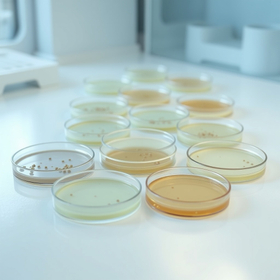
General bacteria are one of the items defined in the water quality standards for tap water. It refers to the number of bacteria that form colonies when cultured using a specified method. The standard is "the number of colonies formed in 1 mL of the sample should be 100 or less." This is not the name of a specific bacterium, but rather a value that counts the bacteria that have grown under the specified conditions. ■ How is it counted? 1 mL of the sample is mixed with standard agar medium and solidified, then cultured in an incubator maintained at 35-37°C for 22-26 hours. After that, the number of colonies formed is counted. This procedure is the testing method defined by national regulations. ■ Are all bacteria in the water counted? Not all of them. General bacteria, due to these culturing conditions, only detect a portion of heterotrophic bacteria that grow by utilizing organic matter. Heterotrophic bacteria are diverse bacteria that require organic matter for growth. ■ Why are they cultured at a temperature close to body temperature? Bacteria found in feces and sewage grow rapidly around 36°C, while many environmental bacteria have a tendency to grow poorly. Therefore, in areas contaminated with feces, the number of general bacteria increases. Please feel free to consult us first.
Inquire About This Product
basic information
■Why is the standard "100"? The management of microorganisms in drinking water began with Koch's work in the late 19th century. It was observed that drinking water with a bacterial colony count of fewer than 100 per mL, achieved through sand filtration, did not lead to outbreaks of cholera or typhoid. This standard was introduced in Japan in 1904 and has been used in the operation management of slow sand filtration ponds. ■Are general bacteria pathogens themselves? Many general bacteria are so-called non-pathogenic bacteria and are not necessarily pathogens. However, since they are usually low in uncontaminated water, a high count serves as a warning signal for contamination. If detected in large quantities, contamination by pathogenic organisms is suspected. ■Difference from E. coli E. coli is a bacterium found in the intestines of humans and animals, and the standard is "not detected." While general bacteria serve as a general indicator of water cleanliness, E. coli is specifically an indicator of fecal contamination. ■Items judged by a single result! The presence of general bacteria and E. coli in drinking water directly indicates the potential for contamination by pathogenic microorganisms. Therefore, the results of each test are evaluated against the standard values.
Price range
Delivery Time
Applications/Examples of results
■Why exceed the standards? 1. Insufficient disinfection: General bacteria are used to confirm whether chlorine disinfection is being properly conducted. 2. Loss or stagnation of chlorine: If chlorine disappears or water stagnates during distribution, heterotrophic bacteria will increase. 3. Inspection points for wells: Check for damage to the well cover and any inflow of rainwater, and regularly clean the well and its surroundings. ■First, confirm with a re-examination If abnormalities are found in the test results, a re-examination will be conducted immediately for confirmation. Since this is an item evaluated based on a single result, it is important not to leave abnormal values until the next regular inspection. For well water, it is stipulated by national guidelines to contact the health department if the standards are exceeded and receive instructions. ■Confirmation of disinfection and residual chlorine General bacteria are typically killed by chlorine disinfection or boiling. When drinking well water, chlorine is injected for disinfection, and it is regularly checked whether the free residual chlorine in the tap water is 0.1 mg/L or higher. Torii handles sodium hypochlorite used for disinfecting well water and water in storage tanks, and also responds to requests for water quality testing in conjunction with storage tank cleaning. Please feel free to consult with us first.
catalog(3)
Download All Catalogs

Company information

Since our founding, we have continued to provide flexible services with the motto of accurately supplying a diverse range of products that respond to changes in the times and the diversification of consumer needs, tailored to various applications and requirements. With the corporate slogan "Chemical Engineering Partner," we, as a group of experts in chemical technology, actively discover ideas to solve our customers' problems from advanced technologies both domestically and internationally, and propose them.