What is a water quality test for a water storage tank? Items to check after cleaning [Basic Knowledge]

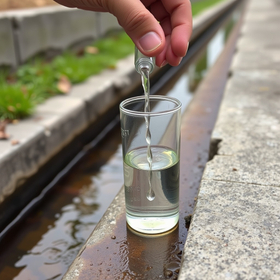
After cleaning the water tank and refilling it, we check for residual chlorine, color, turbidity, odor, and taste. We will explain the standard values and the handling of small-scale water storage tanks.
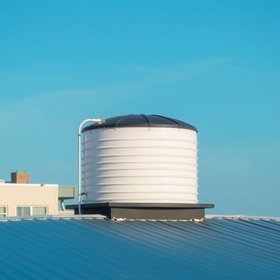
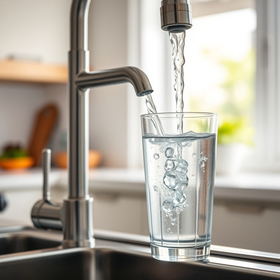
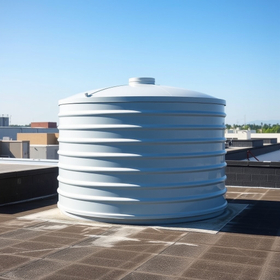
Water quality testing of storage tanks includes regular inspections and tests conducted after refilling the tank following cleaning. Here, we will focus on the latter. This is a confirmation performed as part of the cleaning process and is separate from the annual statutory inspection of dedicated water supply systems. For specific buildings (subject to the Building Sanitation Act), regulations stipulate that cleaning of storage tanks must be conducted at least once every year. ■Flow from Cleaning to Inspection The process from cleaning to inspection proceeds in the following order: 1. Cleaning: As a general rule, elevated water tanks should be cleaned on the same day as the receiving tank. 2. Disinfection: Use a sodium hypochlorite solution with effective chlorine levels of 50-100 mg/L for at least two applications, followed by a wait of more than 30 minutes, and completely remove any chlorine agents used. 3. Refilling: This should be done after draining the cleaning water, ensuring that stagnant water from the inlet pipe and rust is not introduced. 4. Inspection: Conduct water quality testing and residual chlorine measurement using water from both the supply faucet and the storage tank. ■Which Water to Sample? As a standard for cleaning operations, it is stipulated that both the water from the supply faucet and the water inside the storage tank should be tested after refilling. This approach ensures that water not only from within the tank but also from the piping is verified. Please feel free to consult with us first.
Inquire About This Product
basic information
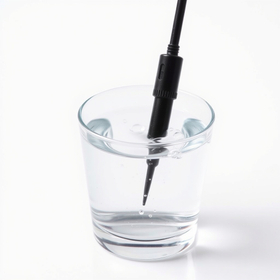
■Which items should be checked? The items and criteria to be verified are as follows: 1. Residual chlorine: 0.2 mg/L or more for free chlorine, 1.5 mg/L or more for combined chlorine 2. Color: 5 degrees or less 3. Turbidity: 2 degrees or less 4. Odor: Not abnormal 5. Taste: Not abnormal ■Is 0.2 mg/L high?! According to the Water Supply Act enforcement regulations, the required free residual chlorine in tap water is usually 0.1 mg/L or more. However, when there is a significant risk of the supplied water being contaminated with pathogenic microorganisms, the values are raised to 0.2 mg/L or more for free chlorine and 1.5 mg/L or more for combined chlorine. The standard after cleaning is the same as this higher value. ■What if the standards are not met? If the standards are not met, the cause will be investigated and necessary measures will be taken. The date of cleaning, the name of the implementer, the details of the work, the status of inspections and repairs, and the names of the disinfectants used will be recorded in a ledger. ■Tools for on-site measurement Residual chlorine measurement is conducted using the DPD method or a method with equivalent or higher accuracy. Registration for water tank cleaning services also requires the possession of a colorimeter, turbidity meter, and residual chlorine measuring device as stipulated by the enforcement regulations.
Price range
Delivery Time
Applications/Examples of results
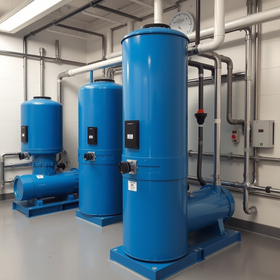
■What about water tanks with a capacity of 10 cubic meters or less? Facilities with a total capacity not exceeding 10 cubic meters are classified as "small-scale water tank systems" and are subject to national sanitation measures for drinking wells, etc. They should be managed according to the management standards for simple dedicated water supply systems, with inspections of color, odor, taste, color degree, and turbidity at the tap conducted at least once a year, as well as checking for the presence of residual chlorine. ■Check the regulations of water supply operators! The Water Supply Act stipulates that water supply operators define the responsibilities of the water tank system installers in their supply regulations. The enforcement regulations outline the management standards and inspection of management conditions from the installer’s side, and guidance, advice, and information provision to users from the water supply operator’s side. Even if the capacity is small, be sure to check the supply regulations and municipal guidelines. ■Cleaning and inspection together For specific buildings, in addition to cleaning, regular inspections of the free residual chlorine at the water supply taps are also conducted. Confirmation after cleaning is a milestone that contributes to daily management of residual chlorine. At Torii, you can request a continuous service that includes inspection of the exterior of the water tank, cleaning and disinfection inside the tank, and subsequent water quality testing. Please feel free to consult with us first.
catalog(2)
Download All Catalogs

Company information

Since our founding, we have continued to provide flexible services with the motto of accurately supplying a diverse range of products that respond to changes in the times and the diversification of consumer needs, tailored to various applications and requirements. With the corporate slogan "Chemical Engineering Partner," we, as a group of experts in chemical technology, actively discover ideas to solve our customers' problems from advanced technologies both domestically and internationally, and propose them.