What is the testing for Legionella bacteria? Water sampling from cooling towers and guidelines [Basic Knowledge]

How many times a year, when to collect samples, and how many days it takes to get results. An explanation of the process for testing Legionella bacteria in cooling water from cooling towers and how to interpret the reference values.
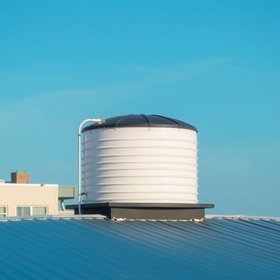
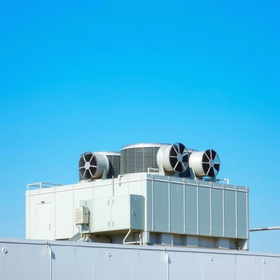
In cooling towers, if the cooling water is contaminated with bacteria, the bacteria can disperse into the air as aerosols during evaporation. Therefore, cooling towers are one of the building facilities that require the most attention in preventing Legionnaires' disease. The level of bacteria can be confirmed through testing of the cooling water. ■ Is inspection and cleaning mandated by law? For specific buildings, the enforcement regulations of the Building Sanitation Act stipulate that inspections of the cooling tower and the contamination of cooling water must be conducted once every month, and cleaning of the cooling tower and water pipes must be done once every year. ■ The frequency of inspections varies by municipality The frequency of bacterial testing varies by municipality. Cooling towers located within 10 meters of patient areas, such as windows of hospital rooms, are considered high-risk. In addition to monthly cleaning, regular bacterial testing or the addition of anti-Legionella air conditioning water treatment agents after chemical cleaning are recommended measures. ■ When is the best time to sample? First, investigate the type and location of the cooling tower and the management situation to create a management sheet. The timing and frequency of sampling are determined based on the management plan and the explanations from the testing agency. Please feel free to consult with us.
Inquire About This Product
basic information
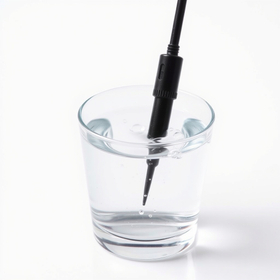
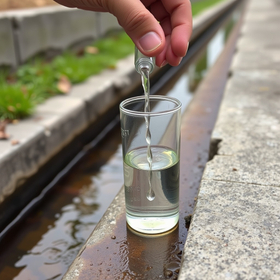
■Who should I ask about the water sampling method? The methods for sample collection and transportation follow the instructions of the testing organization. The handling of samples for cooling water is also determined in consultation with the testing organization. As a reference, here are some important points for testing bath water: 1. Container: Sterilized dedicated containers made of glass or polyethylene 2. Chlorine neutralization: Add 25% sodium thiosulfate in a ratio of 1/500 on-site 3. Transportation: Deliver promptly and avoid direct sunlight and heat, keeping the temperature between 6–18°C (around 10°C is preferable) ■Why neutralize chlorine on-site?! If chlorine continues to act in the water after sampling, it can change the state of the bacteria. Neutralization is a measure to preserve the bacterial conditions at the time of sampling. ■How many days does it take to get results? Culture testing methods take 7–10 days for results, while rapid testing methods that examine DNA can provide results on the same day or the following day after sampling. Rapid testing methods are also used to confirm negative results after improvement measures have been taken. ■Is it sufficient to rely solely on rapid testing methods? Rapid testing methods may detect the DNA of dead bacteria, so the final determination of presence or absence must be made using culture testing methods.
Price range
Delivery Time
Applications/Examples of results
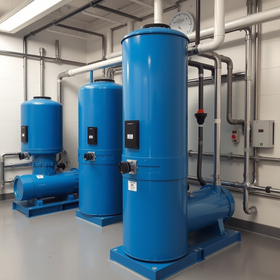
■What is the guideline value? If Legionella bacteria are detected at 100 CFU/100 mL or more, immediate cleaning is required. After cleaning, it must be confirmed that the level is below the detection limit (less than 10 CFU/100 mL). The management guideline for cooling tower water is below 100 CFU/100 mL. ■Does "not detected" mean zero bacteria?! Not necessarily. Less than 10 CFU/100 mL means below the detection limit. In tests of bath water, a sample of more than 500 mL is taken to ensure a minimum detection accuracy of 10 CFU/100 mL. ■Procedure when 100 CFU/100 mL or more is detected 1. Disinfection: Disinfect the cooling water and cooling water pipes with sodium hypochlorite or similar, and replace the water. 2. Re-testing: Confirm negative results using rapid methods. 3. Repeat: If detected again, repeat the measures. ■The effects of cleaning do not last long! Even after chemical cleaning, under certain conditions, the bacterial count may return to pre-cleaning levels within about two weeks. Therefore, regular water treatment and periodic checks are essential even after cleaning. ■Testing and daily water treatment Our company offers consultations on cleaning cooling towers and water treatment chemicals. Please feel free to contact us first.
catalog(1)
Download All Catalogs
Company information

Since our founding, we have continued to provide flexible services with the motto of accurately supplying a diverse range of products that respond to changes in the times and the diversification of consumer needs, tailored to various applications and requirements. With the corporate slogan "Chemical Engineering Partner," we, as a group of experts in chemical technology, actively discover ideas to solve our customers' problems from advanced technologies both domestically and internationally, and propose them.