Does diluted liquid harm the skin? Does the 48% product solidify in winter? We will explain the properties and uses of caustic soda, as well as its handling as a hazardous substance.
Caustic soda is the common name for sodium hydroxide (NaOH). Its aqueous solution exhibits strong alkalinity and is known as a representative strong alkali substance. In addition to neutralizing acids, it is used in a wide range of industries as a raw material and reagent for various chemical products. ■Produced by the electrolysis of saltwater Industrially, it is produced by the electrolysis of saltwater. In Japan, the ion exchange membrane method is mainstream, using an electrolytic cell divided by a cation exchange membrane. Sodium ions move through the membrane to the cathode side, where caustic soda and hydrogen are produced, while chlorine is generated on the anode side. 2NaCl + 2H2O → 2NaOH + Cl2 + H2 Caustic soda and chlorine are produced simultaneously in the ratio determined by this reaction equation. ■What applications is it used for? 1. Chemical industry: Production of organic chemicals, inorganic chemicals, pharmaceuticals, etc. 2. Textiles and paper: Production of chemical fibers and paper/pulp. 3. Food: Manufacturing processes for food. 4. Water treatment: pH adjustment of sewage and wastewater, regeneration of ion exchange resins. The property of strong alkalinity is utilized in many applications. Please feel free to consult us first.
Inquire About This Product
basic information
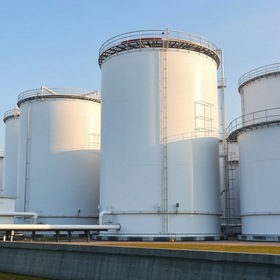
■In what form is it distributed? Industrial liquid products are primarily concentrated solutions of about 48-50%. Thinner concentrations of liquid products are also available. Additionally, there are solid products that contain almost no moisture. Liquid products are transported in containers made of materials like polyethylene, as well as in tank trucks. ■Does the 48% product solidify in winter?! The freezing point of the 48% product is approximately 8-10°C, which is much higher than the freezing point of water. During colder periods, there is a risk of it solidifying while in storage. Its specific gravity is about 1.5, making it roughly 50% heavier than the same volume of water. ■Is it okay to be exposed to air? Caustic soda absorbs carbon dioxide and moisture from the air. Solid products have a strong deliquescent property, absorbing moisture and dissolving, so they are stored in sealed containers. ■Does it react with aluminum and zinc? It corrodes metals such as aluminum, tin, and zinc, generating flammable hydrogen gas. It also corrodes mild steel and copper, so stainless steel or polyethylene containers are used for storage. When adding large amounts of water or acid to caustic soda solution, it can cause violent boiling, so caution is required when diluting concentrated liquid.
Price range
Delivery Time
Applications/Examples of results
■Is diluted liquid safe? Caustic soda strongly corrodes tissues such as eyes and skin. It breaks down proteins, and if it remains attached, there is a risk that damage may progress deep into the tissues, potentially leading to blindness if it gets into the eyes. Test results have shown that even a 5% aqueous solution can cause severe necrosis on animal skin, so diluted liquids should also be handled with protective gear. ■What if it comes into contact with eyes or skin? Remove any contaminated clothing and immediately wash the area with plenty of water. Continue rinsing the eyes for more than 15 minutes and seek medical attention. Install eyewash stations and safety showers near the handling area. ■There are regulations for sale and purchase. Products containing more than 5% sodium hydroxide are classified as toxic substances under the Poisonous and Deleterious Substances Control Law. Registration as a seller is required for sale. The purchaser must provide a written document stating the name, quantity, date, and their name, occupation, and address, along with a seal or signature. No sales can be made to individuals under 18 years of age. ■Are there obligations for users as well? Businesses that handle toxic substances for work are also required to prevent theft and loss, label "non-pharmaceutical toxic substances," and avoid using containers for food and drink. Torii supplies water treatment chemicals such as caustic soda. Please feel free to consult with us first.
catalog(3)
Download All Catalogs

Company information

Since our founding, we have continued to provide flexible services with the motto of accurately supplying a diverse range of products that respond to changes in the times and the diversification of consumer needs, tailored to various applications and requirements. With the corporate slogan "Chemical Engineering Partner," we, as a group of experts in chemical technology, actively discover ideas to solve our customers' problems from advanced technologies both domestically and internationally, and propose them.