
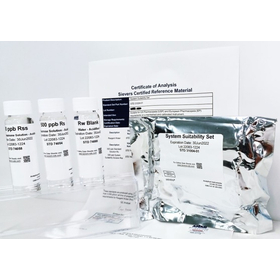

Are you ready to prepare for the revision of EP 12.3? A clear explanation of the new requirements for TOC testing and the standard values by container capacity.

A quick method to observe using the color of the reagent and a method to measure according to the procedures set by the government. I will explain the differences between the two uses beyond just convenience.

BOD, which represents the amount of oxygen used by microorganisms to decompose organic matter, indicates water pollution. This explains the mechanism of measuring it over five days and how it is treated in wastewater standards.
COD, which represents the pollution of water using oxidizing agents. This will explain the differences between Japan's official methods and the standard methods in Europe and the United States, the differences from BOD, and how it is treated in total quantity regulations.
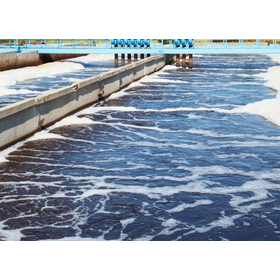
What are BOD and COD? An explanation of the four methods of wastewater treatment (physical, chemical, physicochemical, and biological treatment).
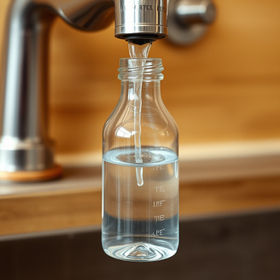
In drinking water, wastewater, and utility water, the regulations that serve as the basis for water quality testing and the items measured differ. Let's organize the three differences.
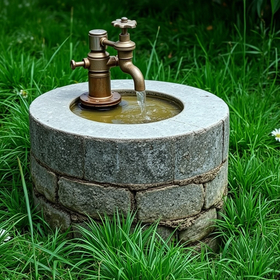
If you use well water for drinking at your business, the regulations that apply will change the content of the inspection. This will explain the items, frequency, the requesting party, and how to interpret the results.

Optimal for quality control of ultrapure water (UPW) systems in semiconductor manufacturing. A series of analytical devices that continuously monitor trace concentrations of TOC and boron with high precision.
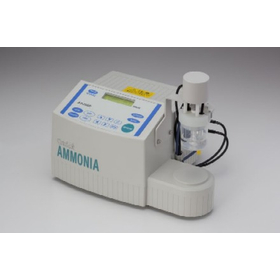
Measurement completed in about 1 minute. Contributes to the efficiency of ammonia measurement in research.

Rapid and accurate measurement of pollutants. For on-site water quality testing.


Precise analysis using a germanium semiconductor detector is possible.

Ideal for self-testing! Packaged solution for analyzing hot spring components and compliance analysis.


Technical document explaining the automatic measurement of water hardness using an automatic titration device compliant with the new standard (ASTM D8192).
We will also introduce practical tips for on-site operations and water usage reduction (HI 520 usage examples)!


An example of the application of geothermometry analysis to estimate the temperature of geothermal fluids existing in underground structures.
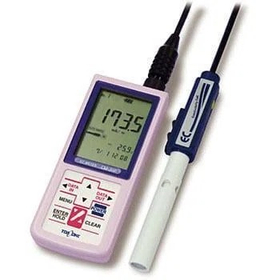
No need for reagents to check water quality? What is the mechanism of an electrical conductivity meter!
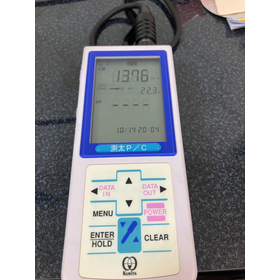
Measured with a conductivity meter! What do the differences in values between household groundwater and non-potable well water reveal about water quality standards?

RTRT reduces the effort of sampling, detects OOS and OOT through real-time analysis, and implements corrective actions, thereby reducing risk, labor, and operational costs.
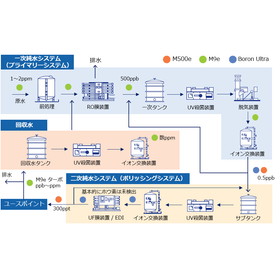
Optimal for quality control of ultrapure water systems in semiconductor manufacturing.
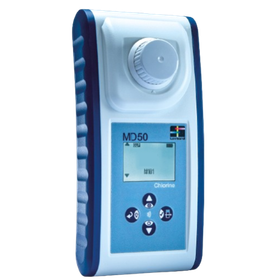
Managing cleanliness in food manufacturing with reagent-free and simple operations.
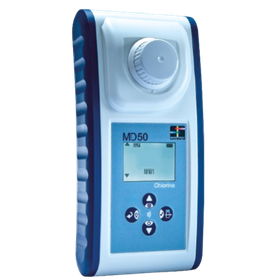
Streamlining on-site wastewater treatment without reagents.
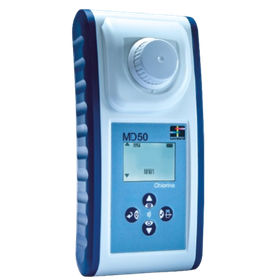
Rapid measurement of site SS without reagents. Streamlining contamination investigation.
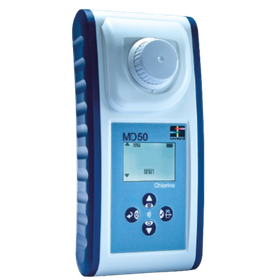
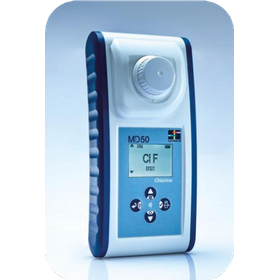
Easily and accurately measure the residual chlorine in tap water. For on-site water quality management.
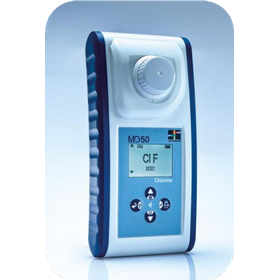
For quality control of tap water. A portable residual chlorine meter for on-site use.
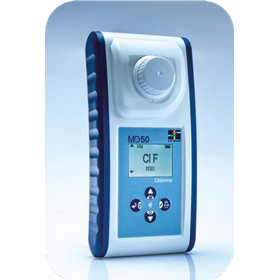
For managing the water quality of hot spring water. Accurate residual chlorine measurement with easy operation.
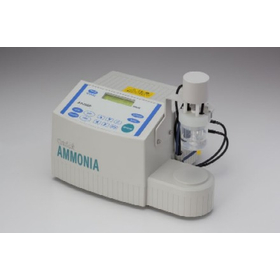
Measurement completed in about 1 minute. Supporting water quality management in aquaculture.
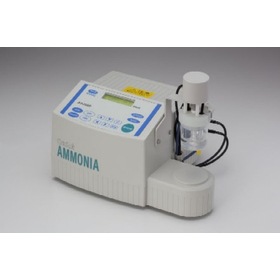
Measurement completed in about 1 minute. Accelerating ammonia concentration measurement in wastewater treatment.
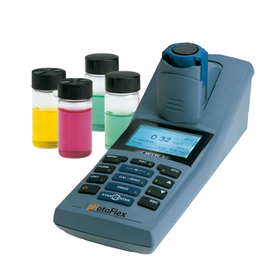
Strongly support water quality monitoring on-site!
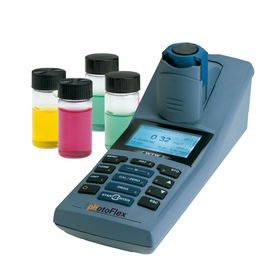
For water quality analysis classes and research! A multi-parameter meter useful in the field.
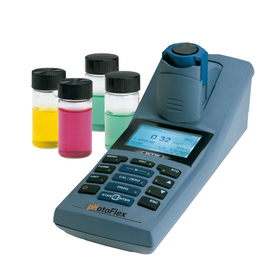
Portable multiparameter water quality meter to support cooling water management at power plants.

Accurate water quality management for aquaculture with easy operation.

Multifunctional spectrophotometer supporting water quality management in beverage manufacturing.

A user-friendly spectrophotometer that supports water quality management at water treatment plants.


A turbidity meter and water sampler combined into one! A turbidity meter with an easy-to-use water sampling function.


It is possible to target new events for water sampling by linking with water level gauges, rain gauges, water quality meters, and others!

It is possible to target new events for water sampling by linking with water level gauges, rain gauges, water quality meters, and others!


Biochemical buffer, chelating reagent, colorimetric reagent, metal indicator, membrane protein solubilizer.


Ultra-pure water that is suitable for PFAS analysis with a 'low blank' and is 'single-use'.


Ultimate nanoparticle analyzer for water quality characteristic evaluation.

Measurement time is just 1 minute! Quickly, accurately, and easily measure ammonia in water. Measurement of non-ionized ammonia concentration is also possible.

The ideal multiparameter water quality meter for field water quality testing!

Compact, lightweight, easy to operate, and high-performance handy residual chlorine meter.


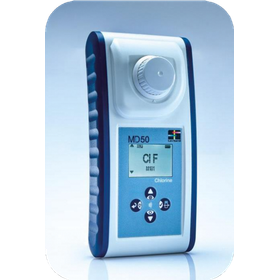
For pool water quality management. Accurate residual chlorine measurement with easy operation.
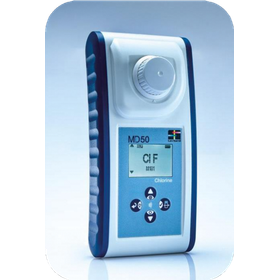
Portable residual chlorine meter to support hygiene management in food manufacturing.
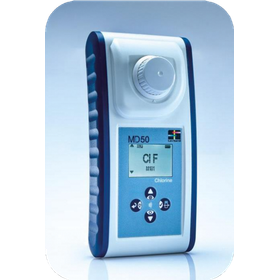
Measure the residual chlorine in tap water to reduce the risk of hospital-acquired infections.
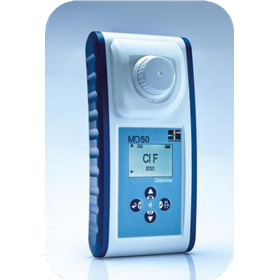
For water quality management in aquaculture ponds. Reduces fish disease risks.
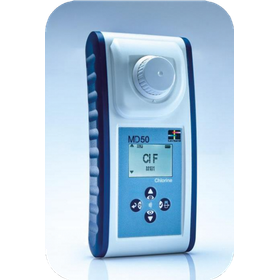
For measures against Legionella bacteria in hotels. Portable residual chlorine meter.
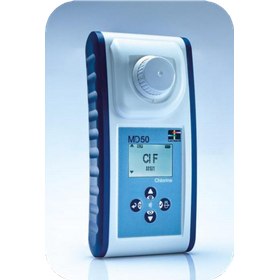
For quality control of manufacturing water. A portable residual chlorine meter useful on-site.
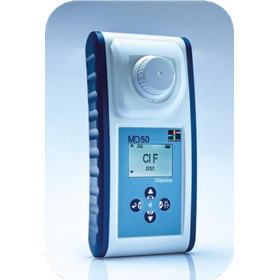
For quality control of drinking water. A portable residual chlorine meter useful on-site.
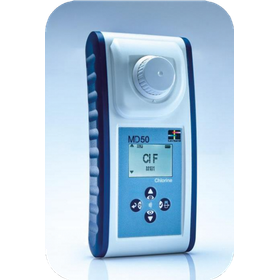
Easy measurement of residual chlorine in water tanks! A portable residual chlorine meter that is strong on-site.
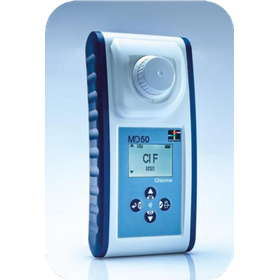
Portable residual chlorine meter to improve the reliability of experimental data.
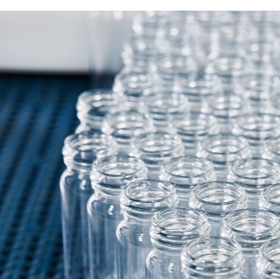
Improving the reliability of TOC measurement with vials that come with a cleaning guarantee.
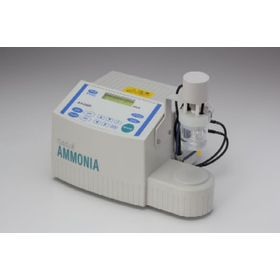
Measurement completed in about 1 minute. Rapid and accurate measurement of ammonia concentration in clean rooms.
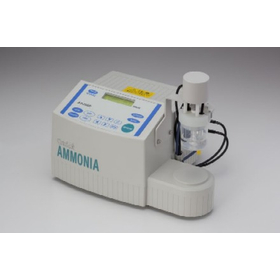
Measurement completed in about 1 minute. Achieving rapid and accurate ammonia measurement.
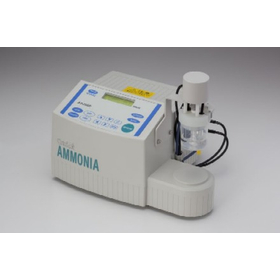
Measurement completed in about 1 minute! Rapid measurement of ammonia concentration in livestock environments.
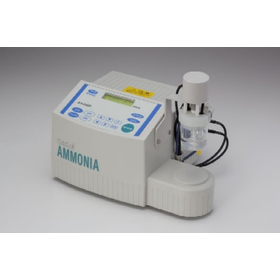
Measurement completed in about 1 minute. Rapid and accurate measurement of ammonia concentration in food processing.
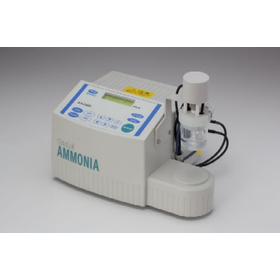
Measurement completed in about 1 minute. Rapid and accurate management of ammonia concentration in fertilizer manufacturing.
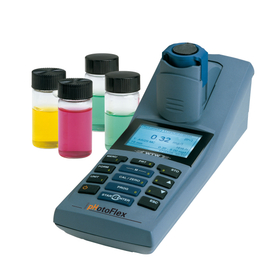
Water quality management in beverage manufacturing, all with this one device.
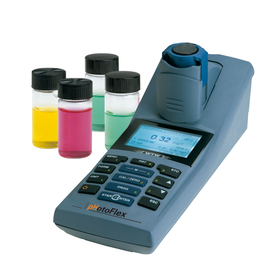
Ideal for on-site water quality testing! Meets regulatory standards for wastewater treatment.
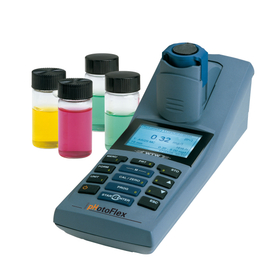
Manage the water quality of irrigation water in the field with this one device.
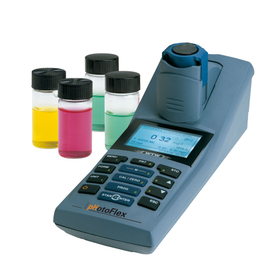
Easily and accurately measure the water quality of aquaculture ponds!
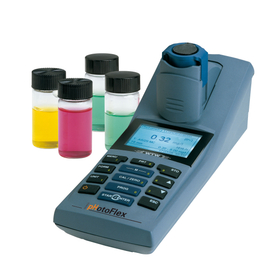
Easily measure the water quality of cleaning water in food processing on-site!
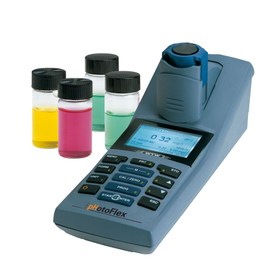
Achieving laboratory-level measurement accuracy in the field!
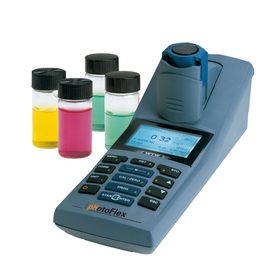
Easily measure the components of hot spring water on-site!
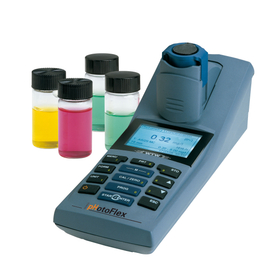
Pool water quality management with this one device. Easy operation for accurate measurement!

Multi-parameter photometer supporting water quality management in food manufacturing.

A user-friendly multiparameter spectrophotometer that supports soil diagnostics.

Rapid and accurate reaction monitoring. Lovibond photometer.

A user-friendly spectrophotometer that supports quality control of livestock feed.


For water quality testing and product quality control! It is possible to determine whether it meets environmental standards.


Reliable measurements to protect the environment!