


Reduce the load on wastewater treatment facilities with upstream measures such as centrifugal oil separation. Oil and food residues are collected simultaneously, and the food residues are automatically discharged as solids, making them easy to handle.
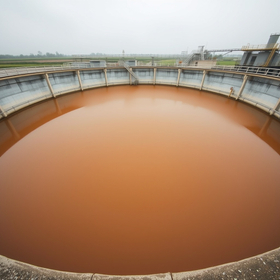

In the sedimentation tank, the sludge does not settle and overflows along with the supernatant... Its true nature might be filamentous bacteria that have proliferated excessively within the sludge?
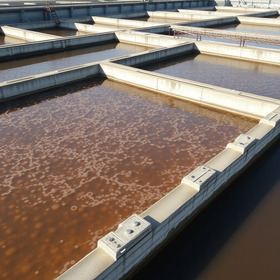
Biological treatment that decomposes organic matter in wastewater using the power of microorganisms. This explains the differences between aerobic treatment, which uses oxygen, and anaerobic treatment, which does not, as well as how they can be combined.
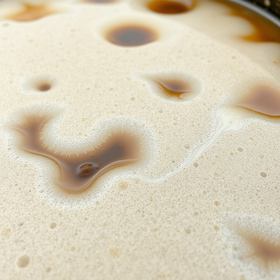
Why doesn't the sludge settle despite the low presence of filamentous fungi? This explains how to identify "viscous bulking," which is characterized by stickiness and lack of compaction, and discusses the drainage issues that can easily arise.
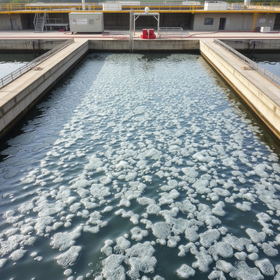
The starting point of various methods of the activated sludge process, the standard activated sludge method. We will compare what the modified methods have changed and the differences in retention time and load.
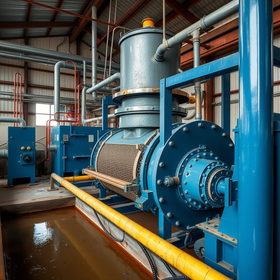
When the moisture content decreases by 1 point, how much does the amount of dewatered sludge change? This will explain the calculation method, the type of dewatering machine, and what happens to the dewatered sludge afterward.


A fat decomposition system that eliminates rather than removes fats with a 'pressurized flotation separation device' for food factories! *Demonstrations available.

BOD, which represents the amount of oxygen used by microorganisms to decompose organic matter, indicates water pollution. This explains the mechanism of measuring it over five days and how it is treated in wastewater standards.
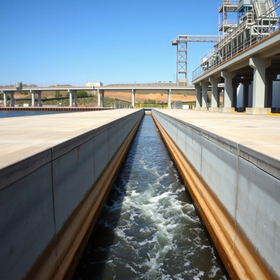
COD, which represents the pollution of water using oxidizing agents. This will explain the differences between Japan's official methods and the standard methods in Europe and the United States, the differences from BOD, and how it is treated in total quantity regulations.
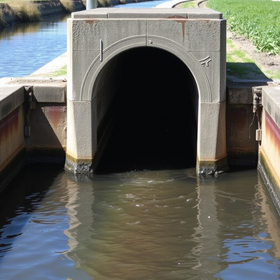
National uniform drainage standards and additional standards set by prefectures. This explains the differences between harmful substances and living environment items, as well as the conditions under which the standards apply.
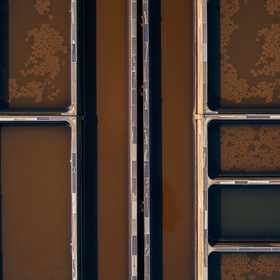
The activated sludge method cultivates a mass of microorganisms to decompose organic matter in wastewater. This explains the roles of the aeration tank and the sedimentation tank, the reasons for recycling sludge, and the key points for daily management.
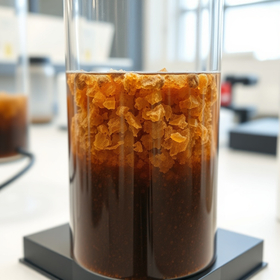
How many kg of sludge is contained in 1 cubic meter of the aeration tank? I will explain the meanings of MLSS and MLVSS, as well as concentration management using SV30 and SVI.
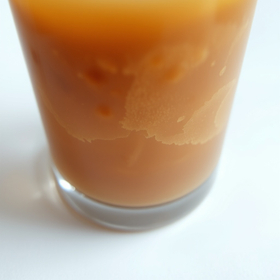
SS represents the amount of small particles floating in water. How do we measure it? This will explain the procedures and calculations established by the government, along with examples of drainage standards.


We have achieved groundbreaking high performance that transcends concepts!

Compact, lightweight, and affordable! A screen that won't clog!
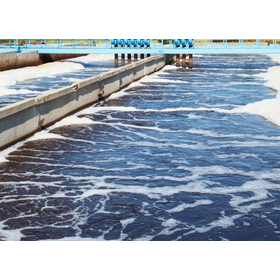
What are BOD and COD? An explanation of the four methods of wastewater treatment (physical, chemical, physicochemical, and biological treatment).
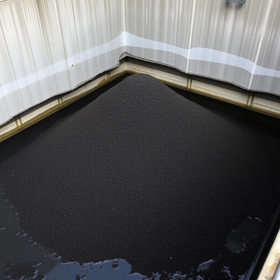
Sludge generated from wastewater treatment in business is considered industrial waste, regardless of the industry. This explains how to determine hazardous substances and how to verify subcontractors.
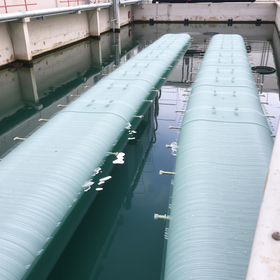
MBR, which separates sludge and water using a membrane instead of a settling tank. This explains the role of the membrane and the perspective on membrane fouling that cannot be avoided during operation, as well as the considerations for cleaning.
Automating wastewater treatment to achieve high-precision water quality management.


[Ion Chromatography Technical Document] Simultaneous analysis of multiple ions in wastewater using an ion chromatograph.
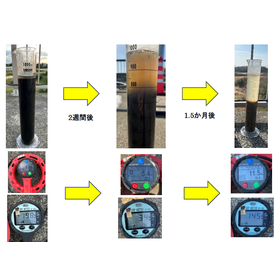

[Case] Contributing to odor improvement and sludge volume reduction
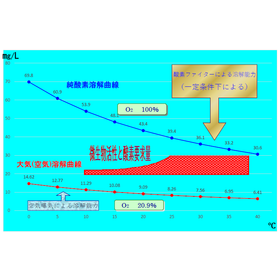
Efficient oxygen dissolution for improving DO deficiency
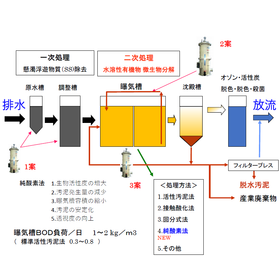
Eliminate the DO deficiency in wastewater treatment! The effects and installation examples of the "Oxygen Fighter" that can be retrofitted.
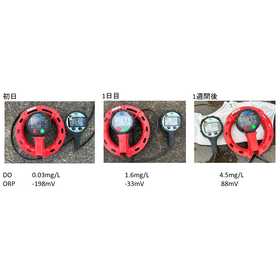
Improvement case of DO/ORP by oxygen fighters
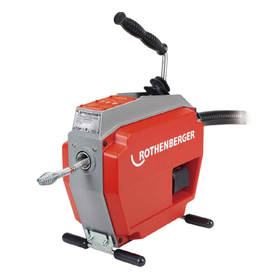

No power supply needed! A rechargeable drain cleaner that achieves both significant weight reduction and powerful performance.

Maximum 5 times breakthrough power & lightweight design at 800g! 'Drain Cleaner Breakthrough Gun' powerfully crushes stubborn clogs with a rechargeable drill connection.

A wide range of products from the Birth Screen series is featured!

Easy installation! High capability in capturing suspended solids!


Leave it to San-Ei Industry for anything related to muddy water treatment! An environmentally friendly treatment system aimed at reducing the amount of waste muddy water and lowering costs!


An explanation of the current state and future prospects of the water treatment industry, including advanced technological trends and market changes!

This is a case study summarizing laboratory verification and field evaluation to derive suitable treatment methods for various types of waste liquid treatment slurry, along with the implementation process.

Decomposition and elimination of fats by microorganisms! Introduction to wastewater treatment technology using microbial agents and microbial degradation methods.


We offer stainless steel drains and catch basins that are resistant to clogging!
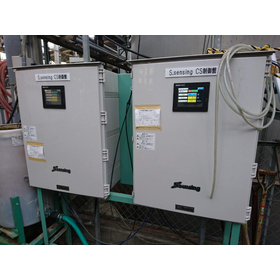
From a time of "just pouring" chemicals to a time of "controlling" them! Automatically control according to the load to optimize chemical costs and processing efficiency.
Do you know the difference between "drainage" and "wastewater"? An explanation of the basics of factory wastewater treatment and drainage treatment.
Why doesn't garbage stick together in water? An explanation of how flocculation works with coagulants.
What is the difference between PAC and aluminum sulfate? An explanation of how to choose based on "basicity."
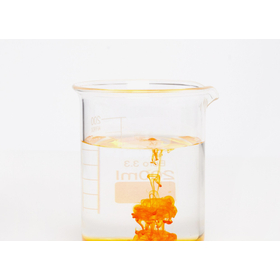
Explanation of the characteristics and differentiation of ferrous chloride, polysilicic acid iron, and hydrated lime.
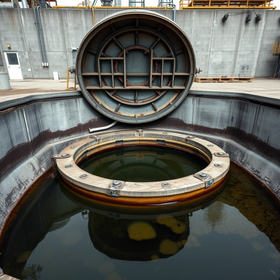
The cause of oil leaking out on rainy days may be the oil and sediment accumulated in the tank. We will explain the mechanism of the oil-water separation tank and its regular maintenance.
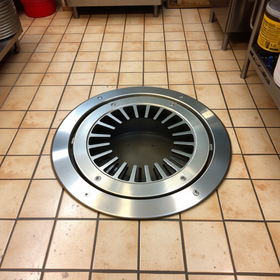
Is it safe to wash away oil stains with hot water? In fact, it's counterproductive. This explains the mechanism of how oil and sludge accumulate in grease traps, the frequency of cleaning, and how to dispose of the waste generated.


Achieve space-saving, energy-saving, and resource-saving with one device that serves five functions!


Special samples are completely oxidized. Next-generation TOC analyzer.
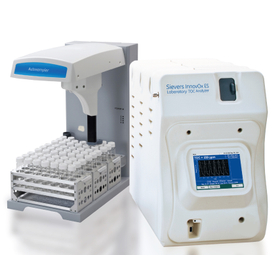
Support for irrigation water quality management with high precision and high reliability.
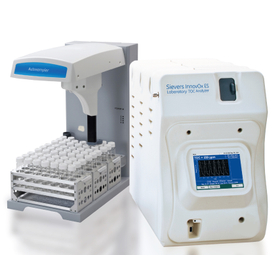
Supporting TOC management in beverage manufacturing with high precision and high reliability.
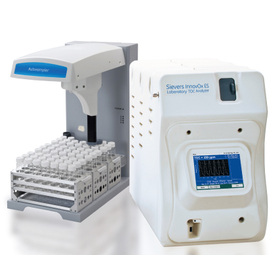
Achieving TOC measurement of boiler water with high precision and high reliability.
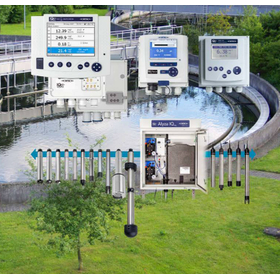
Centralize water quality management to reduce the risk of foreign substance contamination.
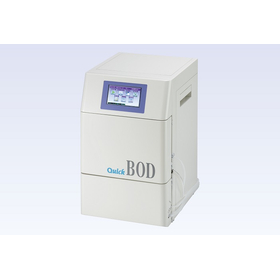
Visualize water quality in 60 minutes. Accelerate wastewater management.
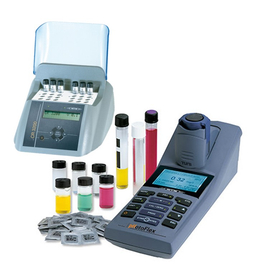
Fast, minimal, and reliable CODMn measurement in sewage treatment.

Ensure and streamline the pretreatment of water quality analysis! High-precision reactor capable of handling up to 24 samples.

Colored and turbid samples are also OK! Contributing to safety management in the laboratory.
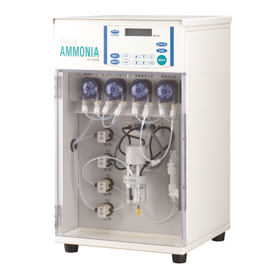
Stable measurements even with freshwater, seawater, and samples with coloring or turbidity!
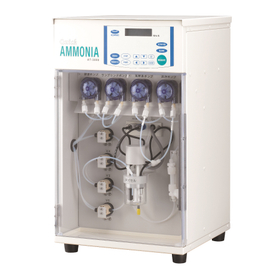
Strong against coloring and turbidity! Early detection of ammonia leaks in plants!
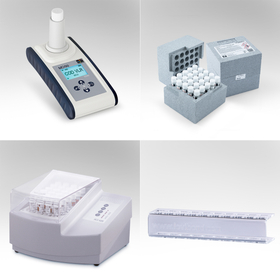
Compliant with JIS K 0102. COD measurement that meets discharge regulations, made easier and more reliable.
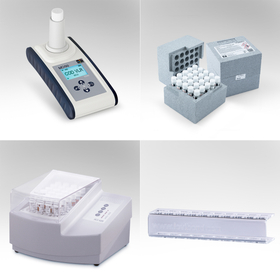
JIS K 0102 compliant. Measuring COD in drainage management made easier and more reliable.
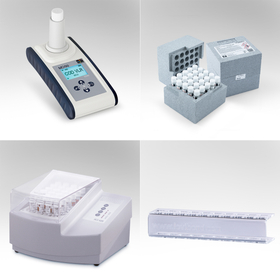
Easier and more reliable COD measurement for cleaning solution management.
Would you like to reduce the burden of daily drainage management tasks through trend analysis using a simple method?


A wastewater treatment system that works powerfully on high concentrations of fats, starch, and proteins.


Based on our extensive track record and accumulated know-how, we conduct detailed hearings with customers for each process to provide excellent proposals in terms of cost and environmental aspects!


We will continue to provide the water treatment systems that users demand.


Cleaning the grease trap made easy! Improving water quality with the overwhelming power of ozone.
Automating wastewater treatment to support the efficiency of food manufacturing.
Automating wastewater treatment to achieve energy savings and improved operational efficiency.


A nitrogen removal device capable of high-speed removal of high-concentration nitrogen wastewater!


I want to automate the neutralization process that I have been doing manually until now! Starting with civil engineering work.

A corrosion-resistant submersible pump draws water from the underground pit to the neutralization tank. The speed of the proposal and the understanding of the existing flow are the deciding factors for adoption.


We have published examples of temporary dehydration plants!

Introducing a case study of temporary sludge treatment during dewatering machine updates!

For comprehensive rental of sludge treatment and wastewater treatment equipment, leave it to Seisui Kogyo!

We are introducing examples of residual sludge treatment during renovation work!

With "Defense Coat," you can achieve strong protection even in harsh environments plagued by wear and corrosion. It allows for quick repairs on-site, safeguarding both operations and costs.

Environmental testing with a process analyzer!
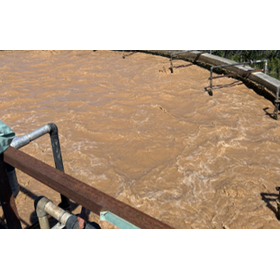
Before adding a blower to the ventilation tank


Thorough cost management achieves high quality at low prices! Easy installation also allows for reduced construction costs!

Special refractory insulation material Predan used! Easy on-site construction contributes to significant shortening of the construction period!

Shortened construction period possible! Shallow grease trap that does not require floor openings or underfloor piping.

Prevents clogging of drainage pipes caused by hair and other debris in the drainage! FRP-made interceptor.

Ideal for parking lots and gas stations! Oil separators that prevent drain pipe clogs and fires/explosions.

Ideal for food factories! A trap box that smoothly collects waste and leftovers, allowing for complete drainage.


Demonstrating excellent effectiveness in wastewater treatment facilities for food factories, kitchens, and commercial facilities! Achieved cost reductions of 400,000 yen per month.

This is a revolutionary screen that prevents the scraping chain from coming into contact with the liquid!

Simple structure! It's a screen where the scraping chain does not come into contact with the liquid!

A screen that is optimal for primary treatment in general industrial wastewater treatment!

Compact, lightweight, and affordable! It's a screen that won't get clogged!


It is possible to increase the wastewater treatment capacity while keeping the existing facilities as they are!

Explaining the technology and advantages of Suirei Co., Ltd., which has a wide range of adaptability!

Demo available upon inquiry: Instead of removing fats, we break them down! Significantly reduces fats in wastewater.

We won the Grand Prize at GLOW Pitch, one of the largest pitch events in the Tokai region!