

For the expanded list of regulated substances and JIS Z 7253:2025. From checking ingredients to drafting SDSs and labels and managing five-year reviews.


The humidifier's power "forgot to turn on" and "forgot to turn off" will be notified with sound and light!


I propose new initiatives and solutions to challenges in the IT environment and business processes of pharmaceutical companies, particularly related to GXP regulatory requirements.


Easy connection with coaxial cable! Next-generation high-definition CCTV camera!


We have obtained permits for cosmetics manufacturing and cosmetics manufacturing and sales, and we will conduct tests in testing facilities (BSL2) in accordance with the Pharmaceutical and Medical Device Act.


For the internal storage of important documents and materials! An easy security measure.


Prevent slipping and falling on factory floors. Sawtooth non-slip grating that is resistant to water and oil.


You can use it as a point of contact connecting Japanese customers with branches around the world.


From safety confirmation to BCP formulation support! A comprehensive book that reveals the full range of services provided by a company specializing in crisis management information.

A solution to achieve the collaboration of safety information between healthcare professionals and medical representatives.
Electronically collect side effects and adverse events (safety information) using mobile devices to improve the situation of MR!


We will conduct tests related to product safety, EMC (EMD), wireless, biocompatibility, etc., to perform conformity assessment!
New chemical substances up to 1 tonne a year require an application every fiscal year. We manage the schedule and file electronically, even when your staff changes.
For new chemical substances over 1 tonne and up to 10 tonnes a year. From the first-year procedure to annual quantity applications.
For new polymers. If the criteria are met, one confirmation removes the need for annual applications, and the substance name is not published.
For the annual report due 30 June. From identifying target substances and helping calculate releases and transfers to preparing the report.
When your plant manufactures or handles hazardous materials at or above the designated quantity. From classifying the facility to the permit application and completion inspection.
For warehouses and tanks storing solvents, paints or fuels at or above the designated quantity. From the permit application to the completion inspection.
For expanding or replacing equipment at a permitted hazardous materials facility. We start by determining whether a modification permit or a notification is needed.
Even below the designated quantity, one-fifth or more requires a notification. From calculating the multiple to checking the storage area and preparing the notification.
For storing resin pellets, combustible liquids or wood products above set amounts. From checking items and quantities to filing the notification.
Once added materials or larger volumes exceed the designated quantity, a small-quantity notification is no longer enough. From temporary storage approval to the permit and discontinuation notice.
When changing the type or quantity of hazardous materials at a permitted facility. From checking that no modification permit is needed to filing 10 days in advance.
When installing nitrogen or carbon dioxide tanks or production equipment. From determining whether a permit or notification applies to preparing the notification.
When using special gases such as monosilane, or hydrogen and liquid oxygen above set amounts. We handle the notification required on the user side.

No need for on-site visits! Remote monitoring of tank, reservoir, and river water levels via smartphone or PC, reducing maintenance and labor costs with battery-powered sensors.
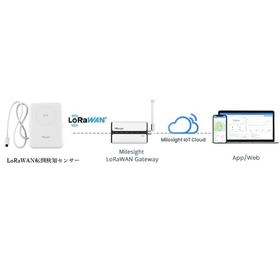
No image capture, consideration for privacy, no complex wiring required, buzzer alarms and alert notifications to smartphones and PCs for falls are possible, and it helps to streamline operations.


Chemical substance telephone consultation is now available! We provide support for risk assessment visits and more!
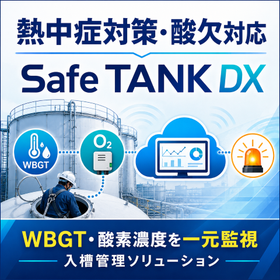

Centralized monitoring of WBGT, oxygen concentration, and tank entry logs in the cloud. Immediate alerts for unseen risks during tank operations.
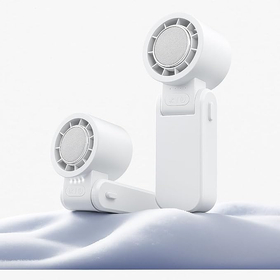

Nihon Kōden's first home appliance sale! Let's get through the hot summer with a handy fan! 'Handy Fan NKH79 with Cooling Plate'

Inspection of the setting of expiration dates and best-before dates for food ingredients and products.

Ideal for packaging pharmaceuticals and chemicals! Security tape that clearly indicates when it has been opened.

AI visualizes hazards based on on-site images and videos. It also reflects internal rules, supporting the improvement and efficiency of hazard prediction activities.


From facility management to manufacturing and government! Introducing initiatives for BCP and disaster response across various industries with before-and-after comparisons.


We manage and support the safe use of medical devices.


We provide a comprehensive one-stop service from development strategy planning to post-market quality change management and safety management!


It is possible to reduce the burden of monitoring tasks in welfare facilities and implement safety measures for solo work. Here are examples of monitoring in the living spaces of disability welfare facilities.
Before manufacturing or importing more than 1 tonne a year of a new chemical substance. From checking exemptions to preparing and filing the notification.
For new chemical substances used as intermediates, in closed systems or for export only. No volume cap, and one confirmation replaces the standard notification.
When starting to sell gas or adding sales locations. From notifications for each sales office to appointing a sales supervisor.
When you start transporting industrial waste as a business. From checking the training course, vehicles and financial basis to the permit application.
When you transport specially controlled industrial waste such as waste oil, waste acids or alkalis. From determining whether the waste qualifies to the permit application.
When you unload, transfer or store collected industrial waste at your own site before onward transport. From zoning and prior consultation to the permit application.
For five-year renewals, notifications of vehicle or officer changes, and adding waste types. We manage the deadlines for you.
When your plant outsources industrial waste to treatment contractors. We review the required contract items and manifest reporting.
Before demolishing a plant, selling land or carrying out large-scale grading. From identifying when notification is required to filing.
For PCB waste such as old transformers and ballasts left at your plant. From annual storage notifications to planning disposal.
When you manufacture or import poisonous or deleterious substances. From checking facility standards and the handling supervisor to the registration application.
When you sell or transfer poisonous or deleterious substances. From choosing the registration type and the requirements for selling without stock to the application.
For plants using poisonous or deleterious substances in electroplating or metal heat treatment. From determining whether notification is needed to filing within 30 days.
When you use or sell alcohol of 90 percent or more. From choosing between general and specified alcohol to bookkeeping and annual reports after licensing.


The high-sensitivity CR series now has a day-night model available for nighttime use!

Shock-resistant, dustproof, and waterproof type! Dome camera for outdoor installation.

The highest quality model that challenges the limits of NTSC with a 480,000 pixel CCD!

A monitoring sensor that can detect changes in single residents non-contactly, allowing for quick awareness of any emergencies. It can be retrofitted to existing properties without the need for cameras or construction.

For consultations on various support for "domestic and international chemical substance management," contact Techno Hill!

We will create GHS-compliant SDS (MSDS) and labels in accordance with the regulations of countries around the world!

We will register new chemical substances in various countries!

We provide support for risk assessments and more!

We will provide the latest information on chemical substance management from various countries!


Visualizing invisible dangers with "color." Creating a new standard for safety, GIF KOREA.


By incorporating a bitter ingredient into the adhesive, the risk of accidental ingestion by infants and toddlers is reduced. It is ideal for labels used on toys and fancy goods.


By continuously repeating improvements, it leads to the prosperity of the company and the growth of its employees!

Our consultants are experienced professionals with a proven track record in food factory operations!