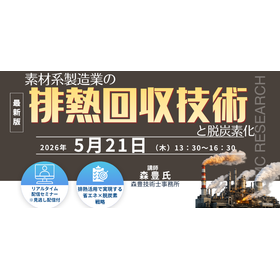

Based on examples from the material-based manufacturing industry, this explains a strategy for systematically organizing waste heat recovery, power generation, and high-efficiency technologies to achieve both cost reduction and CO₂ reduction simultaneously.

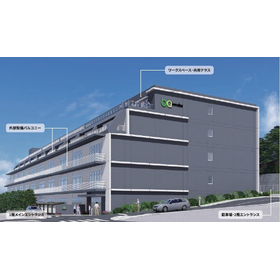

Born in Kawasaki in the fall of 2027! A shared manufacturing and research development facility that meets the diverse needs of companies.

When your plant manufactures or handles hazardous materials at or above the designated quantity. From classifying the facility to the permit application and completion inspection.
For warehouses and tanks storing solvents, paints or fuels at or above the designated quantity. From the permit application to the completion inspection.
For expanding or replacing equipment at a permitted hazardous materials facility. We start by determining whether a modification permit or a notification is needed.
Even below the designated quantity, one-fifth or more requires a notification. From calculating the multiple to checking the storage area and preparing the notification.
For storing resin pellets, combustible liquids or wood products above set amounts. From checking items and quantities to filing the notification.
Once added materials or larger volumes exceed the designated quantity, a small-quantity notification is no longer enough. From temporary storage approval to the permit and discontinuation notice.
When changing the type or quantity of hazardous materials at a permitted facility. From checking that no modification permit is needed to filing 10 days in advance.
When installing nitrogen or carbon dioxide tanks or production equipment. From determining whether a permit or notification applies to preparing the notification.
When using special gases such as monosilane, or hydrogen and liquid oxygen above set amounts. We handle the notification required on the user side.
When you manufacture, fill, package or store cosmetics. From choosing the category that matches your operations to the license application.


Ultra-fine bubbles even in large facilities! UFB DUAL with a new large diameter size of 50A has arrived.


Business introduction of Pranas Co., Ltd., which provides total support for building research environments.


We will process plastic into sheets!

We will meet our customers' needs with our advanced technology!
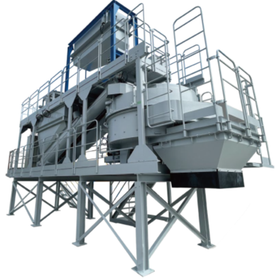

Easy to move and install unit type! We have modularized the weighing and mixing process to reduce installation time.


We have a wide variety of options available to suit your needs!

We have a variety of products available! Please feel free to consult with us!


PQE covers a wide geographical area and supports timely and efficient audit implementation! Remote audits are also available.


Achieving productivity improvement, quality enhancement, and cost reduction in the manufacturing industry!
When starting to sell gas or adding sales locations. From notifications for each sales office to appointing a sales supervisor.
When you install equipment that discharges wastewater. From checking whether it is a specified facility to filing at least 61 days before construction starts.
When you install boilers, drying furnaces or incinerators. From checking size thresholds to the notification and planning around the 60-day construction restriction.
When you install air compressors, presses or crushers. From checking coverage to filing at least 30 days before construction starts.
When you fill or recover fluorocarbons in commercial air conditioners and refrigeration equipment. From checking requirements to the registration application.
When you manufacture or import poisonous or deleterious substances. From checking facility standards and the handling supervisor to the registration application.
For plants using poisonous or deleterious substances in electroplating or metal heat treatment. From determining whether notification is needed to filing within 30 days.
When you use or sell alcohol of 90 percent or more. From choosing between general and specified alcohol to bookkeeping and annual reports after licensing.


We will also introduce specific improvement measures to enhance the operating rate and availability rate!

We will also introduce methods to improve to the state of takt time = cycle time!


Made on-site at that moment, saving space and cost!


We will strongly support the project by utilizing excellent management techniques and essential technologies.


Anyone can start a business right away! Solar power generation + LED + mist cultivation.
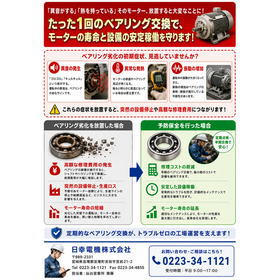

"Abnormal sounds" and "heat" are warning signals! Just one bearing replacement can extend the motor's lifespan and prevent sudden equipment shutdowns.


It is a factory boasting one of the largest scales among contract manufacturers in the country!


We are fully supporting product manufacturing with enhanced main equipment!

We are fully supporting product manufacturing with the enhancement of our main equipment!