iPROS Manufacturing
  • Search for products by classification category

    • Electronic Components and Modules
      Electronic Components and Modules
      60501items
    • Machinery Parts
      Machinery Parts
      75265items
    • Manufacturing and processing machinery
      Manufacturing and processing machinery
      101304items
    • Scientific and Physics Equipment
      Scientific and Physics Equipment
      35946items
    • Materials
      Materials
      37408items
    • Measurement and Analysis
      Measurement and Analysis
      55186items
    • Image Processing
      Image Processing
      15263items
    • Control and Electrical Equipment
      Control and Electrical Equipment
      53860items
    • Tools, consumables, and supplies
      Tools, consumables, and supplies
      65042items
    • Design and production support
      Design and production support
      12527items
    • IT/Network
      IT/Network
      44593items
    • Office
      Office
      14032items
    • Business support services
      Business support services
      24947items
    • Seminars and Skill Development
      Seminars and Skill Development
      6454items
    • Pharmaceutical and food related
      Pharmaceutical and food related
      32389items
    • others
      74315items
  • Search for companies by industry

    • Manufacturing and processing contract
      7333
    • others
      4988
    • Industrial Machinery
      4417
    • Machine elements and parts
      3297
    • Other manufacturing
      2882
    • IT/Telecommunications
      2554
    • Trading company/Wholesale
      2512
    • Industrial Electrical Equipment
      2305
    • Building materials, supplies and fixtures
      1814
    • software
      1641
    • Electronic Components and Semiconductors
      1565
    • Resin/Plastic
      1496
    • Service Industry
      1458
    • Testing, Analysis and Measurement
      1124
    • Ferrous/Non-ferrous metals
      983
    • environment
      698
    • Chemical
      631
    • Automobiles and Transportation Equipment
      565
    • Printing Industry
      510
    • Information and Communications
      459
    • Consumer Electronics
      412
    • Energy
      327
    • Rubber products
      314
    • Food Machinery
      307
    • Optical Instruments
      277
    • robot
      274
    • fiber
      250
    • Paper and pulp
      227
    • Pharmaceuticals and Biotechnology
      168
    • Electricity, Gas and Water Industry
      166
    • Warehousing and transport related industries
      147
    • Glass and clay products
      140
    • Food and Beverage
      129
    • CAD/CAM
      123
    • retail
      108
    • Medical Devices
      103
    • Educational and Research Institutions
      102
    • Ceramics
      98
    • wood
      88
    • Transportation
      82
    • Petroleum and coal products
      63
    • Medical and Welfare
      62
    • Shipbuilding and heavy machinery
      51
    • Aviation & Aerospace
      47
    • Fisheries, Agriculture and Forestry
      41
    • equipment
      34
    • Public interest/special/independent administrative agency
      31
    • Materials
      28
    • Research and development equipment and devices
      27
    • self-employed
      24
    • Government
      23
    • Mining
      17
    • Finance, securities and insurance
      13
    • cosmetics
      13
    • Individual
      10
    • Restaurants and accommodations
      9
    • Police, Fire Department, Self-Defense Forces
      7
    • Laboratory Equipment and Consumables
      4
    • Raw materials for reagents and chemicals
      3
    • Contracted research
      3
  • Special Features
  • Ranking

    • Overall Products Ranking
    • Overall Company Ranking
Search for Products
  • Search for products by classification category

  • Electronic Components and Modules
  • Machinery Parts
  • Manufacturing and processing machinery
  • Scientific and Physics Equipment
  • Materials
  • Measurement and Analysis
  • Image Processing
  • Control and Electrical Equipment
  • Tools, consumables, and supplies
  • Design and production support
  • IT/Network
  • Office
  • Business support services
  • Seminars and Skill Development
  • Pharmaceutical and food related
  • others
Search for Companies
  • Search for companies by industry

  • Manufacturing and processing contract
  • others
  • Industrial Machinery
  • Machine elements and parts
  • Other manufacturing
  • IT/Telecommunications
  • Trading company/Wholesale
  • Industrial Electrical Equipment
  • Building materials, supplies and fixtures
  • software
  • Electronic Components and Semiconductors
  • Resin/Plastic
  • Service Industry
  • Testing, Analysis and Measurement
  • Ferrous/Non-ferrous metals
  • environment
  • Chemical
  • Automobiles and Transportation Equipment
  • Printing Industry
  • Information and Communications
  • Consumer Electronics
  • Energy
  • Rubber products
  • Food Machinery
  • Optical Instruments
  • robot
  • fiber
  • Paper and pulp
  • Pharmaceuticals and Biotechnology
  • Electricity, Gas and Water Industry
  • Warehousing and transport related industries
  • Glass and clay products
  • Food and Beverage
  • CAD/CAM
  • retail
  • Medical Devices
  • Educational and Research Institutions
  • Ceramics
  • wood
  • Transportation
  • Petroleum and coal products
  • Medical and Welfare
  • Shipbuilding and heavy machinery
  • Aviation & Aerospace
  • Fisheries, Agriculture and Forestry
  • equipment
  • Public interest/special/independent administrative agency
  • Materials
  • Research and development equipment and devices
  • self-employed
  • Government
  • Mining
  • Finance, securities and insurance
  • cosmetics
  • Individual
  • Restaurants and accommodations
  • Police, Fire Department, Self-Defense Forces
  • Laboratory Equipment and Consumables
  • Raw materials for reagents and chemicals
  • Contracted research
Special Features
Ranking
  • Overall Products Ranking
  • Overall Company Ranking
  • privacy policy
  • terms of service
  • About Us
  • Careers
  • Advertising
  1. Home
  2. Ferrous/Non-ferrous metals
  3. 永和工芸
  4. Product/Service List
Ferrous/Non-ferrous metals
  • Added to bookmarks

    Bookmarks list

    Bookmark has been removed

    Bookmarks list

    You can't add any more bookmarks

    By registering as a member, you can increase the number of bookmarks you can save and organize them with labels.

    Free membership registration

永和工芸

EstablishmentDecember 1958
capital1000Ten thousand
number of employees10
addressOsaka/Hirano-ku, Osaka-shi/Kizuren 5-5-60
phone06-6709-2349
  • Special site
  • Official site
last updated:Mar 16, 2026
永和工芸logo
  • Contact this company

    Inquiry Form
  • Company information
  • Products/Services(163)
  • catalog(4)
  • news(0)

永和工芸 Product Lineup

  • category

46~90 item / All 163 items

Displayed results

Filter by category

単品・小ロットライン 単品・小ロットライン
量産塗装する仕組み 量産塗装する仕組み
試験塗装する仕組み 試験塗装する仕組み
class="retina-image"

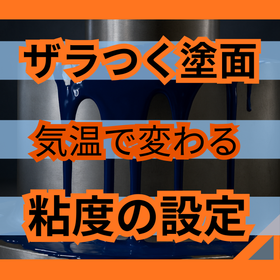
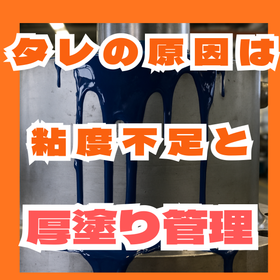
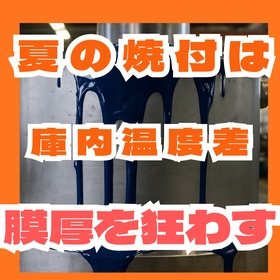
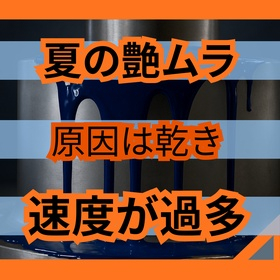
Aluminum die casting coating was all about managing the viscosity of the drips.

The cause of the dripping is the mismatch between paint viscosity and curing temperature. It explains the phenomenon where a 20-degree difference results in a threefold increase in occurrence rate.

Dripping occurs due to poor coating film, which not only leads to appearance defects but also induces poor curing in thick film areas. On average, it accounts for 8-12 percent of all painting defects in the industry. Relationship between viscosity and curing temperature: The lower the paint viscosity and the higher the curing temperature, the more likely dripping occurs. Even with the same viscosity of paint, simply raising the curing temperature from 160 degrees to 180 degrees can increase the dripping occurrence rate from 20 percent to 60 percent. Response to seasonal variations: The viscosity of paint can change by up to 40 percent between winter (5 degrees) and summer (25 degrees). Without proper viscosity management, the defect patterns will vary with each season, making it difficult to identify the causes. Optimal viscosity by material: Aluminum die casting has an optimal viscosity of 20 seconds (Ford cup), zinc die casting 18 seconds, and stainless steel 22 seconds. It is necessary to address the differences in surface tension by material. Our company has implemented daily management using a viscometer and an automatic adjustment system based on material and season, keeping the dripping occurrence rate below 2 percent.

  • others

Added to bookmarks

Bookmarks list

Bookmark has been removed

Bookmarks list

You can't add any more bookmarks

By registering as a member, you can increase the number of bookmarks you can save and organize them with labels.

Free membership registration

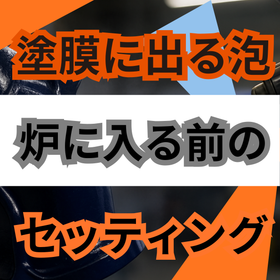
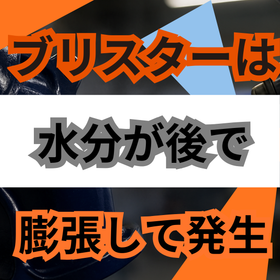
Aluminum die-cast coating was at risk of blistering and paint delamination.

The cause of blisters is the volatilization and gasification of oils. The simultaneous removal of moisture and oils from the material is the key point for countermeasures.

Blistering is a defect where the paint film swells during the cooling stage after baking, creating cavities between the paint film and the substrate. Once it occurs, the paint film peels off due to temperature changes in the usage environment, resulting in a high complaint rate after delivery, second only to paint peeling (industry average: 15-20 percent). The risk of double gasification: At a baking temperature of around 150 degrees, residual oil vaporizes, and moisture absorbed by the substrate turns into steam. When these two gases are generated simultaneously, pressure increases under the paint film, and there is data showing that the blistering rate can reach 85 percent. Optimal temperature for degreasing solution: Keeping the degreasing solution above 50 degrees improves oil removal efficiency by 60 percent. Additionally, moisture after chemical treatment can be removed by 95 percent with heating and drying at 80 degrees for 3 minutes. Response to stainless steel materials: Stainless steel absorbs more moisture on its surface than aluminum (1.5 times more), making it incompatible with conventional conditions. It is essential to set pre-treatment conditions specific to each material. Our company has established optimal degreasing and drying conditions for each material, achieving zero blistering.

  • others

Added to bookmarks

Bookmarks list

Bookmark has been removed

Bookmarks list

You can't add any more bookmarks

By registering as a member, you can increase the number of bookmarks you can save and organize them with labels.

Free membership registration

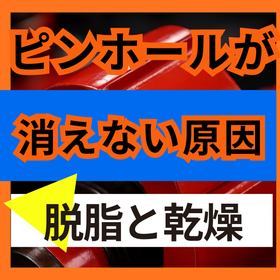
Aluminum die-cast coating was all about pinholes in quality.

The true cause of pinhole formation is not the paint, but insufficient gas release. This explains how it can occur even with heating at 60 degrees.

Pinhole defects are caused by countless tiny holes forming on the surface of the paint film. In automotive parts, this results in appearance defects that can lead to complaints, with cases where delivery delays and re-manufacturing costs increase by an average of 200,000 to 300,000 yen. The importance of the degassing process: Many sites tend to think that "the quality of the paint is low," but in reality, gases remaining in aluminum die-cast or pressed products expand at a curing temperature of 180 degrees and form holes when released from the surface of the paint film. Humidity management is crucial: In environments with humidity over 60 percent, moisture absorbed by the material vaporizes, increasing the pinhole occurrence rate by 40 to 50 percent. By simply heating at 100 degrees for 5 to 10 minutes in the pre-curing process, the occurrence rate can be reduced by 70 percent. The effect of pre-degreasing: By setting the temperature of the degreasing solution to 55 degrees and ensuring a soaking time of 3 to 5 minutes just before painting, the amount of gas inside the material can be reduced by up to 80 percent. Addressing pinholes is not about changing the paint but optimizing pre-treatment and environmental management. Our company optimizes the degassing conditions for each material in small lots, achieving high-quality painting.

  • others

Added to bookmarks

Bookmarks list

Bookmark has been removed

Bookmarks list

You can't add any more bookmarks

By registering as a member, you can increase the number of bookmarks you can save and organize them with labels.

Free membership registration

The poor adhesion in aluminum die casting painting was caused by insufficient degreasing.

Insufficient degreasing can trigger malfunctions. An explanation of the importance of the often-overlooked degreasing process.

One of the most common causes of poor adhesion in aluminum die-cast painting is insufficient degreasing. If painting is done while release agents or processing oils remain on the surface of the material, the paint cannot adhere directly to the material, leading to paint film peeling. Particular attention should be paid to oil residues that cannot be confirmed visually. Even if the surface appears clean, just a small amount of oil residue can significantly reduce adhesion. While the painted surface may look fine immediately after painting, there are cases where peeling occurs weeks later. Moreover, insufficient degreasing not only leads to poor adhesion but can also cause blisters and pinholes. This is because oils can volatilize during the curing process at around 180°C, causing defects within the paint film. In practice, there may be attempts to shorten the degreasing process to improve productivity, but this often results in increased costs for re-coating or handling complaints. The first step in addressing poor adhesion is to standardize the degreasing process and review the management conditions. We have prepared materials summarizing examples of defects caused by insufficient degreasing and points for improvement. Please use them as reference materials for process improvement.

  • others

Added to bookmarks

Bookmarks list

Bookmark has been removed

Bookmarks list

You can't add any more bookmarks

By registering as a member, you can increase the number of bookmarks you can save and organize them with labels.

Free membership registration

Aluminum die casting coating's pre-treatment was everything for quality.

The quality of the pre-treatment greatly affects adhesion. What processes should be checked before the paint and equipment?

In aluminum die casting painting, it is not an exaggeration to say that the pre-treatment determines the quality. No matter how high-performance the paint used is, if the pre-treatment is insufficient, it can lead to poor adhesion and paint film peeling. One often overlooked factor is the specific contaminants of the material. Aluminum die casting tends to retain release agents and processing oils, and if painting is done without adequate degreasing, the paint film will not adhere properly. Additionally, the oxide film can also cause a decrease in adhesion. Furthermore, in baked coatings, heating to around 180°C can cause internal gases to expand, potentially leading to blisters and pinholes. Therefore, gas countermeasures during the pre-treatment stage are also important. On-site, there is often a tendency to focus solely on the painting process, but many issues arise before painting. By properly performing degreasing, surface adjustment, and chemical treatment, adhesion and durability can be improved. To stabilize quality, it is necessary to manage not only the painting conditions but the entire pre-treatment process. We have published materials summarizing cases where improvements were made by reviewing the pre-treatment process. If you have similar challenges, please refer to them.

  • others

Added to bookmarks

Bookmarks list

Bookmark has been removed

Bookmarks list

You can't add any more bookmarks

By registering as a member, you can increase the number of bookmarks you can save and organize them with labels.

Free membership registration

The aluminum die-cast coating was all about poor adhesion.

Poor adhesion cannot be solved by paint alone. Multiple processes such as pretreatment, degreasing, and gas release are involved.

One of the most common defects in aluminum die-cast painting is poor adhesion. When peeling or lifting of the paint film occurs, it is easy to suspect the paint or painting method; however, the actual cause often lies in the processes prior to painting. Particularly overlooked is the pretreatment. Aluminum die-cast parts tend to retain release agents and cutting oils, and if painting is done without sufficient degreasing, adhesion will decrease. Additionally, the oxide film on the surface can hinder paint adhesion. Furthermore, in processes with baking temperatures around 180°C, internal gases can expand, leading to blisters or pinholes. Environments with humidity over 60% and insufficient gas venting also increase the incidence of defects. In practice, there are cases where attempts are made to resolve issues by changing the paint, but this alone does not lead to fundamental improvements. It is important to review the entire process, including chemical treatment and gas venting. Poor adhesion is not an isolated defect; it is closely related to pinholes, blisters, and paint peeling. Understanding the entire process is the first step toward improving quality. We have prepared materials summarizing measures and improvement cases for poor adhesion in aluminum die-cast painting. If you are considering quality improvement, please make use of them.

  • others

Added to bookmarks

Bookmarks list

Bookmark has been removed

Bookmarks list

You can't add any more bookmarks

By registering as a member, you can increase the number of bookmarks you can save and organize them with labels.

Free membership registration

Insufficient surface treatment was the culprit for rust reoccurrence, a warning of decreased adhesion.

Optimization of the entire preprocessing ensures painting quality.

【Problem】 If surface treatment is insufficient, rust may reoccur with long-term use, and the paint film may peel off. 【Causes and Issues】 - Insufficient thickness of chemical treatment - Residual oil and contaminants on the surface - Decreased adhesion - Moisture intrusion from the environment - Inadequate process management 【Management Standards and Guidelines】 Surface treatment is fundamental to painting. It is essential to strictly manage the entire process of chemical treatment → cleaning → drying → painting. Clearly define the quality standards for each process and conduct regular inspections. 【Improvement Examples and Effects】 By properly implementing surface treatment and optimizing the entire pretreatment process, durability is significantly improved. The quality during long-term use stabilizes, leading to increased customer satisfaction.

  • others

Added to bookmarks

Bookmarks list

Bookmark has been removed

Bookmarks list

You can't add any more bookmarks

By registering as a member, you can increase the number of bookmarks you can save and organize them with labels.

Free membership registration

Insufficient rust prevention is the cause of all rust reoccurrence: the truth within the coating.

Methods to ensure long-term durability through rust prevention treatment.

【Problem】 If the rust prevention treatment (chemical treatment) is insufficient, rust may reoccur beneath the coating. 【Causes and Issues】 - Lack of or insufficient chemical treatment - Moisture intrusion within the coating - Gradual reoccurrence of rust with long-term use - Possibility of occurrence even with stainless steel and aluminum - Acceleration due to environmental factors 【Management Standards and Guidelines】 Rust prevention treatment is a mandatory requirement. It is important to ensure the thickness and uniformity of the chemical treatment layer. Regular inspections are necessary. 【Improvement Examples and Effects】 By properly implementing rust prevention treatment, long-term corrosion resistance is significantly improved. The durability of the coating is greatly extended.

  • others

Added to bookmarks

Bookmarks list

Bookmark has been removed

Bookmarks list

You can't add any more bookmarks

By registering as a member, you can increase the number of bookmarks you can save and organize them with labels.

Free membership registration

Insufficient drying was the culprit of the pinholes, the essence of the cleaning process.

Achieving high-quality painting through the optimization of the drying process.

**Problem** Insufficient drying after washing can leave moisture trapped within the paint film, leading to the occurrence of pinholes. **Causes and Issues** - Insufficient drying time - Low drying temperature - Residual moisture on the surface - Formation of bubbles within the paint film - Inadequate environmental management **Management Standards and Guidelines** It is important to ensure appropriate drying temperature and time. Complete drying is a prerequisite. Temperature management of the drying oven is crucial. **Improvement Examples and Effects** By optimizing the drying process, the occurrence rate of pinholes significantly decreases. The quality of the paint film stabilizes, and the defect rate can be greatly reduced.

  • others

Added to bookmarks

Bookmarks list

Bookmark has been removed

Bookmarks list

You can't add any more bookmarks

By registering as a member, you can increase the number of bookmarks you can save and organize them with labels.

Free membership registration

Insufficient cleaning is the cause of all painting defects and the truth behind recontamination.

Post-cleaning environmental management determines the quality of the coating.

**Problem** Insufficient cleaning causes residual oil and contaminants on the surface, leading to poor adhesion. **Causes and Issues** - Recontamination occurs due to leaving the surface after degreasing. - Dust and oil from the environment adhere to the surface. - Insufficient cleaning does not provide a fundamental solution. - If drying is inadequate, moisture remains. - Secondary contamination occurs over time. **Management Standards and Guidelines** It is recommended to paint immediately after cleaning. Minimizing idle time is crucial to prevent recontamination. Environmental management is also a prerequisite. **Improvement Examples and Effects** By strictly managing the cleaning process, defects caused by recontamination can be reduced. Adhesion significantly improves, and the quality of the paint film stabilizes.
  • others

Added to bookmarks

Bookmarks list

Bookmark has been removed

Bookmarks list

You can't add any more bookmarks

By registering as a member, you can increase the number of bookmarks you can save and organize them with labels.

Free membership registration

The overly rough surface was the culprit of the pinholes; the essence of pre-treatment management.

The importance of the balance of roughness in determining paint quality.

【Problem】 If the surface roughness is excessively high, it can lead to poor painting results. 【Causes and Issues】 - If the blast pressure is too high, deep irregularities are formed. - The paint does not spread evenly. - Air or solvents remain trapped within the paint film. - This leads to pinholes and uneven film thickness. - An outdated belief that "a mirror finish is good" influences this issue. 【Management Standards and Guidelines】 It is important to ensure a surface that is not too rough (approximately Ra 1.0 to 2.0 micrometers). Proper setting of blast pressure is essential. Regular surface inspections are necessary. 【Improvement Examples and Effects】 By managing the roughness to appropriate levels, the incidence of pinholes significantly decreases. Uneven film thickness is also improved, stabilizing quality.

  • others

Added to bookmarks

Bookmarks list

Bookmark has been removed

Bookmarks list

You can't add any more bookmarks

By registering as a member, you can increase the number of bookmarks you can save and organize them with labels.

Free membership registration

Surface roughness is the cause of all adhesion failures and the truth behind the delamination chain.

A thorough explanation of the truth about surface roughness that causes painting defects.

【Problem】 Insufficient surface roughness significantly reduces the adhesion of the coating film, leading to painting defects. 【Causes and Issues】 - Many judgments are made based on the assumption that "it looks nice, so there is no problem." - If the surface is too smooth, the paint does not penetrate sufficiently. - This is particularly impactful with stainless steel and aluminum materials. - It may manifest as peeling of the coating film a few months later. - It can be difficult to judge visually. 【Management Standards and Guidelines】 The recommended surface roughness is approximately Ra 1.0 to 2.0 micrometers. It can be challenging to assess roughness visually. It is important to manage numerical values. 【Improvement Examples and Effects】 By managing surface roughness numerically, adhesion is greatly improved. Actual improvement cases are detailed in publicly available materials. The enhancement of adhesion significantly improves the long-term durability of the coating film.

  • others

Added to bookmarks

Bookmarks list

Bookmark has been removed

Bookmarks list

You can't add any more bookmarks

By registering as a member, you can increase the number of bookmarks you can save and organize them with labels.

Free membership registration

Insufficient surface treatment was the culprit of rust reoccurrence, a warning of decreased adhesion.

Optimization of the entire preprocessing is essential.

[Problem] Insufficient surface treatment leads to rust reoccurrence and paint film peeling during long-term use. [Cause] Insufficient thickness of chemical treatment film / Residual oil and contaminants on the surface / Decreased adhesion / Moisture intrusion from the environment. [Management Standards] Surface treatment is fundamental to painting; strictly manage the entire process of chemical treatment → cleaning → drying → painting. [Improvement Example] By properly implementing surface treatment and optimizing the entire pretreatment process, durability has significantly improved.

  • others

Added to bookmarks

Bookmarks list

Bookmark has been removed

Bookmarks list

You can't add any more bookmarks

By registering as a member, you can increase the number of bookmarks you can save and organize them with labels.

Free membership registration

Insufficient rust prevention is the cause of all rust reoccurrence; the truth within the coating.

Ensure long-term durability with rust prevention treatment.

【Issue】Insufficient rust prevention treatment (conversion treatment) leads to rust reoccurring under the paint film. 【Cause】Lack of or insufficient conversion treatment / Moisture intrusion within the paint film / Gradual rust reoccurrence with long-term use / Possibility of occurrence especially in stainless steel and aluminum. 【Management Standards】Rust prevention treatment is essential; ensure the thickness and uniformity of the conversion treatment film. 【Improvement Example】By properly implementing rust prevention treatment, long-term corrosion resistance is significantly improved.

  • others

Added to bookmarks

Bookmarks list

Bookmark has been removed

Bookmarks list

You can't add any more bookmarks

By registering as a member, you can increase the number of bookmarks you can save and organize them with labels.

Free membership registration

Insufficient drying was the culprit behind the pinholes, the essence of the cleaning process.

Improvement of quality through optimization of the drying process.

【Problem】Insufficient drying after washing leads to moisture remaining in the coating, causing pinholes. 【Cause】Insufficient drying time / Low drying temperature / Residual moisture on the surface / Bubble formation inside the coating. 【Management Standards】It is essential to ensure appropriate drying temperature and time, and to achieve complete drying. 【Improvement Example】By optimizing the drying process, the occurrence rate of pinholes significantly decreased.

  • others

Added to bookmarks

Bookmarks list

Bookmark has been removed

Bookmarks list

You can't add any more bookmarks

By registering as a member, you can increase the number of bookmarks you can save and organize them with labels.

Free membership registration

Insufficient cleaning is the cause of all painting defects and the truth behind recontamination.

Post-cleaning environmental management is important.

【Problem】Residual oil and contaminants left on the surface due to insufficient cleaning cause poor adhesion. 【Cause】Recontamination occurs due to leaving the surface after degreasing / Dust and oil from the environment adhere / Insufficient cleaning does not provide a fundamental solution / If drying is inadequate, moisture remains. 【Management Standards】It is recommended to paint immediately after cleaning and minimize the waiting time. 【Improvement Example】By strictly managing the cleaning process, defects caused by recontamination have been reduced.

  • others

Added to bookmarks

Bookmarks list

Bookmark has been removed

Bookmarks list

You can't add any more bookmarks

By registering as a member, you can increase the number of bookmarks you can save and organize them with labels.

Free membership registration

The overly rough surface was the culprit of the pinholes; the essence of pre-treatment management.

The balance of roughness affects quality.

【Problem】Excessively high surface roughness leads to poor painting quality. 【Cause】If the blast pressure is too high, deep irregularities are formed, causing the paint to not spread evenly, and air or solvent remains inside the coating, leading to pinholes and uneven film thickness. 【Management Standard】Ensure a surface that is not too rough (approximately Ra 1.0 to 2.0 micrometers). 【Improvement Example】By managing roughness to appropriate levels, the incidence of pinholes significantly decreases.

  • others

Added to bookmarks

Bookmarks list

Bookmark has been removed

Bookmarks list

You can't add any more bookmarks

By registering as a member, you can increase the number of bookmarks you can save and organize them with labels.

Free membership registration

Surface roughness is the cause of all adhesion failures and the truth behind the delamination chain.

The truth about surface roughness that causes painting defects.

[Problem] Insufficient surface roughness significantly reduces coating adhesion. [Cause] Many judgments are made based on the appearance being clean, assuming there is no problem / If the surface is too smooth, the paint does not penetrate sufficiently / This has a particularly large impact on stainless steel and aluminum materials / It may manifest as coating peeling a few months later. [Management Standards] Surface roughness should be around Ra 1.0 to 2.0 micrometers. [Improvement Example] By managing surface roughness numerically, adhesion can be greatly improved.

  • others

Added to bookmarks

Bookmarks list

Bookmark has been removed

Bookmarks list

You can't add any more bookmarks

By registering as a member, you can increase the number of bookmarks you can save and organize them with labels.

Free membership registration

Insufficient surface treatment was the culprit behind the recurrence of rust, a warning of decreased adhesion.

Has rust reappeared after painting? The cause may not be the paint, but rather a decrease in adhesion due to insufficient surface treatment.

Surface treatment is a crucial process that affects the adhesion of the paint film and its corrosion resistance. However, in practice, there are many cases where it is judged that "there is no problem because cleaning is done before painting." In reality, insufficient degreasing or inadequate chemical treatment can lead to reduced adhesion of the paint film, allowing moisture and oxygen to infiltrate through tiny gaps, which can cause corrosion to progress within the paint film. This is particularly true for iron materials and zinc-coated materials, where insufficient surface treatment can easily lead to re-rusting. This is actually a point that is often overlooked. Poor adhesion may not be visible immediately after painting. Furthermore, in chemical treatment, there are cases where management is based on a liquid temperature of 35 to 50 degrees Celsius and a film weight of about 1 to 3 grams per square meter. Insufficient treatment can lead to peeling or pinholes. A common misconception on site is the belief that "rust prevention can be achieved solely through paint performance." By reviewing surface treatment conditions, there are many cases where re-rusting can be improved. Actual improvement cases are also detailed in publicly available materials.

  • others

Added to bookmarks

Bookmarks list

Bookmark has been removed

Bookmarks list

You can't add any more bookmarks

By registering as a member, you can increase the number of bookmarks you can save and organize them with labels.

Free membership registration

Insufficient rust prevention is the cause of all rust reoccurrence: the truth within the coating.

Has rust reappeared after a while since painting? The cause may not be the paint film, but rather corrosion of the substrate due to insufficient rust prevention treatment.

Rust that reappears after painting may not be due to the paint film itself, but rather insufficient anti-corrosion treatment. However, on-site, it is often mistakenly judged that "since it has been painted, it won't rust." In reality, if fine red rust or corrosion components remain on the surface of the material, corrosion can progress inside the paint film and manifest as reappearing rust months later. This is especially significant at welded joints and cut surfaces, where the effects of insufficient anti-corrosion treatment are more pronounced. This is actually a point that is often overlooked. Even if it looks clean on the outside, corrosion reactions are progressing inside the paint film. Furthermore, if anti-corrosion primer is not applied after blast treatment and left unattended, reappearing rust can rapidly progress in conditions of over 60 percent humidity. A common misconception on-site is the belief that "if the topcoat is thick enough, there will be no problem." By reviewing the anti-corrosion process, there are cases where reappearing rust can be significantly improved. Actual improvement cases are also detailed in publicly available materials.

  • others

Added to bookmarks

Bookmarks list

Bookmark has been removed

Bookmarks list

You can't add any more bookmarks

By registering as a member, you can increase the number of bookmarks you can save and organize them with labels.

Free membership registration

Insufficient drying was the culprit behind the pinholes, the essence of the cleaning process.

Are you overlooking the drying process after cleaning? In fact, residual moisture may be causing pinholes and blisters.

The drying process after cleaning is an important management item that affects painting quality. However, on-site, there are often cases where it is judged that "there is no problem because it looks dry." In reality, there may be fine moisture remaining on the surface of the material or inside gaps. If painting is done in this state, moisture can evaporate during curing, leading to pinholes, blisters, or delamination of the paint film. This is actually a point that is often overlooked. Complex-shaped parts tend to retain moisture inside. Furthermore, in drying ovens, temperatures are often managed at around 80 to 120 degrees, but there may be cases where the oven temperature does not match the product temperature. A common misconception on-site is the belief that "it's safe because it has passed through the drying oven." By reviewing the drying conditions, there are many cases where quality can be stabilized. Actual improvement cases are also detailed in publicly available materials.

  • others

Added to bookmarks

Bookmarks list

Bookmark has been removed

Bookmarks list

You can't add any more bookmarks

By registering as a member, you can increase the number of bookmarks you can save and organize them with labels.

Free membership registration

Insufficient cleaning is the cause of all painting defects and the truth behind recontamination.

The peeling paint and pinholes are not decreasing. The cause may not be due to degreasing, but rather residual chemicals from insufficient cleaning or recontamination.

The cleaning process is a crucial step that removes residual chemicals and fine dirt left after degreasing. However, in practice, there are many cases where it is judged that "there is no problem because we are rinsing with water." In reality, insufficient cleaning can lead to the residual chemical components remaining on the material's surface, which can vaporize during curing, resulting in pinholes or paint film lifting. This is particularly likely to occur with complex-shaped parts, where defects due to liquid pooling can easily arise. This is actually a point that is often overlooked. There are cases where the cleaning water itself is contaminated. Furthermore, in some cases, the final rinse water is managed based on a conductivity standard of 50 microsiemens per centimeter or less. Deterioration of water quality can lead to adhesion failures or whitening phenomena. A common misunderstanding in the field is the belief that "as long as degreasing is done, there is no problem." By reviewing the cleaning conditions, there are many cases where the defect rate can be improved. Actual improvement cases are also detailed in publicly available materials.

  • others

Added to bookmarks

Bookmarks list

Bookmark has been removed

Bookmarks list

You can't add any more bookmarks

By registering as a member, you can increase the number of bookmarks you can save and organize them with labels.

Free membership registration

The overly rough surface was the culprit of the pinholes; the essence of pre-treatment management.

Are you noticing an increase in pinholes and film thickness variation after blast treatment? The excessive management of surface roughness may actually be the cause.

Surface roughness is important for improving adhesion, but being rough is not necessarily good. Excessive roughening can, on the contrary, lead to poor painting results. Particularly when the blasting pressure is too high, deep irregularities can form on the surface, preventing the paint from spreading evenly. As a result, air or solvents may remain trapped within the paint film, leading to pinholes or uneven film thickness. This is actually a point that is often overlooked. Excessive roughness affects not only adhesion failure but also appearance defects. Furthermore, it is common to manage blasting pressure at around 0.3 to 0.5 megapascals as a standard. Excessive projection can also lead to material deformation. A common misunderstanding in the field is the belief that "the rougher, the better the adhesion." By optimizing surface roughness, quality can often be stabilized. Actual improvement cases are also detailed in publicly available materials.

  • others

Added to bookmarks

Bookmarks list

Bookmark has been removed

Bookmarks list

You can't add any more bookmarks

By registering as a member, you can increase the number of bookmarks you can save and organize them with labels.

Free membership registration

Surface roughness is the cause of all adhesion failures and the truth behind delamination chains.

The peeling of paint and poor adhesion are relentless. The cause may not be the paint itself, but rather a decrease in the adhesion area due to insufficient surface roughness.

Surface roughness is an important pre-treatment condition that affects the adhesion of the paint film. However, in the field, there are many cases where it is judged that "there is no problem because it looks nice." In reality, if the surface is too smooth, the paint may not penetrate sufficiently, leading to poor adhesion or peeling. This is especially significant with stainless steel and aluminum materials, where it may manifest as paint film lifting months later. This is actually a point that is often overlooked. Insufficient roughness can be difficult to assess visually. Furthermore, it is sometimes recommended to aim for a surface roughness of about Ra 1.0 to 2.0 micrometers before painting. Insufficient roughness increases the likelihood of pinholes and paint film peeling. A common misconception in the field is the belief that "a mirror finish is better." By managing surface roughness numerically, there are cases where adhesion can be greatly improved. Actual improvement cases are also detailed in publicly available materials.

  • others

Added to bookmarks

Bookmarks list

Bookmark has been removed

Bookmarks list

You can't add any more bookmarks

By registering as a member, you can increase the number of bookmarks you can save and organize them with labels.

Free membership registration

The culprit of poor adhesion after degreasing was leaving it unattended: the essence of pre-treatment management.

Have you not waited after defatting? That "waiting time" may be causing the paint to peel.

Even if the degreasing process is carried out properly, the quality of the paint can vary significantly due to subsequent management. The longer the time after degreasing that the surface of the parts is contaminated again with oil or dust, the lower the adhesion of the paint film will be. Time management from pre-treatment to painting is the key to preventing painting defects.

  • others

Added to bookmarks

Bookmarks list

Bookmark has been removed

Bookmarks list

You can't add any more bookmarks

By registering as a member, you can increase the number of bookmarks you can save and organize them with labels.

Free membership registration

Insufficient degreasing is the root cause of all painting defects and reduced adhesion.

The reason for the persistent paint peeling and pinholes may be the invisible residue of oil.

Degreasing is an important process in the pre-painting stage that greatly affects the adhesion of the paint film. If the removal of oil, dust, and oxide films is insufficient, the adhesion of the paint film will decrease, leading to many defects such as paint peeling, pinholes, and variations in film thickness.

  • others

Added to bookmarks

Bookmarks list

Bookmark has been removed

Bookmarks list

You can't add any more bookmarks

By registering as a member, you can increase the number of bookmarks you can save and organize them with labels.

Free membership registration

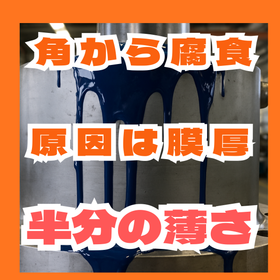
Defect in "Film Thickness Design": The Final Warning of Frequent Chipping

Chipping of aluminum die-cast coating is primarily caused by insufficient film thickness. Have you improved the coating design?

## Defects in "Film Thickness Design": The Final Warning of Frequent Chipping Chipping in aluminum die-cast coatings is primarily caused by insufficient film thickness. Have you improved the coating design?

  • others

Added to bookmarks

Bookmarks list

Bookmark has been removed

Bookmarks list

You can't add any more bookmarks

By registering as a member, you can increase the number of bookmarks you can save and organize them with labels.

Free membership registration

The Crisis of "Baking Management": The Truth Behind Frequent Curing Failures

The main cause of poor curing in aluminum die-cast coating is insufficient baking. Have you checked the baking conditions?

## The Crisis of "Curing Management": The Truth Behind Frequent Curing Failures The main cause of curing failures in aluminum die-cast painting is insufficient curing. Have you checked the curing conditions?

  • others

Added to bookmarks

Bookmarks list

Bookmark has been removed

Bookmarks list

You can't add any more bookmarks

By registering as a member, you can increase the number of bookmarks you can save and organize them with labels.

Free membership registration

Loss of "chemical treatment function": Warning of frequent rust occurrence

The white rust on aluminum die casting is caused by the deterioration of the chemical treatment solution. Have you replaced the treatment solution?

## Loss of "Chemical Treatment Function": Warning of Frequent Rust White rust on aluminum die castings is caused by the deterioration of the chemical treatment solution. Have you replaced the treatment solution?

  • others

Added to bookmarks

Bookmarks list

Bookmark has been removed

Bookmarks list

You can't add any more bookmarks

By registering as a member, you can increase the number of bookmarks you can save and organize them with labels.

Free membership registration

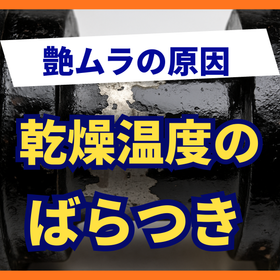
Uncontrollable "drying conditions": Risk of uneven gloss occurrence

The uneven gloss of aluminum die-cast coating is mainly caused by the drying temperature. Have you fundamentally improved the drying process?

## Uncontrollable "Drying Conditions": The Risk of Gloss Unevenness Gloss unevenness in aluminum die-cast painting is primarily caused by drying temperature. Have you fundamentally improved the drying process?

  • others

Added to bookmarks

Bookmarks list

Bookmark has been removed

Bookmarks list

You can't add any more bookmarks

By registering as a member, you can increase the number of bookmarks you can save and organize them with labels.

Free membership registration

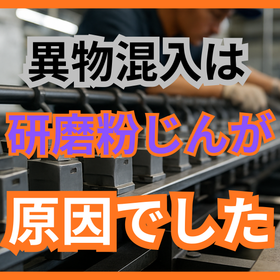
Failure of "Environmental Management": Warning of Rapid Increase in Foreign Substance Contamination

Environmental pollution from aluminum die-casting factories leads to foreign matter contamination. Is environmental improvement urgent?

## The Failure of "Environmental Management": Warning of a Surge in Foreign Matter Contamination Environmental pollution from aluminum die-casting factories is causing an increase in foreign matter contamination. Is environmental improvement an urgent necessity?

  • others

Added to bookmarks

Bookmarks list

Bookmark has been removed

Bookmarks list

You can't add any more bookmarks

By registering as a member, you can increase the number of bookmarks you can save and organize them with labels.

Free membership registration

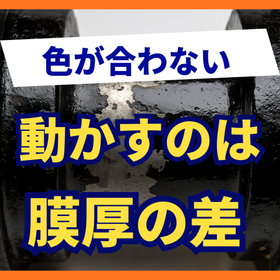
Color unevenness of "thickness variation": A crisis of quality collapse.

The color unevenness in aluminum die-cast painting is caused by inconsistent film thickness. Have you checked the spray pressure?

## Color Variation of "Film Thickness Variation": A Crisis of Quality Collapse Color variation in aluminum die-cast painting is caused by uneven film thickness. Are you able to check the spray pressure?

  • others

Added to bookmarks

Bookmarks list

Bookmark has been removed

Bookmarks list

You can't add any more bookmarks

By registering as a member, you can increase the number of bookmarks you can save and organize them with labels.

Free membership registration

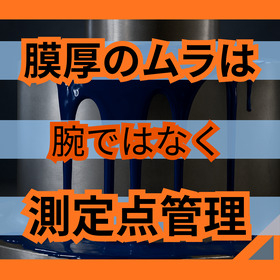
The breakdown of "viscosity management": A serious situation with frequent drips.

The cause of the aluminum die-cast coating defects is viscosity management. Have you conducted a review?

## Breakdown of "Viscosity Management": Serious Situation of Frequent Dripping Dripping in aluminum die-cast painting is primarily caused by viscosity management. Have you conducted a review?

  • others

Added to bookmarks

Bookmarks list

Bookmark has been removed

Bookmarks list

You can't add any more bookmarks

By registering as a member, you can increase the number of bookmarks you can save and organize them with labels.

Free membership registration

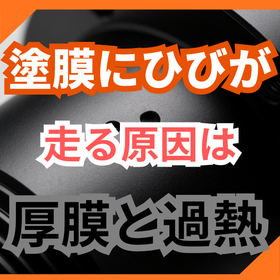
The limit of "baking temperature": The true culprit behind the sudden increase in blisters.

The blistering of the aluminum die-cast coating is mainly due to the curing conditions. Did you check the process?

## The Limits of "Baking Temperature": The True Culprit Behind the Sudden Increase in Blisters Blisters in aluminum die-cast coatings are primarily caused by baking conditions. Have you checked the process?

  • others

Added to bookmarks

Bookmarks list

Bookmark has been removed

Bookmarks list

You can't add any more bookmarks

By registering as a member, you can increase the number of bookmarks you can save and organize them with labels.

Free membership registration

The truth behind the frequent occurrence of pinholes caused by "internal gas expansion."

Occurrence of pinholes due to internal gas in aluminum die casting. Is the baking treatment sufficient?

## The Truth Behind the Frequent Occurrence of Pinholes Caused by "Internal Gas Expansion" in Aluminum Die Casting. Is the Burnout Treatment Sufficient?

  • others

Added to bookmarks

Bookmarks list

Bookmark has been removed

Bookmarks list

You can't add any more bookmarks

By registering as a member, you can increase the number of bookmarks you can save and organize them with labels.

Free membership registration

The 'voids during casting' are the cause of poor adhesion: measures are urgently needed.

The poor adhesion of aluminum die-cast coating is caused by gas holes. Have you implemented fundamental countermeasures?

## "Porosity during casting" is the cause of poor adhesion: Urgent measures are needed. Poor adhesion in aluminum die-cast coatings is caused by gas porosity. Have you implemented fundamental countermeasures?

  • others

Added to bookmarks

Bookmarks list

Bookmark has been removed

Bookmarks list

You can't add any more bookmarks

By registering as a member, you can increase the number of bookmarks you can save and organize them with labels.

Free membership registration

Warning of "thermal expansion difference" in dissimilar metal pinholes.

Dissimilar metals cause pinhole formation due to differences in expansion. The adoption of low-temperature curing paint is a countermeasure.

In products that combine different metals, pinholes may occur due to differences in thermal expansion. During curing, the amount of expansion varies by material, leading to stress within the coating. Particularly in combinations with a large difference in expansion coefficients, such as aluminum and iron, there can be cases of fine coating failure. Effective countermeasures include using low-temperature curing paints and designing highly flexible coatings. It is also important to consider these factors from the structural design stage. Detailed examples of improvements are also provided in publicly available materials.

  • others

Added to bookmarks

Bookmarks list

Bookmark has been removed

Bookmarks list

You can't add any more bookmarks

By registering as a member, you can increase the number of bookmarks you can save and organize them with labels.

Free membership registration

Crying over the pinholes in the aluminum anodizing "seal hole treatment."

The occurrence of pinholes in anodized aluminum is related to sealing conditions. Adjusting to the painting specifications is important.

In aluminum anodizing, the sealing treatment conditions can affect the occurrence of pinholes. Insufficient sealing may leave internal voids that can gasify during baking. Conversely, excessive sealing can reduce paint adhesion, potentially leading to localized coating defects. As a countermeasure, it is important to align the sealing conditions with the painting specifications. Additionally, using a dedicated primer may improve adhesion. Detailed examples of improvements are also provided in publicly available materials.

  • others

Added to bookmarks

Bookmarks list

Bookmark has been removed

Bookmarks list

You can't add any more bookmarks

By registering as a member, you can increase the number of bookmarks you can save and organize them with labels.

Free membership registration

The culprit was the "solvent congestion" of the pinholes in the molten zinc coating.

Dop plating has a low volatility of the paint solvent. Sweep blasting is effective.

In molten zinc-coated materials, gas generation due to surface reactions can sometimes cause pinholes. Particularly when the coating surface is too smooth, solvents in the paint can become trapped. Additionally, if white rust or surface contamination remains, reactions can progress during curing, leading to the formation of holes in the coating. Effective countermeasures include sweep blasting and the use of specialized primers. Thickness management is also important, as care must be taken to avoid solvent entrapment due to excessive coating thickness. Detailed examples of improvements are also provided in publicly available documents.

  • others

Added to bookmarks

Bookmarks list

Bookmark has been removed

Bookmarks list

You can't add any more bookmarks

By registering as a member, you can increase the number of bookmarks you can save and organize them with labels.

Free membership registration

The copper pinhole is crying due to "idle time."

Copper materials oxidize quickly, so they should not be left unattended. Immediate painting after polishing maintains adhesion.

Copper materials have a characteristic of rapid oxidation, making them prone to pinhole formation. If left uncoated for a long time after polishing, an oxide film forms, which reduces the adhesion of the coating. In particular, in high humidity environments, the oxidation reaction accelerates, and there are cases where gasification occurs during baking. Even if the appearance is clean, surface reactions are still progressing. As countermeasures, it is important to paint immediately after polishing and to shorten storage time. Additionally, managing air blowing after degreasing also affects adhesion. We provide detailed examples of improvements in copper materials in publicly available documents.

  • others

Added to bookmarks

Bookmarks list

Bookmark has been removed

Bookmarks list

You can't add any more bookmarks

By registering as a member, you can increase the number of bookmarks you can save and organize them with labels.

Free membership registration

All about "internal gas" pinholes in die casting.

The pinholes in die casting are caused by internal gas expansion. A dry burning treatment is effective.

Pinholes that occur in die-cast materials are primarily caused by internal gases. When heated, the internal gases expand and break through the coating, creating holes. The occurrence rate is particularly high in materials with many voids or gas entrapment during casting. It is often characterized by the fact that treating only the surface does not lead to improvement. As a countermeasure, a baking treatment at 200 to 250°C for about 30 to 60 minutes is effective. Additionally, using low-temperature curing coatings may also help reduce occurrences. Detailed examples of improvements are also introduced in publicly available materials.

  • others

Added to bookmarks

Bookmarks list

Bookmark has been removed

Bookmarks list

You can't add any more bookmarks

By registering as a member, you can increase the number of bookmarks you can save and organize them with labels.

Free membership registration

Stainless steel pinholes collapse due to "thickness miscalculation."

The cause of pinholes in SUS coating is excessive film thickness. Solvent cannot escape, leading to the formation of holes.

Stainless steel is a material that is resistant to rust but difficult for paint to adhere to. The passive film on the surface can repel paint, leading to pinholes. Particularly, when there is insufficient polishing or poor degreasing, voids can easily form within the paint film. Additionally, if the film thickness is too great, solvents may not escape properly, resulting in holes. Effective countermeasures include the use of sandblasting or specialized primers. In some cases, a surface roughness of around Ra 1.0 to 2.0 μm is recommended. We also provide detailed examples of improvements in publicly available materials.

  • others

Added to bookmarks

Bookmarks list

Bookmark has been removed

Bookmarks list

You can't add any more bookmarks

By registering as a member, you can increase the number of bookmarks you can save and organize them with labels.

Free membership registration

The culprit is the brass pinhole "oxidation left unattended."

The brass pinholes are caused by oxidation reactions. The adhesion of the paint immediately after polishing is crucial.

Pinhole formation in brass can be caused by surface changes due to oxidation reactions. Over time after polishing, an oxide film forms and adhesion decreases. The reaction is particularly prone to progress due to insufficient degreasing or humidity during storage. During baking, fine gases may be generated, leading to the formation of holes within the coating. Measures to address this include immediate painting after polishing and managing oxidation suppression. Additionally, incorporating a weak acid wash may improve adhesion. Detailed examples of improvements are also provided in publicly available materials.

  • others

Added to bookmarks

Bookmarks list

Bookmark has been removed

Bookmarks list

You can't add any more bookmarks

By registering as a member, you can increase the number of bookmarks you can save and organize them with labels.

Free membership registration

Crying over the iron pinhole "red rust."

The pinholes in the steel material are caused by fine red rust. Rapid painting after blasting is important.

Pinhole defects in iron materials can sometimes be caused by fine red rust. If there is hidden corrosion on the surface, gases or moisture can be generated during the curing process, which can destroy the paint film. Special attention is needed for cases of insufficient shot blasting or re-rusting due to prolonged exposure after degreasing. Condensation caused by temperature differences can also have an impact, and the frequency of occurrence tends to increase in winter. As countermeasures, painting within four hours after blasting and using anti-rust primers are effective. Humidity management is also important, with cases recommending levels below 60%. We also provide detailed examples of improvements specific to iron materials in publicly available documents.

  • others

Added to bookmarks

Bookmarks list

Bookmark has been removed

Bookmarks list

You can't add any more bookmarks

By registering as a member, you can increase the number of bookmarks you can save and organize them with labels.

Free membership registration

The culprit was the pinhole "white rust" from the galvanized coating.

White rust from zinc plating is the cause of pinholes. Management of storage conditions and surface treatment is essential.

Pinholes that occur in galvanized materials can sometimes be caused by gas generation due to surface reactions. Particularly when white rust is present, reactions can progress during baking, leading to gas formation inside the paint film. The zinc surface is prone to reacting with moisture, so materials that have been stored for a long time require extra caution. Additionally, insufficient zinc phosphate treatment can lead to reduced adhesion and the expansion of pinholes. As a countermeasure, it is important to combine light polishing with chemical treatment. Especially in environments with humidity over 60%, the progression of white rust accelerates, making proper storage management necessary. Detailed examples of improvements are also provided in publicly available materials.

  • others

Added to bookmarks

Bookmarks list

Bookmark has been removed

Bookmarks list

You can't add any more bookmarks

By registering as a member, you can increase the number of bookmarks you can save and organize them with labels.

Free membership registration
Prev 1234 Next
  • 金属・化学・窯業 食品・医薬品などの ほぐし・解砕 ふるい分けがこれ一台 解砕機構付き佐藤式振動ふるい機 つばさ デモ実施中!
  • 排気熱風なく 気温-4.1℃の冷風を 工事不要で暑さ対策 店舗・工場の 安全対策に! 気化式スポットクーラー Pure Drive ピュアドライブ
    • Contact this company

      Inquiry Form

    Products

    • Search for Products

    Company

    • Search for Companies

    Special Features

    • Special Features

    Ranking

    • Overall Products Ranking
    • Overall Company Ranking

    support

    • site map
    IPROS
    • privacy policy Regarding external transmission of information
    • terms of service
    • About Us
    • Careers
    • Advertising
    COPYRIGHT © 2001-2026 IPROS CORPORATION ALL RIGHTS RESERVED.
    Please note that the English text on this page is automatically translated and may contain inaccuracies.