1~25 item / All 25 items
Displayed results
Filter by category
Added to bookmarks
Bookmarks listBookmark has been removed
Bookmarks listYou can't add any more bookmarks
By registering as a member, you can increase the number of bookmarks you can save and organize them with labels.
Free membership registration
Contact this company
Inquiry Form1~25 item / All 25 items
Filter by category
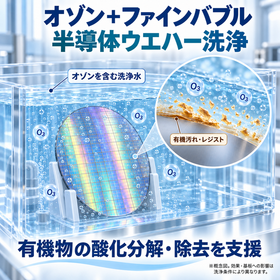
In the power semiconductor industry, it is essential to eliminate minute defects on the wafer surface and maintain high cleanliness to ensure the voltage withstand performance of products. In particular, tiny cracks that occur during the cleaning process can affect the reliability and voltage withstand characteristics of the products, making cleaning technologies that minimize surface damage indispensable. Our proposed fine bubble cleaning method efficiently removes organic contaminants and resist by using physical cleaning without ultrasound, while also utilizing ozone to reduce the load on the surface. By balancing the suppression of surface damage and cleaning performance, we support the creation of high-quality processes. 【Application Scenarios】 - Processes where the expansion of minute cracks due to ultrasonic cleaning is a concern - Improvement of voltage withstand failures caused by residual contaminants after cleaning - Resist removal and surface cleaning processes 【Benefits of Implementation】 - Suppression of surface damage through a cleaning method that does not use ultrasound - Enhanced removal performance of organic contaminants and resist through the use of ozone - Stabilization of finished product quality by suppressing crack expansion
Added to bookmarks
Bookmarks listBookmark has been removed
Bookmarks listYou can't add any more bookmarks
By registering as a member, you can increase the number of bookmarks you can save and organize them with labels.
Free membership registration
We propose fine bubble cleaning, which does not use ultrasound, to address the issue of small surface cracks expanding during ultrasonic cleaning. Our customers have reported that after switching, no expansion of cracks has been observed, and the products are finished cleaner than before. In a configuration that uses ozone in conjunction, fine bubbles promote gas-liquid contact and utilize the oxidative effect of ozone to remove organic contaminants and resist. We support the creation of processes that balance consideration for surface damage and cleaning performance. Nakajima Bussan will propose cleaning conditions and equipment configurations based on the material of the wafers, surface films, and existing micro-cracks. We will compare changes in cracks and residual contaminants after cleaning to confirm the effects on quality.
Added to bookmarks
Bookmarks listBookmark has been removed
Bookmarks listYou can't add any more bookmarks
By registering as a member, you can increase the number of bookmarks you can save and organize them with labels.
Free membership registration
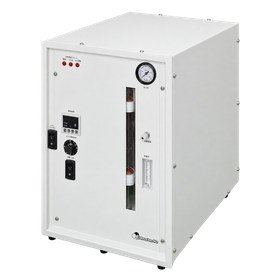
We propose the "Fabozon Series," an eco-designed industrial ozone generator for odors and discoloration in drainage, yellowing of aquaculture water, and hygiene management in food factories. It generates ozone from oxygen as a raw material and utilizes its oxidation effect for deodorization, decolorization, disinfection, and organic matter decomposition. Three models are available with maximum ozone generation rates of 5, 15, and 40 g/h. They are air-cooled or internally radiator-cooled, eliminating the need for external cooling water supply. They also support equipment linkage through external input and output. In water treatment, by combining with a fine bubble generator, the contact area between gas and liquid is increased, promoting the dissolution and contact of ozone in water. Nakajima Bussan offers device configurations tailored to specific applications. Specifications and specs.
Added to bookmarks
Bookmarks listBookmark has been removed
Bookmarks listYou can't add any more bookmarks
By registering as a member, you can increase the number of bookmarks you can save and organize them with labels.
Free membership registration
In the seafood processing industry, the load of fats and organic matter in wastewater is high, making the reduction of sludge generation and disposal costs important challenges. To alleviate the burden on dewatering equipment and maintain stable wastewater treatment, efficient decomposition processing is required. This system promotes the decomposition and solubilization of sludge by combining the oxidative action of ozone with the gas-liquid contact of fine bubbles, thereby supporting the reduction of the burden on wastewater treatment facilities. 【Usage Scenarios】 - Facilities that want to reduce the treatment and disposal costs of fats and excess sludge from seafood processing wastewater. - Factories looking to reassess the processing load and operating costs of dewatering equipment. - Cases where a sludge reduction process is to be added to existing activated sludge treatment facilities. 【Benefits of Implementation】 - Supports the reduction of final disposal volume and disposal costs through sludge volume reduction. - Aids in reducing equipment load by decreasing the amount of sludge to be dewatered. - Contributes to improved sludge management and stable operation of wastewater treatment facilities.
Added to bookmarks
Bookmarks listBookmark has been removed
Bookmarks listYou can't add any more bookmarks
By registering as a member, you can increase the number of bookmarks you can save and organize them with labels.
Free membership registration
In the protection of exhibited aquatic organisms at aquariums, the management of dissolved oxygen in the rearing environment is a crucial factor directly linked to the health maintenance of the organisms. Particularly during the display of delicate species or temporary high-density rearing, a stable oxygen supply is required. Insufficient oxygen supply can lead to stress and deterioration of the health of the organisms, making the securing of a reliable oxygen source essential. Our "Oxygenator 601" easily provides high-concentration oxygen using a household power source, supporting the improvement of the display environment. 【Usage Scenarios】 - Maintaining dissolved oxygen in display tanks - Managing the rearing environment during the transport and temporary isolation of organisms - Providing oxygen in research and backroom settings 【Benefits of Implementation】 - Stabilization of the rearing environment through oxygen supply - Reduction of low oxygen stress - Flexible operation due to portable design
Added to bookmarks
Bookmarks listBookmark has been removed
Bookmarks listYou can't add any more bookmarks
By registering as a member, you can increase the number of bookmarks you can save and organize them with labels.
Free membership registration
We propose a sludge reduction system that combines ozone and fine bubbles for wastewater treatment facilities struggling with sludge generation, disposal costs, and dewatering equipment load. In a volume reduction test conducted by a partner company using approximately 150L of sludge, the use of ozone and fine bubble equipment improved fluidity 60 minutes after treatment began. After 120 minutes, SS (suspended solids) decreased by about 69%, and BOD (biochemical oxygen demand) decreased by 61%. A reduction in sludge weight after dewatering was also reported, from 48g to 21g. In this test, an oxygen generation device, an ozone generation device, and the MB nozzle "MB-183S12" in stainless steel were used. The operation was conducted under conditions of a discharge flow rate of 100-150L/min, an ozone generation rate of 40g/h, and an air supply rate of about 8L/min. Ozone was supplied as fine bubbles to the circulating water to promote contact in the water. The oxidizing action of the finely dispersed ozone from the fine bubbles was utilized for the decomposition and solubilization of sludge. In the actual system, it is assumed that the sludge storage tank, ozone reaction tank, and aeration tank will be circulated to promote self-digestion. Nakajima Bussan will propose an equipment configuration tailored to the characteristics of the sludge and the treatment volume, including the use of existing dewatering equipment.
Added to bookmarks
Bookmarks listBookmark has been removed
Bookmarks listYou can't add any more bookmarks
By registering as a member, you can increase the number of bookmarks you can save and organize them with labels.
Free membership registration
We will introduce a case where the oxygen supply in a 300-ton class aquaculture tank was changed from an aeration pipe system to "oxygen + fine bubbles," reducing the oxygen consumption from 36L/min to 8L/min. The reduction amount is 28L/min, with a reduction rate of approximately 78%. This results in an oxygen usage of about 22% of the conventional amount, leading to a reevaluation of the oxygen supply costs in aquaculture facilities. Our fine bubble system supplies oxygen to the water in the form of tiny bubbles. As the bubbles become smaller, the contact area with water increases for the same gas volume, and the rising speed decreases, making it easier to secure contact time with the water. This mechanism efficiently dissolves the supplied oxygen into the water, supporting the maintenance and improvement of dissolved oxygen (DO) levels. We offer oxygen supply methods tailored to the tank capacity and rearing conditions to address concerns such as "I am using a lot of oxygen, but DO is not stable" or "I want to reduce the burden of oxygen costs."
Added to bookmarks
Bookmarks listBookmark has been removed
Bookmarks listYou can't add any more bookmarks
By registering as a member, you can increase the number of bookmarks you can save and organize them with labels.
Free membership registration
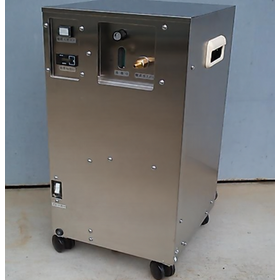
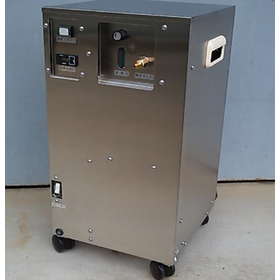
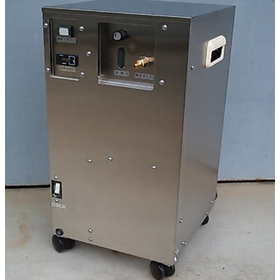
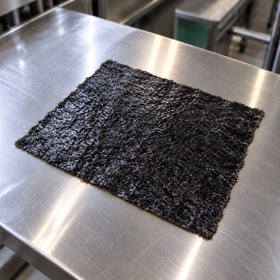
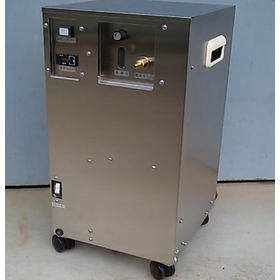
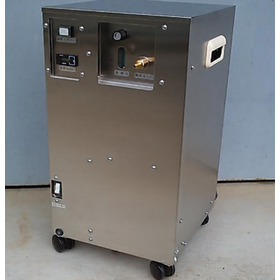
We propose measures to address quality degradation due to oxygen deficiency in the raw seaweed tank used for storing harvested seaweed. After the raw seaweed is added, the dissolved oxygen (DO) tends to decrease, which can affect the gloss and quality of dried seaweed. The "Oxygenator 601" is an oxygen generator with an oxygen concentration of over 90% and a maximum supply capacity of 6L/min, which can be used with a household AC 100V power supply (50/60Hz). It supplies high-concentration oxygen to the raw seaweed tank, aiming to maintain a DO of 5mg/L or more, thereby supporting the freshness of the raw seaweed and the luster and quality of the dried seaweed. The compact body is equipped with casters, making it easy to move and install. When used in conjunction with a fine bubble generator, high-concentration oxygen is supplied to the water in the form of fine bubbles. Even with the same gas volume, the increased contact area with water slows the rise speed, making it easier to secure contact time. Furthermore, high-concentration oxygen dissolves more easily in water due to its higher partial pressure than air, efficiently supporting the maintenance and improvement of DO. Rental options are also available, allowing for use during busy periods or trial implementations to confirm effectiveness while considering adoption.
Added to bookmarks
Bookmarks listBookmark has been removed
Bookmarks listYou can't add any more bookmarks
By registering as a member, you can increase the number of bookmarks you can save and organize them with labels.
Free membership registration
In hydroponics, plant roots also require oxygen for respiration. An increase in nutrient solution temperature or increased oxygen consumption due to root growth can lead to a deficiency of dissolved oxygen (DO) in the root zone, resulting in unstable growth. By combining the oxygen generator "Oxygenator 601" with a fine bubble generator, we support the maintenance and improvement of DO in the nutrient solution and promote healthy root growth. The "Oxygenator 601" supplies oxygen at a concentration of over 90% and a maximum of 6L/min, and can be used with an AC100V power supply (50/60Hz). It can be utilized for oxygen supply in DFT (Deep Flow Technique) and DWC (Deep Water Culture) cultivation tanks, as well as in NFT (Nutrient Film Technique) nutrient tanks and circulation systems. When high-concentration oxygen is supplied to the nutrient solution through fine bubbles, the contact area between the bubbles and water increases for the same amount of gas. Microbubbles rise more slowly than larger bubbles, making it easier to secure contact time with water. Since the partial pressure of oxygen is higher than that of air, the driving force for oxygen to dissolve also increases, allowing for efficient oxygen dissolution. Oxygen is dissolved in the nutrient tank and supplied to the cultivation bed through circulating water to support root respiration and nutrient absorption. We monitor the DO at the inlet and outlet of the tank and cultivation bed, and also manage water temperature, pH, and EC (electrical conductivity). The oxygen flow rate and operating time are adjusted according to the crop and growth stage.
Added to bookmarks
Bookmarks listBookmark has been removed
Bookmarks listYou can't add any more bookmarks
By registering as a member, you can increase the number of bookmarks you can save and organize them with labels.
Free membership registration
In the operation of aquaponics, the rearing environment for fish and the supply of oxygen to plant roots are crucial factors that influence the overall productivity of the system. Maintaining an appropriate level of dissolved oxygen in the water is essential for promoting plant growth, as oxygen deficiency can lead to poor growth and environmental deterioration. Our "Oxygenator 601" easily supplies high concentrations of oxygen using a household power source, supporting the establishment of a stable cultivation environment. 【Usage Scenarios】 - Oxygen supply to aquaponics tanks - Management of dissolved oxygen in plant cultivation facilities - Improvement of cultivation environments in research facilities 【Benefits of Implementation】 - Supports the activation of plant roots through oxygen supply - Ensures stable operation by improving the rearing environment - Reduces low oxygen stress
Added to bookmarks
Bookmarks listBookmark has been removed
Bookmarks listYou can't add any more bookmarks
By registering as a member, you can increase the number of bookmarks you can save and organize them with labels.
Free membership registration
We propose Nakajima Bussan's fine bubble system to fishery operators who want to deliver caught fish to the port in a healthy condition. By combining a generation nozzle, pump, and oxygen supply equipment, we supply fine bubbles to the live fish tanks in the hold. This helps reduce weakening and mortality loss during storage by maintaining dissolved oxygen levels. In a case study in the Seto Inland Sea, it was reported that during the summer, when water temperatures approached 30°C, oxygen was supplied at a rate of 2 liters per minute, resulting in usage being less than one-third of the conventional amount. Additionally, there are examples of maintaining dissolved oxygen (DO) levels above 4 mg/L while accommodating approximately 100 kg of eel in one section of the hold. We can also consult on utilizing your existing pump for implementation and propose equipment configurations based on tank capacity, storage capacity, and piping conditions. 【Usage Scenarios】 - Storage of live fish in fishing vessel holds - Oxygen supply during high-density storage - Low oxygen countermeasures during summer 【Benefits of Implementation】 - Supports the maintenance of fish vitality - Reduces weakening and mortality loss due to oxygen deficiency - Contributes to the reduction of oxygen usage
Added to bookmarks
Bookmarks listBookmark has been removed
Bookmarks listYou can't add any more bookmarks
By registering as a member, you can increase the number of bookmarks you can save and organize them with labels.
Free membership registration
Even if aeration continues, the dissolved oxygen (DO) does not increase. When the drainage load increases, the treatment becomes unstable. We propose the Nakajima-style fine bubble solution to address these issues. In the activated sludge method, microorganisms require oxygen to decompose organic matter. Fine bubbles increase the contact area between gas and liquid, efficiently supplying oxygen to the water. This creates an environment conducive to microbial activity, supporting the decomposition of organic matter and stabilizing treatment. By combining nozzles and circulation pumps with existing aeration tanks, we can integrate with existing aeration equipment. This can be utilized for addressing oxygen shortages during peak load times and for reviewing aeration operations. With a simple configuration using general-purpose equipment, we aim to reduce the burden of installation and maintenance while improving treatment capacity and reducing operating costs.
Added to bookmarks
Bookmarks listBookmark has been removed
Bookmarks listYou can't add any more bookmarks
By registering as a member, you can increase the number of bookmarks you can save and organize them with labels.
Free membership registration
While reducing the amount of detergent used, we want to maintain stain removal and cleaning quality. We propose using fine bubbles for this challenge. Comparison data with standard contaminated cloths shows that FB cleaning demonstrates equal or greater whiteness change at a detergent concentration of 12.5 mg/dL compared to 50 mg/dL for conventional cleaning. This means the detergent concentration is reduced to one-quarter. If the same amount of cleaning water is used, this corresponds to a 75% reduction in detergent usage. Even at the same detergent concentration, the whiteness change with FB cleaning exceeds that of conventional cleaning. The MNB nozzle has a direct structure that generates fine bubbles using a general-purpose pump. It is less prone to clogging, reducing maintenance burdens. This technology is suitable for those aiming to reduce detergent costs and wastewater load from detergents while ensuring cleaning quality. *The data presented is from reference tests of FB cleaning. The reduction effects may vary depending on the actual detergent, dirt, and operating conditions.
Added to bookmarks
Bookmarks listBookmark has been removed
Bookmarks listYou can't add any more bookmarks
By registering as a member, you can increase the number of bookmarks you can save and organize them with labels.
Free membership registration
The wastewater from cheese and dairy product factories contains high levels of lactose, proteins, and milk fats, requiring a large amount of oxygen for the decomposition of organic matter. In addition to issues like oil adhesion, scum, and foul odors, the variability in wastewater volume, concentration, and pH during manufacturing and cleaning processes makes microbial treatment unstable, which is a challenge. The OMB wastewater treatment system combines ozone, MNB (micro-nano bubbles), and a special carrier containing activated carbon to support wastewater treatment from both oxidation and biological treatment perspectives. The MNB nozzle provides gas supply and agitation, allowing microorganisms retained in the special carrier to decompose organic matter. This aims to address oil and odor issues while stabilizing the treatment process. The direct structure of the nozzle is less prone to clogging and can be retrofitted to existing adjustment and aeration tanks. It aims to reduce maintenance burdens and minimize excess sludge. Data from a cheese manufacturing plant producing 300 tons per day shows a reduction of approximately 98.6% in BOD and over 94.8% in oil content compared to the raw water. **Application Scenarios:** - Wastewater treatment with high oil content - Factory wastewater requiring odor control - Cases aiming to reduce sludge disposal costs - Situations where existing equipment is utilized to enhance wastewater treatment capacity **Benefits of Implementation:** - Significant reduction in oil content - Decrease in sludge volume - Suppression of foul odors (putrid smells) - Stabilization of wastewater treatment
Added to bookmarks
Bookmarks listBookmark has been removed
Bookmarks listYou can't add any more bookmarks
By registering as a member, you can increase the number of bookmarks you can save and organize them with labels.
Free membership registration
In food factories, managing oil content, odors, and sludge in wastewater treatment is crucial for hygiene management and reducing environmental impact. If these issues are not adequately addressed, there are concerns about increased treatment costs and effects on the local environment. Our OMB wastewater treatment system combines the oxidation power of ozone, efficient gas supply through micro-nano bubbles, and microbial treatment using a special carrier that includes activated carbon to promote the breakdown of oil and organic matter. It can be retrofitted using existing adjustment and aeration tanks, enhancing treatment capabilities while minimizing the need for complete equipment renewal. In addition to reducing excess sludge and odors, it aims to alleviate the burden of chemical costs, electricity costs, sludge disposal costs, and daily management. 【Application Scenarios】 - Wastewater treatment with high oil content - Factory wastewater requiring odor control - Cases aiming to reduce sludge disposal costs - Situations where existing equipment is utilized to enhance wastewater treatment capacity 【Benefits of Implementation】 - Significant reduction in oil content - Decrease in sludge volume - Suppression of odors - Reduction in chemical costs, electricity costs, and sludge disposal costs - Stabilization of wastewater treatment
Added to bookmarks
Bookmarks listBookmark has been removed
Bookmarks listYou can't add any more bookmarks
By registering as a member, you can increase the number of bookmarks you can save and organize them with labels.
Free membership registration
In seedling production, stable water quality management is essential for the healthy growth of larvae and fry. Particularly for delicate larvae during critical periods, oxygen deficiency is a significant issue that directly affects survival rates. When dissolved oxygen (DO) in the water decreases, stress in the larvae increases, potentially impacting their growth and survival. In response to these challenges, our fine bubble system supports seedling production sites by providing precise oxygen supply and improving water quality. 【Usage Scenarios】 - Larvae and fry rearing tanks - Hatching tanks - Nursery pools 【Benefits of Implementation】 - Increased survival rates through stabilization of DO (dissolved oxygen) - Support for healthy growth by reducing low oxygen stress - Improvement of rearing environments by suppressing water quality deterioration
Added to bookmarks
Bookmarks listBookmark has been removed
Bookmarks listYou can't add any more bookmarks
By registering as a member, you can increase the number of bookmarks you can save and organize them with labels.
Free membership registration
In the marine aquaculture industry, water quality management is a crucial issue to ensure stable productivity. Particularly in shrimp farming, a lack of dissolved oxygen (DO) and deterioration of water quality can affect the growth and health of shrimp. In response to these challenges, our Nakajima-style fine bubble equipment contributes to water quality improvement by promoting oxygen supply and circulation in the water. 【Usage Scenarios】 - Water quality improvement in shrimp farms - Resolution of low oxygen conditions - Measures against oxygen deficiency in the bottom layer 【Effects of Implementation】 - Stabilization of DO (dissolved oxygen) - Reduction of low oxygen stress - Potential for uniform growth and size - Support for improvement of FCR (feed conversion ratio) - Support for measures against ammonia and nitrite - Potential for improvement in water exchange and bottom sediment management
Added to bookmarks
Bookmarks listBookmark has been removed
Bookmarks listYou can't add any more bookmarks
By registering as a member, you can increase the number of bookmarks you can save and organize them with labels.
Free membership registration
Fine bubbles and purification effects The adsorption properties of fine bubbles are due to their surfaces being negatively charged (zeta potential). In negatively charged FB water, the surfaces attract positively charged substances (ions).
Added to bookmarks
Bookmarks listBookmark has been removed
Bookmarks listYou can't add any more bookmarks
By registering as a member, you can increase the number of bookmarks you can save and organize them with labels.
Free membership registration
Effects of Introducing Fine Bubbles in Shrimp Farming The introduction of fine bubbles for oxygen supply and water circulation is expected to yield the following effects: - Stabilization of DO (dissolved oxygen): Measures against oxygen deficiency that tends to occur at night, early morning, or in the bottom layers. - Reduction of low oxygen stress: Improving the respiratory environment for shrimp, supporting feeding and molting. - Uniformity in growth and size: Potential to reduce growth variability through stabilization of DO and water quality. - Improvement of FCR (feed conversion ratio): Enhancing feeding conditions to support better feed utilization efficiency. - Measures against ammonia and nitrite: Supporting water quality management that utilizes oxygen by nitrifying bacteria. - Improvement of water exchange and sediment management: Potential to mitigate water quality deterioration associated with oxygen deficiency and accumulation of organic matter in the bottom layers.
Added to bookmarks
Bookmarks listBookmark has been removed
Bookmarks listYou can't add any more bookmarks
By registering as a member, you can increase the number of bookmarks you can save and organize them with labels.
Free membership registration
Fine bubbles (micro and nano bubbles) are a technology that fundamentally improves the root zone environment of plants in hydroponics, including soilless cultivation, drip cultivation, and NFT (nutrient film technique) cultivation. 1) Stabilization of oxygen supply in the root zone Fine bubbles maintain **high concentrations of dissolved oxygen (DO)** in water for extended periods, making it less likely for roots to suffer from oxygen deficiency and suppressing root rot. This is particularly effective during high-temperature periods and in recirculating systems. 2) Improved nutrient absorption efficiency Microbubbles come into contact with the root surface, promoting nutrient absorption through the activation of root hairs. Growth remains stable without increasing electrical conductivity (EC). 3) Root health and disease suppression Maintaining healthy white roots prevents anaerobic conditions in the root zone, creating an environment where pathogens are less likely to proliferate. 4) Growth promotion and yield stability Initial growth is rapid, reducing growth variability and stabilizing yield and quality.
Added to bookmarks
Bookmarks listBookmark has been removed
Bookmarks listYou can't add any more bookmarks
By registering as a member, you can increase the number of bookmarks you can save and organize them with labels.
Free membership registration
We aim to create a dissolved oxygen environment where microorganisms can thrive, improving treatment capacity, stability, and sludge management.
Added to bookmarks
Bookmarks listBookmark has been removed
Bookmarks listYou can't add any more bookmarks
By registering as a member, you can increase the number of bookmarks you can save and organize them with labels.
Free membership registration
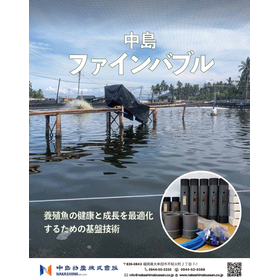
"Fine bubbles (FB)" refers to a collective term for tiny bubbles smaller than 100μm. This document is a technical proposal introducing the efficiency improvements in water environments and aquatic resources through fine bubbles. It includes a wealth of information such as "initiatives in environmental business," "reference data on fine bubble (FB) bubble sizes," and "expected effects from system implementation." We also introduce our lineup of fine bubble products, so please take a moment to read through it. [Contents] ■ Main business fields ■ Initiatives in environmental business ■ What are fine bubbles (FB)? ■ Surface area comparison ■ Temporal changes in fine bubbles (FB) *For more details, please refer to the PDF document or feel free to contact us.
Added to bookmarks
Bookmarks listBookmark has been removed
Bookmarks listYou can't add any more bookmarks
By registering as a member, you can increase the number of bookmarks you can save and organize them with labels.
Free membership registration
The document includes applications and case studies of "fine bubble technology," as well as fine bubble generation nozzles. Fine bubbles refer to a collective term for tiny bubbles smaller than 100μm. Bubbles approximately smaller than 60μm exhibit significant behavior of shrinking in water due to the surface tension at the water-bubble interface, ultimately collapsing (dissolving or disappearing) in the water. This phenomenon alters the physical properties of water. 【Contents】 ■ What are fine bubbles? ■ Applications of fine bubbles ■ Case studies - Seaweed quality improvement system - Shrimp productivity enhancement system - Cleaning field ■ Fine bubble generation nozzles *For more details, please refer to the PDF document or feel free to contact us.
Added to bookmarks
Bookmarks listBookmark has been removed
Bookmarks listYou can't add any more bookmarks
By registering as a member, you can increase the number of bookmarks you can save and organize them with labels.
Free membership registration
Nakajima Bussan Co., Ltd. was founded in 1915 and is a long-established trading company that handles a wide range of industrial products, focusing on processed goods made from metals, plastics, and rubber. In recent years, we have particularly focused on "monozukuri" (manufacturing), leveraging our unique network as a trading company to maintain numerous partner factories domestically, and we have established a broad sales system that covers everything from prototypes to small-batch, diverse products to mass production. 【Materials Handled】 ■ Metals Stainless steel, aluminum, copper, iron, steel materials, special steel, and other difficult-to-machine materials. ■ Resins PVC, Teflon, acrylic, ABS, polyethylene, polypropylene, FRP, MC nylon, silicone rubber, urethane rubber, synthetic rubber (EPDM, CR, NBR, SBR, IIR), fluorine rubber (FKM).
Added to bookmarks
Bookmarks listBookmark has been removed
Bookmarks listYou can't add any more bookmarks
By registering as a member, you can increase the number of bookmarks you can save and organize them with labels.
Free membership registration
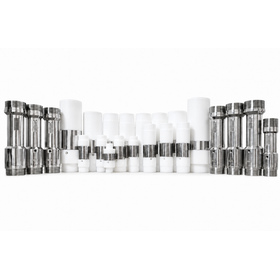
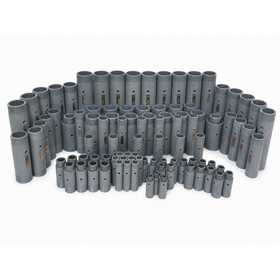
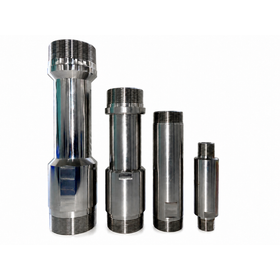
Our company is developing a generation device for fine bubbles, which are functional microbubbles. There have been numerous reports that using water or seawater generated with fine bubbles enhances physiological activity in living organisms. By applying a specified water flow to the fine bubble generation nozzle, air is self-suctioned into the nozzle, and the sucked-in air is transformed into fine bubbles due to the shear force generated within the nozzle. Please feel free to contact us for more information. *For more details, please download the PDF or feel free to reach out to us.*
Added to bookmarks
Bookmarks listBookmark has been removed
Bookmarks listYou can't add any more bookmarks
By registering as a member, you can increase the number of bookmarks you can save and organize them with labels.
Free membership registration