91~135 item / All 478 items
Displayed results
Filter by category
Added to bookmarks
Bookmarks listBookmark has been removed
Bookmarks listYou can't add any more bookmarks
By registering as a member, you can increase the number of bookmarks you can save and organize them with labels.
Free membership registration
Contact this company
Inquiry Form91~135 item / All 478 items
Filter by category

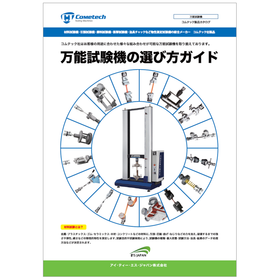
In the automotive industry, conducting durability tests on parts and materials is essential to ensure product reliability. Particularly for components exposed to vibrations, temperature changes, and impacts, appropriate durability assessments are crucial for maintaining product safety and performance. Inadequate durability testing can lead to early product failure or performance degradation. Our guide on selecting universal testing machines supports the selection of the most suitable testing equipment for durability testing of automotive parts. 【Usage Scenarios】 - Durability evaluation of automotive parts - Strength testing of materials - Quality assessment in product development 【Benefits of Implementation】 - Improved product reliability - Enhanced efficiency in quality management - Reduced development time
Added to bookmarks
Bookmarks listBookmark has been removed
Bookmarks listYou can't add any more bookmarks
By registering as a member, you can increase the number of bookmarks you can save and organize them with labels.
Free membership registration
In the lumber industry, the dimensional stability of products is a crucial factor that affects quality. In particular, shrinkage and expansion due to changes in temperature and humidity can compromise product accuracy and lead to the occurrence of defects. Our moisture meter accurately measures the moisture content of wood, enabling proper drying management. This minimizes dimensional changes and allows for the stable supply of high-quality products. [Usage Scenarios] - Management of drying processes in wood processing - Situations where dimensional accuracy of products is required - Measurement of moisture content in quality control [Effects of Implementation] - Improved dimensional stability - Enhanced product quality - Reduction of defects
Added to bookmarks
Bookmarks listBookmark has been removed
Bookmarks listYou can't add any more bookmarks
By registering as a member, you can increase the number of bookmarks you can save and organize them with labels.
Free membership registration
In the ceramics industry, stabilizing the quality of products during the sintering process is essential. While managing the sintering temperature and time is important, the moisture content in the raw materials also significantly affects the strength and appearance of the final products. Variations in moisture content can lead to shrinkage or expansion during sintering, potentially causing defects such as cracks and deformation. Our moisture meter accurately measures the moisture content of raw materials before sintering, supporting the optimization of the sintering process. 【Application Scenarios】 - Measuring moisture in ceramic raw materials - Quality control during the sintering process - Stabilizing product strength and appearance 【Benefits of Implementation】 - Reduction of sintering defects - Improvement in product quality - Enhancement of yield
Added to bookmarks
Bookmarks listBookmark has been removed
Bookmarks listYou can't add any more bookmarks
By registering as a member, you can increase the number of bookmarks you can save and organize them with labels.
Free membership registration
In the battery industry, quality control of materials is crucial to maximize product performance. In particular, the moisture content of plastic materials can significantly impact the durability and performance of batteries. Improper moisture management can lead to performance degradation and a shorter lifespan of the batteries. Our moisture meter accurately measures trace moisture in plastic materials and maintains a consistent material dryness, preventing molding defects and enabling high-quality products. 【Application Scenarios】 - Manufacturing of battery cells - Assembly of battery packs - Quality control of materials - Reduction of molding defects 【Benefits of Implementation】 - Improved battery performance - Enhanced product quality - Cost reduction - Decrease in defective products
Added to bookmarks
Bookmarks listBookmark has been removed
Bookmarks listYou can't add any more bookmarks
By registering as a member, you can increase the number of bookmarks you can save and organize them with labels.
Free membership registration
In the electronic components industry, ensuring the insulation properties of products is extremely important. Moisture is a significant factor that can reduce insulation and potentially lead to performance degradation or failure of the product. Properly managing the moisture content of materials during the molding of plastic components is essential for enhancing product reliability. Our moisture meter supports the manufacturing of high-quality electronic components by maintaining a consistent drying level of materials and preventing molding defects. 【Usage Scenarios】 - Manufacturing products that require insulation properties in electronic components - Molding hygroscopic resins (such as PA, PC, PET, PBT, etc.) - Molding with additives like masterbatches 【Benefits of Implementation】 - Reduction of molding defects - Improvement in product quality - Cost reduction
Added to bookmarks
Bookmarks listBookmark has been removed
Bookmarks listYou can't add any more bookmarks
By registering as a member, you can increase the number of bookmarks you can save and organize them with labels.
Free membership registration
In the ink industry, managing the moisture content of ink, which affects the quality of printed materials, is crucial. If the moisture level of the ink is not appropriate, it can lead to smudging in printing, reduced color reproduction, and waste of ink. Our moisture meter accurately measures the trace amounts of moisture contained in the ink, contributing to the stabilization of print quality. 【Usage Scenarios】 * Quality control in the ink manufacturing process * Ink adjustment at printing sites * Improvement of printed material quality 【Benefits of Implementation】 * Reduction of printing defects * Optimization of ink usage * Achievement of high-quality printed materials
Added to bookmarks
Bookmarks listBookmark has been removed
Bookmarks listYou can't add any more bookmarks
By registering as a member, you can increase the number of bookmarks you can save and organize them with labels.
Free membership registration
In the paint industry, the adhesion of products is a crucial factor that influences quality. Low adhesion can lead to peeling and degradation of the paint film, potentially compromising the durability of the product. This is especially true for paints that are susceptible to humidity, where managing moisture content is essential. Proper moisture management maximizes the performance of the paint and contributes to improving product quality. Our moisture meter accurately measures the moisture content of the paint and supports the enhancement of adhesion. 【Usage Scenarios】 - Moisture management in the paint manufacturing process - Checking the drying level of materials before painting - Improving poor adhesion 【Benefits of Implementation】 - Improved paint quality - Reduction of defective products - Cost savings
Added to bookmarks
Bookmarks listBookmark has been removed
Bookmarks listYou can't add any more bookmarks
By registering as a member, you can increase the number of bookmarks you can save and organize them with labels.
Free membership registration
In the textile dyeing industry, moisture management of materials is crucial for maintaining the consistency of dye formulations and dyeing uniformity. Particularly with hygroscopic fiber materials, the moisture content significantly affects the dyeing results and color reproducibility. Variations in moisture content can lead to uneven dyeing and color changes, potentially resulting in a decline in product quality. Our moisture meter accurately measures the moisture content of materials, ensuring stable dyeing quality. 【Application Scenarios】 - Incoming inspection of fiber materials - Material management in the dyeing process - Measurements in the quality control department 【Benefits of Implementation】 - Improved dyeing quality - Enhanced color reproducibility - Reduction of defective products - Cost savings
Added to bookmarks
Bookmarks listBookmark has been removed
Bookmarks listYou can't add any more bookmarks
By registering as a member, you can increase the number of bookmarks you can save and organize them with labels.
Free membership registration
In the paper industry, the strength of paper is a crucial factor that significantly affects product quality. Particularly for paper products that require strength, such as packaging paper and cardboard, proper moisture management is essential. If the moisture content is inappropriate, it can lead to a decrease in paper strength, making it more prone to tearing or causing issues with shape stability. Our moisture meter accurately measures the moisture content during the paper manufacturing process, enabling optimal moisture management. 【Usage Scenarios】 * Moisture management in the paper manufacturing process * Quality control of products * Moisture adjustment in strength testing 【Benefits of Implementation】 * Improved product strength * Increased yield * Enhanced customer satisfaction
Added to bookmarks
Bookmarks listBookmark has been removed
Bookmarks listYou can't add any more bookmarks
By registering as a member, you can increase the number of bookmarks you can save and organize them with labels.
Free membership registration
In the plastic molding industry, stability in moldability, which affects product quality, is essential. Particularly when using hygroscopic resins and additives, managing the moisture content of the materials is crucial. Even slight fluctuations in moisture levels can lead to molding defects and reduced product strength. Our moisture meter accurately assesses the dryness of materials and optimizes molding conditions to address these challenges. 【Usage Scenarios】 - Molding of hygroscopic resins (such as PA, PC, PET, PBT) - Use of additives like masterbatches - Reduction of molding defects - Performance verification of resin drying equipment 【Benefits of Implementation】 - Suppression of molding defects - Improvement in product quality - Cost reduction (optimization of dryer operation) - Stable supply of high-quality products
Added to bookmarks
Bookmarks listBookmark has been removed
Bookmarks listYou can't add any more bookmarks
By registering as a member, you can increase the number of bookmarks you can save and organize them with labels.
Free membership registration
In the packaging industry, the barrier properties of packaging materials are crucial for maintaining product quality and long-term preservation. In particular, moisture can degrade the performance of packaging materials and compromise the quality of the contents. Proper management of moisture levels is essential for protecting products, extending shelf life, and enhancing customer satisfaction. Our moisture meters accurately measure the moisture content of packaging materials and support the optimization of barrier properties. 【Application Scenarios】 - Food packaging - Pharmaceutical packaging - Industrial product packaging 【Benefits of Implementation】 - Improved quality of packaging materials - Long-term preservation of products - Cost reduction
Added to bookmarks
Bookmarks listBookmark has been removed
Bookmarks listYou can't add any more bookmarks
By registering as a member, you can increase the number of bookmarks you can save and organize them with labels.
Free membership registration
In the pharmaceutical industry, strict quality control in the manufacturing process is required to ensure the efficacy and safety of products. In particular, the moisture content of plastic containers and packaging materials can affect the stability and effectiveness of pharmaceuticals. Inadequate moisture management can lead to degradation of the product and a decrease in its effectiveness. Our moisture meters accurately measure the moisture levels that influence the quality of pharmaceuticals, providing support to maximize product efficacy. 【Application Scenarios】 - Measurement of moisture in pharmaceutical packaging materials (plastic containers, packaging films, etc.) - Moisture management of materials in the manufacturing process - Quality inspection of products 【Benefits of Implementation】 - Improvement of product quality - Maintenance of efficacy - Stabilization of the manufacturing process
Added to bookmarks
Bookmarks listBookmark has been removed
Bookmarks listYou can't add any more bookmarks
By registering as a member, you can increase the number of bookmarks you can save and organize them with labels.
Free membership registration
In the food industry, ensuring product quality and safety is the top priority. Moisture content significantly affects the texture, flavor, and shelf life of food, leading to quality degradation and mold growth. Proper management of moisture content is essential for stable product supply and gaining customer trust. Our moisture meter accurately measures the moisture content of food, providing strong support for quality control. 【Usage Scenarios】 - Moisture management in food manufacturing processes - Moisture management of packaging materials - Moisture measurement in quality inspections 【Benefits of Implementation】 - Stabilization of product quality - Extension of shelf life - Reduction of defective products - Gaining customer trust
Added to bookmarks
Bookmarks listBookmark has been removed
Bookmarks listYou can't add any more bookmarks
By registering as a member, you can increase the number of bookmarks you can save and organize them with labels.
Free membership registration
In the agricultural sector, the durability of materials against environmental factors such as pesticides, fertilizers, and climate change is required. In particular, coated materials are important for protecting against these environmental factors and extending product lifespan. Tests using Nanovia's indenter evaluate the adhesion strength and wear resistance of coatings, contributing to the improvement of agricultural material quality. 【Application Scenarios】 * Evaluation of coatings for pesticide spraying nozzles * Weather resistance testing of fertilizer bags' coatings * Scratch resistance evaluation of greenhouse films 【Effects of Implementation】 * Improved material durability * Enhanced product quality * Cost reduction
Added to bookmarks
Bookmarks listBookmark has been removed
Bookmarks listYou can't add any more bookmarks
By registering as a member, you can increase the number of bookmarks you can save and organize them with labels.
Free membership registration
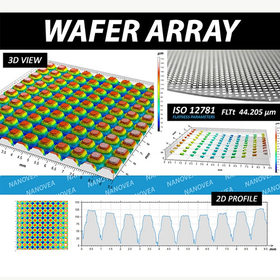
In the security industry, products with high tamper resistance are required to prevent unauthorized access and tampering of devices. In particular, semiconductor devices need to be protected from physical attacks, making the strength and adhesion of coatings crucial. Delamination or damage to the coating can lead to vulnerabilities in the device. Our wafer polymer coating tests evaluate the adhesive strength and scratch resistance of coatings, contributing to the improvement of tamper resistance. 【Use Cases】 - Coating evaluation of semiconductor devices - Protective coating evaluation for security chips - Evaluation of electronic components requiring tamper resistance 【Benefits of Implementation】 - Improvement in coating quality - Increased reliability of devices - Reduced risk of unauthorized access and tampering
Added to bookmarks
Bookmarks listBookmark has been removed
Bookmarks listYou can't add any more bookmarks
By registering as a member, you can increase the number of bookmarks you can save and organize them with labels.
Free membership registration
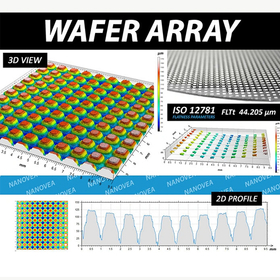
In the display industry, the quality of semiconductor wafers is crucial for achieving high image quality. In particular, the adhesion strength and durability of the metal coating on the wafers significantly impact the performance of the display. Coating defects can lead to a decrease in image quality and a reduction in product lifespan. Tests using NanoVia's indenter provide various test results for wafer coatings, contributing to the enhancement of image quality. [Application Scenarios] * Quality control of semiconductor wafers in display manufacturing * Research and development of coating materials * Durability evaluation of displays [Effects of Implementation] * Improvement in display image quality * Increased product reliability * Optimization of the manufacturing process
Added to bookmarks
Bookmarks listBookmark has been removed
Bookmarks listYou can't add any more bookmarks
By registering as a member, you can increase the number of bookmarks you can save and organize them with labels.
Free membership registration
In the wearable device industry, flexibility and durability of products are essential. Particularly for devices exposed to daily use and external impacts, the performance of coatings becomes a crucial factor that influences product lifespan. Peeling or damage to the coating can lead to device malfunction. Tests using NanoBia's indenter evaluate the adhesion strength and wear resistance of coatings for wearable devices, contributing to improved product reliability. 【Application Scenarios】 - Coating evaluation on flexible substrates - Bending tests for wearable devices - Durability evaluation of polymer coatings 【Effects of Implementation】 - Improvement in product quality - Enhancement of product reliability - Extension of product lifespan
Added to bookmarks
Bookmarks listBookmark has been removed
Bookmarks listYou can't add any more bookmarks
By registering as a member, you can increase the number of bookmarks you can save and organize them with labels.
Free membership registration
In the field of robotics, precise control relies heavily on the reliability of semiconductor components. In particular, semiconductors used in movable parts such as robotic arms are exposed to harsh environments, including friction, wear, and temperature changes, making the quality of the coating critical to performance. Delamination or degradation of the coating can lead to malfunctions or failures in the robot, potentially hindering precise movements. Nanovia's indenter contributes to improving the reliability of semiconductor components by verifying the mechanical strength of metal coatings on wafers and evaluating adhesive failure, cohesive failure, and critical loads of polymer coatings. 【Application Scenarios】 * Joint parts of robotic arms * Protective coatings for precision sensors * High-precision positioning mechanisms 【Effects of Implementation】 * Improved durability of semiconductor components * Enhanced operational accuracy of robots * Increased reliability of products
Added to bookmarks
Bookmarks listBookmark has been removed
Bookmarks listYou can't add any more bookmarks
By registering as a member, you can increase the number of bookmarks you can save and organize them with labels.
Free membership registration
In the home appliance industry, there is a constant demand for miniaturization and high performance of products. The reliability of semiconductor devices is a critical factor that influences product quality. In particular, wafer coating significantly affects the performance and durability of devices. Issues related to the adhesion strength and wear resistance of coatings can lead to product failures and performance degradation. Tests using Nanovia's indenter help address these challenges and support the development of highly reliable semiconductor devices. 【Application Scenarios】 - Development of semiconductor devices for small home appliances - Quality control of wafer coatings - Durability evaluation of polymer coatings 【Effects of Implementation】 - Improved reliability of semiconductor devices - Realization of miniaturization and high performance of products - Reduction of development time and cost savings
Added to bookmarks
Bookmarks listBookmark has been removed
Bookmarks listYou can't add any more bookmarks
By registering as a member, you can increase the number of bookmarks you can save and organize them with labels.
Free membership registration
The demand for faster communication in the telecommunications industry is accelerating improvements in data transmission speeds and the miniaturization of devices. The reliability and performance of semiconductor devices are essential to meet these demands. The quality of metal coatings on wafers directly affects device performance, making adhesion strength and durability critical. Tests using NanoVia's indenter provide effective solutions to these challenges. 【Application Scenarios】 * Strength evaluation of metal coatings on semiconductor wafers * Adhesion evaluation of polymer coatings * Scratch resistance testing of multilayer thin films * Material evaluation under high-temperature environments 【Benefits of Implementation】 * Improved reliability of semiconductor devices * Reduced product development time * Enhanced efficiency in quality control
Added to bookmarks
Bookmarks listBookmark has been removed
Bookmarks listYou can't add any more bookmarks
By registering as a member, you can increase the number of bookmarks you can save and organize them with labels.
Free membership registration
In the energy industry, there is a demand for improved reliability and performance of semiconductor devices. Particularly for devices used in high-temperature environments and under harsh conditions, the durability of coatings and adhesive strength are crucial. Coating defects can lead to performance degradation or failure of the devices, potentially resulting in decreased energy efficiency. Tests using NanoVia's indenter evaluate the mechanical properties of wafer coatings and support the development of reliable devices. 【Application Scenarios】 - Solar power panels - Power semiconductors - Electronic components in high-temperature environments 【Effects of Implementation】 - Increased device longevity - Improved energy efficiency - Reduced product development time
Added to bookmarks
Bookmarks listBookmark has been removed
Bookmarks listYou can't add any more bookmarks
By registering as a member, you can increase the number of bookmarks you can save and organize them with labels.
Free membership registration
In the aerospace industry, lightweight design and high durability are required simultaneously. In particular, the materials used for aircraft bodies and components must maintain performance under harsh environmental conditions. Evaluating the adhesive strength, wear resistance, and heat resistance of metal coatings and polymer coatings is essential to ensure product reliability. Tests using Nanovia's indenters and tribometers contribute to solving these challenges. 【Application Scenarios】 * Coating evaluation of aircraft components * Surface treatment evaluation of space structural materials * Development of new materials aimed at weight reduction 【Effects of Implementation】 * Improved material durability * Enhanced product reliability * Shortened development time
Added to bookmarks
Bookmarks listBookmark has been removed
Bookmarks listYou can't add any more bookmarks
By registering as a member, you can increase the number of bookmarks you can save and organize them with labels.
Free membership registration
In the automotive industry, the durability of coatings is extremely important to ensure the long-term reliability of parts. Particularly for components used in harsh environments, the peeling or degradation of coatings can lead to a decline in product performance or failure. Tests using Nanovia's indenter evaluate the adhesion strength of metal coatings and the durability of polymer coatings, contributing to the improvement of automotive parts quality. 【Application Scenarios】 - Evaluation of adhesion strength of metal coatings - Evaluation of durability of polymer coatings - Coating tests in high-temperature environments 【Benefits of Implementation】 - Improved reliability of parts - Increased product lifespan - Enhanced efficiency in quality control
Added to bookmarks
Bookmarks listBookmark has been removed
Bookmarks listYou can't add any more bookmarks
By registering as a member, you can increase the number of bookmarks you can save and organize them with labels.
Free membership registration
In the medical device industry, the evaluation of biocompatibility is essential to ensure the safety and reliability of products. Particularly for implants and devices implanted in the body, the biocompatibility of coating materials is crucial, influencing long-term safety and functionality. Delamination or degradation of coatings can potentially cause adverse effects on patients. Our wafer polymer coating testing considerations apply technologies developed in semiconductor inspection to contribute to the evaluation of medical device coatings. 【Application Scenarios】 - Coating evaluation of implant materials - Durability testing of medical polymer coatings - Friction evaluation in biocompatibility testing 【Effects of Implementation】 - Improved product reliability through mechanical strength evaluation of coatings - Durability assessment of coatings through scratch testing - Enhanced biocompatibility through friction evaluation
Added to bookmarks
Bookmarks listBookmark has been removed
Bookmarks listYou can't add any more bookmarks
By registering as a member, you can increase the number of bookmarks you can save and organize them with labels.
Free membership registration
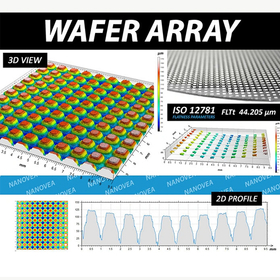
In the semiconductor manufacturing industry, improving yield is a critical issue. The quality of metal coatings on wafers significantly affects product reliability and yield. Poor adhesion strength of the coating or incompatibility with the substrate can lead to various problems, potentially lowering yield. By utilizing testing equipment such as the indenter from Nanovia, it becomes possible to detect these issues early and implement countermeasures. 【Application Scenarios】 - Mechanical strength verification of metal coatings on wafers - Evaluation of adhesive failure, cohesive failure, and critical load of polymer coatings - Scratch resistance testing of multilayer thin films - Friction evaluation of self-cleaning glass coatings - Scratch testing under high-temperature conditions 【Effects of Implementation】 - Improved yield through quality assessment of coatings - Enhanced product reliability - Reduction of defective products - Increased efficiency in research and development
Added to bookmarks
Bookmarks listBookmark has been removed
Bookmarks listYou can't add any more bookmarks
By registering as a member, you can increase the number of bookmarks you can save and organize them with labels.
Free membership registration
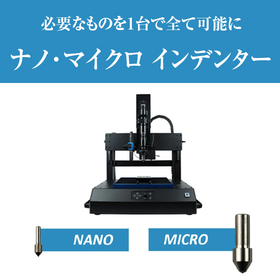
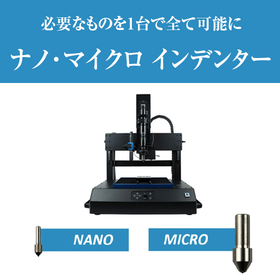
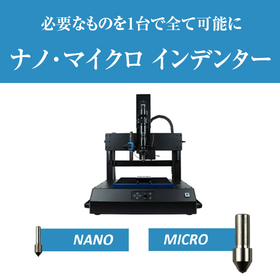
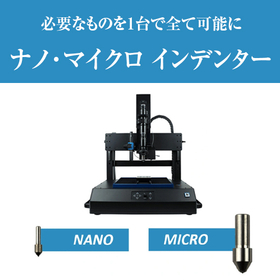
In the cosmetics industry, the evaluation of texture, which influences product quality, is crucial. Textures such as skin feel, spreadability, and adhesion are directly linked to consumer experience and significantly affect purchasing intent. However, traditional evaluation methods have relied on subjective assessments, making it challenging to develop products based on objective data. Nanovia's nano/micro indenter accurately measures the micro to nano mechanical properties of cosmetics through "scratch," "indentation," "abrasion," and "friction tests." This enables product development based on objective data, allowing for the provision of higher quality cosmetics. [Application Scenarios] - Texture evaluation of creams, lotions, foundations, etc. - Evaluation of texture properties in new material development - Quality control of products [Effects of Implementation] - Product development based on objective data - Solutions to texture-related issues - Improvement in product quality - Increased customer satisfaction
Added to bookmarks
Bookmarks listBookmark has been removed
Bookmarks listYou can't add any more bookmarks
By registering as a member, you can increase the number of bookmarks you can save and organize them with labels.
Free membership registration
In the food packaging industry, ensuring product quality and safety is the top priority. The strength, abrasion resistance, and sealing properties of packaging materials affect the shelf life and flavor of food, as well as consumer safety. Accurate measurement of material properties at the nano level is essential for evaluating the performance of packaging materials. Nano/micro indenters solve these challenges by precisely measuring the nano-mechanical properties of packaging materials. 【Application Scenarios】 - Strength evaluation of food packaging films - Abrasion resistance evaluation of containers - Sealing property evaluation of packaging materials - Performance evaluation of coating materials 【Benefits of Implementation】 - Improvement in packaging material quality - Enhancement of product safety - Cost reduction - Increased customer satisfaction
Added to bookmarks
Bookmarks listBookmark has been removed
Bookmarks listYou can't add any more bookmarks
By registering as a member, you can increase the number of bookmarks you can save and organize them with labels.
Free membership registration
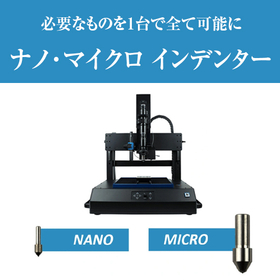
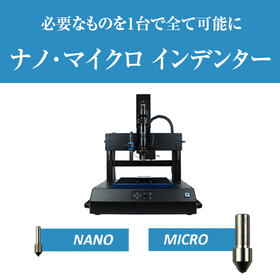
In the pharmaceutical industry, it is essential to accurately measure the mechanical properties of materials to evaluate the efficacy and safety of drugs. Particularly for materials such as drug delivery systems and coatings, characterization at the nano level is crucial. Inadequate measurements can lead to incorrect assessments of a drug's effectiveness and safety. NanoBIA's nano/micro indenter accurately measures the micro to nano mechanical properties of a wide range of materials, supporting material evaluation in drug development. 【Application Scenarios】 - Evaluation of drug delivery systems - Characterization of coatings - Hardness measurement of tablets - Assessment of biomaterials - Evaluation of pharmaceutical packaging materials 【Benefits of Implementation】 - Improvement of drug efficacy and safety - Reduction of development time - Streamlining of quality control - Acceleration of research and development - Cost reduction
Added to bookmarks
Bookmarks listBookmark has been removed
Bookmarks listYou can't add any more bookmarks
By registering as a member, you can increase the number of bookmarks you can save and organize them with labels.
Free membership registration
In the field of biotechnology, accurately assessing the mechanical properties of cells is essential for advancing research and developing new technologies. In particular, characteristics such as cell stiffness, elasticity, and viscosity serve as important indicators for understanding cell function and pathology. Traditional measurement methods have faced challenges in precisely capturing the fine structures and properties of cells. Nano/micro-indentation resolves these issues by precisely measuring the nano-mechanical properties of cells. 【Application Scenarios】 - Cell culture, evaluation of mechanical properties of cells - Analysis of the relationship between cell structure and function - Assessment of cellular responses in drug discovery research - Evaluation of interactions between biomaterials and cells 【Effects of Implementation】 - Accurate measurement of mechanical properties of cells enhances research quality - Acquisition of new insights regarding cell function and pathology - Promotion of applications in drug discovery and regenerative medicine - Support for evaluating cell compatibility in biomaterial development
Added to bookmarks
Bookmarks listBookmark has been removed
Bookmarks listYou can't add any more bookmarks
By registering as a member, you can increase the number of bookmarks you can save and organize them with labels.
Free membership registration
In the optical lens industry, it is essential to accurately measure surface hardness, scratch resistance, and friction characteristics to evaluate the durability and performance of lenses. Particularly, the coatings and surface treatments of lenses significantly influence their performance, making it important to capture even minute changes. Nano/micro indenters measure these properties at the nanoscale, supporting quality control and development of lenses. 【Application Scenarios】 - Measurement of lens surface hardness - Evaluation of coating adhesion - Scratch resistance assessment through scratch tests - Durability evaluation through friction coefficient measurement 【Benefits of Implementation】 - Improvement in lens quality - Increased efficiency in product development - Reduction of defective products - Enhanced customer satisfaction
Added to bookmarks
Bookmarks listBookmark has been removed
Bookmarks listYou can't add any more bookmarks
By registering as a member, you can increase the number of bookmarks you can save and organize them with labels.
Free membership registration
In the electronics industry, the evaluation of the mechanical properties of joints is crucial to ensure the reliability and durability of products. This is especially true for electronic devices that are becoming increasingly miniaturized, where the assessment of the properties of joining materials at the micro level is essential. Improper bonding can lead to performance degradation or failure of the product. NanoVia's nano/micro indenter accurately measures the micro to nano mechanical properties of a wide range of materials, including thin films, coatings, ceramics, and composites, contributing to the quality assessment of joints. 【Application Scenarios】 - Evaluation of bonding strength in electronic components - Reliability assessment of semiconductor packages - Property evaluation of joints between dissimilar materials 【Benefits of Implementation】 - Accurate measurement of the mechanical properties of joints, contributing to product quality improvement - Support for the development of miniaturized devices through micro-level property evaluation - Compatibility with a wide range of materials and various bonding technologies
Added to bookmarks
Bookmarks listBookmark has been removed
Bookmarks listYou can't add any more bookmarks
By registering as a member, you can increase the number of bookmarks you can save and organize them with labels.
Free membership registration
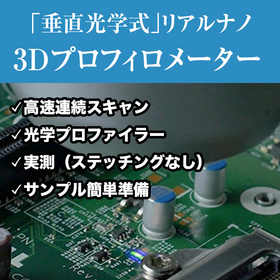
In the battery industry, it is important to accurately measure the mechanical properties of materials to evaluate the performance and durability of products. In particular, the characterization of thin films and coatings, such as electrode materials and separators, affects the lifespan and safety of batteries. Nano/microindenters accurately measure the nano-mechanical properties of these materials, supporting product development and quality control. 【Application Scenarios】 - Evaluation of hardness, elastic modulus, and friction properties of battery materials - Assessment of adhesion and wear resistance of thin films and coatings - Analysis of material degradation during battery charge and discharge cycles 【Effects of Implementation】 - Detailed understanding of the mechanical properties of materials contributes to improved product performance - Increased accuracy in quality control helps reduce defective products - Streamlining research and development and promoting the development of higher-performance batteries
Added to bookmarks
Bookmarks listBookmark has been removed
Bookmarks listYou can't add any more bookmarks
By registering as a member, you can increase the number of bookmarks you can save and organize them with labels.
Free membership registration
In the automotive industry's surface treatment, characteristics such as wear resistance, corrosion resistance, and adhesion are important. These characteristics are directly linked to the durability and reliability of the products, influencing quality. Accurately measuring the nano-mechanical properties of materials is essential for evaluating surface treatments. Nano/micro indenters are the optimal solution for assessing these properties. 【Application Scenarios】 - Performance evaluation of coatings - Optimization of surface modification processes - Quality control of materials 【Effects of Implementation】 - Improvement of surface treatment quality - Enhancement of product durability - Increased efficiency in research and development
Added to bookmarks
Bookmarks listBookmark has been removed
Bookmarks listYou can't add any more bookmarks
By registering as a member, you can increase the number of bookmarks you can save and organize them with labels.
Free membership registration
In the aerospace industry, quality control of coatings is crucial for maintaining the safety and performance of aircraft. In particular, properties such as wear resistance, corrosion resistance, and adhesion significantly affect the durability of aircraft in harsh environments. Coating defects can shorten the lifespan of aircraft and potentially lead to serious accidents. Nanovia's nano/micro indenter supports quality control by accurately measuring the nano-mechanical properties of these coatings. 【Application Scenarios】 - Coating evaluation of aircraft components - Coating evaluation of spacecraft exteriors - Evaluation of wear resistance, corrosion resistance, and adhesion 【Benefits of Implementation】 - Improved coating quality - Enhanced aircraft safety - Reduced product development time - Cost savings
Added to bookmarks
Bookmarks listBookmark has been removed
Bookmarks listYou can't add any more bookmarks
By registering as a member, you can increase the number of bookmarks you can save and organize them with labels.
Free membership registration
In the medical device industry, the durability and safety of biomaterials such as implants and artificial joints are crucial. The fine characterization of materials is essential to ensure product quality and patient safety. Biomaterials possess complex structures and diverse properties, necessitating accurate measurements. Nano/micro indenters accurately measure the micro to nano mechanical properties of biomaterials, supporting product development and quality control. 【Application Scenarios】 - Hardness measurement of implant materials - Friction property evaluation of artificial joints - Scratch testing of biomaterials - Adhesion evaluation of coating materials - Characterization of tissue engineering materials 【Benefits of Implementation】 - Detailed analysis of mechanical properties of materials - Improvement of product durability and safety - Increased efficiency in research and development - Enhanced accuracy in quality control - Increased reliability of products
Added to bookmarks
Bookmarks listBookmark has been removed
Bookmarks listYou can't add any more bookmarks
By registering as a member, you can increase the number of bookmarks you can save and organize them with labels.
Free membership registration
In the field of materials science, hardness measurement is an important factor in the evaluation of material properties. Particularly in areas such as thin films, coatings, ceramics, and composites, accurately measuring hardness and elastic modulus in small regions of materials is essential for material development and quality control. Nano/micro indenters have been developed to meet these needs. [Application Scenarios] - Hardness measurement of thin films, coatings, ceramics, and composites - Hardness measurement of polymers and biomaterials [Effects of Implementation] - Accurate measurement of micro to nano mechanical properties of a wide range of materials - Unmatched precision and the highest reproducibility available in the market
Added to bookmarks
Bookmarks listBookmark has been removed
Bookmarks listYou can't add any more bookmarks
By registering as a member, you can increase the number of bookmarks you can save and organize them with labels.
Free membership registration
In the semiconductor industry, accurately measuring the mechanical properties of thin films is essential for ensuring product quality and reliability. In particular, properties such as hardness, elastic modulus, and adhesion of thin films directly impact device performance, necessitating precise evaluation. NanoBia's nano/micro indenter accurately measures the micro to nano mechanical properties of thin films, addressing these challenges. 【Application Scenarios】 - Measurement of thin film hardness and elastic modulus - Adhesion evaluation through scratch testing - Stress-strain analysis 【Benefits of Implementation】 - Improved quality control of thin films - Enhanced reliability of devices - Increased efficiency in research and development
Added to bookmarks
Bookmarks listBookmark has been removed
Bookmarks listYou can't add any more bookmarks
By registering as a member, you can increase the number of bookmarks you can save and organize them with labels.
Free membership registration
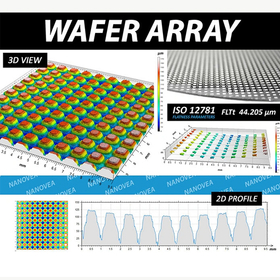
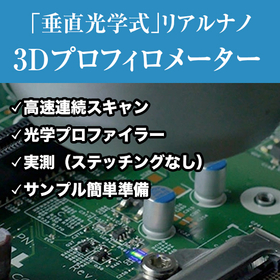
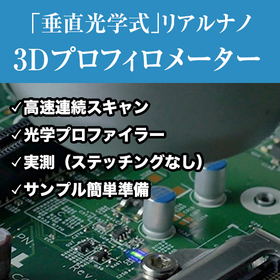
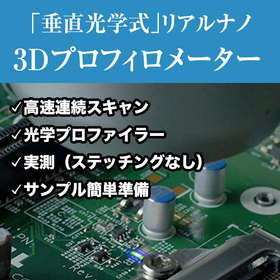
In research institutions, it is required to accurately measure the fine structures of surfaces and evaluate the properties of materials. In particular, shape measurement at the nanoscale plays an important role in the development of new materials and the research of surface treatment technologies. Traditional measurement methods have faced challenges such as long measurement times and limitations in measurement accuracy. Our Real Nano 3D measurement system enables actual measurements at the nanoscale through high-speed continuous scanning and vertical focus technology, contributing to the efficiency of research. 【Application Scenarios】 - Surface roughness and shape measurement in materials science research - Quality evaluation of semiconductor devices - Research and development of coating technologies - Surface property evaluation of medical devices 【Effects of Implementation】 - Acquisition of high-precision surface shape data - Reduction of research time - Improvement of research outcomes - Compatibility with diverse materials
Added to bookmarks
Bookmarks listBookmark has been removed
Bookmarks listYou can't add any more bookmarks
By registering as a member, you can increase the number of bookmarks you can save and organize them with labels.
Free membership registration
In the smartphone display industry, precise evaluation of the surface's fine shapes and roughness is required to pursue high-quality display performance. In particular, slight irregularities and scratches on the surface that affect the visibility and durability of the display are critical factors that determine product quality. The Real Nano 3D measurement system contributes to quality control and performance improvement of displays by measuring surface shapes at the nano level. 【Usage Scenarios】 - Measurement of display surface roughness - Evaluation of touch panel surface shapes - Quality assessment of protective films 【Effects of Implementation】 - Improvement of display quality - Reduction of defective products - Streamlining of product development
Added to bookmarks
Bookmarks listBookmark has been removed
Bookmarks listYou can't add any more bookmarks
By registering as a member, you can increase the number of bookmarks you can save and organize them with labels.
Free membership registration
In the watch industry, precise evaluation of the fine shapes and roughness of surfaces is required to balance the aesthetics and quality of products. Particularly for parts that have delicate engravings or polishing, even slight irregularities or scratches can diminish the overall value of the product. The Real Nano 3D measuring machine provides high-precision surface property evaluations to address these challenges. 【Application Scenarios】 - Measurement of surface roughness of watch components - Shape evaluation after decorative processing - Coating thickness measurement - Quality control of polishing processes 【Benefits of Implementation】 - Achievement of high-quality decorative processing - Reduction of defective products - Improvement of product reliability
Added to bookmarks
Bookmarks listBookmark has been removed
Bookmarks listYou can't add any more bookmarks
By registering as a member, you can increase the number of bookmarks you can save and organize them with labels.
Free membership registration
In the field of surface modification in the energy industry, it is important to accurately evaluate the fine structures and properties of surfaces to enhance the durability and performance of materials. Particularly in areas such as solar power panels and fuel cells, the roughness and shape of the surface significantly impact performance, necessitating precise measurements. The Real Nano 3D measurement device becomes a crucial tool for accurately measuring the fine shapes of surfaces and assessing the effects of surface modification. 【Application Scenarios】 - Surface evaluation of solar power panels - Surface evaluation of fuel cell electrodes - Surface evaluation of coating films 【Effects of Implementation】 - Optimization of surface modification processes - Improvement of product quality - Increased efficiency in research and development
Added to bookmarks
Bookmarks listBookmark has been removed
Bookmarks listYou can't add any more bookmarks
By registering as a member, you can increase the number of bookmarks you can save and organize them with labels.
Free membership registration
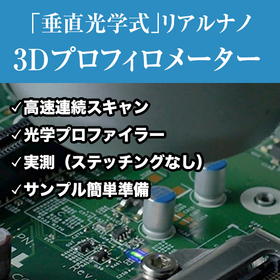
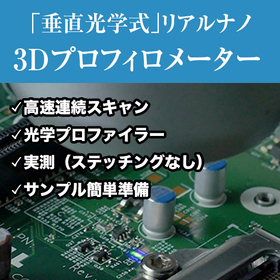
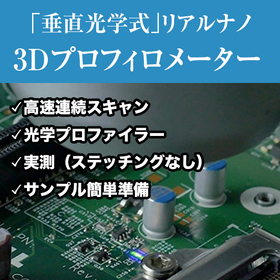
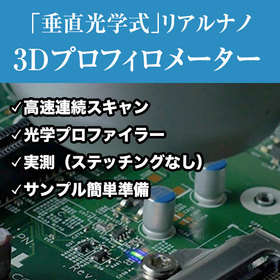
In the field of materials science, accurate measurement of microstructures is essential for the development of new materials and the performance evaluation of existing materials. In particular, it is required to evaluate the surface roughness and shape that influence the strength, durability, and functionality of materials at the nano level. Traditional measurement methods have faced challenges such as long measurement times, the need for sample preparation, and limitations in measurement environments. The Real Nano 3D measurement system addresses these issues and accelerates the analysis of material microstructures. 【Application Scenarios】 - Evaluation of surface properties in new material development - Measurement of coating material thickness and surface roughness evaluation - Microstructure analysis of semiconductor devices - Evaluation of surface characteristics of medical device materials - Surface inspection of aerospace materials 【Benefits of Implementation】 - High-precision surface shape measurement at the nano level - Reduction in measurement time through high-speed scanning - Minimization of impact on samples through non-contact measurement - Acquisition of actual measurement data without stitching - Simplification of sample preparation
Added to bookmarks
Bookmarks listBookmark has been removed
Bookmarks listYou can't add any more bookmarks
By registering as a member, you can increase the number of bookmarks you can save and organize them with labels.
Free membership registration
In the optical industry, accurately evaluating the surface reflection characteristics is essential for product quality control. Particularly for products that utilize light reflection, such as optical lenses and anti-reflective coatings, the fine surface shapes and roughness significantly affect performance. Inadequate surface conditions can lead to light scattering and loss, potentially resulting in decreased product performance. Our Real Nano 3D measurement system enables measurements at the nanoscale, addressing challenges in reflection characteristic evaluation. 【Application Scenarios】 - Measurement of surface roughness of optical lenses - Evaluation of film thickness and shape of anti-reflective coatings - Measurement of end face shape of optical fibers - Surface evaluation of displays 【Benefits of Implementation】 - Improved quality through high-precision surface shape measurement - Reduction of defective products and cost savings - Rapid feedback in product development - Enhanced reliability from customers
Added to bookmarks
Bookmarks listBookmark has been removed
Bookmarks listYou can't add any more bookmarks
By registering as a member, you can increase the number of bookmarks you can save and organize them with labels.
Free membership registration
In the electronic components industry, the reliability of joints is a crucial factor that affects product quality. In environments exposed to temperature changes and vibrations, even minor anomalies in joints can lead to performance degradation or failure of the product. The Real Nano 3D measurement system measures the surface roughness and shape of joints in detail, contributing to the early detection of joint defects. 【Usage Scenarios】 - Measurement of surface roughness of electronic component joints - Evaluation of the shape of solder joints - Detection of foreign substances at joint interfaces 【Benefits of Implementation】 - Improved yield through early detection of joint defects - Enhanced product reliability - Increased efficiency in quality control
Added to bookmarks
Bookmarks listBookmark has been removed
Bookmarks listYou can't add any more bookmarks
By registering as a member, you can increase the number of bookmarks you can save and organize them with labels.
Free membership registration
In the precision mold industry, the shape accuracy of molds significantly affects product quality. Particularly when micron-level precision is required, even slight errors can lead to product defects or performance degradation. The Real Nano 3D measuring machine enables high-precision measurements and detailed data acquisition for mold shape measurement, supporting quality control and efficiency in mold manufacturing. 【Usage Scenarios】 - Mold shape measurement - Surface roughness measurement - Step and height evaluation 【Benefits of Implementation】 - Quality improvement through high-precision shape measurement - Acquisition of actual measurement data without stitching - Simplification of sample preparation
Added to bookmarks
Bookmarks listBookmark has been removed
Bookmarks listYou can't add any more bookmarks
By registering as a member, you can increase the number of bookmarks you can save and organize them with labels.
Free membership registration