
See Water Quality Analysis's detailed category ranking

The "resilience" of water against acids, which cannot be understood by pH alone, is represented by a numerical value known as alkalinity.


Eco-friendly design without waste water! It measures the residual chlorine concentration in the storage tank and automatically injects additional chlorine.
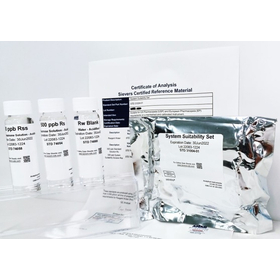

Are you ready to prepare for the revision of EP 12.3? A clear explanation of the new requirements for TOC testing and the standard values by container capacity.
A quick method to observe using the color of the reagent and a method to measure according to the procedures set by the government. I will explain the differences between the two uses beyond just convenience.

BOD, which represents the amount of oxygen used by microorganisms to decompose organic matter, indicates water pollution. This explains the mechanism of measuring it over five days and how it is treated in wastewater standards.
COD, which represents the pollution of water using oxidizing agents. This will explain the differences between Japan's official methods and the standard methods in Europe and the United States, the differences from BOD, and how it is treated in total quantity regulations.
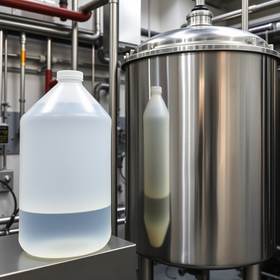
How much should you dilute a 12% solution to make 200 ppm? This explains the dilution calculation formula and examples used in business, precautions for making in advance, and guidelines for concentrations based on different uses.

Hot spring water and well water compatible! Residual chlorine meter 'RM'


A water quality testing device that can be easily and conveniently used for daily management tasks.
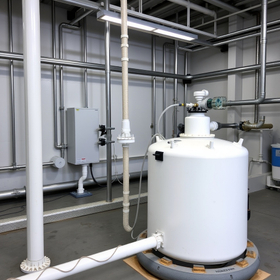
Does the concentration decrease just by leaving the same product out? The mechanism of sodium hypochlorite disinfection used in business and storage precautions.
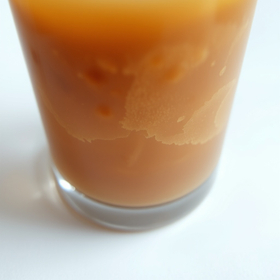
SS represents the amount of small particles floating in water. How do we measure it? This will explain the procedures and calculations established by the government, along with examples of drainage standards.
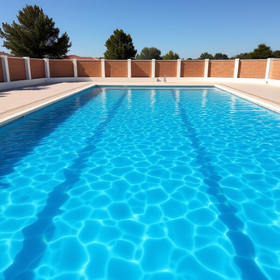
The standards and the frequency of inspections differ between school pools and public pools. I will explain the locations for water sampling, the preparation of bottles, and the inspection items.

Safe drinking water from the water tank! TCM automatically controls residual chlorine concentration.


The lab is, of course, a new type of pH and conductivity meter that can be used outdoors by removing the main unit.
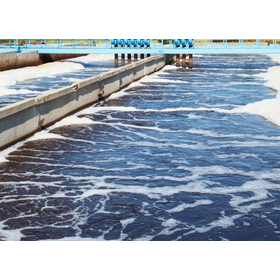
What are BOD and COD? An explanation of the four methods of wastewater treatment (physical, chemical, physicochemical, and biological treatment).
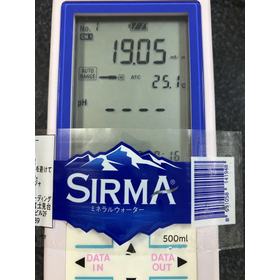
Hardness 11 and 1468, with an electrical conductivity difference of 13 times? Verified by actual measurements!
In drinking water, wastewater, and utility water, the regulations that serve as the basis for water quality testing and the items measured differ. Let's organize the three differences.
If you use well water for drinking at your business, the regulations that apply will change the content of the inspection. This will explain the items, frequency, the requesting party, and how to interpret the results.


The sensor material is a fluorescent sensor made of titanium and plastic, which is used for applications such as seawater, wastewater, land-based aquaculture, and aquariums.

Introducing a digital residual chlorine tester that can accurately measure with just one finger, expanding its applications with four different reagents!

Eco-friendly design without waste water! An automatic chlorine injection device 'TCM' that continuously monitors and controls the target residual chlorine concentration.

For legionella prevention! Automatic control of residual chlorine concentration in water storage tanks.

High-precision measurement of a range from 0.01 to 4000 NTU with new technology.

Optimal for quality control of ultrapure water (UPW) systems in semiconductor manufacturing. A series of analytical devices that continuously monitor trace concentrations of TOC and boron with high precision.
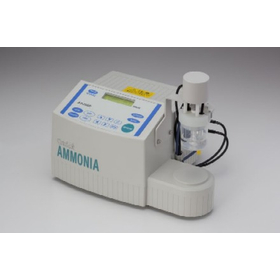
Measurement completed in about 1 minute. Contributes to the efficiency of ammonia measurement in research.

Rapid and accurate measurement of pollutants. For on-site water quality testing.


Precise analysis using a germanium semiconductor detector is possible.

Ideal for self-testing! Packaged solution for analyzing hot spring components and compliance analysis.

A beginner's booklet that explains the structure and handling methods of pH glass electrodes in an easy-to-understand manner.

Digital transformation of water quality management for shrimp farming using ion chromatography for land-based aquaculture! Simultaneous measurement of nitrite, nitrate, and phosphate!

Technical document explaining the automatic measurement of water hardness using an automatic titration device compliant with the new standard (ASTM D8192).
We will also introduce practical tips for on-site operations and water usage reduction (HI 520 usage examples)!

Validation of absorbance at each wavelength using the validator (standard solution) is possible!

Constant measurement of residual chlorine and pH! Continuous measurement allows for data storage and output.

High-precision measurements are possible even in ultra-low energy domains! Everything is packed into one case, making it convenient for transport and management.


An example of the application of geothermometry analysis to estimate the temperature of geothermal fluids existing in underground structures.


The testing and examination functions related to "water" have been upgraded.


Introducing the LabSen series of laboratory pH electrodes manufactured with cutting-edge sensor technology and Swiss core technology.
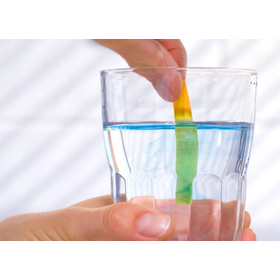
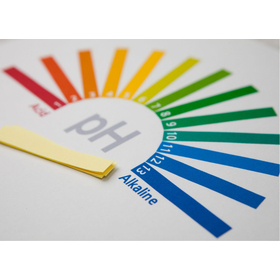
There are precise instruments and convenient test strips for measuring pH!
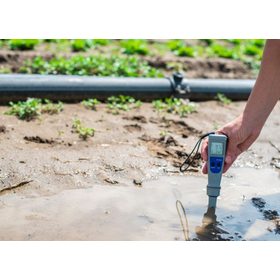
The reasons for pH measurement range widely from "quality control" to "environmental monitoring"!
Why can't flocculation occur? An explanation of the causes of poor aggregation and the effective pH range.
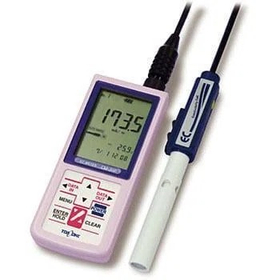
No need for reagents to check water quality? What is the mechanism of an electrical conductivity meter!
Pure water is almost zero, but tap water is 10-20 mS/m? What is the reason for that!
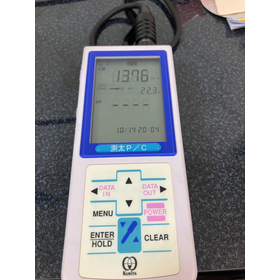
Measured with a conductivity meter! What do the differences in values between household groundwater and non-potable well water reveal about water quality standards?
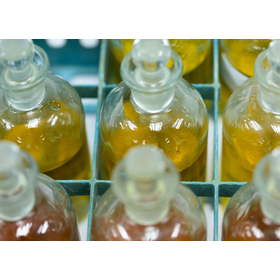
5 days for measurement? Or a few hours? Explaining the difference between BOD and COD!


A lineup of products available for various environments, including lab, mobile, and process use!

SD memory card & built-in memory! PC support software is included as standard.

Residual chlorine management made safe, easy, and accurate! Lightweight and compact portable type, with a dedicated case included.

Optimize residual chlorine in the water tank to reduce the risk of hospital-acquired infections.

Automate the water quality management of the water tank. Safe water for schools.

Reduce the risk of foreign matter contamination in food processing! 'TCM' automatically controls residual chlorine concentration.

Portable water quality meter usable in various settings.

RTRT reduces the effort of sampling, detects OOS and OOT through real-time analysis, and implements corrective actions, thereby reducing risk, labor, and operational costs.

3 drops and measurement is completed in 3 seconds, and cleanup is easy. We support rapid and accurate pH measurement from research to manufacturing sites.
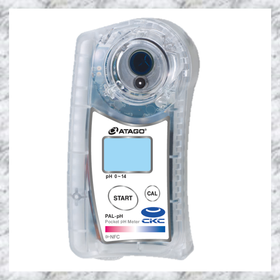
Measurement completed in 3 drops and 3 seconds. Rapidly supports quality control in food manufacturing.
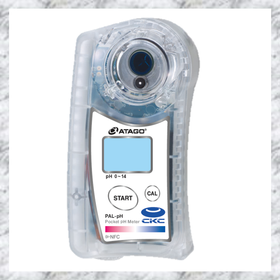
3 drops, 3 seconds for pH measurement. Quickly supports water quality management in aquaculture ponds.
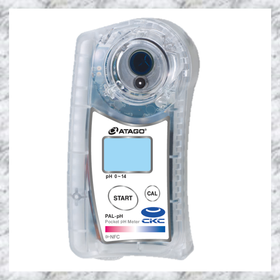
3 drops, measurement completed in 3 seconds. Supporting rapid pH measurement from research to manufacturing sites.
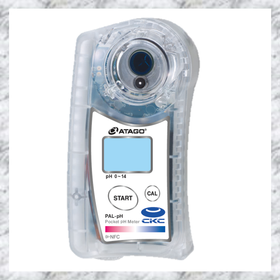
Measure the pH of the spring water in 3 drops and 3 seconds. Supports quality control of hot springs.
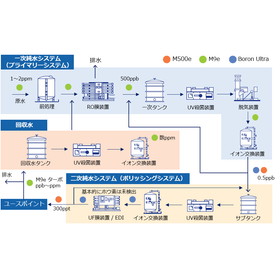
Optimal for quality control of ultrapure water systems in semiconductor manufacturing.
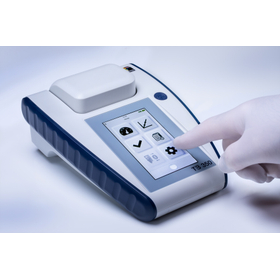
High-precision measurement of 0.01 to 4000 NTU using new technology.
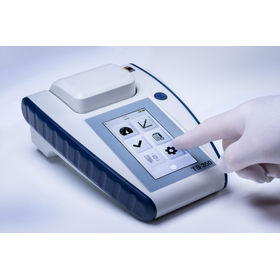
High-precision measurement of a range from 0.01 to 4000 NTU with new technology.
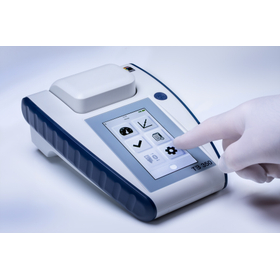
High-precision measurement over a wide range of 0.01 to 4000 NTU.
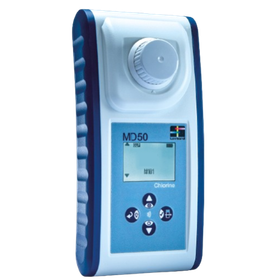
Managing cleanliness in food manufacturing with reagent-free and simple operations.
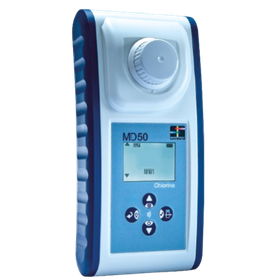
Streamlining on-site wastewater treatment without reagents.
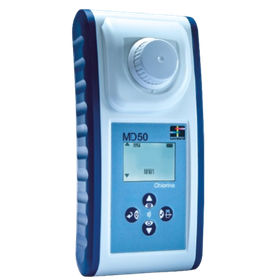
Rapid measurement of site SS without reagents. Streamlining contamination investigation.
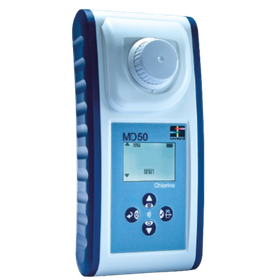
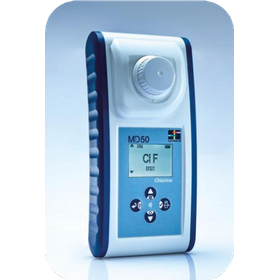
Easily and accurately measure the residual chlorine in tap water. For on-site water quality management.
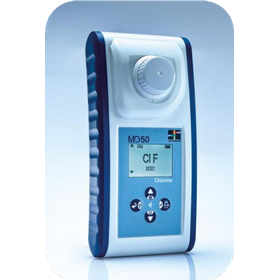
For quality control of tap water. A portable residual chlorine meter for on-site use.
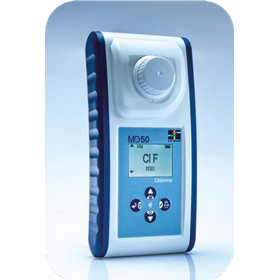
For managing the water quality of hot spring water. Accurate residual chlorine measurement with easy operation.
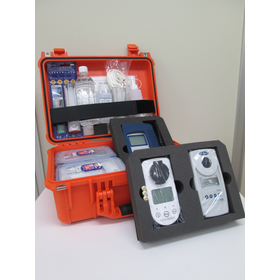
Determine on-site whether it is safe to drink. Conduct raw water testing quickly.
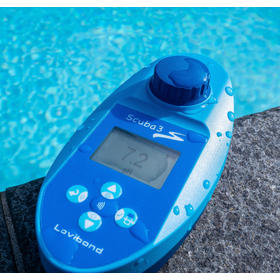
Water quality management in food manufacturing, made simple and accurate. Smooth data management with NFC compatibility.
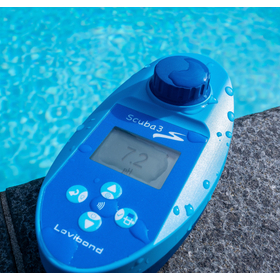
Streamlining water quality monitoring on-site! Easy data management with smartphone integration.
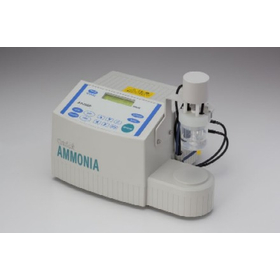
Measurement completed in about 1 minute. Supporting water quality management in aquaculture.
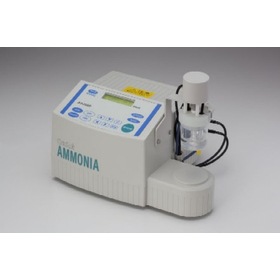
Measurement completed in about 1 minute. Accelerating ammonia concentration measurement in wastewater treatment.
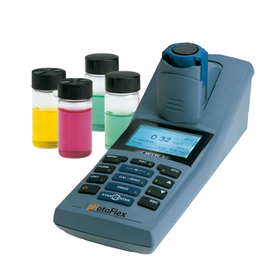
Strongly support water quality monitoring on-site!
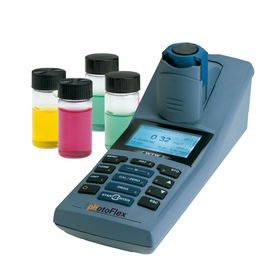
For water quality analysis classes and research! A multi-parameter meter useful in the field.
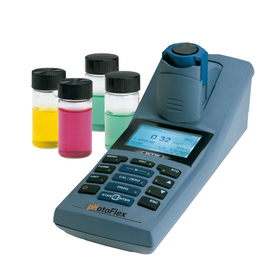
Portable multiparameter water quality meter to support cooling water management at power plants.
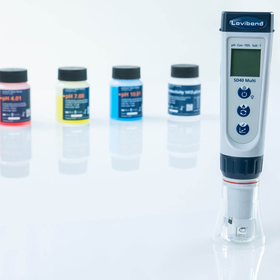
Portable water quality meter to support temperature management in food manufacturing sites.
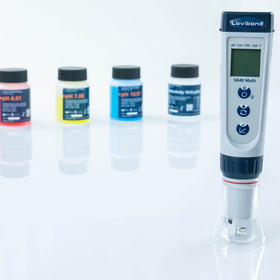
For water quality management in fisheries and aquaculture. Portable water quality meter.
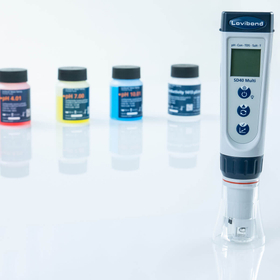
Portable water quality meter usable in various settings.

Accurate water quality management for aquaculture with easy operation.

Multifunctional spectrophotometer supporting water quality management in beverage manufacturing.

A user-friendly spectrophotometer that supports water quality management at water treatment plants.
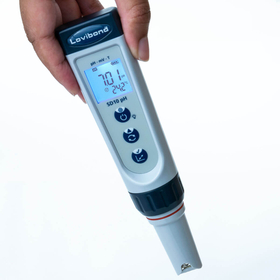
Instantly measure pH at the site of a chemical reaction to accurately understand the reaction.

A turbidity meter and water sampler combined into one! A turbidity meter with an easy-to-use water sampling function.