
List of Electronic Components products
- classification:Electronic Components
2386~2430 item / All 28732 items


Reduce the workload from handling heavy objects! Here are five case studies that solved customer challenges! We are also accepting free consultations and tests tailored to your work!

- Other conveying machines


We can accommodate high resistance over 10,000 ohms, with diameters ranging from approximately 30 mm to 8 inches, and we also offer thinning and chip processing arrangements!
- Other semiconductors
- Processing Contract
- Wafer

Basic knowledge of photoresist essential for electrode formation in solar cells.
- Printed Circuit Board
- Other electronic parts
- Technical and Reference Books
An explanation of the basic knowledge of photoresist, which is essential for semiconductor manufacturing.
- Printed Circuit Board
- Other electronic parts
- Technical and Reference Books
An explanation of the basic knowledge of photoresist, which is essential for the manufacturing of liquid crystal displays.
- Printed Circuit Board
- Other electronic parts
- Technical and Reference Books


This is a high-speed, high-precision line camera for inline appearance inspection, also suitable for wafer inspection applications.
- Optical Measuring Instruments
- Sensors

Photonix Tokyo 2024: Light and Laser Technology Exhibition
We will be exhibiting at the Photonix Tokyo exhibition held at Makuhari Messe from October 29 (Tuesday) to October 31 (Thursday), 2024. If you are interested, please come to the venue. ■ Products to be exhibited Laser photothermal sensor by Enovasense ProCutter 2.0 60kW cutting head WeldMaster YW52 CANUNDA-HP LWM


The principle of discrimination is a spectral method using near-infrared light! A column introducing tips for measuring black resin.
- Sensors

A detailed explanation of the differences with 3R and initiatives in Japan and abroad in a column format!
- Sensors

Introducing tips for measuring transparent resin and film in a column format!
- Sensors
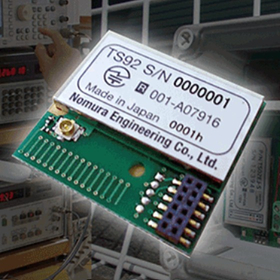

"Certified for technical standards compliance" Wireless communication with selectable frequency bands reduces installation work and communication troubles on-site!
- Other network tools
- Other electronic parts
- Wireless LAN
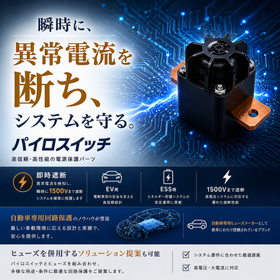

It is possible to instantly and safely disconnect high voltage and current circuits of stationary energy storage systems (ESS) equipped with large-capacity batteries and electric mobility!
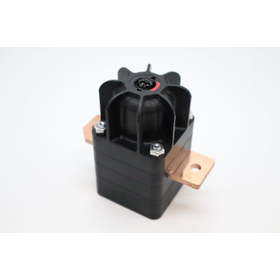
- fuse


Real-time re-radiation of GPS, GLONASS, BEIDOU, GALILEO, and QZSS (Michibiki) signals received outdoors into indoors.


- antenna
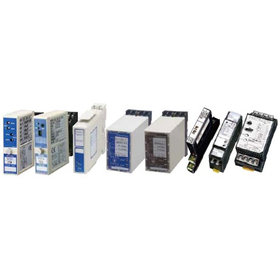

We insulate and convert various measurement signals with a wealth of achievements and a diverse lineup!
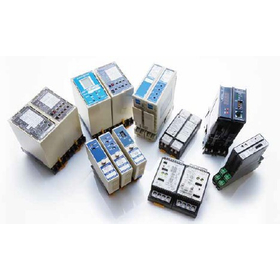
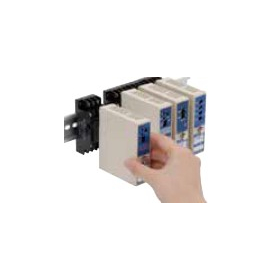
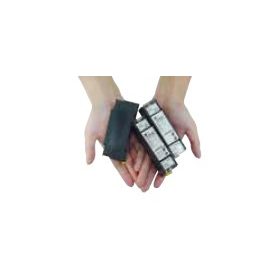
- Converters and Transducers
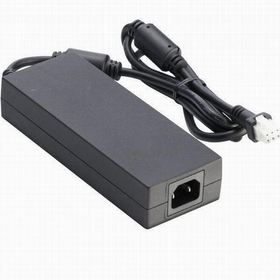

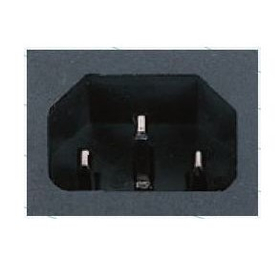
Thin with high output! A product for companies seeking stable high quality.
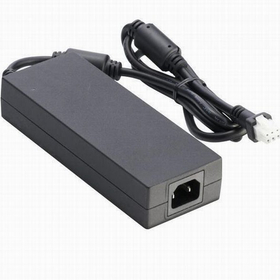


- AC adapter
- power supply
- Switching Power Supply
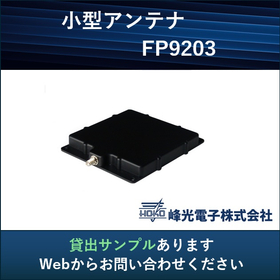

A space-saving left-handed circularly polarized antenna that contributes to expiration date management.
- antenna
- Document and Data Management
- Entrance and exit control system

A clear explanation of how to obtain a technical standards conformity certification!
To sell and use products that utilize wireless technology in Japan, it is necessary to obtain a national certification called "Technical Standards Conformity Certification (Giteki)." So, "how do you obtain Giteki?" 【Step 1】 What products require Giteki? Devices that communicate using wireless technology that emits radio waves are subject to this requirement, such as smartphones, Wi-Fi routers, Bluetooth earphones, wireless mice, wireless transceivers, IoT devices, etc. 【Step 2】 Where can you get the assessment done? The assessment for Giteki is conducted by a third-party organization recognized by the government, called a "Registered Certification Body." Examples include the Telecommunications Engineering Center (TELEC) and the Japan Maritime Bureau (JCI). 【Step 3】 What do you need to submit? For the assessment, you need to submit documents and samples such as the following, to check for "signal strength," "frequency accuracy," and "radio interference": Product technical specifications (such as frequency and output), circuit diagrams or design drawings, and the actual product (or prototype). 【Step 4】 If you pass the test, you will receive the "Giteki mark"! 【Step 5】 After that, you can freely sell and use the product!
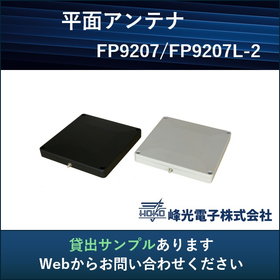
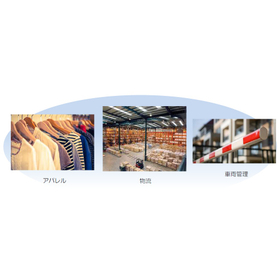
A compact left-handed circularly polarized antenna ideal for entry and exit management and equipment authentication!
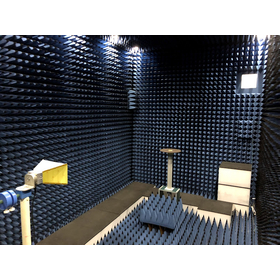
- antenna
- Document and Data Management
- Other security
A clear explanation of how to obtain a technical standards conformity certification!
To sell and use products that utilize wireless technology in Japan, it is necessary to obtain a national certification called "Technical Standards Conformity Certification (Giteki)." So, "how do you obtain Giteki?" 【Step 1】 What products require Giteki? Devices that communicate using wireless technology that emits radio waves are subject to this requirement, such as smartphones, Wi-Fi routers, Bluetooth earphones, wireless mice, wireless transceivers, IoT devices, etc. 【Step 2】 Where can you get the assessment done? The assessment for Giteki is conducted by a third-party organization recognized by the government, called a "Registered Certification Body." Examples include the Telecommunications Engineering Center (TELEC) and the Japan Maritime Bureau (JCI). 【Step 3】 What do you need to submit? For the assessment, you need to submit documents and samples such as the following, to check for "signal strength," "frequency accuracy," and "radio interference": Product technical specifications (such as frequency and output), circuit diagrams or design drawings, and the actual product (or prototype). 【Step 4】 If you pass the test, you will receive the "Giteki mark"! 【Step 5】 After that, you can freely sell and use the product!


This is a angular velocity sensor molded using engineering plastic with a vertical injection molding machine.
- Sensors

This is a sleeve for vibration motors for mobile phones.
- Other electronic parts
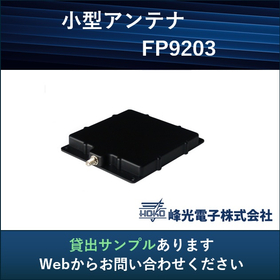
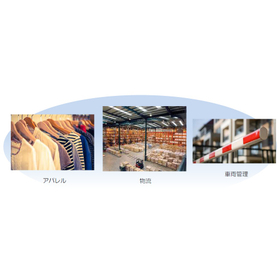
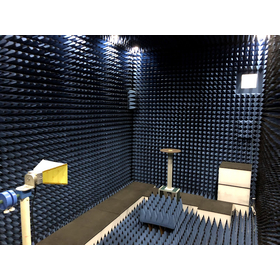
Perfect for cargo tracking! Left-hand circular polarized antenna that can be installed in a space-saving manner.
- antenna
- Document and Data Management
A clear explanation of how to obtain a technical standards conformity certification!
To sell and use products that utilize wireless technology in Japan, it is necessary to obtain a national certification called "Technical Standards Conformity Certification (Giteki)." So, "how do you obtain Giteki?" 【Step 1】 What products require Giteki? Devices that communicate using wireless technology that emits radio waves are subject to this requirement, such as smartphones, Wi-Fi routers, Bluetooth earphones, wireless mice, wireless transceivers, IoT devices, etc. 【Step 2】 Where can you get the assessment done? The assessment for Giteki is conducted by a third-party organization recognized by the government, called a "Registered Certification Body." Examples include the Telecommunications Engineering Center (TELEC) and the Japan Maritime Bureau (JCI). 【Step 3】 What do you need to submit? For the assessment, you need to submit documents and samples such as the following, to check for "signal strength," "frequency accuracy," and "radio interference": Product technical specifications (such as frequency and output), circuit diagrams or design drawings, and the actual product (or prototype). 【Step 4】 If you pass the test, you will receive the "Giteki mark"! 【Step 5】 After that, you can freely sell and use the product!
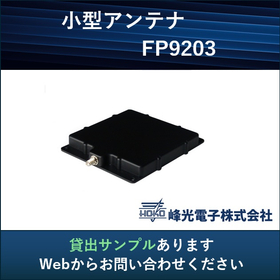
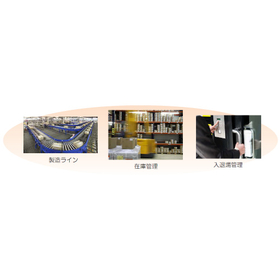
Ideal for agricultural machinery management! RFID antenna that can be installed in a space-saving manner.
- antenna
- Document and Data Management
- Entrance and exit control system
A clear explanation of how to obtain a technical standards conformity certification!
To sell and use products that utilize wireless technology in Japan, it is necessary to obtain a national certification called "Technical Standards Conformity Certification (Giteki)." So, "how do you obtain Giteki?" 【Step 1】 What products require Giteki? Devices that communicate using wireless technology that emits radio waves are subject to this requirement, such as smartphones, Wi-Fi routers, Bluetooth earphones, wireless mice, wireless transceivers, IoT devices, etc. 【Step 2】 Where can you get the assessment done? The assessment for Giteki is conducted by a third-party organization recognized by the government, called a "Registered Certification Body." Examples include the Telecommunications Engineering Center (TELEC) and the Japan Maritime Bureau (JCI). 【Step 3】 What do you need to submit? For the assessment, you need to submit documents and samples such as the following, to check for "signal strength," "frequency accuracy," and "radio interference": Product technical specifications (such as frequency and output), circuit diagrams or design drawings, and the actual product (or prototype). 【Step 4】 If you pass the test, you will receive the "Giteki mark"! 【Step 5】 After that, you can freely sell and use the product!
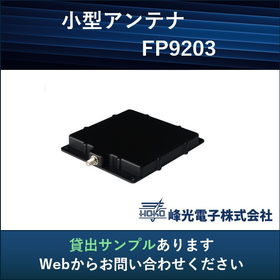
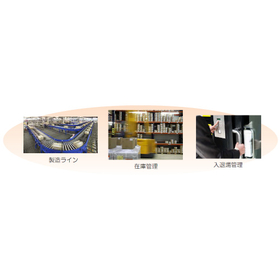
A compact left-handed circularly polarized antenna that streamlines the management of equipment and maintenance materials!
- antenna
- Document and Data Management
- Entrance and exit control system
A clear explanation of how to obtain a technical standards conformity certification!
To sell and use products that utilize wireless technology in Japan, it is necessary to obtain a national certification called "Technical Standards Conformity Certification (Giteki)." So, "how do you obtain Giteki?" 【Step 1】 What products require Giteki? Devices that communicate using wireless technology that emits radio waves are subject to this requirement, such as smartphones, Wi-Fi routers, Bluetooth earphones, wireless mice, wireless transceivers, IoT devices, etc. 【Step 2】 Where can you get the assessment done? The assessment for Giteki is conducted by a third-party organization recognized by the government, called a "Registered Certification Body." Examples include the Telecommunications Engineering Center (TELEC) and the Japan Maritime Bureau (JCI). 【Step 3】 What do you need to submit? For the assessment, you need to submit documents and samples such as the following, to check for "signal strength," "frequency accuracy," and "radio interference": Product technical specifications (such as frequency and output), circuit diagrams or design drawings, and the actual product (or prototype). 【Step 4】 If you pass the test, you will receive the "Giteki mark"! 【Step 5】 After that, you can freely sell and use the product!
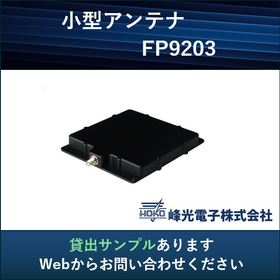
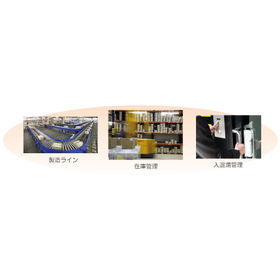
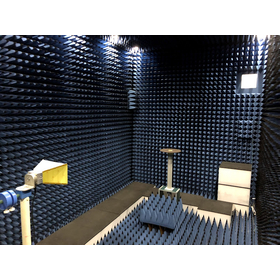
Streamlining process management with a compact RFID antenna that achieves space-saving.
- antenna
- Document and Data Management
- Entrance and exit control system
A clear explanation of how to obtain a technical standards conformity certification!
To sell and use products that utilize wireless technology in Japan, it is necessary to obtain a national certification called "Technical Standards Conformity Certification (Giteki)." So, "how do you obtain Giteki?" 【Step 1】 What products require Giteki? Devices that communicate using wireless technology that emits radio waves are subject to this requirement, such as smartphones, Wi-Fi routers, Bluetooth earphones, wireless mice, wireless transceivers, IoT devices, etc. 【Step 2】 Where can you get the assessment done? The assessment for Giteki is conducted by a third-party organization recognized by the government, called a "Registered Certification Body." Examples include the Telecommunications Engineering Center (TELEC) and the Japan Maritime Bureau (JCI). 【Step 3】 What do you need to submit? For the assessment, you need to submit documents and samples such as the following, to check for "signal strength," "frequency accuracy," and "radio interference": Product technical specifications (such as frequency and output), circuit diagrams or design drawings, and the actual product (or prototype). 【Step 4】 If you pass the test, you will receive the "Giteki mark"! 【Step 5】 After that, you can freely sell and use the product!
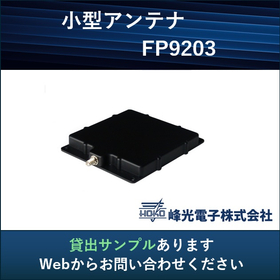
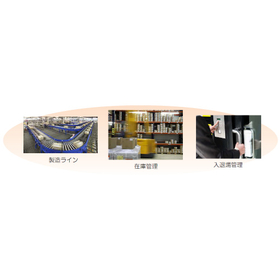
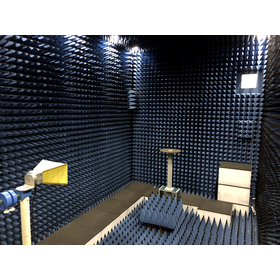
A small left-handed circularly polarized antenna that supports the individual management of important components!
- antenna
- Document and Data Management
- Entrance and exit control system
A clear explanation of how to obtain a technical standards conformity certification!
To sell and use products that utilize wireless technology in Japan, it is necessary to obtain a national certification called "Technical Standards Conformity Certification (Giteki)." So, "how do you obtain Giteki?" 【Step 1】 What products require Giteki? Devices that communicate using wireless technology that emits radio waves are subject to this requirement, such as smartphones, Wi-Fi routers, Bluetooth earphones, wireless mice, wireless transceivers, IoT devices, etc. 【Step 2】 Where can you get the assessment done? The assessment for Giteki is conducted by a third-party organization recognized by the government, called a "Registered Certification Body." Examples include the Telecommunications Engineering Center (TELEC) and the Japan Maritime Bureau (JCI). 【Step 3】 What do you need to submit? For the assessment, you need to submit documents and samples such as the following, to check for "signal strength," "frequency accuracy," and "radio interference": Product technical specifications (such as frequency and output), circuit diagrams or design drawings, and the actual product (or prototype). 【Step 4】 If you pass the test, you will receive the "Giteki mark"! 【Step 5】 After that, you can freely sell and use the product!
![[Medical Use] UHF Band RFID Small A...](https://image.mono.ipros.com/public/product/image/2057660/IPROS643542527839897612.jpg?w=280&h=280)
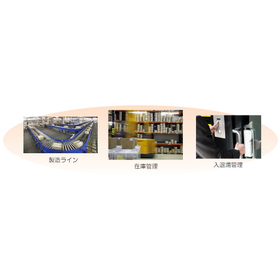
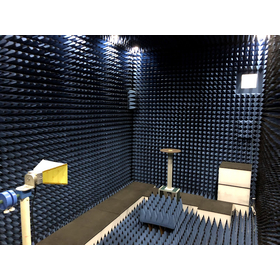
Space-saving left-handed circularly polarized antenna contributing to medical device management.
- antenna
- Document and Data Management
- Entrance and exit control system
A clear explanation of how to obtain a technical standards conformity certification!
To sell and use products that utilize wireless technology in Japan, it is necessary to obtain a national certification called "Technical Standards Conformity Certification (Giteki)." So, "how do you obtain Giteki?" 【Step 1】 What products require Giteki? Devices that communicate using wireless technology that emits radio waves are subject to this requirement, such as smartphones, Wi-Fi routers, Bluetooth earphones, wireless mice, wireless transceivers, IoT devices, etc. 【Step 2】 Where can you get the assessment done? The assessment for Giteki is conducted by a third-party organization recognized by the government, called a "Registered Certification Body." Examples include the Telecommunications Engineering Center (TELEC) and the Japan Maritime Bureau (JCI). 【Step 3】 What do you need to submit? For the assessment, you need to submit documents and samples such as the following, to check for "signal strength," "frequency accuracy," and "radio interference": Product technical specifications (such as frequency and output), circuit diagrams or design drawings, and the actual product (or prototype). 【Step 4】 If you pass the test, you will receive the "Giteki mark"! 【Step 5】 After that, you can freely sell and use the product!
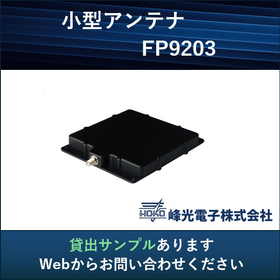
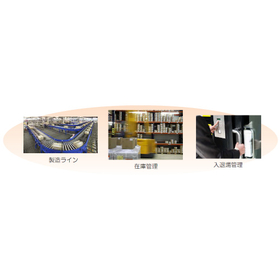
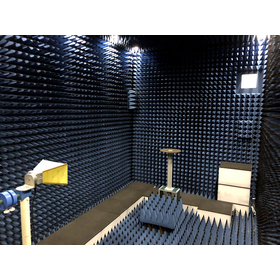
A compact left-handed circularly polarized antenna ideal for identification and process management within equipment!
- antenna
- Document and Data Management
- Entrance and exit control system
A clear explanation of how to obtain a technical standards conformity certification!
To sell and use products that utilize wireless technology in Japan, it is necessary to obtain a national certification called "Technical Standards Conformity Certification (Giteki)." So, "how do you obtain Giteki?" 【Step 1】 What products require Giteki? Devices that communicate using wireless technology that emits radio waves are subject to this requirement, such as smartphones, Wi-Fi routers, Bluetooth earphones, wireless mice, wireless transceivers, IoT devices, etc. 【Step 2】 Where can you get the assessment done? The assessment for Giteki is conducted by a third-party organization recognized by the government, called a "Registered Certification Body." Examples include the Telecommunications Engineering Center (TELEC) and the Japan Maritime Bureau (JCI). 【Step 3】 What do you need to submit? For the assessment, you need to submit documents and samples such as the following, to check for "signal strength," "frequency accuracy," and "radio interference": Product technical specifications (such as frequency and output), circuit diagrams or design drawings, and the actual product (or prototype). 【Step 4】 If you pass the test, you will receive the "Giteki mark"! 【Step 5】 After that, you can freely sell and use the product!
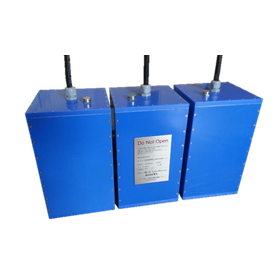

This is an energy-saving unit primarily composed of tourmaline that can reduce the overall power consumption of the cubicle by more than 5%. There are over 2,200 units installed domestically.

- Electron tube
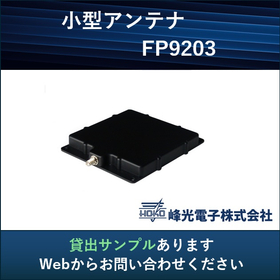
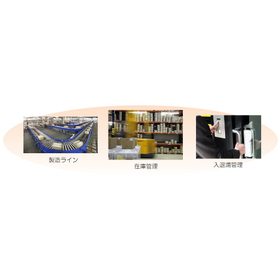
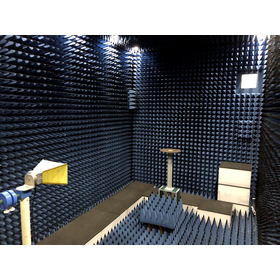
Compact RFID antenna that achieves space-saving! Ideal for parts management.
- antenna
- Document and Data Management
- Entrance and exit control system
A clear explanation of how to obtain a technical standards conformity certification!
To sell and use products that utilize wireless technology in Japan, it is necessary to obtain a national certification called "Technical Standards Conformity Certification (Giteki)." So, "how do you obtain Giteki?" 【Step 1】 What products require Giteki? Devices that communicate using wireless technology that emits radio waves are subject to this requirement, such as smartphones, Wi-Fi routers, Bluetooth earphones, wireless mice, wireless transceivers, IoT devices, etc. 【Step 2】 Where can you get the assessment done? The assessment for Giteki is conducted by a third-party organization recognized by the government, called a "Registered Certification Body." Examples include the Telecommunications Engineering Center (TELEC) and the Japan Maritime Bureau (JCI). 【Step 3】 What do you need to submit? For the assessment, you need to submit documents and samples such as the following, to check for "signal strength," "frequency accuracy," and "radio interference": Product technical specifications (such as frequency and output), circuit diagrams or design drawings, and the actual product (or prototype). 【Step 4】 If you pass the test, you will receive the "Giteki mark"! 【Step 5】 After that, you can freely sell and use the product!
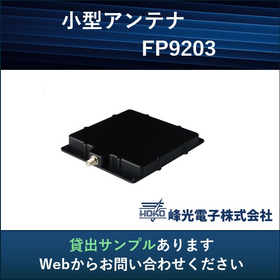
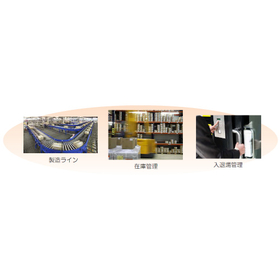
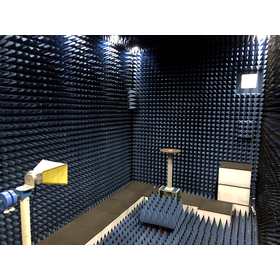
A compact left-handed circularly polarized antenna that streamlines member management and item authentication!
- antenna
- Document and Data Management
- Entrance and exit control system
A clear explanation of how to obtain a technical standards conformity certification!
To sell and use products that utilize wireless technology in Japan, it is necessary to obtain a national certification called "Technical Standards Conformity Certification (Giteki)." So, "how do you obtain Giteki?" 【Step 1】 What products require Giteki? Devices that communicate using wireless technology that emits radio waves are subject to this requirement, such as smartphones, Wi-Fi routers, Bluetooth earphones, wireless mice, wireless transceivers, IoT devices, etc. 【Step 2】 Where can you get the assessment done? The assessment for Giteki is conducted by a third-party organization recognized by the government, called a "Registered Certification Body." Examples include the Telecommunications Engineering Center (TELEC) and the Japan Maritime Bureau (JCI). 【Step 3】 What do you need to submit? For the assessment, you need to submit documents and samples such as the following, to check for "signal strength," "frequency accuracy," and "radio interference": Product technical specifications (such as frequency and output), circuit diagrams or design drawings, and the actual product (or prototype). 【Step 4】 If you pass the test, you will receive the "Giteki mark"! 【Step 5】 After that, you can freely sell and use the product!
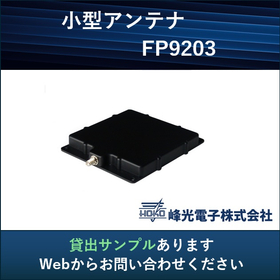
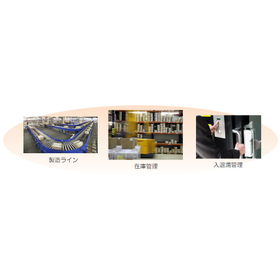
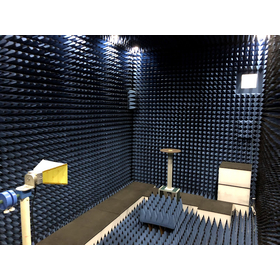
Compact left-handed circularly polarized antenna ideal for product certification!
- antenna
- Document and Data Management
- Entrance and exit control system
A clear explanation of how to obtain a technical standards conformity certification!
To sell and use products that utilize wireless technology in Japan, it is necessary to obtain a national certification called "Technical Standards Conformity Certification (Giteki)." So, "how do you obtain Giteki?" 【Step 1】 What products require Giteki? Devices that communicate using wireless technology that emits radio waves are subject to this requirement, such as smartphones, Wi-Fi routers, Bluetooth earphones, wireless mice, wireless transceivers, IoT devices, etc. 【Step 2】 Where can you get the assessment done? The assessment for Giteki is conducted by a third-party organization recognized by the government, called a "Registered Certification Body." Examples include the Telecommunications Engineering Center (TELEC) and the Japan Maritime Bureau (JCI). 【Step 3】 What do you need to submit? For the assessment, you need to submit documents and samples such as the following, to check for "signal strength," "frequency accuracy," and "radio interference": Product technical specifications (such as frequency and output), circuit diagrams or design drawings, and the actual product (or prototype). 【Step 4】 If you pass the test, you will receive the "Giteki mark"! 【Step 5】 After that, you can freely sell and use the product!


Supports from small quantities to mass production. UL compliant, bendable processing available, compatible pitch: 0.5 to 2.54 mm, cable length: up to 1,000 mm.


- Printed Circuit Board
- cable
- Other cable related products

Ultra-fine processing at the micron level is possible! It is widely applied in fields such as electronic components and semiconductors.


- Printed Circuit Board
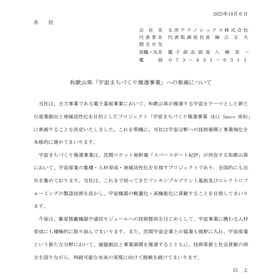
Press Release from Taiyo TechnoRex: Participation in Wakayama Prefecture's "Space Town Development Promotion Project"
Our company has decided to participate in the "Space Town Development Promotion Project (Kii Space HUB)," which aims to create new industries and revitalize the region with a space theme, promoted by Wakayama Prefecture, in our core business of electronic substrate. Taking this opportunity, we will actively advance our technological development and business enhancement in the space field. The Space Town Development Promotion Project is a project aimed at the accumulation of the space industry, human resource development, and regional revitalization in Wakayama Prefecture, where the private rocket launch site "Spaceport Kii" is located, and it has garnered national attention. We aim to contribute to the lightweight and high functionality of space equipment by leveraging the manufacturing technologies of flexible printed circuit boards and electroforming that we have cultivated so far. In the future, we will actively engage in human resource development for those involved in the space business, starting with the provision of technology for satellite-mounted equipment and communication modules. We will also consider collaboration with private space companies, promoting value creation and business development in this new field of the space industry, while striving to balance technological innovation and social contribution, and continuing our challenges toward realizing a sustainable future.

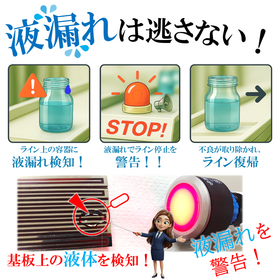
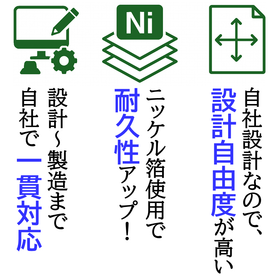
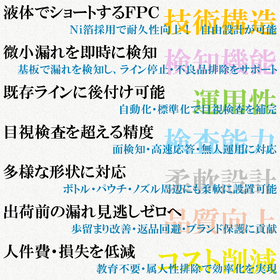
Are you aiming for "zero missed leaks" in liquid filling processes? A new liquid leak inspection device utilizing flexible printed circuit boards (FPC)!


- Sensors
- Liquid and beverage filling machines
- Filling and bottling machines
[Press Release from Taiyo TechnoRex] Established 4-layer FPC manufacturing technology using MSAP method, achieving 10μm/20μm fine wiring and accelerating expansion into next-generation communications, AI, and ADAS fields.
Taiyo TechnoRex has established manufacturing technology for 4-layer FPC (Flexible Printed Circuit Board) using the MSAP (Modified Semi Additive Process) method, which was developed to improve high-density wiring technology. Compared to conventional methods, it enables high-precision line width management, achieving fine wiring formation of 10μm/20μm (line/space) in 4-layer FPCs. This technology ensures high wiring accuracy and reliability of interlayer connections, making it possible to accommodate high-density and high-function circuit designs. The technology is expected to be applied not only in wearable devices and medical equipment but also in next-generation communication devices requiring high-frequency and high-speed transmission technology, AI server-related equipment, and ADAS and autonomous driving-related devices.
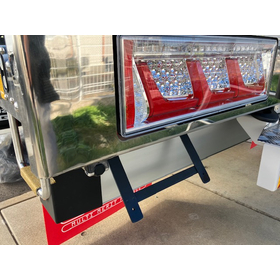

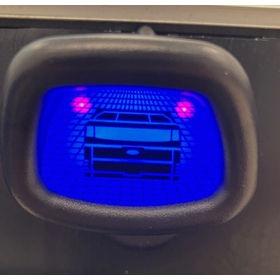
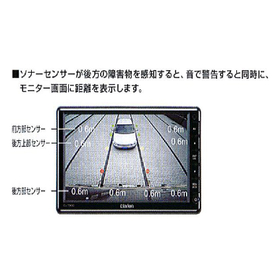
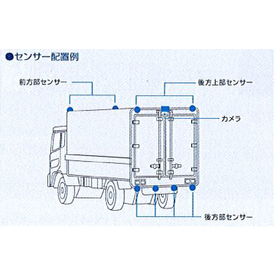
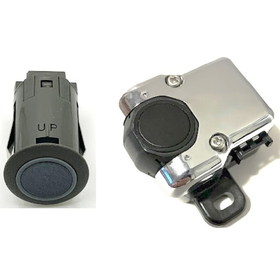
For blind spot prevention in trucks! Support to prevent contact accidents in advance with "rear sonar (backup sonar)"!
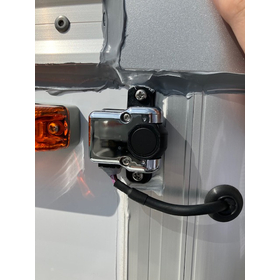
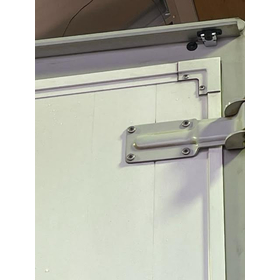
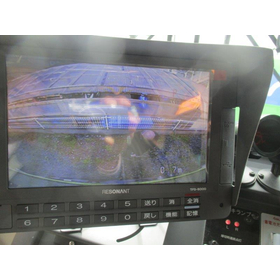
- Sensors
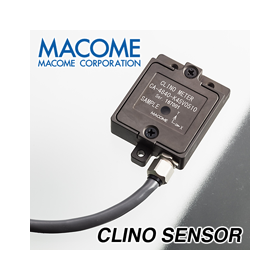

For horizontal management at construction sites. Equipped with MEMS accelerometers and housed in a sturdy metal case.
- Other measurement, recording and measuring instruments
- Sensors
MACOME Construction Machinery Solutions
At Makome Laboratory, we have a variety of robust sensors suitable for construction machinery. We have prepared a page with examples, so please take a look.


A wide lineup of optical isolators/Faraday rotators is available, allowing you to choose the wavelength range, aperture, and output.
- Other electronic parts

The M3-LS series is a compact, high-precision linear stage with a built-in controller. The drive equipment is also integrated into the housing, eliminating the need for an external board. It is ideal ...
- Other electronic parts

Small rotary positioning stage. Capable of positioning with a precision exceeding 0.022 °. Integrated module with drive components and position sensors.
- Other electronic parts
High-quality processing with minimized thermal impact on materials is possible! Compatible with a variety of materials such as semiconductors and glass.
- Other electronic parts
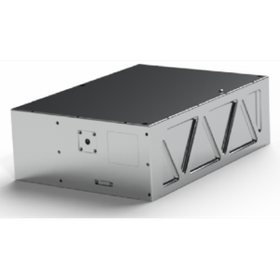
High repetition rate (100Hz) and high energy DPSS! Contributing to real-time detection and imaging of experimental phenomena.
- Other electronic parts
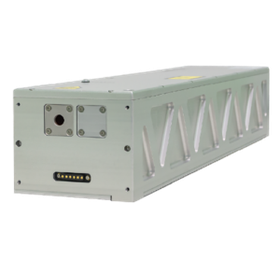
Achieves values close to TEM00 and M2 less than 2! A flash lamp model that provides high beam quality.
- Other electronic parts
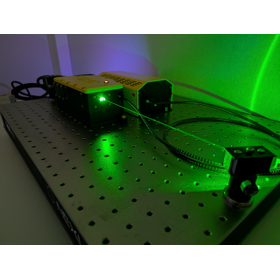
Head volume of just 1.6L. Embedded VECSEL light source that meets continuous operation requirements.
- Other electronic parts

The focus module M3-FS, M3-F is a focus module that achieves high-resolution (0.5μm) lens position control and bidirectional reproducibility.
- Other electronic parts
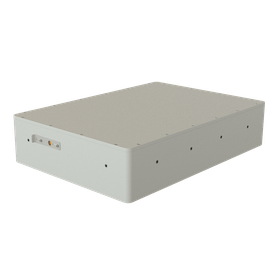
Oscillation in the short-wavelength infrared region (SWIR) at 2.1 μm! Industrial-grade ultrashort pulse laser.
- Other electronic parts
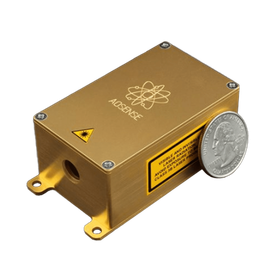
Achieving both compact structure and high frequency stability! Overcoming challenges such as environmental resistance and size constraints.
- Other electronic parts