2251~2295 item / All 2949 items
Displayed results
Filter by category

Added to bookmarks
Bookmarks listBookmark has been removed
Bookmarks listYou can't add any more bookmarks
By registering as a member, you can increase the number of bookmarks you can save and organize them with labels.
Free membership registration
Contact this company
Inquiry FormBefore making an inquiry
Download Profile2251~2295 item / All 2949 items
Filter by category


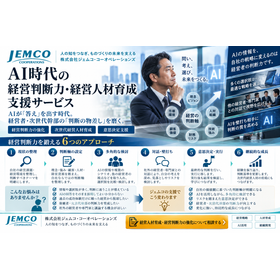
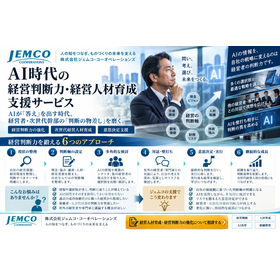
In urban development and urban planning, accurate management decisions are required to respond to increasingly complex project management and unforeseen circumstances. Particularly, to prevent delays in schedules and cost overruns, and to ensure safe and efficient project execution, it is important for managers and next-generation executives to have their own "measuring stick for judgment." With the ease of information gathering through AI, the ability to make decisions based on the company's situation becomes the key to building competitive advantage. 【Utilization Scenarios】 - Risk management in large-scale infrastructure projects - Consideration of countermeasures for unexpected weather and delays in material procurement - Optimization of resource allocation among multiple projects - Decision-making when introducing new construction methods - Strengthening judgment skills in successor development 【Effects of Implementation】 - Prevention of project delays through rapid and accurate decision-making - Improved accuracy in cost management and reduction of waste - Establishment of a flexible management system capable of responding to changes - Early development of next-generation executives and smooth business succession - Strategic planning from an objective perspective utilizing AI
Added to bookmarks
Bookmarks listBookmark has been removed
Bookmarks listYou can't add any more bookmarks
By registering as a member, you can increase the number of bookmarks you can save and organize them with labels.
Free membership registration
In the real estate industry, accurate management decisions are required to respond to the increasingly complex asset evaluations and market fluctuations. In particular, it is important for managers and next-generation executives to have their own "yardstick for judgment" to improve evaluation accuracy and manage risks. Now that information gathering through AI has become easier, the ability to make decisions based on the company's situation will be key to building competitive advantage. 【Usage Scenarios】 - Risk management of real estate portfolios - Consideration of countermeasures for market fluctuations - Optimization of resource allocation among multiple properties - New investment decisions - Strengthening decision-making skills in successor development 【Effects of Implementation】 - Improved evaluation accuracy through rapid and accurate decision-making - Enhanced cost management accuracy and reduction of waste - Establishment of a flexible management system capable of responding to changes - Early development of next-generation executives and smooth business succession - Strategic planning from an objective perspective using AI
Added to bookmarks
Bookmarks listBookmark has been removed
Bookmarks listYou can't add any more bookmarks
By registering as a member, you can increase the number of bookmarks you can save and organize them with labels.
Free membership registration
In the manufacturing industry, accurate management decisions are required to respond to increasingly complex production planning and unexpected situations. Especially to prevent delays in processes and cost overruns, it is important for managers and next-generation executives to have their own "measuring stick" for judgment. With the ease of information gathering through AI, the ability to make decisions based on the company's situation becomes the key to building a competitive advantage. 【Utilization Scenarios】 - Risk management in production planning - Consideration of countermeasures for unexpected equipment troubles or delays in material procurement - Optimization of resource allocation between multiple production lines - Decision-making when introducing new production technologies - Strengthening judgment skills in successor development 【Effects of Implementation】 - Prevention of production delays through rapid and accurate decision-making - Improved accuracy in cost management and reduction of waste - Establishment of a flexible production system capable of responding to changes - Early development of next-generation executives and smooth business succession - Strategic planning from an objective perspective using AI
Added to bookmarks
Bookmarks listBookmark has been removed
Bookmarks listYou can't add any more bookmarks
By registering as a member, you can increase the number of bookmarks you can save and organize them with labels.
Free membership registration
In the telecommunications industry, it is essential to efficiently and safely advance large-scale facility enhancement projects to respond to rapid technological innovations and changes in demand. In particular, preventing delays in processes and cost overruns, as well as making accurate management decisions with a future-oriented perspective, are crucial. With the ease of information gathering through AI, the ability to make decisions based on one's own company's situation becomes the key to building a competitive advantage. Our service supports executives and next-generation leaders in the telecommunications industry in cultivating a resilient "yardstick for judgment" in the face of change. 【Usage Scenarios】 - Risk management in large-scale telecommunications infrastructure projects - Developing countermeasures for unexpected technological trends and delays in material procurement - Optimizing resource allocation across multiple projects - Decision-making when introducing new telecommunications technologies - Strengthening judgment skills in successor development 【Effects of Implementation】 - Prevention of project delays through rapid and accurate decision-making - Improved accuracy in cost management and reduction of waste - Establishment of a flexible management system capable of responding to changes - Early development of next-generation leaders and smooth business succession - Strategic planning from an objective perspective utilizing AI
Added to bookmarks
Bookmarks listBookmark has been removed
Bookmarks listYou can't add any more bookmarks
By registering as a member, you can increase the number of bookmarks you can save and organize them with labels.
Free membership registration
In the transportation and logistics industry, accurate management decisions are required to respond to increasingly complex operational management and unexpected situations. In particular, to prevent delays and cost overruns and to ensure safe and efficient operations, it is important for managers and next-generation executives to have their own "measuring stick for judgment." With the ease of information gathering through AI, the ability to make decisions based on the company's situation becomes the key to building a competitive advantage. 【Usage Scenarios】 - Risk management in large-scale operation projects - Developing response strategies for unexpected weather or delays in material procurement - Optimizing resource allocation between multiple operation projects - Decision-making during the introduction of new operational management systems - Strengthening judgment skills in successor development 【Effects of Implementation】 - Prevention of operational delays through rapid and accurate decision-making - Improved accuracy in cost management and reduction of waste - Building a flexible management structure that can respond to changes - Early development of next-generation executives and smooth business succession - Strategic planning from an objective perspective using AI
Added to bookmarks
Bookmarks listBookmark has been removed
Bookmarks listYou can't add any more bookmarks
By registering as a member, you can increase the number of bookmarks you can save and organize them with labels.
Free membership registration
In the energy industry, accurate management decisions are required to improve the accuracy of demand forecasting and respond to unexpected market fluctuations. In particular, for balancing stable supply and cost management, as well as adapting to future energy mixes, it is important for managers and next-generation executives to have their own "measuring stick for judgment." With the ease of information gathering through AI, the ability to make decisions based on the company's situation will be the key to building competitive advantage. 【Utilization Scenarios】 - Risk management in response to fluctuations in energy demand - Consideration of countermeasures for supply fluctuations associated with the introduction of renewable energy - Optimization of operations for multiple power plants - Decision-making when introducing new energy technologies - Strengthening judgment skills in successor development 【Effects of Implementation】 - Improved accuracy of demand forecasting through rapid and accurate decision-making - Enhanced precision in cost management and reduction of waste - Establishment of a flexible management system capable of responding to changes - Early development of next-generation executives and smooth business succession - Strategic planning from an objective perspective using AI
Added to bookmarks
Bookmarks listBookmark has been removed
Bookmarks listYou can't add any more bookmarks
By registering as a member, you can increase the number of bookmarks you can save and organize them with labels.
Free membership registration
In the infrastructure maintenance industry, accurate management decisions are required to address equipment aging and unexpected situations. In particular, to prevent sudden failures and ensure safe and efficient maintenance execution, it is important for managers and next-generation executives to have their own "measuring stick for judgment." With the ease of information gathering through AI, the ability to make decisions based on the company's situation becomes the key to building a competitive advantage. 【Utilization Scenarios】 - Risk management in large-scale infrastructure projects - Consideration of countermeasures for unexpected weather or delays in material procurement - Optimization of resource allocation across multiple projects - Decision-making when introducing new construction methods - Strengthening judgment skills in successor development 【Effects of Implementation】 - Prevention of project delays through rapid and accurate decision-making - Improved accuracy in cost management and reduction of waste - Establishment of a flexible management system capable of responding to changes - Early development of next-generation executives and smooth business succession - Strategic planning from an objective perspective using AI
Added to bookmarks
Bookmarks listBookmark has been removed
Bookmarks listYou can't add any more bookmarks
By registering as a member, you can increase the number of bookmarks you can save and organize them with labels.
Free membership registration
In the construction industry, accurate management decisions are required to handle increasingly complex project management and unexpected situations. In particular, to prevent delays in schedules and cost overruns, it is essential for managers and next-generation executives to have their own "measuring stick" for judgment. With the ease of information gathering through AI, the ability to make decisions based on the company's circumstances becomes the key to building a competitive advantage. Our service supports the enhancement of management decision-making capabilities and the development of management talent in the construction industry in response to the changes of the AI era. 【Usage Scenarios】 - Risk management in large-scale infrastructure projects - Consideration of countermeasures for unexpected weather or delays in material procurement - Optimization of resource allocation across multiple projects - Decision-making when introducing new construction methods - Strengthening judgment skills in successor development 【Benefits of Implementation】 - Prevention of project delays through rapid and accurate decision-making - Improved accuracy in cost management and reduction of waste - Establishment of a flexible management system capable of responding to changes - Early development of next-generation executives and smooth business succession - Strategic planning from an objective perspective using AI
Added to bookmarks
Bookmarks listBookmark has been removed
Bookmarks listYou can't add any more bookmarks
By registering as a member, you can increase the number of bookmarks you can save and organize them with labels.
Free membership registration
In the real estate management industry, accurate management decisions are required to maintain and enhance asset value, ensure tenant satisfaction, and respond to changing market conditions. Particularly for maximizing property profitability and ensuring long-term asset preservation, it is important for managers and next-generation executives to have their own "measuring stick" for judgment. With the ease of information gathering through AI, the ability to make decisions based on the company's situation becomes the key to building competitive advantage. 【Usage Scenarios】 - Risk management of property portfolios - Consideration of response strategies to market fluctuations - Optimization of resource allocation among multiple properties - Decision-making when introducing new businesses - Strengthening judgment skills in successor development 【Effects of Implementation】 - Increased asset value through swift and accurate decision-making - Improved accuracy in cost management and reduction of waste - Establishment of a flexible management system capable of responding to changes - Early development of next-generation executives and smooth business succession - Strategic planning from an objective perspective using AI
Added to bookmarks
Bookmarks listBookmark has been removed
Bookmarks listYou can't add any more bookmarks
By registering as a member, you can increase the number of bookmarks you can save and organize them with labels.
Free membership registration
In urban planning, accurate management decisions are required to respond to increasingly complex project management and unexpected situations. Particularly, to prevent delays in planning and cost overruns, and to ensure safe and efficient project execution, it is important for responsible individuals and next-generation leaders to have their own "measuring stick for judgment." With the ease of information gathering through AI, the ability to make decisions based on the company's situation becomes the key to building competitive advantage. 【Usage Scenarios】 - Risk management in large-scale urban development projects - Consideration of countermeasures for unexpected natural disasters and delays in material procurement - Optimization of resource allocation among multiple projects - Decision-making when introducing new construction methods - Strengthening judgment skills in successor development 【Effects of Implementation】 - Prevention of project delays through rapid and accurate decision-making - Improved accuracy in cost management and reduction of waste - Establishment of a flexible planning system that can respond to changes - Early development of next-generation leaders and smooth business succession - Strategic planning from an objective perspective using AI
Added to bookmarks
Bookmarks listBookmark has been removed
Bookmarks listYou can't add any more bookmarks
By registering as a member, you can increase the number of bookmarks you can save and organize them with labels.
Free membership registration
In equipment management, accurate judgment is required to prevent unexpected failures and operational stoppages, thereby maintaining stable operations. Particularly in the development of maintenance management plans that consider the entire lifecycle of the equipment and in responding to sudden troubles, it is important for managers to have their own "measuring stick" for judgment. With the ease of information gathering through AI, the ability to make decisions based on the condition of one's own equipment becomes the key to stable operation and cost optimization. 【Utilization Scenarios】 - Formulating predictive maintenance plans for large-scale equipment - Considering response measures for sudden failures - Optimizing resource allocation across multiple pieces of equipment - Exploring the introduction of new maintenance methods - Strengthening the judgment skills of next-generation equipment managers 【Effects of Implementation】 - Reduction of equipment stoppage risks through rapid and accurate judgment - Improved accuracy of maintenance costs and reduction of waste - Establishment of a flexible equipment management system that can respond to changes - Early development of next-generation managers and smooth handover - Formulation of maintenance strategies from an objective perspective using AI
Added to bookmarks
Bookmarks listBookmark has been removed
Bookmarks listYou can't add any more bookmarks
By registering as a member, you can increase the number of bookmarks you can save and organize them with labels.
Free membership registration
In architectural design firms, accurate management decisions are required to respond to increasingly complex project management and unforeseen circumstances. Especially in order to maintain the quality of design while preventing delays in schedules and cost overruns, and to ensure safe and efficient project execution, it is important for managers and next-generation executives to have their own "measuring stick for judgment." With the ease of information gathering through AI, the ability to make decisions based on the company's situation becomes the key to building a competitive advantage. 【Usage Scenarios】 - Risk management in large-scale construction projects - Developing countermeasures for unexpected weather or delays in material procurement - Optimizing resource allocation among multiple projects - Decision-making when introducing new construction methods - Strengthening judgment skills in successor development 【Effects of Implementation】 - Prevention of project delays through rapid and accurate decision-making - Improved accuracy in cost management and reduction of waste - Establishment of a flexible management system capable of responding to changes - Early development of next-generation executives and smooth business succession - Strategic planning from an objective perspective utilizing AI
Added to bookmarks
Bookmarks listBookmark has been removed
Bookmarks listYou can't add any more bookmarks
By registering as a member, you can increase the number of bookmarks you can save and organize them with labels.
Free membership registration
In the plant construction industry, accurate management decisions are required to address increasingly complex project management and unexpected situations. Especially to prevent delays in schedules and cost overruns, it is important for managers and next-generation executives to have their own "measuring stick" for judgment. With the ease of information gathering through AI, the ability to make decisions based on the company's situation becomes the key to building a competitive advantage. Our service supports the advancement of safety management in plant construction and the accompanying accurate management decisions. 【Usage Scenarios】 - Risk management in large-scale plant construction projects - Consideration of countermeasures for unexpected weather or delays in material procurement - Optimization of resource allocation among multiple projects - Decision-making when introducing new construction methods - Strengthening judgment skills in successor development 【Benefits of Implementation】 - Prevention of project delays through rapid and accurate decision-making - Improved accuracy in cost management and reduction of waste - Establishment of a flexible management system capable of responding to changes - Early development of next-generation executives and smooth business succession - Strategic planning from an objective perspective utilizing AI
Added to bookmarks
Bookmarks listBookmark has been removed
Bookmarks listYou can't add any more bookmarks
By registering as a member, you can increase the number of bookmarks you can save and organize them with labels.
Free membership registration
In the remodeling and renovation industry, accurate management decisions are required to respond to diversifying customer needs, project management, and unexpected situations. In particular, to improve customer satisfaction, achieve efficient resource allocation, and ensure safe and high-quality construction, it is important for managers and next-generation executives to have their own "measuring stick for judgment." With the ease of information gathering through AI, the ability to make decisions based on the company's situation becomes the key to building competitive advantage. 【Usage Scenarios】 - Analyzing customer needs and formulating proposal strategies - Optimizing resource allocation among multiple remodeling projects - Considering countermeasures for unexpected delays in material procurement - Decision-making when introducing new construction methods - Strengthening judgment skills in successor development 【Effects of Implementation】 - Prevention of project delays through rapid and accurate decision-making - Improved accuracy in cost management and reduction of waste - Establishing a flexible management system that can respond to changes - Early development of next-generation executives and smooth business succession - Strategic planning from an objective perspective using AI
Added to bookmarks
Bookmarks listBookmark has been removed
Bookmarks listYou can't add any more bookmarks
By registering as a member, you can increase the number of bookmarks you can save and organize them with labels.
Free membership registration
In the construction industry, accurate management decisions are required to address the complexities of project management and unexpected situations. Especially to prevent delays in schedules and cost overruns, it is important for business owners and next-generation executives to have their own "measuring stick" for judgment. With the ease of information gathering through AI, the ability to make decisions based on the company's situation becomes the key to building a competitive advantage. Our service contributes to cost reduction by providing an objective perspective using AI and enhancing practical judgment skills to address the management challenges faced by construction companies. 【Usage Scenarios】 - Improving the accuracy of cost management in projects - Considering countermeasures for unexpected delays in material procurement - Optimizing resource allocation across multiple projects - Decision-making when introducing new construction methods - Strengthening judgment skills in successor development 【Effects of Implementation】 - Improved accuracy in cost management and reduction of waste - Prevention of project delays through swift and accurate decision-making - Establishment of a flexible management system capable of responding to changes - Early development of next-generation executives and smooth business succession - Strategic planning from an objective perspective using AI
Added to bookmarks
Bookmarks listBookmark has been removed
Bookmarks listYou can't add any more bookmarks
By registering as a member, you can increase the number of bookmarks you can save and organize them with labels.
Free membership registration
In the subcontracting industry, accurate management decisions are required to respond to increasingly complex project management and unforeseen circumstances. Particularly, to prevent delays in processes and cost overruns, it is crucial for managers and next-generation executives to have their own "yardstick for judgment." With the ease of information gathering through AI, the ability to make decisions based on the company's situation becomes the key to building a competitive advantage. 【Utilization Scenarios】 - Risk management in large-scale construction projects - Developing countermeasures for unexpected weather or delays in material procurement - Optimizing resource allocation among multiple projects - Decision-making when introducing new construction methods - Strengthening judgment skills in successor development 【Effects of Implementation】 - Prevention of project delays through rapid and accurate decision-making - Improved accuracy in cost management and reduction of waste - Building a flexible management structure that can respond to changes - Early development of next-generation executives and smooth business succession - Strategic planning from an objective perspective using AI
Added to bookmarks
Bookmarks listBookmark has been removed
Bookmarks listYou can't add any more bookmarks
By registering as a member, you can increase the number of bookmarks you can save and organize them with labels.
Free membership registration
In the general contractor industry, accurate management decisions are required to handle the complex management of large-scale construction projects and unexpected situations. Particularly, to prevent delays in schedules and cost overruns, and to ensure safe and efficient project execution, it is crucial for managers and next-generation executives to have their own "measuring stick" for judgment. With the ease of information gathering through AI, the ability to make decisions based on the company's situation becomes the key to building competitive advantage. Our service supports strategic planning from an objective perspective using AI and contributes to the establishment of a flexible management system capable of responding to changes. 【Usage Scenarios】 - Risk management in large-scale construction projects - Consideration of countermeasures for unexpected weather or delays in material procurement - Optimization of resource allocation among multiple projects - Decision-making when introducing new construction methods - Strengthening judgment skills in successor development 【Effects of Implementation】 - Prevention of project delays through rapid and accurate decision-making - Improved accuracy in cost management and reduction of waste - Establishment of a flexible management system capable of responding to changes - Early development of next-generation executives and smooth business succession - Strategic planning from an objective perspective using AI
Added to bookmarks
Bookmarks listBookmark has been removed
Bookmarks listYou can't add any more bookmarks
By registering as a member, you can increase the number of bookmarks you can save and organize them with labels.
Free membership registration
In the real estate development industry, accurate management decisions are required in the face of market fluctuations and complex project management. In particular, to enhance the accuracy of market forecasts, manage risks, and execute business efficiently, it is important for managers and next-generation executives to have their own "yardstick for judgment." With the ease of information gathering through AI, the ability to make decisions based on the company's situation becomes the key to building a competitive advantage. 【Usage Scenarios】 - Analysis of real estate market trends and future forecasts - Risk assessment in new development projects - Strategy formulation based on competitive analysis - Examination of objective grounds for investment decisions - Strengthening judgment skills in successor development 【Effects of Implementation】 - Rapid and accurate decision-making based on market forecasts - Reduction of project risks and improvement of profitability - Development of flexible business strategies that can adapt to changes - Early development of next-generation executives and smooth business succession - Strategy formulation from an objective perspective using AI
Added to bookmarks
Bookmarks listBookmark has been removed
Bookmarks listYou can't add any more bookmarks
By registering as a member, you can increase the number of bookmarks you can save and organize them with labels.
Free membership registration
In the construction industry, accurate management decisions are required to address increasingly complex project management and unexpected situations. In particular, to prevent delays in schedules and cost overruns, and to ensure safe and efficient project execution, it is important for managers and next-generation executives to possess their own "measuring stick" for judgment. With the ease of information gathering through AI, the ability to make decisions based on the company's situation becomes the key to building a competitive advantage. Our service supports executives in the construction industry and next-generation leaders in developing the judgment skills necessary to respond to a rapidly changing era. 【Usage Scenarios】 - Risk management in large-scale construction projects - Developing response strategies for unexpected weather or delays in material procurement - Optimizing resource allocation across multiple projects - Decision-making when introducing new construction methods - Strengthening judgment skills in successor training 【Benefits of Implementation】 - Prevention of project delays through rapid and accurate decision-making - Improved accuracy in cost management and reduction of waste - Establishment of a flexible management system capable of responding to changes - Early development of next-generation executives and smooth business succession - Strategic planning from an objective perspective using AI
Added to bookmarks
Bookmarks listBookmark has been removed
Bookmarks listYou can't add any more bookmarks
By registering as a member, you can increase the number of bookmarks you can save and organize them with labels.
Free membership registration
In the construction industry, accurate management decisions are required to address increasingly complex project management and unexpected situations. Particularly, to prevent delays in schedules and cost overruns, and to ensure safe and efficient project execution, it is essential for managers and next-generation executives to have their own "measuring stick" for judgment. With the ease of information gathering through AI, the ability to make decisions based on the company's circumstances becomes the key to building competitive advantage. 【Usage Scenarios】 - Risk management in large-scale construction projects - Developing countermeasures for unexpected weather or delays in material procurement - Optimizing resource allocation among multiple projects - Decision-making when introducing new construction methods - Strengthening judgment skills in successor development 【Benefits of Implementation】 - Prevention of project delays through rapid and accurate decision-making - Improved accuracy in cost management and reduction of waste - Building a flexible management structure that can respond to changes - Early development of next-generation executives and smooth business succession - Strategic planning from an objective perspective using AI
Added to bookmarks
Bookmarks listBookmark has been removed
Bookmarks listYou can't add any more bookmarks
By registering as a member, you can increase the number of bookmarks you can save and organize them with labels.
Free membership registration
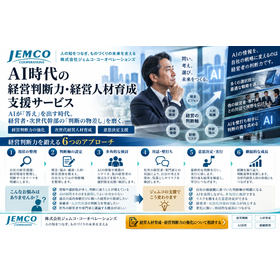
In the agricultural sector, unpredictable factors such as climate change, market trends, and pest outbreaks affect yield and quality. In particular, improving the accuracy of harvest forecasts is essential for planned shipping, inventory management, and stabilizing revenue. Decisions based on uncertain information can lead to missed opportunities and management risks. Our service enhances the decision-making capabilities required in the AI era, supporting business owners, successors, and next-generation executives in developing their own "measures of judgment." 【Utilization Scenarios】 - Improving the accuracy of harvest forecasts considering climate change and market trends - More objective decision-making through data analysis utilizing AI - Comparing multiple strategic proposals to make optimal management decisions - Gaining multifaceted perspectives through dialogue with external experts 【Effects of Implementation】 - Achieving planned management through improved accuracy of harvest forecasts - Reducing risks based on objective data utilizing AI - Establishing a consistent judgment framework based on the company's philosophy and strengths - Cultivating flexible decision-making capabilities that can adapt to changes
Added to bookmarks
Bookmarks listBookmark has been removed
Bookmarks listYou can't add any more bookmarks
By registering as a member, you can increase the number of bookmarks you can save and organize them with labels.
Free membership registration
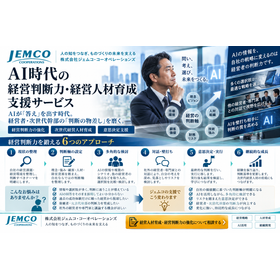
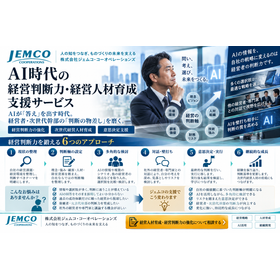
In the entertainment industry, rapid technological innovation and diversifying audience needs require swift and accurate decision-making. Particularly in content planning, production, and distribution strategies, capturing market trends and competitor movements, while leveraging one's own strengths to make informed decisions, is essential for business success. As the use of generative AI advances, the importance of the ultimate management decision of "what to choose" is increasing. Our service supports executives and next-generation leaders in the entertainment industry in cultivating a "decision-making framework" that allows them to respond to changes while considering their company's philosophy and strengths. 【Usage Scenarios】 - Strategic planning for new content development - Market trend analysis and identification of business opportunities - Formulation of differentiation strategies based on competitive analysis - Risk assessment and decision-making utilizing AI - Strengthening decision-making skills in successor development 【Benefits of Implementation】 - Enhanced resilience in management decision-making - Clarification of unique decision-making criteria - Strengthened strategic execution capabilities - Promotion of next-generation leader development - Contribution to sustainable business growth
Added to bookmarks
Bookmarks listBookmark has been removed
Bookmarks listYou can't add any more bookmarks
By registering as a member, you can increase the number of bookmarks you can save and organize them with labels.
Free membership registration
In the education industry, there is a demand for human resource development that can adapt to a rapidly changing era. Particularly in today's world where AI provides information, having a "yardstick for judgment" that takes into account a company's philosophy and strengths—what to choose and what to prioritize—is essential for the sustainable growth of educational institutions. Relying solely on uncertain information or superficial knowledge makes it difficult to make fundamental decisions. Our service aims to enhance the management decision-making skills required in the AI era and supports educational institution leaders and next-generation leaders in refining their own "yardstick for judgment." 【Usage Scenarios】 - Formulating management strategies for educational institutions - Developing programs for next-generation leaders - Supporting decision-making in individualized learning - Ensuring consistency between educational philosophy and practice 【Benefits of Implementation】 - Improvement of decision-making skills that can adapt to the AI era - Clarification of decision-making criteria suited to the organization - Strengthening proactive responses to management challenges - Contributing to the sustainable growth of educational institutions
Added to bookmarks
Bookmarks listBookmark has been removed
Bookmarks listYou can't add any more bookmarks
By registering as a member, you can increase the number of bookmarks you can save and organize them with labels.
Free membership registration
In the real estate industry, accurate price forecasts that take into account market fluctuations and various factors are essential. In particular, comprehensively analyzing complex information such as property characteristics, regional economies, and future development plans, and making appropriate judgments is crucial for business success. Relying solely on uncertain information or past experiences for predictions can lead to missed opportunities and increased risks. Our service enhances the decision-making capabilities required in the AI era, supporting business owners and next-generation executives in developing their own "measures of judgment." 【Usage Scenarios】 - Analysis of real estate market trends - Calculation of appropriate property prices - Risk assessment in investment decisions - Business plan formulation - Competitive analysis 【Benefits of Implementation】 - More accurate price forecasts - Objective judgments based on data - Optimal allocation of management resources - Maximization of business opportunities - Risk reduction
Added to bookmarks
Bookmarks listBookmark has been removed
Bookmarks listYou can't add any more bookmarks
By registering as a member, you can increase the number of bookmarks you can save and organize them with labels.
Free membership registration
In the IT and telecommunications industry, accurate management decisions are required to respond to rapidly changing markets and to create innovative services. In particular, while generative AI has made information gathering easier, the importance of determining what to choose and what strategies to implement has increased. This service supports executives and next-generation leaders in clarifying their decision-making criteria, such as "what to prioritize" and "what to value," based on their company's philosophy, strengths, customers, talent, and management resources, enabling them to pose questions, think, make decisions, and execute effectively. 【Usage Scenarios】 - Development of new services in response to market changes - Strategic planning to establish competitive advantages - Optimization of resource allocation - Decision-making that considers risks 【Benefits of Implementation】 - Rapid and accurate service development decisions - Competitive service planning - Effective utilization of management resources - Reduction of business risks
Added to bookmarks
Bookmarks listBookmark has been removed
Bookmarks listYou can't add any more bookmarks
By registering as a member, you can increase the number of bookmarks you can save and organize them with labels.
Free membership registration
In the energy industry, accurate demand forecasting and prompt, precise management decisions based on that forecasting are essential to respond to market fluctuations and technological innovations. Particularly as the adoption of renewable energy and the liberalization of the electricity market progress, the importance of strategic planning with a future perspective is increasing. With generative AI, it has become possible to collect and analyze vast amounts of market data, competitive information, and new business ideas in a short time, but ultimately, the decision of "which strategy to choose" by management determines the success or failure of the business. Our service supports executives and next-generation leaders in clarifying their decision-making criteria, such as "what to prioritize and what to focus on," while considering their company's philosophy, strengths, and management resources, taking into account the unique challenges and future trends of the energy industry. Through engagement with actual management challenges, dialogue with experts, and multifaceted discussions utilizing AI, we support the development of management personnel who can independently pose questions, think, make decisions, and execute. 【Usage Scenarios】 - Strategic planning to respond to fluctuations in the energy market - Formulating business plans in line with the expansion of renewable energy adoption - Decision-making in new business development - Balancing risk management and opportunity creation - Developing next-generation executives and succession planning
Added to bookmarks
Bookmarks listBookmark has been removed
Bookmarks listYou can't add any more bookmarks
By registering as a member, you can increase the number of bookmarks you can save and organize them with labels.
Free membership registration
In the transportation industry, there is a demand for addressing increasingly complex management challenges such as optimizing logistics networks, reducing costs, and shortening lead times. Particularly, as information gathering and analysis through AI progresses, the ability to make management decisions based on the collected information and select the optimal strategy for one's company is becoming increasingly important. Gemco supports the development of management personnel who can independently pose questions, think, make judgments, and execute actions through organizing decision-making criteria based on your company's philosophy, strengths, and management resources, as well as through multifaceted discussions utilizing AI and dialogues with experts. 【Utilization Scenarios】 - Optimization of logistics networks - Formulation of cost reduction strategies - Decision-making aimed at shortening lead times - Judgment in new business development - Strategy formulation based on competitive analysis 【Effects of Implementation】 - Objective decision-making based on data - Improved accuracy of management decisions - Promotion of next-generation executive development - Strengthening organizational capability to respond to changes - Building a sustainable growth foundation
Added to bookmarks
Bookmarks listBookmark has been removed
Bookmarks listYou can't add any more bookmarks
By registering as a member, you can increase the number of bookmarks you can save and organize them with labels.
Free membership registration
In the transportation industry, there is a demand for addressing increasingly complex management challenges such as optimizing logistics networks, reducing costs, and shortening lead times. Particularly as information gathering and analysis through AI progresses, the ability to make management decisions based on the collected information and to choose and implement the optimal strategy for one's company is becoming increasingly important. Gemco supports the development of management personnel who can independently pose questions, think, make judgments, and execute actions by organizing decision-making criteria based on your company's philosophy, strengths, and management resources, and through multifaceted discussions utilizing AI and dialogue with experts. 【Usage Scenarios】 - Optimization of logistics networks - Formulation of cost reduction strategies - Decision-making aimed at shortening lead times - Judgments in new business development - Strategy formulation based on competitive analysis 【Benefits of Implementation】 - Objective decision-making based on data - Improved accuracy of management decisions - Promotion of the development of next-generation executives - Strengthening organizational capability to respond to changes - Building a sustainable growth foundation
Added to bookmarks
Bookmarks listBookmark has been removed
Bookmarks listYou can't add any more bookmarks
By registering as a member, you can increase the number of bookmarks you can save and organize them with labels.
Free membership registration
In the transportation industry, there is a demand to address increasingly complex management challenges such as optimizing logistics networks, reducing costs, and shortening lead times. Particularly as information gathering and analysis through AI progresses, the ability to select and implement the optimal strategy based on the collected information is becoming increasingly important. Gemco supports the development of management personnel who can independently pose questions, think, make judgments, and execute actions by organizing decision-making criteria based on your company's philosophy, strengths, and management resources, and through multifaceted discussions utilizing AI and dialogue with experts. 【Utilization Scenarios】 - Optimization of logistics networks - Formulation of cost reduction strategies - Decision-making aimed at shortening lead times - Judgments in new business development - Strategy formulation based on competitive analysis 【Effects of Implementation】 - Objective decision-making based on data - Improved accuracy of management judgments - Promotion of next-generation executive development - Strengthening organizational capability to respond to changes - Building a sustainable growth foundation
Added to bookmarks
Bookmarks listBookmark has been removed
Bookmarks listYou can't add any more bookmarks
By registering as a member, you can increase the number of bookmarks you can save and organize them with labels.
Free membership registration
In the healthcare industry, rapid and accurate management decisions are required to respond to increasingly advanced and complex medical technologies and patient needs. Particularly as AI-driven diagnostic support progresses, the importance of decisions regarding how to leverage those results in management strategies and how to optimally allocate limited resources is growing. Insufficient decision-making can lead to a decline in the quality of healthcare and inefficiencies in management. Our service supports the development of management personnel who can organize decision-making criteria such as "what is important" and "what to prioritize," based on the philosophy, strengths, and management resources of healthcare institutions, enabling them to pose questions, think, make decisions, and take action. 【Usage Scenarios】 - Decision-making when integrating AI diagnostic support results into management strategies - Decision-making regarding the optimal allocation of medical resources - Consideration of the introduction of new medical services - Planning responses to changing healthcare systems 【Effects of Implementation】 - Improvement of management decision-making skills suited to the AI era - Clarification of decision-making criteria for managers and next-generation executives - Support for the sustainable growth of healthcare institutions - Establishment of a higher quality healthcare delivery system
Added to bookmarks
Bookmarks listBookmark has been removed
Bookmarks listYou can't add any more bookmarks
By registering as a member, you can increase the number of bookmarks you can save and organize them with labels.
Free membership registration
In the financial industry, there is a demand for accurate responses to a wide range of risks, including increasingly complex market environments, regulations, and cybersecurity risks. Particularly now, with the advent of generative AI allowing access to vast amounts of information in a short time, the importance of decision-making capabilities among management regarding "how to judge and act as a company based on this information" has increased. In risk management, it is essential to have flexible judgment criteria that can adapt to changes, free from past experiences and existing assumptions. Our service supports financial institution executives and next-generation leaders in organizing their judgment criteria based on their company's philosophy, strengths, and management resources, such as "what to value," "what to prioritize," "how much risk to take," and "what not to do," enabling them to pose questions, think, make judgments, and execute actions. 【Usage Scenarios】 - Responding to market volatility risks - Risk assessment in the development of new financial products - Balancing compliance and risk management - Strategic decision-making regarding cybersecurity risks - Risk analysis in M&A and business restructuring
Added to bookmarks
Bookmarks listBookmark has been removed
Bookmarks listYou can't add any more bookmarks
By registering as a member, you can increase the number of bookmarks you can save and organize them with labels.
Free membership registration
In the retail industry, it is essential to accurately capture market fluctuations and consumer needs, and to develop appropriate inventory management and sales strategies. In particular, improving the accuracy of demand forecasting is crucial for reducing opportunity loss and preventing excess inventory. Decisions based on uncertain information can lead to lost sales opportunities and increased costs. Our service enhances the decision-making capabilities required in the AI era, supporting business owners and next-generation executives in developing their own "measures of judgment." 【Usage Scenarios】 - Improving the accuracy of demand forecasting based on market trends and competitor movements - Developing strategies by combining past sales data with the latest information - Conducting multifaceted scenario analysis using AI - Formulating flexible inventory management and sales plans that can adapt to changes 【Benefits of Implementation】 - Reducing opportunity loss through improved demand forecasting accuracy - Reducing costs through optimized inventory management - Enabling quick and accurate decision-making based on data - Building a resilient management structure that can withstand changes
Added to bookmarks
Bookmarks listBookmark has been removed
Bookmarks listYou can't add any more bookmarks
By registering as a member, you can increase the number of bookmarks you can save and organize them with labels.
Free membership registration
In the manufacturing industry, there is a demand for improved production efficiency and responsiveness to changes. Particularly, with the evolution of AI technology, it has become possible to obtain information about the market, competitors, new business ideas, and multiple strategic proposals in a short time. However, on the other hand, the importance of management decisions regarding "what to choose and execute as a company" is increasing. It is essential to have a "measuring stick for judgment" to make accurate decisions in optimizing production sites and future business development. Our service supports the cultivation of unwavering management judgment in the AI era, enabling business owners and next-generation executives to build their unique "measuring stick for judgment" based on their company's philosophy and strengths. 【Usage Scenarios】 - Strategic planning for production line efficiency - Decision-making during the introduction of new technologies - Rapid response to market changes - Formulating differentiation strategies from competitors - Strengthening judgment skills in successor development 【Effects of Implementation】 - Improved information gathering and analysis capabilities using AI - Optimal strategy selection tailored to the company's situation - Enhanced accuracy of decision-making considering risks - Building a management system resilient to changes - Promotion of next-generation executive development
Added to bookmarks
Bookmarks listBookmark has been removed
Bookmarks listYou can't add any more bookmarks
By registering as a member, you can increase the number of bookmarks you can save and organize them with labels.
Free membership registration
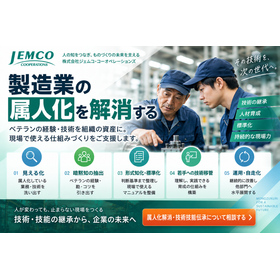
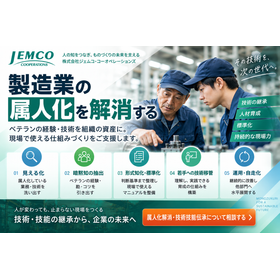
In the automotive parts industry, the evaluation of material properties often faces the challenge of reliance on the experience and know-how of individual personnel, leading to a situation known as "personalization." This is particularly evident in complex evaluation procedures and the utilization of past evaluation results, where situations may arise that only specific individuals can understand or make judgments on, potentially causing delays or errors in the evaluation process. Furthermore, if the sharing and handover of evaluation information are not conducted smoothly, it becomes difficult to transfer technology to younger personnel, which may impact the overall evaluation capabilities of the organization. Our service aims to resolve these issues of personalization, promote the sharing of knowledge and techniques in evaluation management, and support the strengthening of the organization’s overall evaluation capabilities. 【Utilization Scenarios】 - Formalizing the material property evaluation know-how held by veteran personnel - Efficient transfer of evaluation techniques to younger personnel - Improving evaluation quality and reducing errors through standardization - Strengthening project momentum by facilitating the sharing of evaluation information - Establishing a system that can respond even in the absence of evaluation personnel 【Effects of Implementation】 - Standardization and efficiency of the evaluation process - Early empowerment of younger personnel - Stabilization and improvement of evaluation quality - Elevation of the overall evaluation capabilities of the organization - Smooth technology transfer and resolution of personalization issues
Added to bookmarks
Bookmarks listBookmark has been removed
Bookmarks listYou can't add any more bookmarks
By registering as a member, you can increase the number of bookmarks you can save and organize them with labels.
Free membership registration
In the manufacturing process of the home appliance industry, the reliance on the experience and know-how of individuals can become a challenge. Particularly in the utilization of complex manufacturing procedures and past production performance, situations may arise where only specific individuals can understand or make judgments, which can lead to delays and errors in the production process. Additionally, if the sharing and handover of production information are not conducted smoothly, it becomes difficult to transfer technology to younger staff, potentially impacting the maintenance and improvement of the overall production capacity of the organization. Our service aims to resolve these issues of individual reliance, promote the sharing of knowledge and skills in production management, and support the enhancement of overall organizational productivity. 【Usage Scenarios】 - Formalizing the manufacturing know-how of veteran staff - Efficiently transferring manufacturing technology to younger staff - Improving production quality and reducing errors through standardization - Strengthening project momentum by facilitating the sharing of production information - Establishing a system that can respond even in the absence of production staff 【Benefits of Implementation】 - Standardization and efficiency of the production process - Early empowerment of younger staff - Stabilization and improvement of production quality - Overall enhancement of the organization's production capacity - Smooth technology transfer and resolution of individual reliance
Added to bookmarks
Bookmarks listBookmark has been removed
Bookmarks listYou can't add any more bookmarks
By registering as a member, you can increase the number of bookmarks you can save and organize them with labels.
Free membership registration
In the packaging materials industry, the reliance on the experience and know-how of individuals can lead to challenges in maintaining product quality and managing costs. Particularly in areas such as material selection, setting processing conditions, and establishing quality inspection standards, situations can arise where only specific individuals understand or can make judgments, which may cause delays and errors in the evaluation process. Additionally, if the sharing and handover of evaluation information are not conducted smoothly, it can become difficult to transfer technology to younger staff, potentially impacting the overall evaluation capabilities of the organization. Our service aims to resolve these issues of individual reliance, promote the sharing of knowledge and skills in evaluation management, and support the strengthening of the organization’s overall evaluation capabilities. 【Usage Scenarios】 - Formalizing the material property evaluation know-how held by veteran staff - Efficiently transferring evaluation techniques to younger staff - Improving evaluation quality and reducing errors through standardization - Strengthening project momentum by facilitating the sharing of evaluation information - Establishing a system that can respond even in the absence of evaluation personnel 【Benefits of Implementation】 - Standardization and efficiency of the evaluation process - Early empowerment of younger staff - Stabilization and improvement of evaluation quality - Enhancement of the overall evaluation capabilities of the organization - Smooth technology transfer and resolution of individual reliance
Added to bookmarks
Bookmarks listBookmark has been removed
Bookmarks listYou can't add any more bookmarks
By registering as a member, you can increase the number of bookmarks you can save and organize them with labels.
Free membership registration
In the construction materials industry, the reliance on the experience and know-how of individuals responsible for product quality and manufacturing processes can lead to issues of personalization. Particularly in the utilization of complex manufacturing procedures and past quality management insights, situations often arise where only specific individuals can understand or make judgments, which can cause delays in the manufacturing process and variations in quality. Additionally, if the sharing and handover of manufacturing information are not conducted smoothly, it becomes difficult to transfer technology to younger staff, potentially impacting the overall manufacturing capacity of the organization. Our service aims to address these issues of personalization, promote the sharing of knowledge and technology in manufacturing management, and support the strengthening of the organization’s overall manufacturing capabilities. 【Utilization Scenarios】 - Formalizing the manufacturing know-how of veteran staff - Efficient transfer of manufacturing technology to younger staff - Improvement of quality and reduction of errors through manufacturing standardization - Strengthening project momentum by facilitating the sharing of manufacturing information - Establishing a system that can respond even in the absence of manufacturing personnel 【Effects of Implementation】 - Standardization and efficiency of manufacturing processes - Early empowerment of younger staff - Stabilization and improvement of manufacturing quality - Elevation of the overall manufacturing capacity of the organization - Smooth technology transfer and resolution of personalization issues
Added to bookmarks
Bookmarks listBookmark has been removed
Bookmarks listYou can't add any more bookmarks
By registering as a member, you can increase the number of bookmarks you can save and organize them with labels.
Free membership registration
In the evaluation of physical properties in the industrial rubber products industry, the reliance on the experience and know-how of individuals can become a challenge. Particularly in complex evaluation procedures and the utilization of past evaluation results, situations may arise where only specific individuals can understand or make judgments, which can lead to delays and errors in the evaluation process. Additionally, if the sharing and handover of evaluation information are not smooth, it can become difficult to transfer technology to younger staff, potentially impacting the overall evaluation capability of the organization. Our service aims to resolve these issues of individual reliance, promote the sharing of knowledge and techniques in evaluation management, and support the strengthening of evaluation capabilities across the organization. This, in turn, aims to improve evaluation quality, leading to a reduction in defect rates. 【Utilization Scenarios】 - Formalizing the physical property evaluation know-how of veteran staff - Efficient transfer of evaluation techniques to younger staff - Improving evaluation quality and reducing errors through standardization - Strengthening project momentum by facilitating the sharing of evaluation information - Building a system that can respond even in the absence of evaluation personnel
Added to bookmarks
Bookmarks listBookmark has been removed
Bookmarks listYou can't add any more bookmarks
By registering as a member, you can increase the number of bookmarks you can save and organize them with labels.
Free membership registration
In the sports equipment industry, product development and quality management can face challenges due to reliance on the experience and know-how of specific individuals, leading to a situation known as "personalization." This is particularly evident in the evaluation of complex material properties and the utilization of past design and evaluation achievements, where only certain individuals may understand or make judgments, potentially causing delays in the development process and reducing design reproducibility. Additionally, if the sharing and handover of evaluation information are not conducted smoothly, it can hinder the transfer of technology to younger staff members, impacting the overall evaluation capabilities of the organization. Our service aims to resolve these issues of personalization, promote the sharing of knowledge and skills in evaluation management, and support the enhancement of the organization's overall evaluation strength. 【Utilization Scenarios】 - Formalizing the material property evaluation know-how held by veteran staff - Efficient transfer of evaluation techniques to younger staff - Improving evaluation quality and reducing errors through standardization - Strengthening project momentum by facilitating the sharing of evaluation information - Establishing a system that can respond even in the absence of evaluation personnel 【Effects of Implementation】 - Standardization and efficiency of the evaluation process - Early empowerment of younger staff - Stabilization and improvement of evaluation quality - Elevation of the overall evaluation capabilities of the organization - Smooth technology transfer and resolution of personalization issues
Added to bookmarks
Bookmarks listBookmark has been removed
Bookmarks listYou can't add any more bookmarks
By registering as a member, you can increase the number of bookmarks you can save and organize them with labels.
Free membership registration
In the maintenance of semiconductor manufacturing equipment, the reliance on the experience and know-how of specific individuals can become a challenge. Particularly in complex maintenance procedures and the utilization of past troubleshooting, situations may arise where only certain individuals can understand or make judgments, which can lead to delays and errors in the maintenance process. Additionally, if the sharing and handover of maintenance information are not conducted smoothly, it can become difficult to transfer technology to younger staff, potentially impacting the overall maintenance capability of the organization. Our service aims to address these issues of reliance on specific individuals, promote the sharing of knowledge and skills in maintenance management, and support the strengthening of the organization's overall maintenance capabilities. 【Usage Scenarios】 - Formalizing the maintenance know-how of veteran personnel - Efficiently transferring maintenance technology to younger staff - Improving quality and reducing errors through maintenance standardization - Strengthening project momentum by facilitating the sharing of maintenance information - Establishing a system that can respond even in the absence of maintenance personnel
Added to bookmarks
Bookmarks listBookmark has been removed
Bookmarks listYou can't add any more bookmarks
By registering as a member, you can increase the number of bookmarks you can save and organize them with labels.
Free membership registration
In the manufacturing process of agricultural materials, the dependence on the experience and know-how of individuals can become a challenge. Particularly in the utilization of complex manufacturing procedures and past production achievements, situations may arise where only specific individuals can understand or make judgments, which can lead to delays or mistakes in the manufacturing process. Additionally, if the sharing and handover of manufacturing information are not conducted smoothly, it can become difficult to transfer technology to younger staff, potentially affecting the overall manufacturing capacity of the organization. Our service aims to resolve these issues of individual dependence, promote the sharing of knowledge and skills in manufacturing management, and support the strengthening of the organization's overall manufacturing capabilities. 【Utilization Scenarios】 - Formalizing the manufacturing know-how of veteran staff - Efficient transfer of manufacturing technology to younger staff - Improvement of manufacturing quality and reduction of errors through standardization - Strengthening project momentum by facilitating the sharing of manufacturing information - Establishing a system that can respond even in the absence of manufacturing personnel 【Effects of Implementation】 - Standardization and efficiency of the manufacturing process - Early empowerment of younger staff - Stabilization and improvement of manufacturing quality - Overall enhancement of the organization's manufacturing capacity - Smooth technology transfer and resolution of individual dependence
Added to bookmarks
Bookmarks listBookmark has been removed
Bookmarks listYou can't add any more bookmarks
By registering as a member, you can increase the number of bookmarks you can save and organize them with labels.
Free membership registration
In the toy industry, accuracy and consistency in the evaluation of material properties are required to comply with product safety standards. Particularly, in complex evaluation procedures and the utilization of past evaluation results, the reliance on the experience and know-how of personnel can lead to issues of individualization. Situations where only specific individuals can understand or make judgments can cause delays and errors in the evaluation process, potentially affecting compliance with safety standards. If the sharing and handover of evaluation information are not smooth, it can become difficult to transfer technology to younger staff, which may impact the maintenance and improvement of the organization's overall evaluation capabilities. Our service aims to resolve these issues of individualization, promote the sharing of knowledge and technology in evaluation management, and support the enhancement of the organization's evaluation strength. 【Usage Scenarios】 - Formalizing the material property evaluation know-how of veteran personnel - Efficient transfer of evaluation techniques to younger staff - Improving evaluation quality and reducing errors through standardization - Strengthening project momentum by facilitating the sharing of evaluation information - Establishing a system that can respond even in the absence of evaluation personnel
Added to bookmarks
Bookmarks listBookmark has been removed
Bookmarks listYou can't add any more bookmarks
By registering as a member, you can increase the number of bookmarks you can save and organize them with labels.
Free membership registration
In the construction sealing material industry, the management of formulation recipes can sometimes become overly reliant on the experience and know-how of specific individuals, leading to a challenge known as "person dependency." This is particularly evident in complex formulation procedures and the utilization of past evaluation results, where situations may arise that only certain individuals can understand or make judgments about, potentially causing delays and errors in the evaluation process. Additionally, if the sharing and handover of formulation information are not conducted smoothly, it can become difficult to transfer technology to younger staff, which may impact the overall evaluation capabilities of the organization. Our service aims to address these issues of person dependency, promote the sharing of knowledge and skills in formulation management, and support the enhancement of the organization's overall evaluation capabilities. 【Usage Scenarios】 - Formalizing the formulation know-how possessed by veteran staff - Efficiently transferring formulation techniques to younger staff - Improving quality and reducing errors through formulation standardization - Strengthening project momentum by facilitating the sharing of formulation information - Establishing a system that can respond even in the absence of formulation personnel 【Benefits of Implementation】 - Standardization and efficiency of the formulation process - Rapid development of younger staff into effective contributors - Stabilization and enhancement of formulation quality - Elevation of the overall formulation capabilities of the organization - Smooth technology transfer and resolution of person dependency
Added to bookmarks
Bookmarks listBookmark has been removed
Bookmarks listYou can't add any more bookmarks
By registering as a member, you can increase the number of bookmarks you can save and organize them with labels.
Free membership registration
In the automotive industry, the stability of quality can be challenged by the reliance on the experience and know-how of individuals responsible for calibration management of measuring instruments, leading to a situation known as "person dependency." This is particularly evident in complex calibration procedures and the utilization of past calibration records, where situations may arise that only specific individuals can understand or make judgments on, potentially causing delays and errors in the calibration process. Furthermore, if the sharing and handover of calibration information are not conducted smoothly, it becomes difficult to transfer technology to younger staff, which may impact the maintenance and improvement of the organization's overall calibration capabilities. Our service aims to resolve these issues of person dependency, promote the sharing of knowledge and skills in calibration management, and support the strengthening of calibration capabilities across the organization. 【Usage Scenarios】 - Formalizing the calibration know-how held by veteran staff - Efficiently transferring calibration techniques to younger staff - Improving calibration quality and reducing errors through standardization - Strengthening project momentum by facilitating the sharing of calibration information - Establishing a system that can respond even in the absence of calibration personnel 【Benefits of Implementation】 - Standardization and efficiency of the calibration process - Early empowerment of younger staff - Stabilization and enhancement of calibration quality - Overall improvement of the organization's calibration capabilities - Smooth technology transfer and resolution of person dependency
Added to bookmarks
Bookmarks listBookmark has been removed
Bookmarks listYou can't add any more bookmarks
By registering as a member, you can increase the number of bookmarks you can save and organize them with labels.
Free membership registration
In the semiconductor manufacturing process, the reliance on the experience and know-how of individuals can become a challenge when aiming to improve yield. Particularly in complex inspection procedures and the analysis of past defect data, situations may arise where only specific individuals can understand or make judgments, which can lead to decreased yield and variations in quality. Additionally, if the sharing and handover of inspection information are not smooth, it can become difficult to transfer technology to younger staff, potentially impacting the organization's overall ability to maintain and improve yield. Our service aims to address these issues of individual reliance, promote the sharing of knowledge and techniques in inspection and yield improvement, and support the strengthening of the organization's overall yield improvement capabilities. 【Usage Scenarios】 - Formalizing the yield improvement know-how held by veteran staff - Efficiently transferring inspection and yield improvement techniques to younger staff - Enhancing yield quality and reducing defects through inspection standardization - Strengthening the driving force of yield improvement projects by facilitating inspection information sharing - Establishing a system that can respond even in the absence of inspection personnel
Added to bookmarks
Bookmarks listBookmark has been removed
Bookmarks listYou can't add any more bookmarks
By registering as a member, you can increase the number of bookmarks you can save and organize them with labels.
Free membership registration