
List of Physics and chemistry equipment products
- classification:Physics and chemistry equipment
901~945 item / All 15669 items


Reduce the workload from handling heavy objects! Here are five case studies that solved customer challenges! We are also accepting free consultations and tests tailored to your work!

- Other conveying machines


Ideal for micro-machining! Achieves deburring of holes and double-sided machining in one pass, which was difficult with conventional tools!

- Other machine tools

We will be exhibiting at Mecatronics Tech Japan 2021 from October 20 (Wednesday) to October 23 (Saturday)!
Our company will exhibit at "Mechatrotech Japan 2021," which will be held at Portmesse Nagoya from Wednesday, October 20 to Saturday, October 23, 2021. We will introduce our tools, including the 'Bar Off Tool' capable of chamfering and deburring from a diameter of 0.8 mm, and the 'FEM' tool breakage detection device that reliably detects breakage. We look forward to your visit. (Booth number: 2B12)
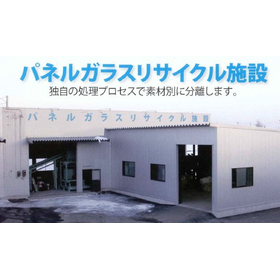

Automatic separation of glass and polarizing films! Recycling of home appliance panels.
- Separation device
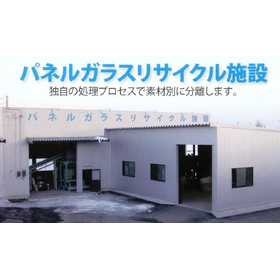
Contributing to building material conversion! Automatic separation of glass and polarizing films for recycling.
- Separation device
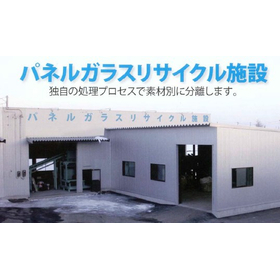
Automated sorting and recycling of glass and polarizers to support the reuse of automotive parts.
- Separation device
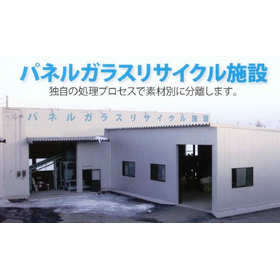
Automatically separates glass and polarizing plates, achieving material recovery.
- Separation device
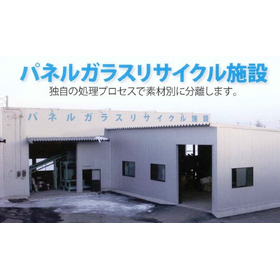
Automatically separate solar panel glass by material and recycle it.
- Separation device
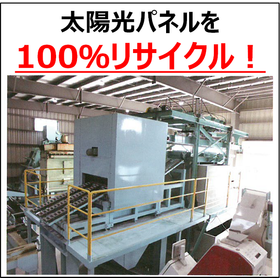
100% recyclable solar panels! Contributing to technology verification.
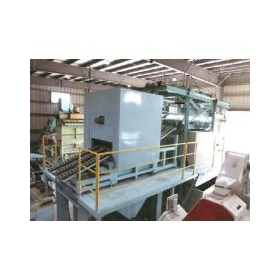
- Separation device
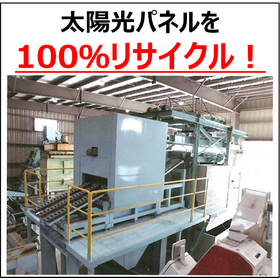
Contribute to the recycling of solar panels by sorting them and turning them into valuable materials.
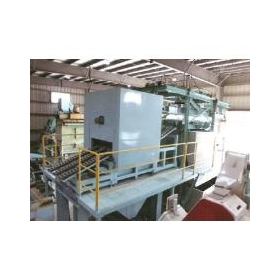
- Separation device
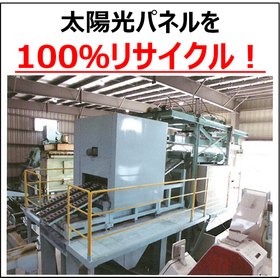
100% recyclable solar panels! Contributing to the development of new materials.
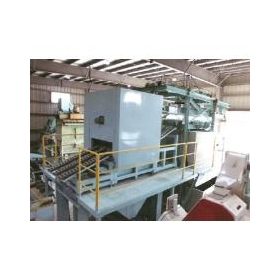
- Separation device
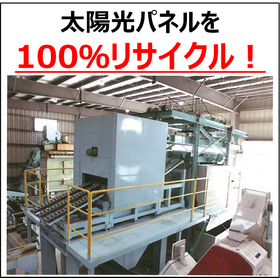
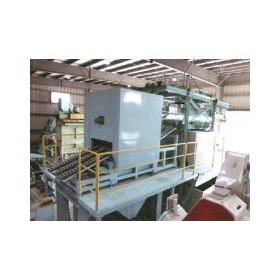
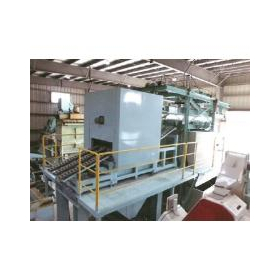
100% recyclable solar panels! Contributing to the effective use of resources.
- Separation device
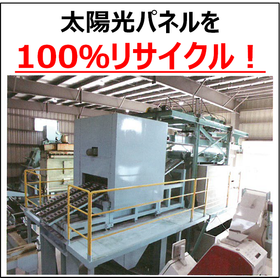
100% recyclable solar panels! Contributing to the effective use of resources.
- Separation device
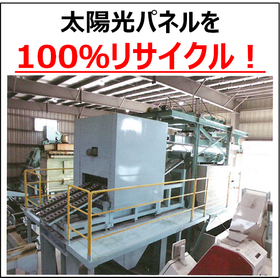
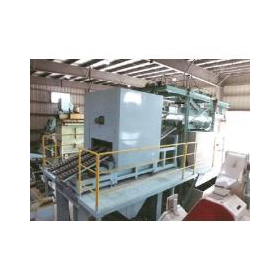
Supporting the realization of a circular society through 100% recycled solar panels.
- Separation device
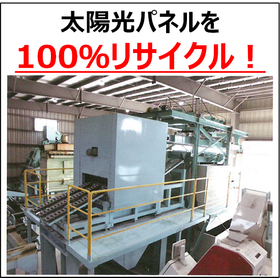
Solar panels at construction sites effectively utilize resources through sorting and processing.
- Separation device
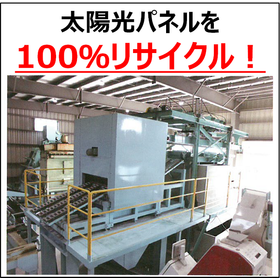
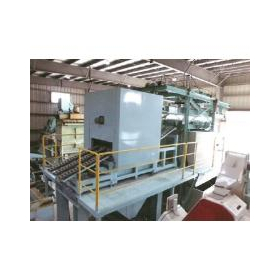
Stable supply of high-quality glass materials derived from solar panels.
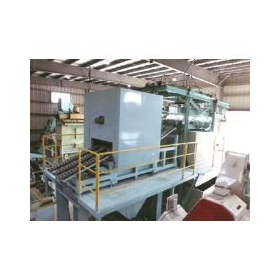
- Separation device
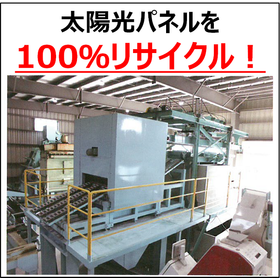
Efficient separation and recovery of aluminum frames and wires from solar panels.
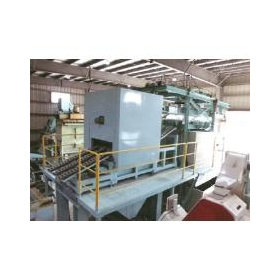
- Separation device
![[For Waste Disposal Companies] Sola...](https://image.mono.ipros.com/public/product/image/2006738/IPROS2624799272811712912.png?w=280&h=280)
100% recyclable solar panels! Contributing to resource recovery.
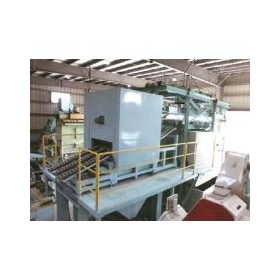
- Separation device
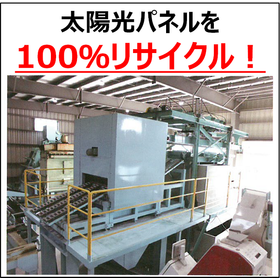
100% recyclable solar panels! Contributing to effective resource utilization during equipment updates.
- Separation device
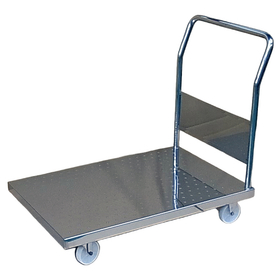

A cart made of SUS304 with an embossed surface that has a non-slip effect on the loading platform.
- Stainless steel container
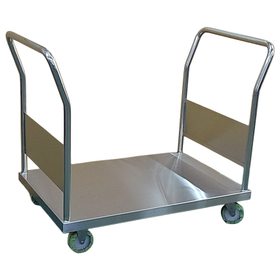
SUS304 double-handle cart with handles on both sides.
- Stainless steel container
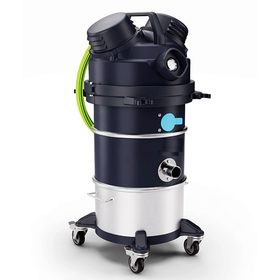
It consists of a compressed air-driven vacuum cleaner designed for the collection of flammable and harmful dust.
- Stainless steel container
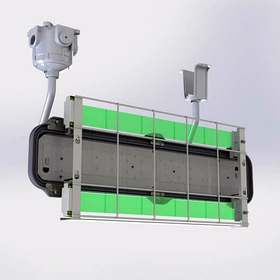
In hazardous locations where explosive atmospheres are generated, such as chemical plants, the use of explosion-proof electrical equipment is legally required to ensure safety.
- Stainless steel container
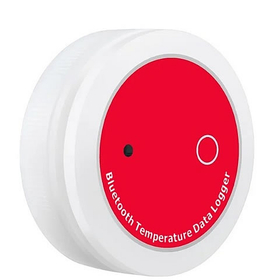
This is a wireless temperature and humidity logger compatible with Bluetooth communication.
- Stainless steel container
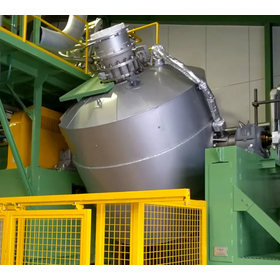

In a situation where securing capacity in a limited space is necessary, consideration for work safety is also required.
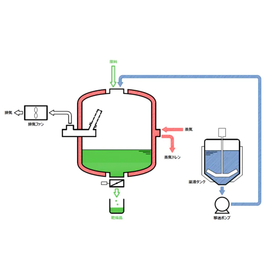
- Drying Equipment
- Heating device
- Mechanical Design
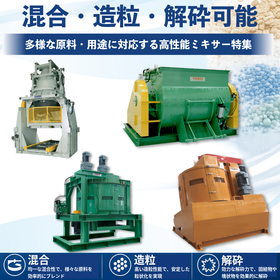

Introducing a product equipped with a mechanism that allows for diverse applications and easy internal cleaning!
- Mixer/agitator
- mixer
- mixer
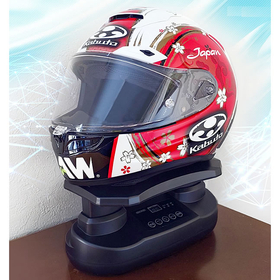
Deodorizing and drying helmet dryer
- Stainless steel container
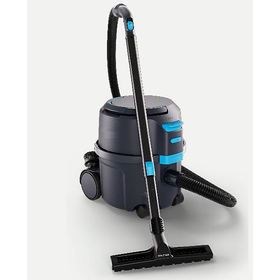
With cutting-edge battery technology, while maintaining high suction performance,
- Stainless steel container
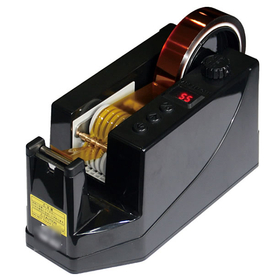
Electric assist tape cutter. Compatible with thin film adhesive tapes up to 24mm wide.
- Stainless steel container
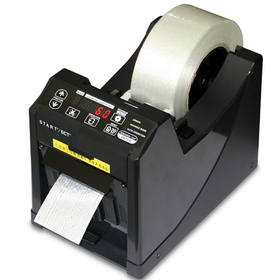
High-end model with enhanced standard features.
- Stainless steel container
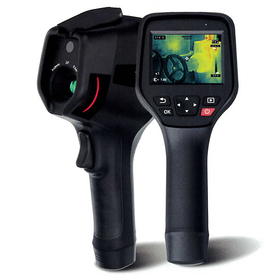
The infrared thermal imaging camera M4504TGL-711CR, equipped with a high-sensitivity, high-spatial-resolution non-cooled VOx detector, is
- Stainless steel container
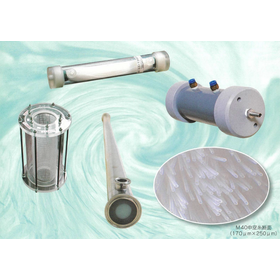

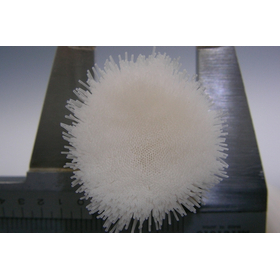
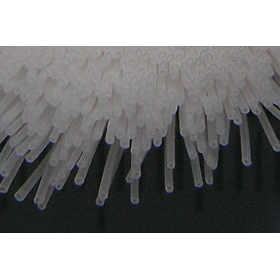
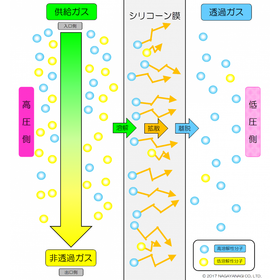
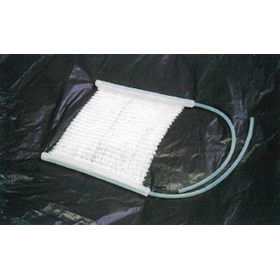
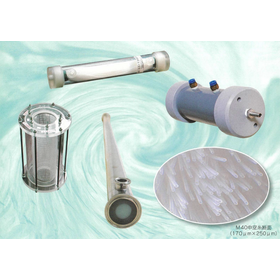
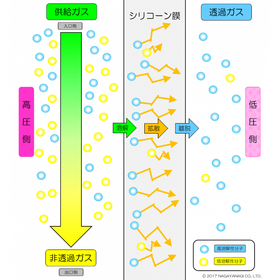
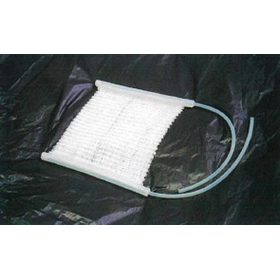
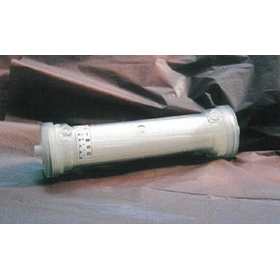
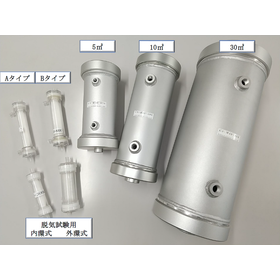
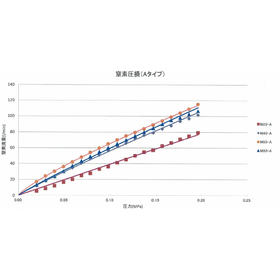
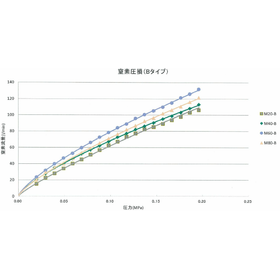
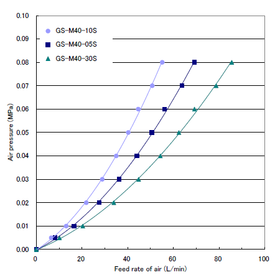
A gas separation membrane with excellent flexibility and bend resistance. It can be designed according to specific applications. Controls dissolved gases for degassing and gas supply applications.
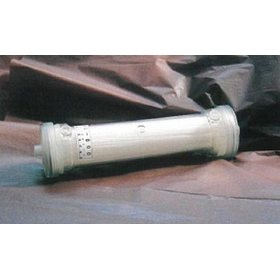
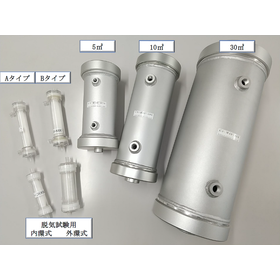
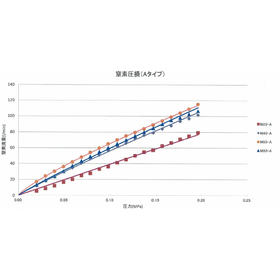
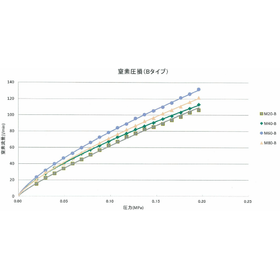
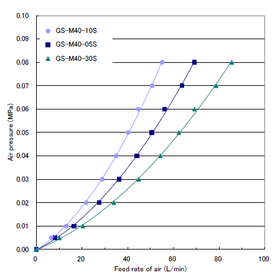
- Other separation and analysis equipment
- Deaeration device
Excellent flexibility and bending resistance, adaptable to various shapes. For methane recovery from biogas.
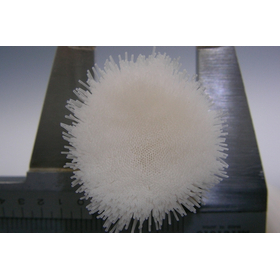
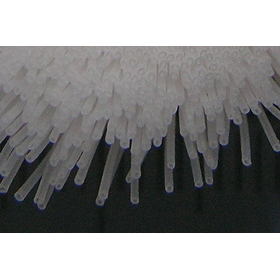
- Other separation and analysis equipment
- Deaeration device
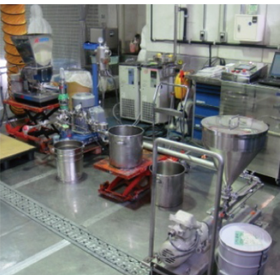

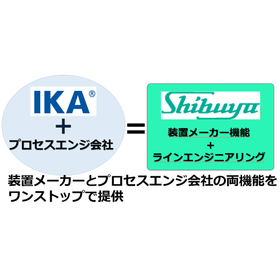
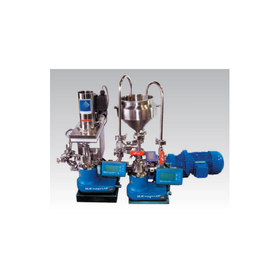
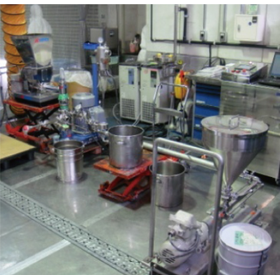
Quality changes with dispersion. Pre-validation of the reproducibility of resin materials through testing.
- Emulsifier/Disperser
- Vacuum degassing machine
- Dispersion/emulsification equipment/homogenizer
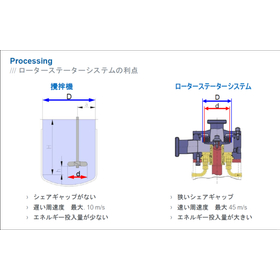
What are the reasons for changes in results from the lab to mass production? Causes and countermeasures for the deterioration of distributed quality during scale-up.
Despite obtaining good dispersion results in the lab, the challenge of unstable quality upon mass production occurs in many settings. The main cause of this is that the dispersion conditions are not replicated due to differences in scale. In lab equipment, the smaller size leads to higher energy density, making shear and flow more uniform, while in mass production equipment, the larger scale often results in insufficient dispersion energy at the same rotational speed and processing time. Additionally, differences in equipment structure and flow patterns can cause variations in the shear history and residence time experienced by particles, leading to differences in the dispersion state. Furthermore, simple scale-up does not ensure that critical parameters such as flow rate, residence time, and shear intensity match, making it difficult to reproduce the same results as in the lab. To address these challenges, it is essential to focus on process design based on dispersion energy density and flow conditions rather than merely increasing equipment size. By designing the system so that particles pass through the processing area under consistent conditions, it is possible to achieve reproducible dispersion quality even when the scale changes, as seen in inline continuous processing.
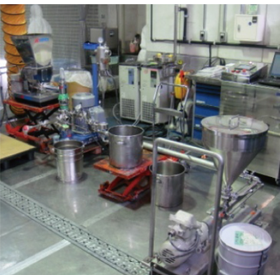
The strength is determined by the variance. Visualize quality variations through testing before mass production.
- Emulsifier/Disperser
- Vacuum degassing machine
- Dispersion/emulsification equipment/homogenizer
What are the reasons for changes in results from the lab to mass production? Causes and countermeasures for the deterioration of distributed quality during scale-up.
Despite obtaining good dispersion results in the lab, the challenge of unstable quality upon mass production occurs in many settings. The main cause of this is that the dispersion conditions are not replicated due to differences in scale. In lab equipment, the smaller size leads to higher energy density, making shear and flow more uniform, while in mass production equipment, the larger scale often results in insufficient dispersion energy at the same rotational speed and processing time. Additionally, differences in equipment structure and flow patterns can cause variations in the shear history and residence time experienced by particles, leading to differences in the dispersion state. Furthermore, simple scale-up does not ensure that critical parameters such as flow rate, residence time, and shear intensity match, making it difficult to reproduce the same results as in the lab. To address these challenges, it is essential to focus on process design based on dispersion energy density and flow conditions rather than merely increasing equipment size. By designing the system so that particles pass through the processing area under consistent conditions, it is possible to achieve reproducible dispersion quality even when the scale changes, as seen in inline continuous processing.
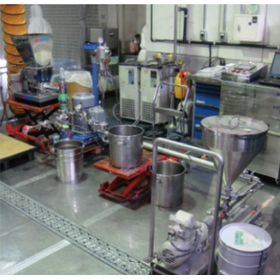
Resolve issues of not dissolving and clumping in advance. Test the dispersibility of the protein.
- Emulsifier/Disperser
- Vacuum degassing machine
- Dispersion/emulsification equipment/homogenizer
What are the reasons for changes in results from the lab to mass production? Causes and countermeasures for the deterioration of distributed quality during scale-up.
Despite obtaining good dispersion results in the lab, the challenge of unstable quality upon mass production occurs in many settings. The main cause of this is that the dispersion conditions are not replicated due to differences in scale. In lab equipment, the smaller size leads to higher energy density, making shear and flow more uniform, while in mass production equipment, the larger scale often results in insufficient dispersion energy at the same rotational speed and processing time. Additionally, differences in equipment structure and flow patterns can cause variations in the shear history and residence time experienced by particles, leading to differences in the dispersion state. Furthermore, simple scale-up does not ensure that critical parameters such as flow rate, residence time, and shear intensity match, making it difficult to reproduce the same results as in the lab. To address these challenges, it is essential to focus on process design based on dispersion energy density and flow conditions rather than merely increasing equipment size. By designing the system so that particles pass through the processing area under consistent conditions, it is possible to achieve reproducible dispersion quality even when the scale changes, as seen in inline continuous processing.

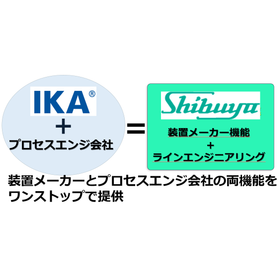
From October 29 (Tuesday) to 31 (Thursday), 2024! We will be exhibiting small ultrasonic dispersion devices and ultrasonic generators!


- Emulsifier/Disperser
- Powder Supply Device
- Dispersion/emulsification equipment/homogenizer
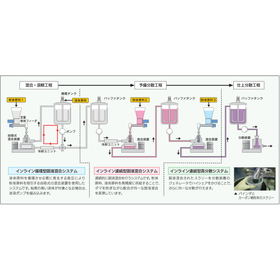
What is decentralized process design? Key points for stabilizing quality.
In dispersion engineering, stable quality cannot be achieved solely based on the performance of the equipment. What is important is the overall design of the process, taking into account material properties and process conditions. This is referred to as dispersion process design. Dispersion quality is determined not only by the strength of shear but also by multiple factors such as flow state, residence time, and method of input. If these conditions are not properly designed, localized agglomeration or variation can occur, making it difficult to maintain stable quality. For example, poor wetting during powder input or the occurrence of stagnant areas due to flow bias can lead to clumping or dispersion issues. Additionally, even if the shear energy is sufficient, if it does not act uniformly on all particles, differences in dispersion state will arise. Therefore, in dispersion processes, it is crucial to design "flow," "shear," and "processing time" as an integrated system. This allows for all particles to receive the same dispersion history, achieving uniform and highly reproducible dispersion quality. In particular, inline continuous processing has the advantage of maintaining consistent conditions within the flow, making it easier to ensure reproducibility in process design. Dispersion process design is a key concept for stabilizing quality and successfully scaling up.
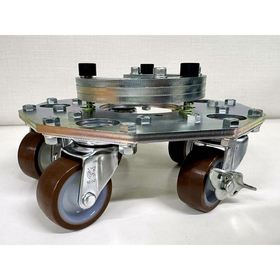
Adjustable Bolt Mounted 5-Wheel Swivel Caster Transport Cart 150kg (58-78mm)
- Stainless steel container
Not just environmentally friendly, but also achieving domestic integrated production and low prices.
- Stainless steel container


About 85% is consumed by the power of the compressor! Replacing the refrigerant often involves sacrifices in comfort and air conditioning effectiveness.
- Mixer/agitator

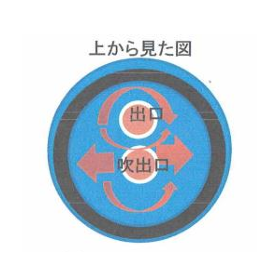
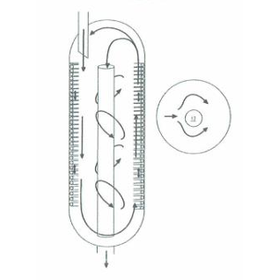
Reduction of electricity and partial improvement of the environment! Improved thermal conductivity through fine particle dispersion.
- Mixer/agitator

Based on the hearing content, we will create an annual reduction simulation!
- Mixer/agitator

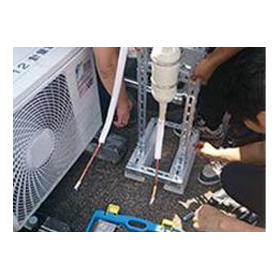
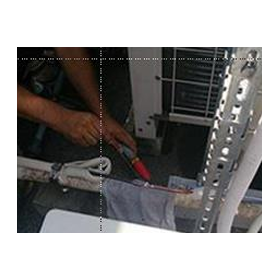
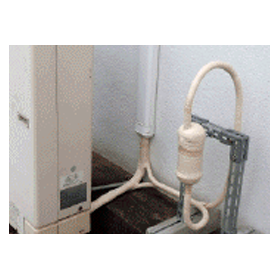
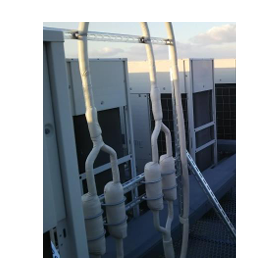
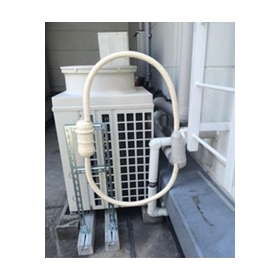
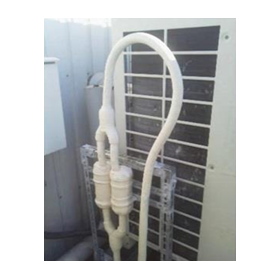
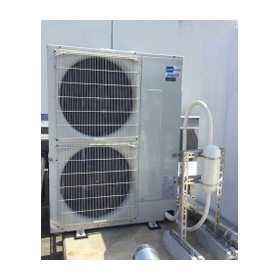
Introducing the process of work from removing the refrigerant to applying the moisture treatment!
- Mixer/agitator
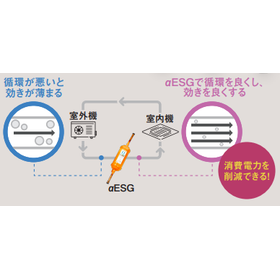
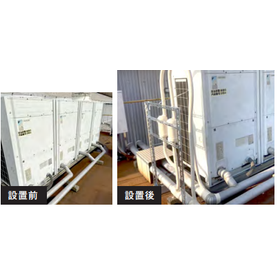
Easy installation possible! It can reduce power consumption by 10-30% and is expected to decrease CO2 emissions as well.
- Other air conditioning equipment
- Refrigerators and freezers