271~315 item / All 581 items
Displayed results
Filter by category

Added to bookmarks
Bookmarks listBookmark has been removed
Bookmarks listYou can't add any more bookmarks
By registering as a member, you can increase the number of bookmarks you can save and organize them with labels.
Free membership registration
Contact this company
Inquiry Form271~315 item / All 581 items
Filter by category

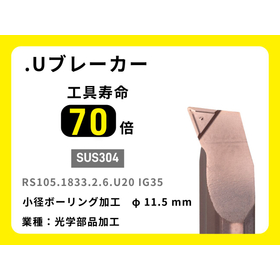
In the machining of robot joint components, high precision and stable processing are required. Particularly in the machining of complex shapes and fine parts, chip management can become a challenge. When chips get clogged or stretched, they can adversely affect the work surface and tools, leading to processing interruptions and a decrease in precision. To address these challenges, our company has developed the "Sintered U-shaped Breaker Super Mini" tool for boring operations. 【Application Scenarios】 - Precision boring of robot joint components - Machining prone to chip wrapping and clogging - Machining of steel and stainless steel 【Benefits of Implementation】 - Reduction of processing interruptions due to chip clogging - Reduction of tool costs through extended tool life - Improvement in machining precision
Added to bookmarks
Bookmarks listBookmark has been removed
Bookmarks listYou can't add any more bookmarks
By registering as a member, you can increase the number of bookmarks you can save and organize them with labels.
Free membership registration
In the manufacturing of industrial machinery, particularly gearboxes, the management of chips during inner diameter processing is a significant challenge. When chips become clogged, processing is interrupted, which can adversely affect the work surface and tools. These issues directly lead to decreased production efficiency and shortened tool life. The "Sintered U-Shaped Breaker Super Mini" tool for boring processing that we offer has been developed to address these concerns. 【Usage Scenarios】 - Inner diameter processing of gearboxes - Processing of steel and stainless steel - Processing prone to chip wrapping and clogging 【Benefits of Implementation】 - Significant reduction in tool costs (approximately 92% based on results) - Prevention of processing interruptions due to chip clogging - Extension of tool life (over 20 times based on results) - Usable with existing tool holders
Added to bookmarks
Bookmarks listBookmark has been removed
Bookmarks listYou can't add any more bookmarks
By registering as a member, you can increase the number of bookmarks you can save and organize them with labels.
Free membership registration
In the energy industry, particularly in the manufacturing of turbine components, high precision and stable processing are required. Issues such as chip clogging that occurs during inner diameter machining, and the negative impact it has on the work surface and tools, directly lead to decreased processing efficiency and variations in product quality. Frequent processing stoppages due to chip removal also affect production planning. To address these challenges, we have developed the "Sintered U-shaped Breaker Super Mini" tool for boring operations. 【Usage Scenarios】 - Inner diameter machining of turbine components - Machining of steel and stainless steel - Processes prone to chip wrapping and clogging 【Benefits of Implementation】 - Significant reduction in tool costs (achievements: approximately 92%) - Prevention of processing stoppages due to chip clogging - Extension of tool life (achievements: over 20 times) - Realization of stable high-precision machining
Added to bookmarks
Bookmarks listBookmark has been removed
Bookmarks listYou can't add any more bookmarks
By registering as a member, you can increase the number of bookmarks you can save and organize them with labels.
Free membership registration
In the machining of spindle components for machine tools, the handling of chips during inner diameter processing is an important issue. If chips become clogged or stretched, they can adversely affect the work surface and tools, potentially leading to processing interruptions and the production of defective products. To address these challenges, we have developed the "HORN" boring tool with a sintered U-shaped breaker. 【Application Scenarios】 - Inner diameter processing of steel and stainless steel - Small diameter processing from a pilot hole diameter of φ4.0mm - Processing where chip wrapping or clogging is a concern 【Benefits of Implementation】 - Reduction in processing stoppages due to chip clogging - Reduction in tool costs due to extended tool life - Mitigation of adverse effects on the work surface
Added to bookmarks
Bookmarks listBookmark has been removed
Bookmarks listYou can't add any more bookmarks
By registering as a member, you can increase the number of bookmarks you can save and organize them with labels.
Free membership registration
In the machining of valve bodies for hydraulic and pneumatic equipment, precise inner diameter processing and the associated chip disposal are crucial. If chips get clogged or extend and negatively affect the work surface or tools, it can lead to machining defects and a decrease in production efficiency. Additionally, interruptions in processing due to chip clogging can cause delays in production planning. To address these challenges, we have launched the "Sintered U-shaped Breaker Super Mini" tool for boring operations. 【Application Scenarios】 - Inner diameter machining of hydraulic and pneumatic equipment valve bodies - Machining of steel and stainless steel - Machining prone to chip wrapping or clogging 【Benefits of Implementation】 - Significant reduction in tool costs (approximately 92% based on results) - Improvement in tool life (over 20 times based on results) - Reduction in processing interruptions due to chip clogging - Achievement of stable, high-precision machining
Added to bookmarks
Bookmarks listBookmark has been removed
Bookmarks listYou can't add any more bookmarks
By registering as a member, you can increase the number of bookmarks you can save and organize them with labels.
Free membership registration
In the precision mold industry, where complex shapes and high dimensional accuracy are required, the management of chips during processing becomes a significant challenge. In internal diameter machining, if chips get clogged or extend to negatively impact the work surface or tools, it can lead to interruptions in processing and a decrease in finishing accuracy. These issues related to chip clogging can result in reduced production efficiency and shortened tool life. Our tool for boring operations, the "Sintered U-shaped Breaker Super Mini," has been developed to address these challenges. 【Application Scenarios】 - Precision mold machining of steel and stainless steel - Small-diameter boring operations starting from φ4.0mm - Machining where chip winding or clogging is a concern 【Benefits of Implementation】 - Reduction in processing interruptions due to chip clogging - Cost savings on tools through extended tool life - Improvement in machining accuracy
Added to bookmarks
Bookmarks listBookmark has been removed
Bookmarks listYou can't add any more bookmarks
By registering as a member, you can increase the number of bookmarks you can save and organize them with labels.
Free membership registration
In the field of precision mechanisms for semiconductor manufacturing equipment, high accuracy and stable cutting are required for the machining of fine parts. Particularly in inner diameter processing, the generated chips can become clogged or elongated, leading to scratches on the work surface and tool wear, which may result in processing defects and decreased productivity. These challenges can undermine reliability in precision part manufacturing. Our tool for boring processing, the "Sintered U-shaped Breaker Super Mini," has been developed to address these concerns. 【Usage Scenarios】 - Inner diameter processing of precision parts for semiconductor manufacturing equipment - Prevention of chip wrapping and clogging in micro machining - Machining of difficult materials such as steel and stainless steel 【Benefits of Implementation】 - Reduction of downtime due to chip clogging - Improvement in the quality of the work surface - Cost reduction in tool expenses through extended tool life
Added to bookmarks
Bookmarks listBookmark has been removed
Bookmarks listYou can't add any more bookmarks
By registering as a member, you can increase the number of bookmarks you can save and organize them with labels.
Free membership registration
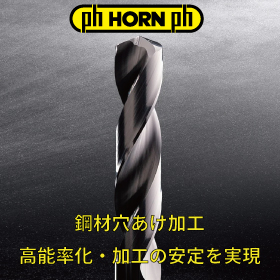
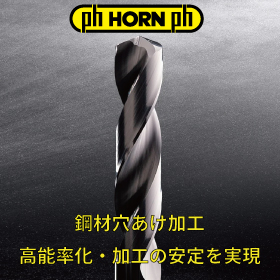
In the medical device industry and the manufacturing of biocompatible components, precise and clean processing is required. Particularly in inner diameter processing, the accumulation or stretching of chips can scratch the work surface or adversely affect the tools. This raises concerns about processing defects and rework, which can lead to decreased production efficiency and increased costs. Additionally, interruptions in work for chip removal can also cause delays in production schedules. Our sintered U-breaker equipped super mini addresses these challenges and achieves stable, high-quality processing. 【Application Scenarios】 - Inner diameter processing of biocompatible components - Boring of precision medical device parts - Processing where chip entanglement or clogging is a concern 【Benefits of Implementation】 - Reduction of processing defects due to chip clogging - Extension of tool life and reduction of tool costs - Improvement in production efficiency due to enhanced processing stability
Added to bookmarks
Bookmarks listBookmark has been removed
Bookmarks listYou can't add any more bookmarks
By registering as a member, you can increase the number of bookmarks you can save and organize them with labels.
Free membership registration
In the food machinery industry, particularly in the manufacturing of conveyor components, precise inner diameter processing is required. However, in small-diameter boring operations on lathes, chips tend to elongate, leading to issues such as negative impacts on the work surface and tools, interruptions in processing, and tool breakage. These challenges can result in decreased production efficiency and increased costs. Proper chip fragmentation and removal are key to processing stability. HORN's .U breaker, with its unique sintering technology, achieves a three-dimensional breaker shape despite being a tool for small diameters, demonstrating excellent chip fragmentation performance under all conditions. This supports the resolution of challenges in inner diameter processing for conveyor component manufacturing in the food machinery sector. [Usage Scenarios] - Inner diameter processing of conveyor components for food machinery - Occurrence of processing defects due to chip wrapping - Production stoppage due to tool breakage [Effects of Implementation] - Reduction of chip wrapping troubles - Improvement in processing stability and production efficiency - Cost reduction through extended tool life
Added to bookmarks
Bookmarks listBookmark has been removed
Bookmarks listYou can't add any more bookmarks
By registering as a member, you can increase the number of bookmarks you can save and organize them with labels.
Free membership registration
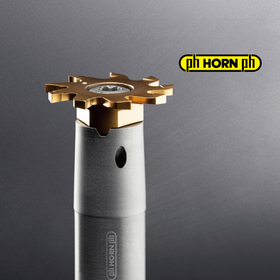
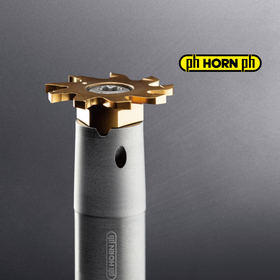
In the manufacturing field of hydraulic and pneumatic equipment, precise seal groove machining is required to ensure the airtightness and durability of components. Particularly in equipment used under high pressure or harsh environments, the accuracy of the grooves directly affects the product's performance and lifespan. Improper groove machining can lead to oil or air leaks, potentially resulting in equipment failure or performance degradation. The HORN company's "Circular Mill" features interchangeable cutting edges that accommodate various cutting diameters and groove widths, achieving stable machining accuracy for seal groove processing. 【Application Scenarios】 - Seal groove machining for hydraulic cylinders - O-ring groove machining for pneumatic equipment - Seal groove machining for various actuators 【Benefits of Implementation】 - Improved product reliability through stable machining accuracy - Cost-effectiveness and reduced setup time through interchangeable cutting edges - Versatility to accommodate various groove widths
Added to bookmarks
Bookmarks listBookmark has been removed
Bookmarks listYou can't add any more bookmarks
By registering as a member, you can increase the number of bookmarks you can save and organize them with labels.
Free membership registration
In the automotive parts industry, high precision and diverse shapes of parts processing are required. In particular, precise machining such as complex groove processing, chamfering, and dovetailing directly affects the performance and assembly accuracy of the parts, making stable processing quality and efficiency highly important. Inadequate processing can lead to defective parts and assembly issues. The HORN company's "Circular Mill" contributes to solving these challenges by accommodating various cutting diameters and groove widths through insert replacement. 【Application Scenarios】 - Groove machining of automotive engine parts - Chamfering of chassis parts - Dovetail machining of drive system components - R-chamfering of interior and exterior parts 【Benefits of Implementation】 - Adaptability to diverse machining through insert replacement - Stable processing quality due to high rigidity design - Economical cutting edge replacement system - Increased productivity through reduced processing time
Added to bookmarks
Bookmarks listBookmark has been removed
Bookmarks listYou can't add any more bookmarks
By registering as a member, you can increase the number of bookmarks you can save and organize them with labels.
Free membership registration
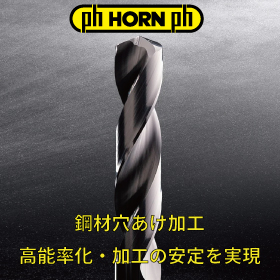
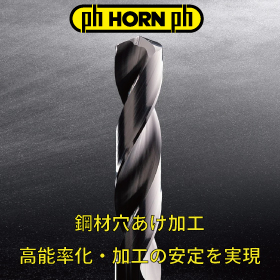
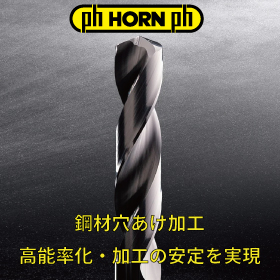
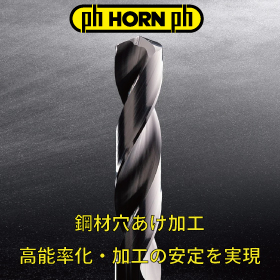
In the shipbuilding industry, particularly in the manufacturing of engine parts, high precision and reliability are required for drilling processes, where reducing processing time and ensuring stable quality are emphasized. Improper machining can lead to decreased performance of parts and unexpected troubles. Our HORN carbide solid drill D1122 series leverages over 50 years of expertise from HORN to contribute to solving these challenges. 【Application Scenarios】 - Manufacturing of ship engine parts - Drilling processes for steel and cast materials - Achieving high-efficiency drilling 【Benefits of Implementation】 - Improved processing efficiency through reduced cutting resistance - Realization of stable drilling quality - Compatibility with a wide range of drill diameters (3mm to 20mm)
Added to bookmarks
Bookmarks listBookmark has been removed
Bookmarks listYou can't add any more bookmarks
By registering as a member, you can increase the number of bookmarks you can save and organize them with labels.
Free membership registration
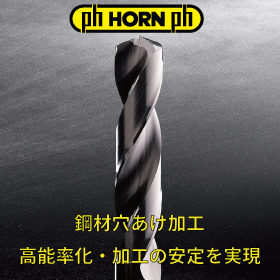
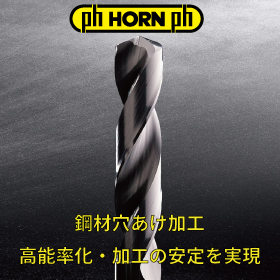
In the railway industry, the manufacturing of maintenance parts requires high precision and reliability. Particularly in the drilling process of parts that support the safe operation of vehicles, dimensional accuracy and the quality of the machined surface directly affect the durability and functionality of the parts. Inadequate machining can lead to early wear or damage, increasing the risk of operational stoppage. The HORN carbide solid drill D1122 series leverages over 50 years of expertise from HORN to contribute to solving these challenges. 【Application Scenarios】 - Manufacturing of maintenance parts for railway vehicles - Machining of maintenance parts for various structures - Drilling of parts that require strict quality standards 【Benefits of Implementation】 - Extended part lifespan due to improved machining accuracy - Increased tool lifespan due to reduced cutting resistance - Realization of high-efficiency drilling for steel and cast materials
Added to bookmarks
Bookmarks listBookmark has been removed
Bookmarks listYou can't add any more bookmarks
By registering as a member, you can increase the number of bookmarks you can save and organize them with labels.
Free membership registration
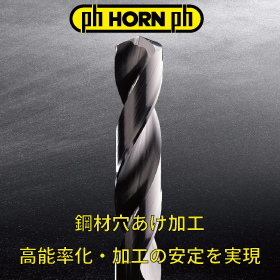
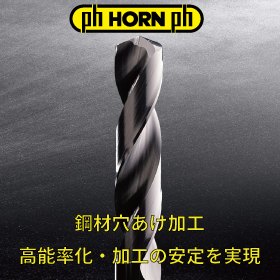
In the general machinery industry, precise drilling processes that influence product quality require stable machining accuracy and efficient operations. Particularly for diverse materials and complex-shaped components, reducing processing time and extending tool life are essential for improving productivity. Inappropriate tool selection or machining conditions can lead to processing defects or production line stoppages. HORN, leveraging over 50 years of accumulated know-how, offers carbide solid drills that contribute to solving various drilling challenges for our customers. 【Application Scenarios】 - High-efficiency drilling of steel and cast materials - Application of 3D and 5D series compliant with DIN6537 - Deep hole machining using the unique 8D series 【Benefits of Implementation】 - Improved machining efficiency due to reduced cutting resistance - Stable machining with a smooth cutting edge surface - Compatibility with a wide range of drill diameters (3mm - 20mm)
Added to bookmarks
Bookmarks listBookmark has been removed
Bookmarks listYou can't add any more bookmarks
By registering as a member, you can increase the number of bookmarks you can save and organize them with labels.
Free membership registration
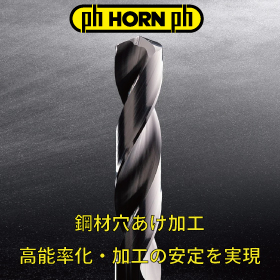
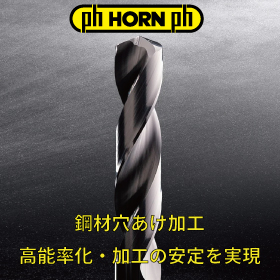
In the optical equipment industry, particularly in the precise drilling of lens mounts, high dimensional accuracy and stable processing quality are required. Even slight machining errors can affect product performance, making the selection of reliable tools crucial. Our HORN carbide solid drill has been developed to meet these demands. 【Application Scenarios】 - Drilling of lens mount components - Prototyping and mass production of precision parts - Various optical equipment parts requiring high precision 【Benefits of Implementation】 - Improved machining accuracy - Enhanced productivity - Cost reduction through extended tool life
Added to bookmarks
Bookmarks listBookmark has been removed
Bookmarks listYou can't add any more bookmarks
By registering as a member, you can increase the number of bookmarks you can save and organize them with labels.
Free membership registration
In the field of industrial robots, reducing the weight of movable parts leads to improved operating speed and reduced power consumption. Therefore, the manufacturing of robot arms and peripheral components requires the processing of lightweight yet high-strength materials. Particularly when complex-shaped parts or precise drilling is needed, balancing processing accuracy and efficiency becomes a challenge. Our HORN carbide solid drill D1122 series contributes to addressing these challenges with high-efficiency drilling. 【Application Scenarios】 - Material processing for lightweight robot arm components - Manufacturing of robot peripherals requiring precise drilling - Component processing aimed at improving production line efficiency 【Benefits of Implementation】 - Shortened processing time due to reduced cutting resistance - Good surface finish from a smooth cutting edge - Achieving high-efficiency drilling for steel and cast materials
Added to bookmarks
Bookmarks listBookmark has been removed
Bookmarks listYou can't add any more bookmarks
By registering as a member, you can increase the number of bookmarks you can save and organize them with labels.
Free membership registration
In the construction machinery industry, high durability under harsh operating conditions and efficient processing on production lines are required. Particularly in drilling processes, which are directly related to the strength and reliability of parts, maintaining tool wear and processing accuracy is crucial. In response to these challenges, HORN has been providing carbide solid drills that leverage over 50 years of accumulated know-how to contribute to solving various user issues. 【Application Scenarios】 - Drilling processes for frames and attachment parts of construction machinery - Processing of steel and cast materials - Manufacturing of parts that require high-precision hole processing 【Benefits of Implementation】 - Reduced frequency of tool replacement due to extended tool life - Improved part quality through stable processing accuracy - Shortened processing time due to reduced cutting resistance
Added to bookmarks
Bookmarks listBookmark has been removed
Bookmarks listYou can't add any more bookmarks
By registering as a member, you can increase the number of bookmarks you can save and organize them with labels.
Free membership registration
In the energy industry, particularly in the manufacturing of turbine components, precision and reliability in drilling processes are essential. Since they directly affect the performance and lifespan of the parts, any processing defects are unacceptable. Additionally, addressing complex shapes and hard materials, as well as improving production efficiency, are ongoing challenges. The HORN carbide solid drill D1122 series meets these challenges by achieving stable processing and efficient drilling, contributing to the improvement of our customers' manufacturing processes. 【Application Scenarios】 - Precision drilling of turbine components - High-efficiency drilling of steel and cast materials - Processing of complex-shaped parts 【Benefits of Implementation】 - Improved processing accuracy - Enhanced production efficiency - Extended tool life
Added to bookmarks
Bookmarks listBookmark has been removed
Bookmarks listYou can't add any more bookmarks
By registering as a member, you can increase the number of bookmarks you can save and organize them with labels.
Free membership registration
In the assembly of semiconductor manufacturing equipment, precise drilling is required. Particularly in the assembly of fine components or in areas where high accuracy is demanded, the stability and efficiency of the processing directly affect the quality of the product. Inadequate drilling can lead to poor fitting of components and a decrease in the overall performance of the equipment. HORN, leveraging over 50 years of accumulated know-how, offers carbide solid drills that contribute to solving various challenges faced by our customers. 【Application Scenarios】 - Drilling processing for precision parts of semiconductor manufacturing equipment - High-precision hole processing in assembly processes - Machining of steel and cast materials 【Benefits of Implementation】 - Improvement in processing accuracy - Enhancement of production efficiency - Extension of tool life due to reduced cutting resistance
Added to bookmarks
Bookmarks listBookmark has been removed
Bookmarks listYou can't add any more bookmarks
By registering as a member, you can increase the number of bookmarks you can save and organize them with labels.
Free membership registration
In the precision machining of the mold industry, high dimensional accuracy and stable machining quality are required. Particularly in the machining of complex shapes and fine details, tool vibration and wear can directly affect product quality. Therefore, maintaining machining accuracy and extending tool life are key to improving productivity and reducing costs. HORN carbide solid drills provide stable machining performance and high efficiency to address these challenges, supporting the mold manufacturing field. 【Application Scenarios】 - Precision drilling of mold components - Machining of complex-shaped parts - Mold manufacturing requiring high precision 【Benefits of Implementation】 - Improved machining accuracy - Extended tool life - Increased productivity
Added to bookmarks
Bookmarks listBookmark has been removed
Bookmarks listYou can't add any more bookmarks
By registering as a member, you can increase the number of bookmarks you can save and organize them with labels.
Free membership registration
In the manufacturing of medical devices, particularly implants, fine and high-precision drilling is required. It is essential to maintain the quality of the machined surface and improve productivity while accommodating the material properties and complex shapes. Improper machining can potentially affect the reliability and safety of the products. The HORN carbide solid drill D1122 series addresses these challenges by providing high stability and machining efficiency, contributing to the improvement of drilling processes in implant manufacturing. 【Application Scenarios】 - High-efficiency drilling of implant materials (such as titanium alloys and stainless steel) - Precise drilling for complex-shaped components - Manufacturing of parts requiring smooth machined surfaces 【Benefits of Implementation】 - Improved tool life due to reduced cutting resistance - Reduced defect rates through stable machining accuracy - Cost reduction through increased productivity
Added to bookmarks
Bookmarks listBookmark has been removed
Bookmarks listYou can't add any more bookmarks
By registering as a member, you can increase the number of bookmarks you can save and organize them with labels.
Free membership registration
In the aerospace field, drilling operations require extremely high precision and reliability to ensure the safety and performance of components. This is particularly true for the machining of special alloys and composite materials used for weight reduction and strength maintenance, where stable tool performance and machining efficiency are essential for balancing productivity and quality. Improper machining increases the risk of component damage and performance degradation. The HORN carbide solid drill D1122 series addresses these challenges and achieves high-precision drilling. 【Application Scenarios】 - Manufacturing of aircraft components - Machining of space equipment parts - Drilling into special alloys and composite materials 【Benefits of Implementation】 - Improved machining accuracy - Enhanced productivity - Maintenance of tool life
Added to bookmarks
Bookmarks listBookmark has been removed
Bookmarks listYou can't add any more bookmarks
By registering as a member, you can increase the number of bookmarks you can save and organize them with labels.
Free membership registration
In the automotive parts industry, stable performance and improved processing efficiency are emphasized in drilling operations, where high precision and productivity are required. Particularly in the processing of complex shapes and high-hardness materials, tool wear and variations in processing accuracy can become bottlenecks in the production line. Our HORN carbide solid drills address these challenges and support the high-quality and efficient production of automotive parts. 【Application Scenarios】 - Processing of automotive engine parts - Drilling of chassis components - Precision hole processing of interior and exterior parts 【Benefits of Implementation】 - Increased productivity through reduced processing time - Cost reduction through extended tool life - Maintenance of quality through stable processing accuracy
Added to bookmarks
Bookmarks listBookmark has been removed
Bookmarks listYou can't add any more bookmarks
By registering as a member, you can increase the number of bookmarks you can save and organize them with labels.
Free membership registration
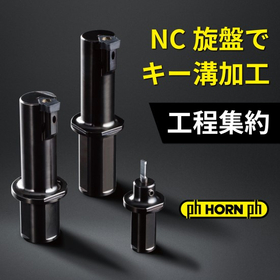
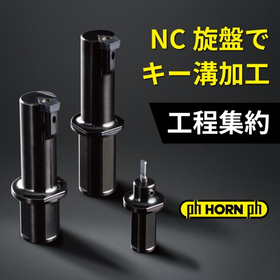
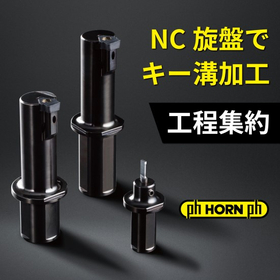
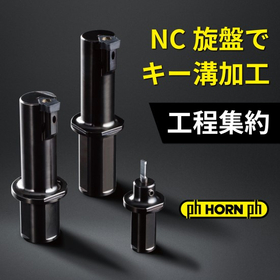
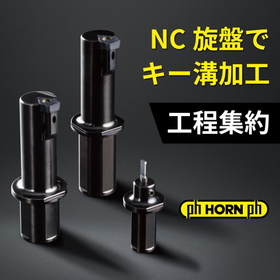
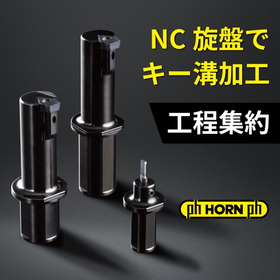
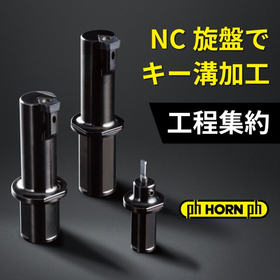
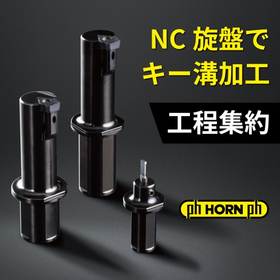
In the fiber machinery industry, the precision and durability of rotating parts directly impact product performance. In particular, keyway machining plays a crucial role in the power transmission of rotating components, requiring high precision and efficiency in its processing. Frequent setup changes and long processing times can lead to decreased productivity and increased costs. Our HORN broaching tools enable keyway machining on NC lathes, addressing these challenges. 【Usage Scenarios】 - Keyways and spline machining for rotating parts - Process consolidation on NC lathes - When cycle time reduction is necessary 【Benefits of Implementation】 - Elimination of setup changes, reducing effort and time - Achievement of high-quality precision for key widths - Significant reduction in cycle time (case example: approximately 60% reduction)
Added to bookmarks
Bookmarks listBookmark has been removed
Bookmarks listYou can't add any more bookmarks
By registering as a member, you can increase the number of bookmarks you can save and organize them with labels.
Free membership registration
In the construction machinery industry, particularly in the manufacturing of hydraulic cylinders, the precision and durability of parts are directly linked to the overall performance of the product. Keyway machining plays an important role in the fitting and power transmission of parts, but it requires high precision and efficiency. Traditional machining methods can present challenges, such as increased processes and time-consuming setups. Our HORN-made broaching tools enable keyway machining on CNC lathes, addressing these challenges. 【Application Scenarios】 - Keyway machining of hydraulic cylinder components - Process consolidation on CNC lathes - Machining of parts requiring high precision in key width 【Benefits of Implementation】 - Reduction of labor and time by eliminating setup changes - Reduction in cycle time (example: approximately 60% shorter) - Stable machining and high-quality finishing surfaces due to internal lubrication
Added to bookmarks
Bookmarks listBookmark has been removed
Bookmarks listYou can't add any more bookmarks
By registering as a member, you can increase the number of bookmarks you can save and organize them with labels.
Free membership registration
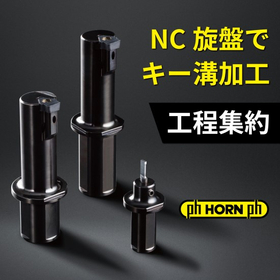
In the agricultural machinery industry, the precision of power transmission components affects the overall performance and durability of the machinery. In particular, high dimensional accuracy and stable quality are required for keyway machining. Improper processing can lead to early wear of components and malfunctions in power transmission. Our HORN broaching tools enable keyway machining on NC lathes, eliminating the need for setup changes and reducing effort and time. With internal lubrication and excellent chip removal capability, they achieve high-quality key width accuracy. 【Application Scenarios】 - Keyways and spline machining for power transmission components in agricultural machinery (gears, shafts, etc.) - Keyway, hex hole, square hole, and spline machining on NC lathes - Process consolidation on composite machining machines 【Benefits of Implementation】 - Reduction in cycle time (example: from 50 minutes to 20 minutes, approximately 60% reduction) - Reduction of effort and time in work due to the elimination of setup changes. - Improvement in product quality through the realization of high-precision key widths - Reduction in processing costs
Added to bookmarks
Bookmarks listBookmark has been removed
Bookmarks listYou can't add any more bookmarks
By registering as a member, you can increase the number of bookmarks you can save and organize them with labels.
Free membership registration
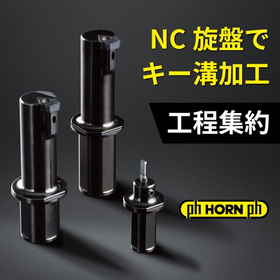
In the shipbuilding industry, particularly in the manufacturing of propulsion shafts, keyway machining that demands high precision and reliability is essential. The accuracy of the keyway, which affects the performance of the propulsion shaft, is directly linked to the safety of the hull and the efficiency of propulsion, making the optimization of the machining process and quality assurance critical challenges. Our HORN-branded broaching tools enable keyway machining on CNC lathes, eliminating the need for setup changes and reducing effort and time. The excellent chip removal capability provided by internal lubrication achieves high-quality key width accuracy and contributes to the reliability of the propulsion shaft. 【Application Scenarios】 - Keyway machining of propulsion shafts - Efficient keyway machining on CNC lathes - Improvement of setup change operations 【Effects of Implementation】 - Reduction of cycle time through process consolidation (Example: 50 minutes → 20 minutes) - Achievement of high-precision key width accuracy - Elimination of the effort and time required for setup changes
Added to bookmarks
Bookmarks listBookmark has been removed
Bookmarks listYou can't add any more bookmarks
By registering as a member, you can increase the number of bookmarks you can save and organize them with labels.
Free membership registration
In the medical device industry, particularly in the manufacturing of surgical instruments, precise machining of components is directly linked to the safety and functionality of the products. In keyway machining, high dimensional accuracy and stable quality are required, with even slight deviations being unacceptable. Traditional machining methods can face challenges due to the numerous processes involved and time losses from setup changes. The 'broaching tools' manufactured by the German company HORN, handled by IZUSHI, enable keyway machining on NC lathes and machining centers, eliminating the need for setup changes and reducing effort and time. The excellent chip removal capability provided by internal lubrication achieves high-quality key width accuracy and supports the precise machining required for surgical instruments. 【Application Scenarios】 - Keyway machining in the manufacturing of surgical instrument components - Component machining requiring high dimensional accuracy - Productivity improvement through process consolidation 【Benefits of Implementation】 - Reduction of effort and time by omitting setup changes - Quality improvement through the realization of high-precision groove widths - Excellent chip removal even with difficult-to-machine materials, ensuring stable processing
Added to bookmarks
Bookmarks listBookmark has been removed
Bookmarks listYou can't add any more bookmarks
By registering as a member, you can increase the number of bookmarks you can save and organize them with labels.
Free membership registration
In the transport mechanism of semiconductor manufacturing equipment, precise fitting and positioning of components are required, and the accuracy of keyway machining affects the overall performance of the equipment. Particularly when handling fine components or in mechanisms that operate at high speeds, high dimensional accuracy and stable processing are essential. An increase in the frequency of setup changes and processing time can lead to a decrease in production efficiency. The broaching tools from HORN enable keyway machining on NC lathes without the need for setup changes, reducing effort and time. With internal lubrication, they excel in chip removal and achieve high precision in key width. 【Application Scenarios】 - Keyway, hexagonal hole, square hole machining, and spline machining on NC lathes - Precision machining of transport mechanism components - Productivity improvement through process consolidation 【Benefits of Implementation】 - Time and effort reduction by eliminating setup changes - Improved component quality due to high precision in key width - Examples of cycle time reduction by approximately 60% (from 50 minutes to 20 minutes)
Added to bookmarks
Bookmarks listBookmark has been removed
Bookmarks listYou can't add any more bookmarks
By registering as a member, you can increase the number of bookmarks you can save and organize them with labels.
Free membership registration
In the industrial machinery sector, particularly in gear manufacturing, the precision and durability of components are directly linked to the overall performance of the product, necessitating high-precision machining. In the processing of keyways for gears, traditional methods often involve many steps and can be time-consuming, which can pose challenges. Additionally, low machining precision can lead to poor meshing of gears, resulting in noise and vibration, and potentially causing premature wear. HORN's broaching tools enable keyway processing using only NC lathes, addressing these issues.
Added to bookmarks
Bookmarks listBookmark has been removed
Bookmarks listYou can't add any more bookmarks
By registering as a member, you can increase the number of bookmarks you can save and organize them with labels.
Free membership registration
In the main spindle of machine tools, high-precision keyway machining is required. In particular, the consolidation of processes and the maintenance of machining accuracy in keyway machining, which is essential for the precise positioning of parts and power transmission, are key to improving production efficiency and ensuring quality. Improper machining can lead to a decline in part performance and increased costs due to reprocessing. The broaching tools manufactured by HORN enable keyway machining on NC lathes, eliminating the hassle of setup changes and achieving high-precision machining. 【Application Scenarios】 - Keyway, hexagonal hole, and square hole machining on NC lathes - Process consolidation on multi-tasking machines - Reduction of setup and positioning tasks 【Benefits of Implementation】 - Reduction of work time due to process omission - Achievement of high-quality key width accuracy - Examples of cycle time reduction by approximately 60% (from 50 minutes to 20 minutes)
Added to bookmarks
Bookmarks listBookmark has been removed
Bookmarks listYou can't add any more bookmarks
By registering as a member, you can increase the number of bookmarks you can save and organize them with labels.
Free membership registration
In the field of aerospace precision parts manufacturing, high dimensional accuracy and reliability are required. In particular, for keyway machining related to the fitting and function of parts, even minute errors are not tolerated, necessitating strict quality control. Conventional machining methods often require multiple processes and dedicated machines, which can lead to longer lead times and increased costs. The broaching tools from HORN enable keyway machining to be completed on NC lathes, eliminating the hassle and time of setup changes, achieving process consolidation and high-precision machining. The excellent chip removal capability provided by internal lubrication maintains high-quality key width accuracy and meets the stringent quality standards required in the aerospace sector. [Application Scenarios] - Keyway machining for aircraft engine parts - Hexagonal hole machining for precision sensor parts - Special shape machining for satellite components [Benefits of Implementation] - Reduction of setup time in machining processes, leading to shorter lead times - Improved reliability of parts through the achievement of high-precision keyway width accuracy - Decreased defect rates and increased productivity by completing machining on NC lathes
Added to bookmarks
Bookmarks listBookmark has been removed
Bookmarks listYou can't add any more bookmarks
By registering as a member, you can increase the number of bookmarks you can save and organize them with labels.
Free membership registration
In the automotive industry's drive component manufacturing, precision and durability of parts are essential. Particularly, keyway machining is directly linked to the fitting accuracy of components and the reliability of power transmission, making high-precision processing indispensable. Traditional machining methods require multiple processes such as setup changes and positioning, leading to increased time and costs. By using HORN-manufactured broaching tools, keyway machining can be performed on NC lathes, addressing these challenges. 【Application Scenarios】 - Keyway, hex hole, and square hole machining on NC lathes - High-precision machining of fitting parts for drive components - Consolidation of processes in complex machining 【Benefits of Implementation】 - Reduction of process time by eliminating setup changes - Improvement in product quality through the realization of high-precision key widths - Significant reduction in cycle time (example: from 50 minutes to 20 minutes)
Added to bookmarks
Bookmarks listBookmark has been removed
Bookmarks listYou can't add any more bookmarks
By registering as a member, you can increase the number of bookmarks you can save and organize them with labels.
Free membership registration
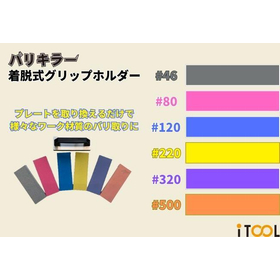
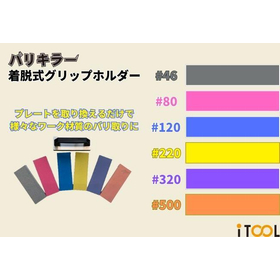
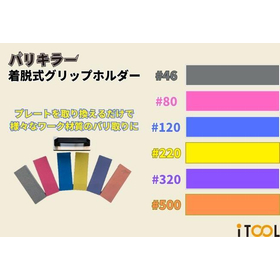
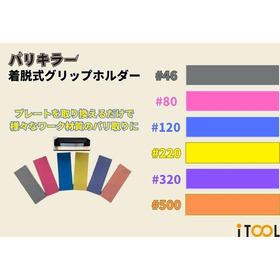
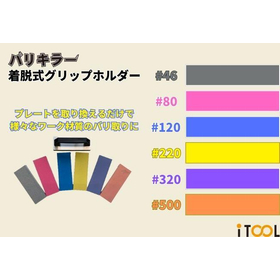
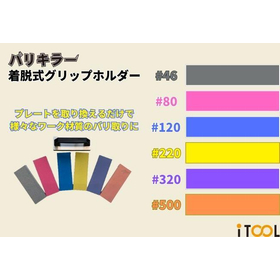
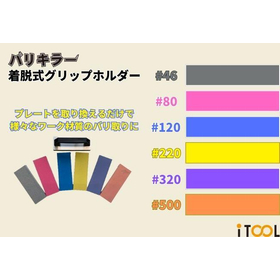
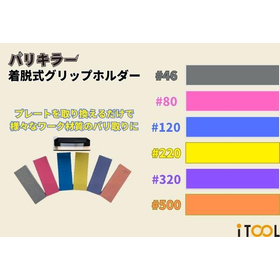
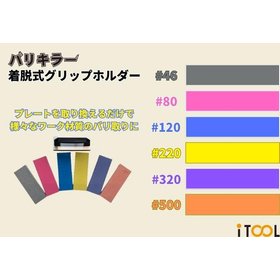
In the manufacturing field of optical equipment, the removal of fine burrs is crucial for ensuring precise clearance of components. Burrs can cause interference between parts and lead to performance degradation, making reliable burr removal essential. Our Burr Killer adapts to various materials through plate replacement and contributes to maintaining precise clearance while suppressing the occurrence of secondary burrs. 【Usage Scenarios】 - Precision machining of optical lenses and housings - Assembly processes of fine components - Burr removal for mechanism parts where clearance is critical 【Benefits of Implementation】 - Improved component accuracy - Reduced assembly defects - Enhanced work efficiency
Added to bookmarks
Bookmarks listBookmark has been removed
Bookmarks listYou can't add any more bookmarks
By registering as a member, you can increase the number of bookmarks you can save and organize them with labels.
Free membership registration
In the shipping industry, parts processing in harsh marine environments requires corrosion resistance and durability. In particular, the deterioration of metal parts due to salt damage can potentially affect safety and functionality. Therefore, even in the deburring process, it is important to consider the impact on the material and ensure efficient and reliable treatment. The Burr Killer can accommodate various materials with just a plate change, and since only one holder is needed, it contributes to reducing the burden on the site and cutting costs. 【Usage Scenarios】 - Deburring of hull components - Maintenance of marine equipment - Metal processing in salt-damaged environments 【Benefits of Implementation】 - Improved work efficiency - Reduced maintenance costs - Enhanced product durability
Added to bookmarks
Bookmarks listBookmark has been removed
Bookmarks listYou can't add any more bookmarks
By registering as a member, you can increase the number of bookmarks you can save and organize them with labels.
Free membership registration
In the railway industry, high safety standards are required in the manufacturing and maintenance of vehicles and track-related components. In particular, burrs on parts can lead to poor contact or damage, posing a risk of serious accidents. Therefore, reliable and efficient deburring operations are essential for ensuring safety. The Burr Killer addresses deburring of various materials simply by changing plates, while minimizing the occurrence of secondary burrs, thereby enhancing the reliability of parts and contributing to the safe operation of railways. 【Usage Scenarios】 - Deburring in the manufacturing process of vehicle parts - Deburring during the maintenance of track equipment-related components - Finishing of parts that require precise machining 【Benefits of Implementation】 - Ensured safety through improved reliability of parts - Improved work efficiency and cost reduction - High versatility by accommodating various materials
Added to bookmarks
Bookmarks listBookmark has been removed
Bookmarks listYou can't add any more bookmarks
By registering as a member, you can increase the number of bookmarks you can save and organize them with labels.
Free membership registration
In the energy industry, there is a demand for the manufacturing of components that can withstand harsh environments. Particularly for parts that may come into contact with highly corrosive substances, the precision of surface treatment significantly affects the durability and safety of the product. Inadequate deburring can lead to premature deterioration or failure. The Burr Killer accommodates various materials through plate replacement and achieves efficient deburring while minimizing the occurrence of secondary burrs. 【Application Scenarios】 - Deburring of piping components handling corrosive fluids - Machining of parts for chemical plant equipment - Finishing of components used in marine structures 【Effects of Implementation】 - Improved durability of components - Ensured reliability of products - Reduced maintenance costs
Added to bookmarks
Bookmarks listBookmark has been removed
Bookmarks listYou can't add any more bookmarks
By registering as a member, you can increase the number of bookmarks you can save and organize them with labels.
Free membership registration
In the movable parts of robots, precise movements are required, and even slight burrs can lead to malfunction or wear. Particularly in areas where complex shapes and different materials are combined, the occurrence of burrs and their removal become challenges. Our Burr Killer can accommodate various work materials through plate replacement, achieving efficient burr removal while suppressing the occurrence of secondary burrs. 【Usage Scenarios】 - Joint parts of robotic arms - Sliding parts of transport mechanisms - Movable components on assembly lines 【Benefits of Implementation】 - Maintaining smooth operation of robots - Extending the lifespan of components - Reducing maintenance labor hours
Added to bookmarks
Bookmarks listBookmark has been removed
Bookmarks listYou can't add any more bookmarks
By registering as a member, you can increase the number of bookmarks you can save and organize them with labels.
Free membership registration
In the construction machinery industry, maintaining the precision and longevity of parts under harsh operating conditions is essential. In particular, the removal of burrs after machining metal parts is crucial; inadequate removal can lead to decreased performance and premature wear of the components. Additionally, flexibility to accommodate various materials and the ability to work quickly on-site are highly valued. Our Burr Killer addresses burr removal for various materials with just a plate change, contributing to the maintenance of high-quality, durable construction machinery parts. 【Usage Scenarios】 - Manufacturing lines for construction machinery parts - Burr removal during maintenance work - Burr removal for various metal materials 【Benefits of Implementation】 - Maintenance of part precision and longevity - Improved work efficiency - Strengthened capability to handle diverse materials
Added to bookmarks
Bookmarks listBookmark has been removed
Bookmarks listYou can't add any more bookmarks
By registering as a member, you can increase the number of bookmarks you can save and organize them with labels.
Free membership registration
In mold manufacturing, high-precision processing that affects product quality is required. In particular, the occurrence of fine burrs can impact the fitting accuracy and functionality of the product. Burr removal is an essential process to ensure the reliability of the product. The Burr Killer accommodates various work materials through plate exchange and achieves high-precision burr removal. 【Application Scenarios】 - Precision burr removal for mold components - Burr removal for complex-shaped workpieces - Adaptation to diverse work materials 【Benefits of Implementation】 - Improvement in product accuracy - Reduction of burden in subsequent processes - Enhancement of work efficiency
Added to bookmarks
Bookmarks listBookmark has been removed
Bookmarks listYou can't add any more bookmarks
By registering as a member, you can increase the number of bookmarks you can save and organize them with labels.
Free membership registration
In semiconductor manufacturing's fine processing, maintaining the quality of precision parts is essential. In fine processing, the occurrence of unintended burrs can impact the performance and reliability of products. In particular, burrs that form in fine areas are difficult to remove and can lead to defects. The burr killer accommodates various work materials through plate replacement, achieving efficient burr removal while suppressing the occurrence of secondary burrs. ## Use Cases * Burr removal for fine semiconductor components * Compatibility with diverse work materials * Manufacturing lines for precision equipment ## Benefits of Implementation * Reduction of burrs in fine processing * Improvement in product quality * Enhancement of work efficiency
Added to bookmarks
Bookmarks listBookmark has been removed
Bookmarks listYou can't add any more bookmarks
By registering as a member, you can increase the number of bookmarks you can save and organize them with labels.
Free membership registration
In the processing of automotive parts, precise deburring is required to ensure product quality and safety. This is especially important for parts with complex shapes and diverse materials, as uniform and reliable deburring is crucial to prevent defects in subsequent processes and reduce product lifespan. Inadequate deburring can lead to functional failures of parts and assembly issues. The deburring killer accommodates various work materials through plate replacement, achieving efficient deburring. 【Usage Scenarios】 - After cutting processing of automotive parts - Deburring after press processing - Finishing of cast parts 【Benefits of Implementation】 - Suppression of secondary burr generation - Capability to handle diverse materials - Improved work efficiency through plate replacement - Contribution to cost reduction
Added to bookmarks
Bookmarks listBookmark has been removed
Bookmarks listYou can't add any more bookmarks
By registering as a member, you can increase the number of bookmarks you can save and organize them with labels.
Free membership registration
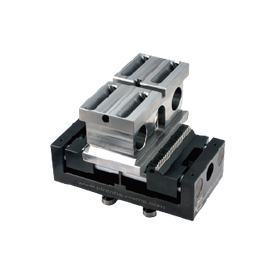
In the defense industry and the processing of special alloys, high precision and stable processing are required. In particular, when processing special alloys, which are considered difficult-to-cut materials, the removal of chips significantly affects processing accuracy and tool life. If chips get caught in the vice, it can lead to workpiece damage and a decrease in processing accuracy. Additionally, it is important to effectively utilize the limited gripping area and reduce setup time. 【Usage Scenarios】 - Precision processing of special alloys - Manufacturing of defense-related components - Stable gripping of complex-shaped workpieces 【Effects of Implementation】 - Improved processing stability due to reduced chip entrapment - Realization of precision processing with compact yet high rigidity - Effective utilization of gripping area and reduction of setup time
Added to bookmarks
Bookmarks listBookmark has been removed
Bookmarks listYou can't add any more bookmarks
By registering as a member, you can increase the number of bookmarks you can save and organize them with labels.
Free membership registration
In the field of research and development, particularly in prototype manufacturing, there are many situations that require diverse shapes and complex processing, leading to an increased use of 5-axis machining centers that enable high precision and flexible processing. However, challenges such as chips getting stuck in the vice, insufficient rigidity with compact vices, and wasting gripping areas can arise. These issues can potentially affect the quality and efficiency of prototype production. The i-TOOL vice addresses these concerns and supports improvements in the accuracy and efficiency of prototype manufacturing in research and development. 【Application Scenarios】 - Processing of complex-shaped prototypes - Production of prototypes using various materials - Development of small quantities of diverse prototypes 【Benefits of Implementation】 - Maintenance of processing accuracy by reducing chip entrapment - Stable processing due to high rigidity despite compact size - Reduction of material waste through effective use of gripping areas - Acceleration of development cycles by shortening setup times
Added to bookmarks
Bookmarks listBookmark has been removed
Bookmarks listYou can't add any more bookmarks
By registering as a member, you can increase the number of bookmarks you can save and organize them with labels.
Free membership registration
In the general industrial machinery sector, particularly in the manufacturing of custom parts, it is crucial to maximize the capabilities of 5-axis machining for processing that requires complex shapes and high precision. Challenges may arise regarding the discharge of cutting chips generated during processing and the need for high rigidity in limited spaces. Eliminating unnecessary gripping allowances and reducing setup time are also necessary for improving productivity. The "i-TOOL Vice" provides solutions to address these challenges and maximize the potential of 5-axis machining. [Usage Scenarios] - Machining of custom parts with complex shapes - 5-axis machining of parts requiring high precision - Processing that emphasizes the discharge of cutting chips [Benefits of Implementation] - Improved machining accuracy - Increased productivity - Reduced setup time - Effective use of materials
Added to bookmarks
Bookmarks listBookmark has been removed
Bookmarks listYou can't add any more bookmarks
By registering as a member, you can increase the number of bookmarks you can save and organize them with labels.
Free membership registration